NYFW trends rarely arrive as a single headline. New York is the first stop on the Fashion Month circuit, and it tends to set the tone through a set of repeating signals: how clothes are cut, which fabrics designers lean on, what proportions feel current and how wearable the whole thing is. Reading those signals is more useful than chasing any one look.
This guide shows you how to read New York's runways and presentations, which broad directions the city is known for, and how to turn them into outfits. It covers the American approach to sportswear, tailoring, outerwear, color and accessories, and ends with a practical way to decide what is worth buying.
We keep the focus on New York. For the broader picture of the whole season, you will find other coverage in the Fashion Month section, and for the sidewalk view, see our look at NYFW street style.
Why New York sets a particular kind of tone
New York is a commercial fashion capital as much as a creative one. Many designers here build collections for real customers who need to wear clothes to work, to travel and to evening events. That is why the runways often favor ease, separates and layering over pure spectacle.
The city is also home to a wide range of businesses: heritage sportswear houses, contemporary labels, independent designers, accessories specialists and younger brands that rely on community and social media. The mix means trends tend to appear in several price tiers and styles at once, which makes them easier to adopt.
Because New York opens the cycle, its signals are often the first ones editors and buyers weigh. They are then tested against what shows in London, Milan and Paris. When a direction appears in several cities, it usually has staying power. When it appears only in one, it may be a local flavor.
How to read fashion week trends without getting lost
Trend coverage can be noisy. A few habits keep you grounded.
- Look for repetition. One dramatic coat is a statement. The same shape across many shows is a trend.
- Separate the idea from the execution. A runway look may be extreme, but the underlying idea, such as a longer hem or a softer shoulder, is what filters down.
- Watch the fabrics. Materials tell you where the season is heading before silhouettes do. Fluid satin, heavy wool, crisp cotton and buttery leather each point to a different mood.
- Check the shoes and bags. Accessories are where trends become shoppable fastest.
- Ask whether you would wear it twice. If the answer is no, treat it as inspiration rather than a purchase.
This approach applies to any year, including when you search for fashion week trends 2026 and want to know how to judge what you find.
The main directions New York keeps returning to
Polished sportswear
American sportswear is the backbone of New York's identity. Expect separates designed to be mixed: relaxed pants, knit tops, shirt jackets, bomber-style outerwear and slip skirts. The appeal is flexibility. A single jacket might work over a dress, a tee or a knit.
Refined, softer tailoring
Tailoring in New York tends to look lived-in rather than strict. Shoulders are slightly relaxed, pants are fuller and jackets are cut with room for layers. The proportion play is the point: a longer jacket against a wider leg, or a shrunken top against a voluminous skirt.
Outerwear as a statement
Coats, trenches, leather jackets and parkas often take center stage, in part because New York shows run across cold and warm seasons. Look for exaggerated collars, longer lengths, belted waists and utility pockets. A coat is the easiest trend to adopt because it changes the whole outfit.
Quiet color with one accent
Neutral palettes of black, ivory, camel, gray and navy appear repeatedly, often broken by a single saturated tone. Reds, deep greens and bright pastels tend to be used as an accent rather than a base. This makes color trends easy to wear: add one coat, scarf or bag and keep the rest classic.
Texture and surface
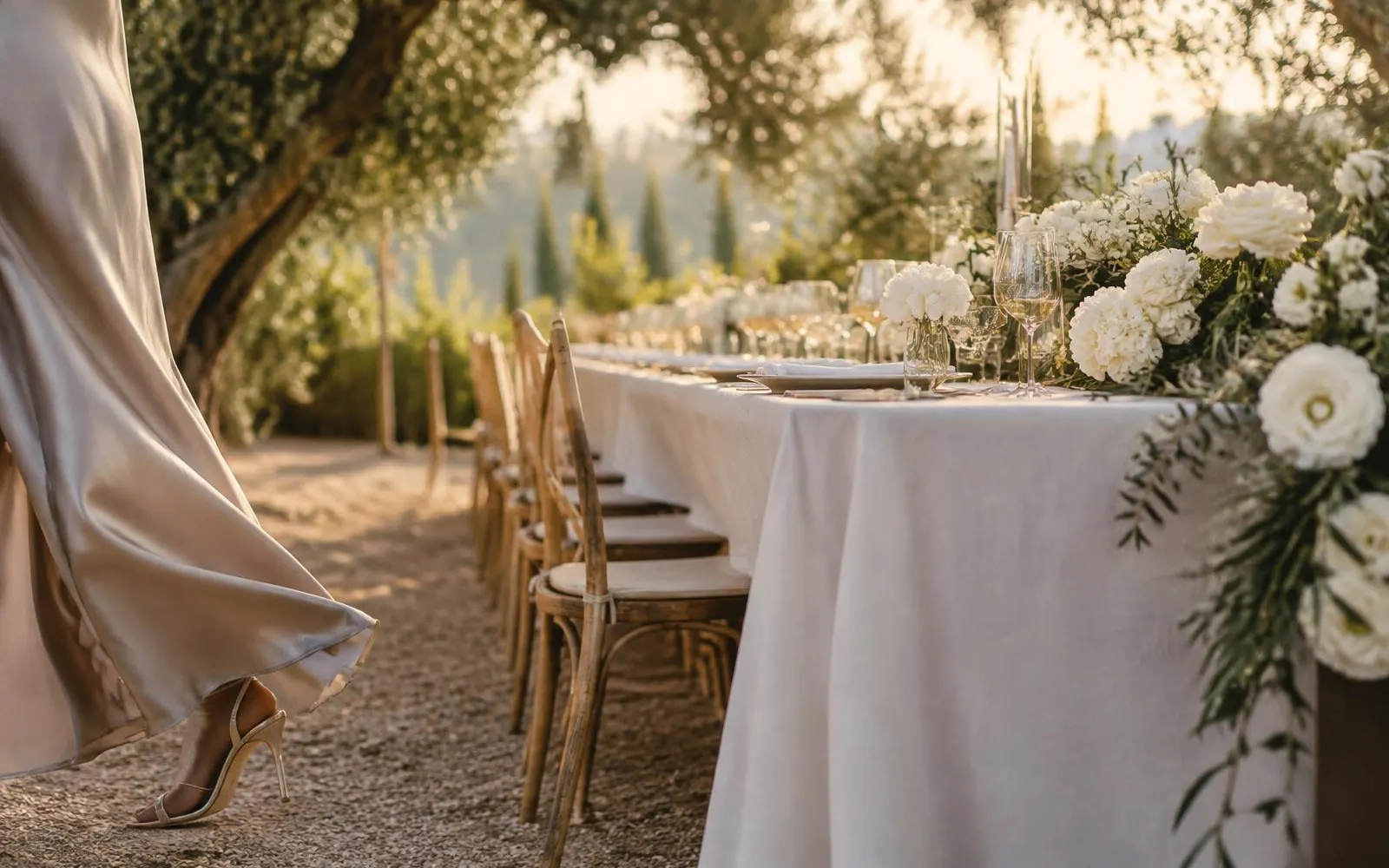
Leather, suede, shearling, knitted pieces, satin and sheer layers recur across seasons. The idea is contrast: soft with structured, matte with shine, delicate with rugged. A silk skirt with a heavy knit is a simple example.
Evening that feels wearable
New York evening looks lean toward slip dresses, sharp separates and sleek tailoring rather than ornate gowns. Many designers show eveningwear that could go from dinner to a party with a change of shoes.
Accessories and shoes to watch
Accessories translate trends into daily life. Watch for these categories rather than specific models.
- Bags: Structured shoulder bags, roomy totes and sculptural clutches. Practical capacity is a recurring theme.
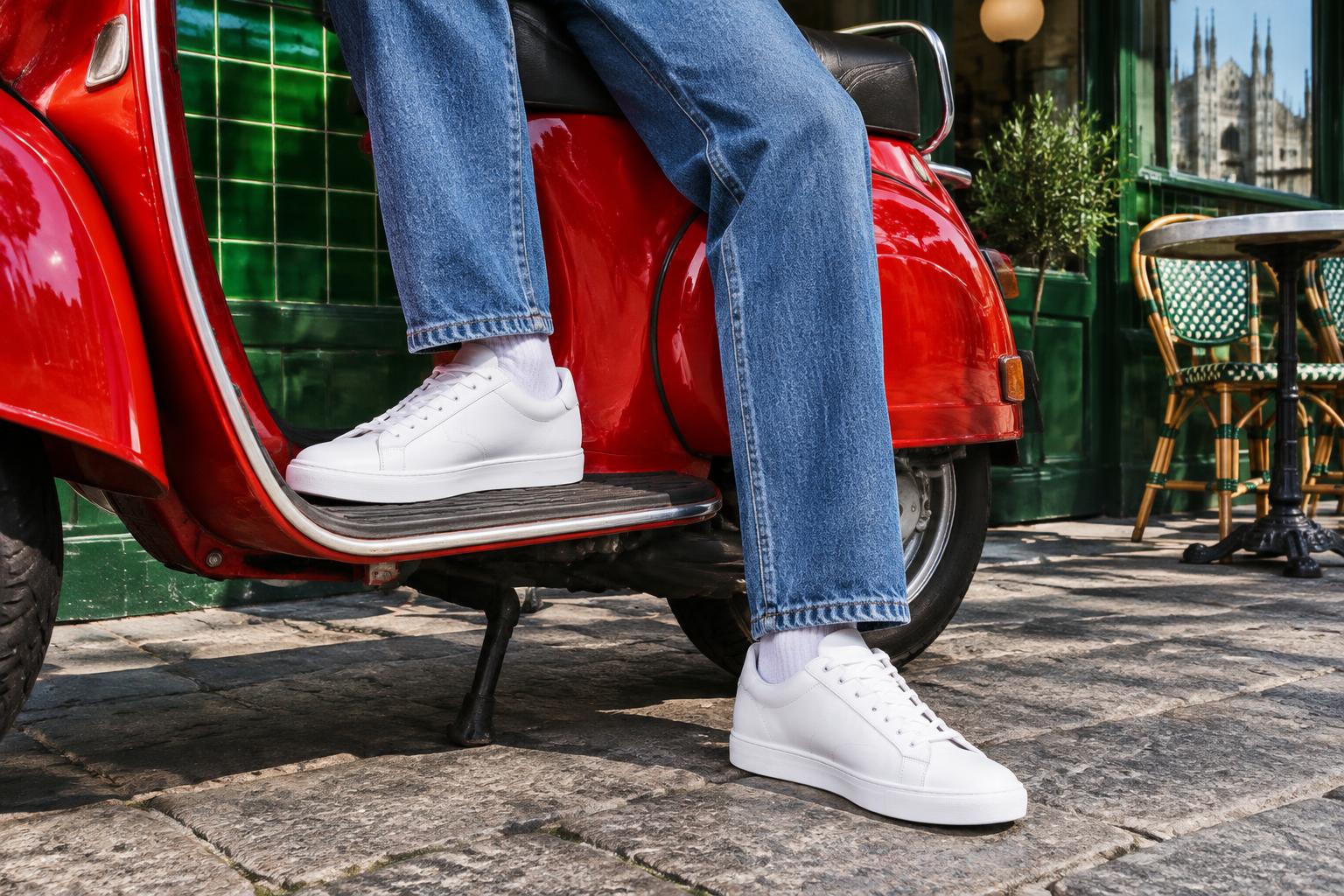
- Shoes: Pointed flats, low block heels, loafers, ankle boots and clean sneakers. Comfort is a feature, not an afterthought.
- Belts: Used to cinch coats, define waists and add a focal point to simple outfits.
- Eyewear and jewelry: Bold sunglasses and a few strong pieces of jewelry, such as sculptural earrings or chunky chains, rather than layers of delicate items.
- Scarves and hats: Functional, season-appropriate and easy to swap in.
How to turn runway signals into outfits
A trend becomes useful when it fits your life. Here is a simple framework.
- Choose one direction. If you like relaxed tailoring, start with wide-leg pants or a longer blazer.
- Anchor it with basics. A white shirt, a fine knit and a pair of dark jeans keep the new piece grounded.
- Adjust the proportion. If the top is oversized, keep the bottom slimmer, and the reverse.
- Add one accessory that feels current. A new belt, bag or pair of shoes can refresh an older wardrobe.
- Keep color restrained. Use one accent tone and let the rest stay neutral.
Three sample outfits
- Work: Wide-leg pants, a fine knit, a longer blazer, pointed flats and a structured shoulder bag.
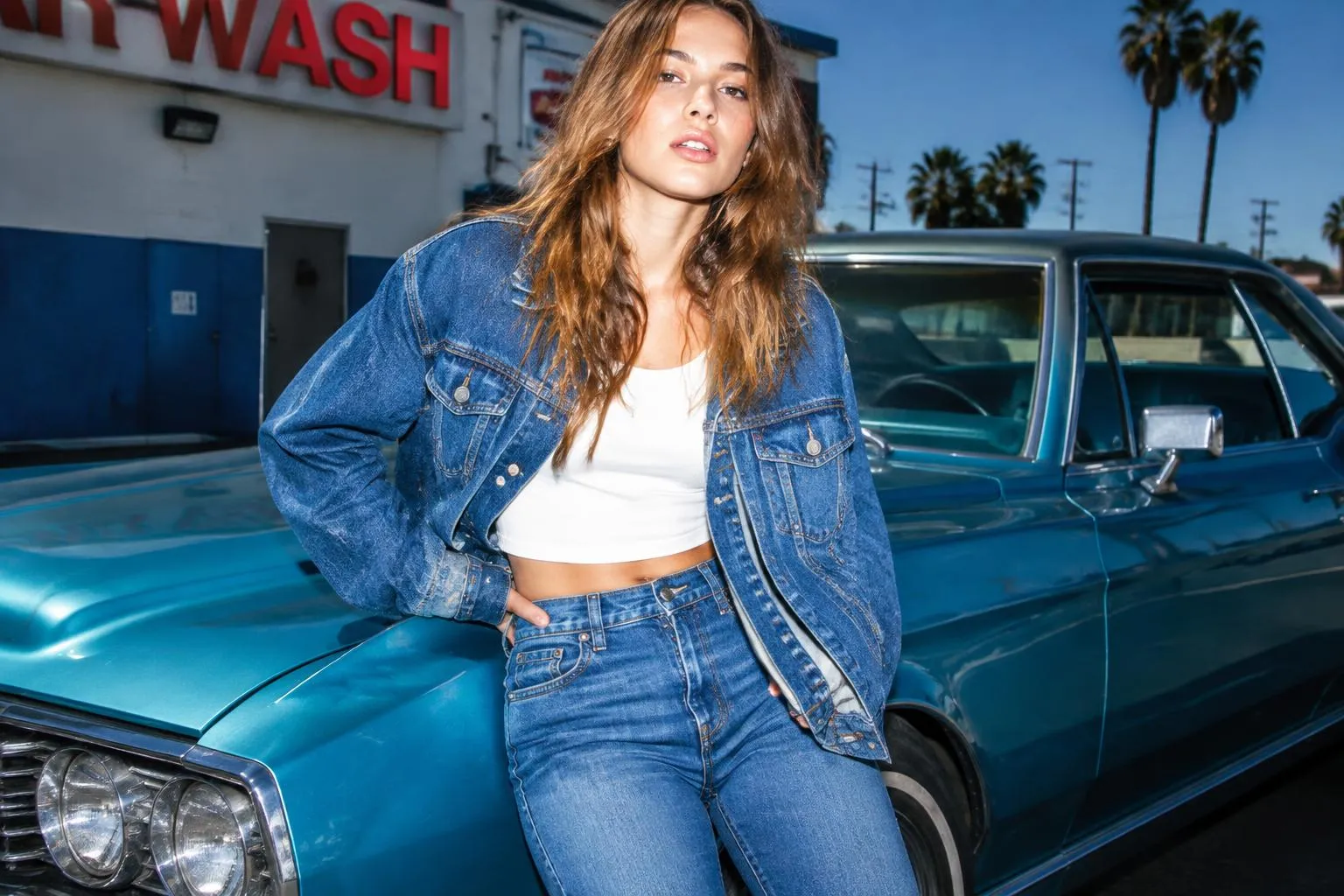
- Weekend: Straight jeans, a shirt jacket, a simple tee and clean sneakers, with a scarf for color.
- Evening: A slip skirt, a fitted knit, a leather jacket and a low-heeled boot.
What lasts and what to treat as a moment
Some signals are durable. Good tailoring, strong outerwear and well-made neutrals remain useful across many seasons. Others are more fleeting, such as a very specific color or an unusual shape that works only with a certain outfit.
A reasonable rule: invest in the pieces you will wear most, such as coats, pants, shoes and knitwear. Experiment with the fast-moving ideas through inexpensive or secondhand finds, or through accessories. That way you stay current without overhauling your wardrobe.
Trend signals by body, budget and climate
Runway ideas are never one-size-fits-all, so adjust them rather than copying them.
- Petite frames: Keep longer jackets and wide pants in check with a high waist and a hem that just clears the shoe. A monochrome base visually lengthens the line.
- Tall frames: Oversized coats and very long lengths work well. Belts help define proportion.
- Curvier figures: Fluid fabrics and structured shoulders balance volume. A belted coat or a wrap-style top gives shape without restricting movement.
- Smaller budgets: Spend on one anchor piece, such as a coat or a pair of well-cut pants, and choose the trend through accessories or secondhand finds.
- Warm climates: Translate heavy outerwear ideas into lighter fabrics. A cotton trench or an unlined jacket carries the same silhouette without the weight.
- Cold climates: Layer the New York way: a fine knit, a shirt, a jacket and a coat, each one removable.
Common mistakes when following runway trends
- Buying the whole look. Runway outfits are styled to make a point. In real life, one new piece per outfit is usually enough.
- Ignoring fit. A trend piece that does not fit you well will look worse than a classic that does.
- Chasing every color. Pick the one or two tones that flatter you and repeat them.
- Forgetting your lifestyle. If you walk a lot, choose shoes that match. If you commute, prioritize a bag that holds your essentials.
Where to follow New York's trends
Follow reputable editorial coverage and designer presentations through official channels. Many shows are streamed or documented in photo galleries. If you plan to attend, check New York Fashion Week tickets for how access works, and review the New York Fashion Week schedule for timing.
If you want to know who is showing, our guide to New York Fashion Week designers explains the types of labels you will encounter. For the bigger picture of the season, read about New York Fashion Week 2026 and visit the New York Fashion Week hub.
Frequently asked questions
What are the biggest NYFW trends?
New York is known for polished sportswear, relaxed tailoring, strong outerwear and restrained color with one bold accent. These directions repeat across seasons because they suit real wardrobes. Always look for repetition across many shows rather than one standout look.
How do I tell a trend from a one-off?
A trend appears across several designers, cities and price levels. A one-off appears in a single collection and is hard to copy. Watching repeated shapes, fabrics and accessories gives you a more reliable picture.
Are fashion week trends 2026 wearable?
Many are. Designers often show an extreme version on the runway, then a simpler version in stores. Focus on the idea, such as a new proportion or fabric, and adapt it with pieces you already own.
How can I follow NYFW trends if I am not attending?
Use editorial galleries, official designer channels and street style photography. Compare what you see across several sources, and note the details that repeat.
The takeaway
NYFW trends reward patience and selectivity. Read the repeats, pick a single direction, anchor it with good basics and invest in the pieces you will wear again. That is how New York's runway becomes your wardrobe.