The New York Fashion Week schedule follows a steady annual pattern, even though the exact dates and line-up change from one season to the next. Knowing the pattern, and where official schedules are published, lets you plan your viewing without chasing rumors.
This guide explains how the NYFW schedule works: when the two seasons usually fall, how a typical day is organized, what kinds of events fill the calendar and how to follow the week from anywhere. It is written as a reference you can reuse every cycle, with no reliance on fixed dates.
For exact times and venues, treat the official New York Fashion Week calendar as the final word. What follows is the framework that makes that calendar easy to read.
When New York Fashion Week usually happens
New York Fashion Week takes place twice a year, as the first stop on the Fashion Month circuit. The sequence runs New York, London, Milan, Paris.
- The February season usually falls in the first half of February and presents collections for the following autumn and winter.
- The September season usually falls in the first half of September and presents collections for the following spring and summer.
Each season runs for about a week, sometimes a little longer. Exact start and end dates are announced ahead of each cycle and can shift, so confirm them with the official calendar. If you want the bigger picture of how the year fits together, our guide to New York Fashion Week 2026 places both seasons in context.
How the NYFW schedule is organized
The shape of a day
A fashion week day is a tightly timed relay. Shows begin in the morning and continue into the evening, usually with short gaps between them so guests can travel across Manhattan and, at times, Brooklyn. A typical day mixes large runway shows, small presentations and showroom appointments.
Venues
New York shows take place in a mix of locations: purpose-built event spaces, galleries, studios, warehouses, hotels and sometimes outdoor sites. A single brand may change venue from season to season, which is why checking the latest schedule matters.
Who builds the schedule
The official calendar is compiled by the industry bodies and organizers that coordinate the week, with brands confirming their slots. The final order of shows may change in the days before the week starts, so look for updates close to the event.
Types of events on the calendar
The schedule includes several formats, and each serves a different purpose.
- Runway shows. The best-known format: models walk, the audience watches, and many shows are livestreamed.
- Presentations. A more relaxed format where looks are staged for guests to view, often with the designer on hand.
- Showroom appointments. Private viewings for buyers and press. These are typically not public.
- Digital and film releases. Some brands show their collections through video, online lookbooks or hybrid formats.
- Panels, talks and industry events. Conversations about business, craft and culture, which occasionally welcome a broader audience.
- Parties, dinners and launches. Mostly invitation-only, and often where the street style photographers gather.
For more on the official guest side of the week, see our guide to New York Fashion Week tickets.
What kinds of designers show in New York
New York is known for American sportswear, polished everyday fashion and a growing roster of independent designers. You will typically find a mix of established houses, mid-sized labels and emerging names in the same week. Showing slots are often split between large venues and smaller spaces, and the order changes each season. Our overview of New York Fashion Week designers explains the kinds of labels that tend to show and how the roster evolves.
How to read the schedule
When you open an official NYFW calendar, look for these details.
- Date and time. Times are in Eastern Time. If you are following from another time zone, convert them in advance.
- Format. A show, a presentation or a digital release. This tells you how you can watch.
- Venue. Useful if you plan to see street style outside venues.
- Access. Whether the event is invitation-only, ticketed, public or streamed.
- Status. Check for notes about changes, updates or cancellations.
A good habit is to build your own shortlist of five or six shows you care about and to check their listings the day before.
Practical viewing notes
Following from home
Most readers will experience the week online. Official livestreams, designer channels and editorial recaps are the main routes. Because shows run all day, replays are the easiest way to catch what you missed. Watching the first look and the finale of a show often tells you most of what you need to know.
Attending in person
Most runway shows are by invitation. A small number of events and experiences are open to the public, sometimes with tickets. If you hope to attend something, check the official calendar and the organizer's pages, and be cautious of any third party offering access to shows. Note that this guide does not cover accreditation processes.
Planning your own schedule
If you are in New York during fashion week, even without an invitation, you can still enjoy the atmosphere. Boutiques and galleries often host events, and the streets around major venues become an open-air runway of their own.
Street style and trend context
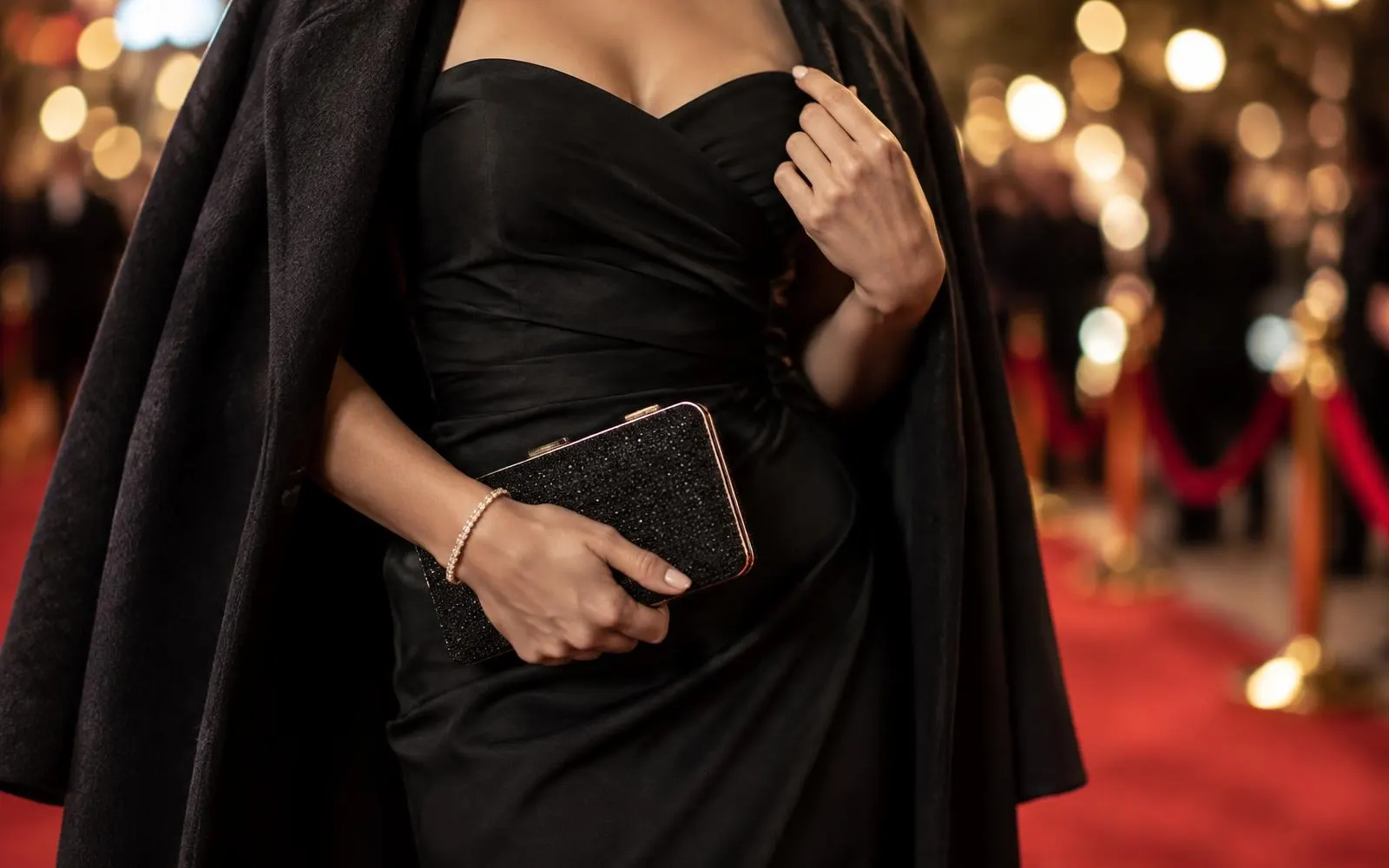
Part of the fun of the schedule is what happens between the shows. Outside venues, guests arrive in outfits chosen for the cameras, and photographers record everything from tailored coats to experimental layering. Our guide to NYFW street style looks at how to read and borrow from those looks.
Reading the trends without over-reading
A single runway look is not a trend. Ideas that appear across several shows, and are then confirmed by what guests actually wear, are the ones to watch. Pay attention to repeated silhouettes, fabrics and colors, and ignore the one-off spectacle.
How the February and September weeks differ
- February: Shows present autumn and winter clothing, so expect coats, knitwear, boots and heavier tailoring. The mood is often cozy and structured.
- September: Shows present spring and summer clothing, so expect lighter fabrics, new dress and skirt shapes and fresh color. The mood is often optimistic and airy.
The weather in New York at those times affects street style too. February guests layer heavily, while September guests show off transitional dressing.
A sample day on the NYFW schedule
To make the calendar concrete, imagine how a typical day may unfold. The day starts with a morning show from an emerging designer, followed by a presentation in a gallery before lunch. The afternoon might bring two or three runway shows from established labels, with travel time built in between. In the evening, a final show or a launch event closes the day, and the street style photographers wrap up outside the last venue.
If you follow online, you can approximate this rhythm. Watch one or two shows live, catch the rest in replay and read a recap at the end of the day. That balance gives you a clear picture without exhausting you.
Key things the schedule tells you
- Where a brand sits in the week. Early slots often feature emerging labels, while later slots tend to bring bigger names, though this varies.
- How a brand chooses to show. A presentation suggests a closer look at details, while a runway show prioritizes movement and mood.
- When the week peaks. The middle days usually carry the heaviest schedule.
Tips for building your own NYFW viewing plan
- Pick a handful of designers whose work you follow, and add two or three emerging names.
- Set reminders for livestreams in your time zone.
- Follow official channels for last-minute updates.
- Save recaps for the end of each day rather than watching everything live.
- Keep a short note of repeated ideas, which will be the real takeaways of the season.
Related coverage
For everything else about the event, visit our New York Fashion Week hub, which gathers guides to each season, the designers and the street style.
Frequently asked questions
When is New York Fashion Week held?
It takes place twice a year, usually in February and September. Exact dates are announced before each season, so check the official calendar.
Where can I find the official NYFW schedule?
The official schedule is published by the organizers and industry bodies that coordinate the week. Because times and venues can change, check it close to the event.
Can anyone attend New York Fashion Week shows?
Most runway shows are by invitation. Some public events and experiences exist, so look at the official calendar for what is open to everyone.
How can I watch the shows online?
Many brands livestream their shows on their own channels, and editorial outlets publish recaps and full collections soon after. Replays are helpful given the volume of shows each day.
The takeaway
The NYFW schedule is easiest to follow when you treat it as a framework: two seasons a year, a week of shows, presentations and events, and one official calendar to confirm the details. Build a short list, follow the repeated ideas, and let the rest go.