NYFW street style has its own rhythm. It is practical, fast-moving and shaped by real New York weather, real subway stairs and a calendar that sends people from one venue to the next in a matter of hours. The best looks are rarely the loudest ones. They are the ones that work from a 9 a.m. show to a late dinner.
This guide breaks down what makes New York fashion week outfits distinctive, the silhouettes and styling habits that keep recurring, and how to translate them into a wardrobe you can actually wear. You will find outfit formulas, a season-by-season approach, and a short list of mistakes worth avoiding.
If you want the runway side of the story, our report on NYFW trends covers what designers are signaling. Here, we stay on the sidewalk.
What defines NYFW street style
New York dresses for movement. Unlike cities where the show venue is a single grand palace, New York fashion week spreads across lofts, galleries, rooftops, piers and converted warehouses. People walk, ride, queue and climb stairs. That reality produces a look that is polished but never precious.
Three traits show up season after season:
- Utility with polish. Sharp tailoring is softened by sneakers or flat boots. A trench is worn open over a slip skirt. Nothing looks stiff.
- Layering as a system. Temperatures swing between September heat and February cold, so outfits are built in removable pieces: a blazer over a knit over a tee.
- A strong single idea. Most memorable outfits commit to one thing, such as an oversized coat, a bold color or an unexpected pair of shoes, and keep everything else quiet.
The result is a mood that reads as confident rather than costume-like. It is also why these looks translate so well into daily life.
Silhouettes and pieces that keep appearing
Street style is not a runway report, so we describe directions rather than specific collections. These are the shapes that tend to dominate the sidewalks outside New York venues.
Tailoring with ease
Relaxed, slightly oversized blazers and wide-leg pants remain a New York staple. The detail that elevates them is proportion: a longer jacket over a trouser with a full leg, or a cropped jacket over a high-rise pant. Hems that just skim the shoe look intentional; hems that pool on the pavement look careless.
Outerwear as the main event
In a city where you spend a lot of time outdoors, the coat is the outfit. Think long trenches, structured wool coats, leather jackets and puffers that have been styled rather than simply worn for warmth. A good coat lets the rest of the look stay simple.
Denim, treated seriously
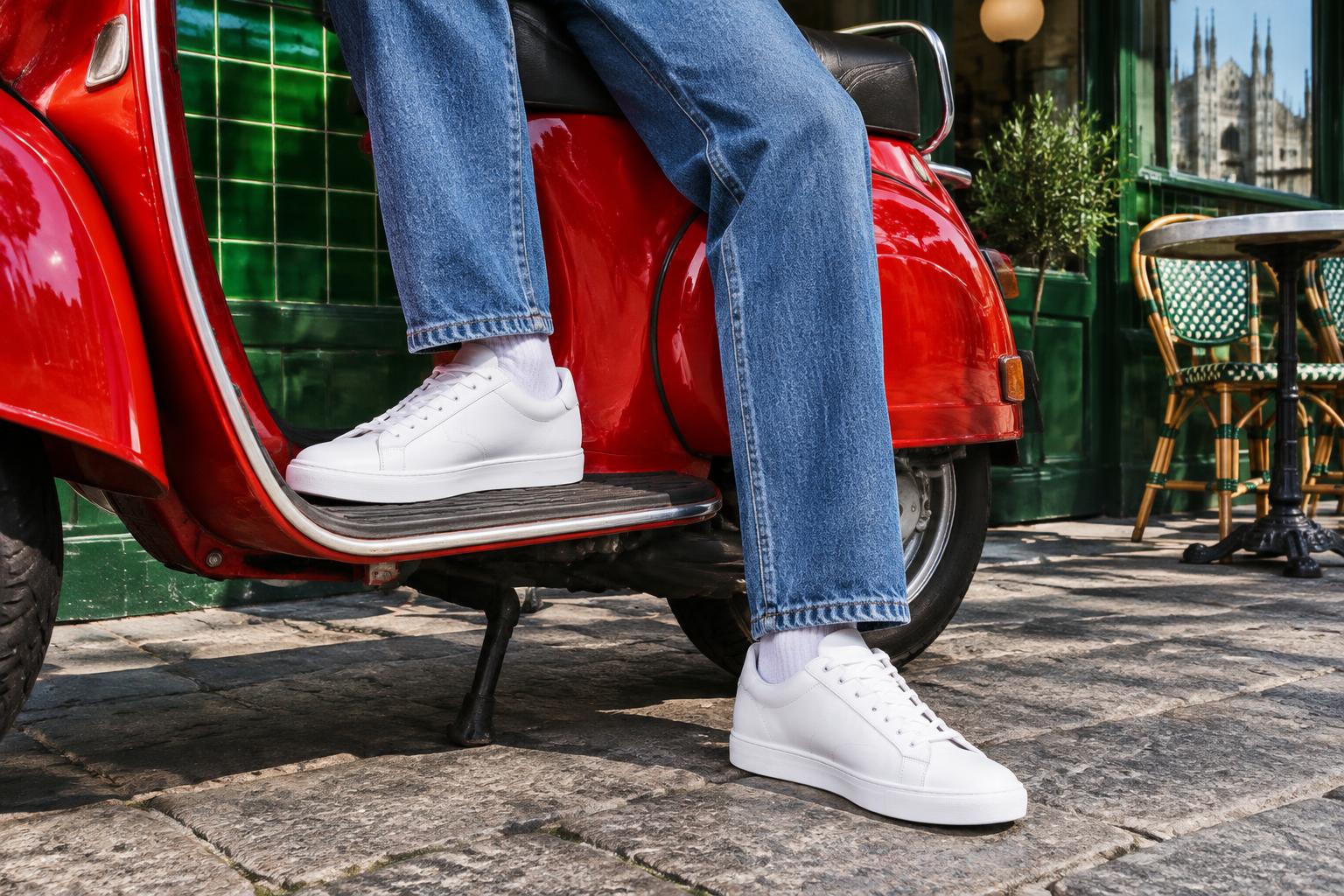
Denim appears at every NYFW, often dressed up. Straight-leg and barrel-leg jeans pair with sharp shirts and heels, or with a tailored jacket and loafers. Dark, clean washes read as evening-ready. Lighter washes feel more daytime and downtown.
Slip dresses and fluid skirts
Satin and bias-cut pieces are a quiet fixture, usually broken up with something sturdy on top, such as a chunky knit, a bomber or a boxy blazer. The contrast between delicate and rugged is a signature New York move.
Footwear that can walk
Pointed flats, low block heels, loafers, sleek sneakers and boots with a flat or stacked sole show up far more often than stilettos. Comfort is not a compromise here; it is part of the look.
Seven outfit formulas to borrow
Use these as starting points, then adjust for your own wardrobe and climate.
- The sharp daytime uniform. Straight-leg pants, a crisp white shirt, a longer blazer, loafers. Add one accent, such as a bold belt or sunglasses.
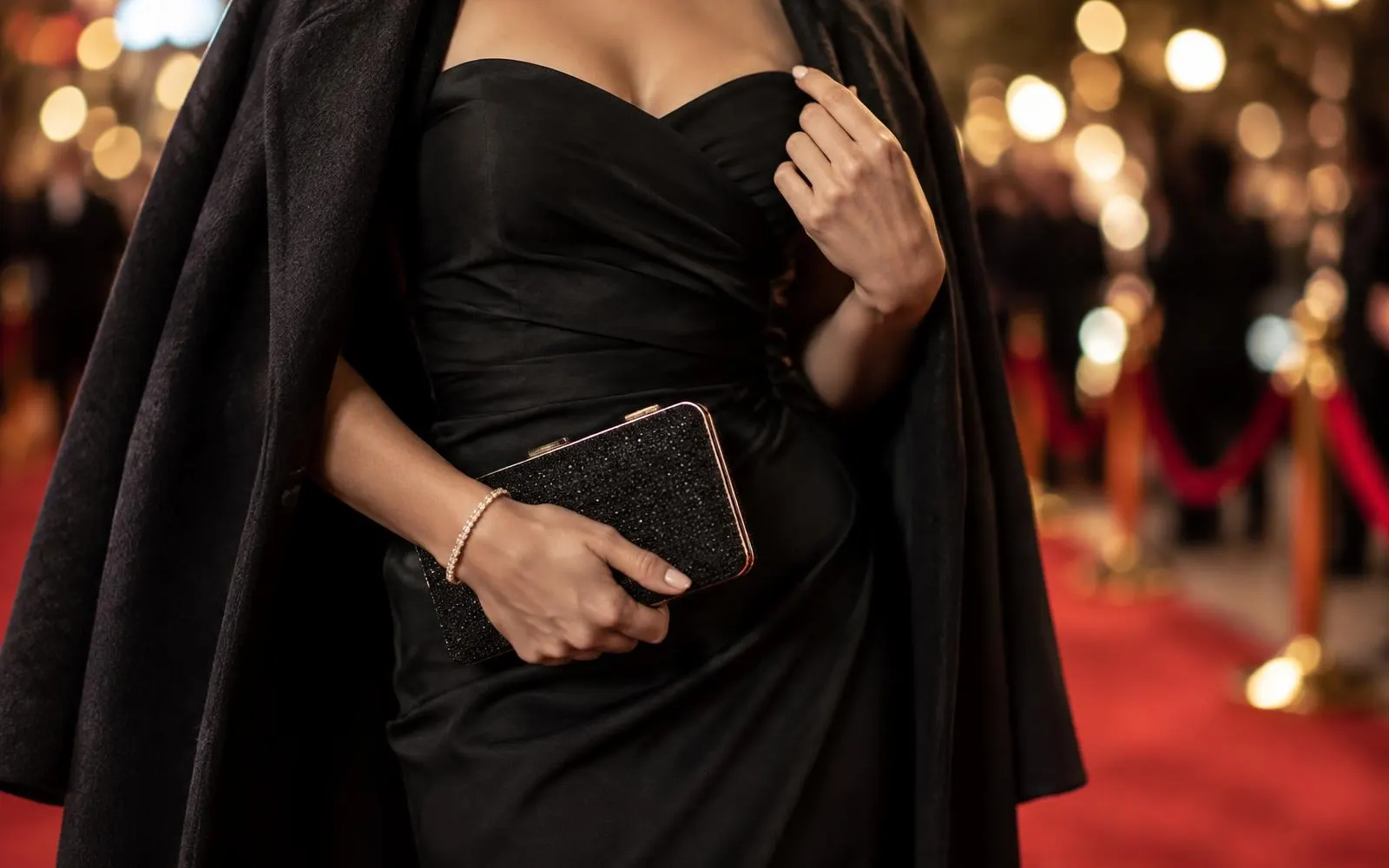
- The relaxed evening look. Slip skirt, fitted knit or bodysuit, leather jacket, low heel or boot. Keep jewelry simple.
- The monochrome set. Head-to-toe in one color family, with different textures to avoid flatness: wool, knit and leather in cream, camel or black.
- The denim and tailoring mix. Dark jeans, a structured blazer, a silk or poplin shirt, pointed flats.
- The oversized outer layer. A big coat or trench over a slim base of leggings-style pants or a straight skirt, with a bag you can carry across the body.
- The dress with attitude. A midi dress worn with a rugged jacket and sturdy boots, or with sleek sneakers for the walking-heavy days.
- The knit-led layering look. A fine knit under a shirt collar, a vest or gilet on top, wide pants and a loafer with a thicker sole.
How to dress for the weather New York throws at you
New York fashion week street style is inseparable from the forecast. September can be warm and humid, while February is often cold, windy and sometimes snowy. Build a plan around the season rather than a single outfit.
September-season approach
Light layers are the key. Think lightweight pants, a breathable shirt, a thin jacket and a shoe you can walk in for hours. Fabrics such as cotton, linen blends and fluid viscose help in heat. Bring a compact layer for air-conditioned venues, which can feel cold after the street.
February-season approach
Plan for warmth first, then style. A warm coat, thermal-friendly layers, boots with grip and a scarf or hat you actually like. Tights or lined pants under a skirt make the look feasible. A coat you love is worth more than three outfits you cannot stand outside in.
Rain, wind and the in-between
An umbrella is not glamorous, but a good trench, a hooded coat or water-resistant boots keep a look intact. Choose bags that can handle damp weather, and avoid anything that stains easily if you plan to be outside.
What to wear to fashion week if you are attending
Whether you hold an invitation, you are heading to a public event or you simply want to be in the city while it is happening, the same principles apply. If you are wondering what to wear to fashion week, start with the day, not the dress code.
- Plan around your commute. You may move between boroughs or neighborhoods in a single day. Choose shoes with that in mind.
- Choose a bag that works hard. A structured shoulder bag or a roomy tote holds a phone charger, water, lip balm and a small umbrella. Crossbody styles keep hands free.
- Dress for standing and sitting. Seats can be tight, and waiting time can be long. Avoid anything that rides up, restricts movement or needs constant adjusting.
- Keep one polished item in your bag. A scarf, a pair of earrings or a fresh lipstick can transition a day look to an evening one.
- Build outfits you can repeat. You do not need a different look for each event. Re-wearing key pieces with different layers is normal, and it is smarter than overpacking.
For logistics around tickets, access and how events are organized, see our guide to New York Fashion Week tickets. For timing, check the official calendar and read our overview of the New York Fashion Week schedule.
Colors, textures and accessories
Palettes tend to be grounded. Black, white, camel, navy, gray and olive anchor many outfits, with an occasional pop of red, cobalt or a bright pastel. Texture does the heavy lifting: leather against cotton, wool against satin, knit against denim.
Accessories are efficient rather than excessive. Sunglasses are almost a uniform, especially for daytime. Belts redefine a long coat or a boxy blazer. Scarves add color and warmth. Jewelry leans toward a few strong pieces, such as sculptural earrings or chunky chains, rather than layers of delicate items.
Bags tend to be roomy and structured, or slouchy and soft. The common thread is that they are genuinely used, not held for the camera.
Fashion week outfits on a realistic budget
Street style can look expensive, but the underlying formula is accessible. The common thread is fit and fabric, not label.
- Invest in the outer layer. A good coat or blazer anchors everything else, and it lasts for years.
- Buy basics in quality fabrics. A well-cut white shirt, a dark pair of jeans and a pair of reliable boots are worth paying more for.
- Mix in secondhand and vintage. Leather jackets, wool coats and belts often have more character secondhand, and they tend to be better made.
- Tailor what you own. Taking up a hem or nipping in a waist can transform a mid-range piece.
- Edit your accessories. One strong bag and one good pair of sunglasses do more than many average extras.
Common mistakes to avoid
- Overdressing for the idea of a show. Real street style is wearable. A gown on a rainy sidewalk looks forced.
- Ignoring shoes. Nothing ruins an outfit faster than visible discomfort.
- Piling on trends. Wearing five directions at once muddies the point. Choose one focal piece.
- Forgetting fabric care. Delicate fabrics wrinkle quickly in bags and on trains. Choose materials that recover well.
- Skipping the layers. Venues can swing between cold and stuffy, so dress in pieces you can remove.
How to follow NYFW street style from home
You do not have to be in New York to enjoy the looks. Editorial photo galleries, social feeds and magazine round-ups document the sidewalks every season. Watch for repeating details across photographs: a particular shoe shape, a way of tying a scarf, a consistent hem length. Repetition tells you more than any single standout outfit.
For the wider context of the event, our New York Fashion Week 2026 guide explains how the season works, and the New York Fashion Week hub gathers everything in one place. If you want to compare cities, Paris fashion week street style offers a very different, more tailored and romantic counterpoint.
Frequently asked questions
What is NYFW street style?
NYFW street style refers to the outfits people wear on the streets around New York Fashion Week venues, including editors, buyers, stylists, creatives and guests. It is documented by photographers each season. The look usually mixes practical layers, sharp tailoring and comfortable shoes.
What do people wear to New York Fashion Week?
Most people wear polished but wearable outfits: tailored pants or jeans, a blazer or coat, a clean knit or shirt, and shoes they can walk in. Outerwear plays a big role because of the weather. Many guests repeat key pieces with different layers across the week.
How can I copy NYFW street style on a budget?
Focus on fit, fabric and one standout piece rather than head-to-toe labels. Buy the best coat or blazer you can afford, then build around it with basics. Secondhand shops and a good tailor are your best allies.
Do I need to dress up to attend a show?
Not necessarily. Guests are expected to look considered, but comfort matters. Always check the specific invitation or event guidance, since requirements vary.
The takeaway: wear the idea, not the occasion
The strength of NYFW street style is its honesty. It shows what happens when good clothes meet a demanding city. Choose a hero piece, keep your shoes sensible, layer for the weather and let the rest stay simple. That approach works at a show, at the office or on an ordinary Tuesday.