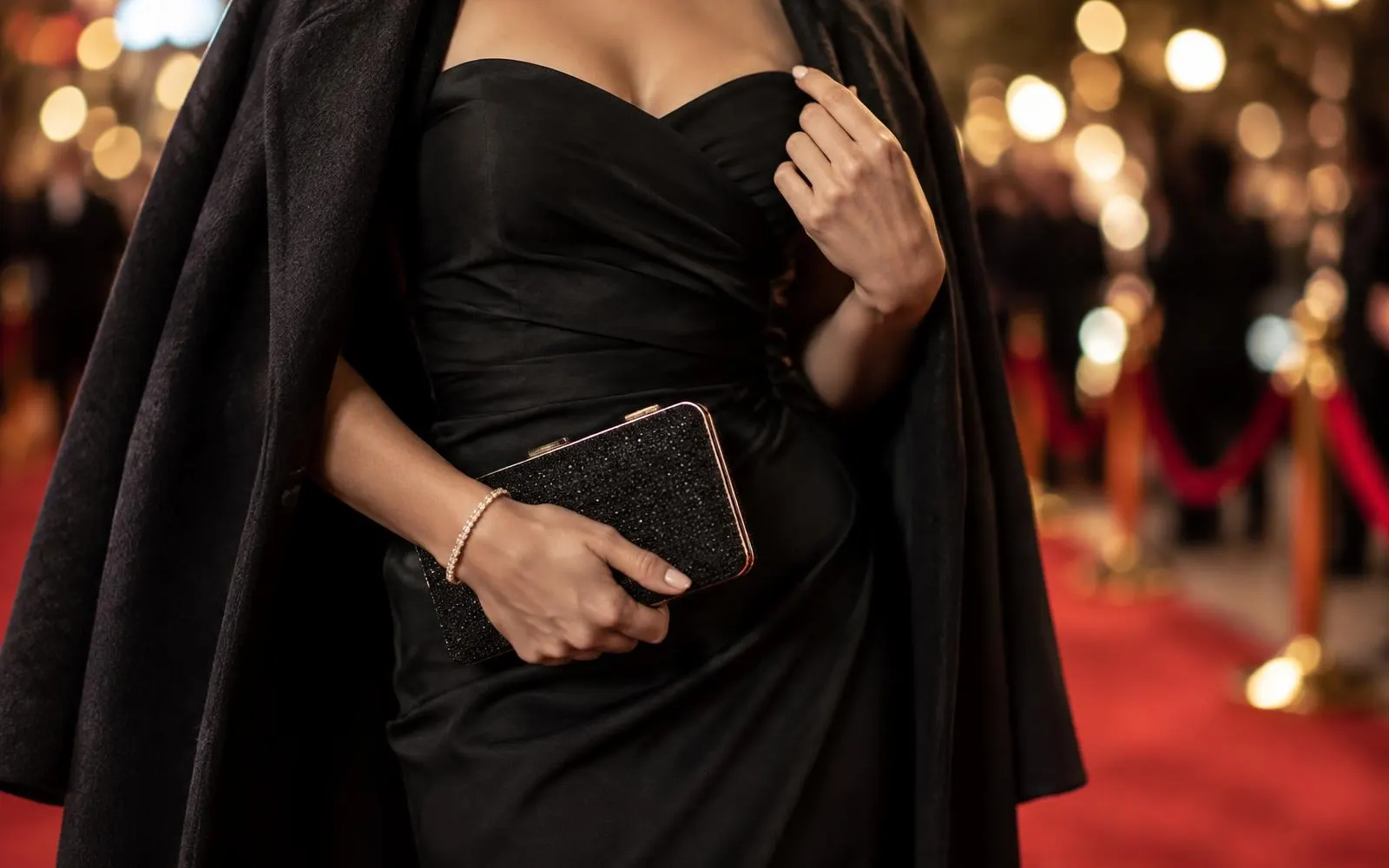
New York Fashion Week tickets are not sold the way concert or theater tickets are. Most runway shows are invitation-only, while a smaller set of public events, talks and experiences may be open to ticket buyers. Understanding that split saves you time, money and disappointment.
This guide explains how attendance works, which kinds of NYFW events are open to the public, how to avoid common pitfalls and what to do if you cannot get in. It also shows how to enjoy the week fully from outside the venue doors.
Formats, organizers and access rules change from season to season, so use this as a framework and confirm every detail with the official sources.
How attendance at NYFW works
Fashion week was designed as a trade event. Shows exist so that editors, retail buyers, stylists, influencers and other industry guests can see collections before they reach stores. For that reason, most shows are invitation-only, and the guest list is managed by each brand or its public relations team.
Seating is assigned by the brand, which is why you often see guests arranged in rows according to their role. Access to a show is therefore a matter of invitation, not purchase.
Why a "ticket" is not the usual route
If you search for NYFW tickets, you will find mixed results. Some are legitimate listings for official public events. Others are third-party offers that cannot guarantee entry to a runway show. Be careful: a runway invitation generally cannot be bought or transferred, and a seller promising a front-row seat is a warning sign.
What is open to the public
While most runway shows are closed, fashion week has expanded in recent years to include more public-facing activity. Depending on the season, these may include:
- Ticketed shows or experiences. Some organizers and brands occasionally offer limited public access to a show or showcase.
- Panels and talks. Conversations about fashion, business and culture, sometimes open to a general audience.
- Pop-ups and shopping events. Brand pop-ups, sample sales and shopping evenings that welcome visitors.
- Exhibitions and installations. Art and design events that run alongside the shows.
- Digital access. Livestreams and online showcases that anyone can watch for free.
The availability of these events varies by season and by organizer. For the latest, check the official calendar, which is also covered in our New York Fashion Week schedule guide.
How to find legitimate NYFW events
- Start with the official calendar. It lists shows, presentations and events, and often notes whether an event is public.
- Follow the brands you like. Designers announce open events, pop-ups and livestreams through their own channels.
- Check venues and organizers. Galleries, hotels and event spaces sometimes publish public programming tied to the week.
- Use official ticketing pages. If an event is ticketed, tickets should be sold through the organizer or an authorized platform.
- Verify before you pay. Look for clear details about what the ticket includes and a refund policy.
Official ticketing and schedule transactions are handled by the organizers, so this guide does not list or sell tickets. It simply shows you where to look.
Red flags to avoid
- A seller who guarantees a front-row or runway seat.
- A listing with no details about the date, venue or format.
- A request to pay by an untraceable method.
- A price that seems unusually high for a public event.
- A site with no clear connection to an organizer, brand or venue.
If something feels off, step back and check the official calendar.
What a typical week of events looks like
Runway shows and presentations
These form the core of the week. Runway shows are large, timed events, while presentations are more relaxed and may allow guests to move around and meet designers.
Industry gatherings
Panels, brand dinners and launches fill the evenings. Many of these are private, but some are open or livestreamed.
Public programming
In recent seasons, organizers have sought to broaden participation with more open events. Check what is on offer each cycle rather than assuming it will repeat.
Outside the venues
Some of the best atmosphere happens on the sidewalk. Guests arrive in carefully chosen outfits, and photographers capture the scene. Our guide to NYFW street style explains what to look for.
How to enjoy the week without a ticket
You do not need a seat to take part.
- Watch the livestreams. Many brands broadcast shows on their own channels.
- Follow editorial recaps. Fashion media publish full collections, details and reviews quickly.
- Visit boutiques and galleries. Retailers often hold events or special displays during the week.
- Explore the neighborhoods. The streets near major venues are lively, and the city's fashion districts are worth a walk at any time.
- Learn who is showing. Read up on the designers before the week begins so that you recognize their work. Our guide to New York Fashion Week designers is a useful starting point.
What to wear if you do attend an event
If you secure access to a public or ticketed event, dress for comfort and for the setting.
- Shoes you can stand in. Queues and standing time are common.
- Layers. Venues can be warm or cool, and February in New York is cold.
- A small bag. Large bags can slow security checks.
- An outfit that feels like you. Fashion week rewards personal style more than trend-chasing.
Understanding the different access levels
Fashion week access is layered, and knowing the layers helps you set realistic expectations.
Front-of-house guests
These are the editors, retail buyers and close contacts of a brand. They receive seats directly from the brand and are seated according to the brand's priorities.
Standing and general-admission guests
Some shows have standing areas or secondary seating for a wider group of guests, again assigned by invitation. These are not available for purchase through resellers.
Public ticket holders
Where public events exist, ticket holders enjoy a defined experience: perhaps a showcase, a talk or an exhibition. The format, length and what is included are set by the organizer, so read the description carefully. Do not assume a public ticket opens the door to other events during the week.
Remote viewers
Anyone with an internet connection can watch livestreams and recaps. For many readers, this is the most reliable and rewarding way to experience the week.
Questions to ask before you pay for anything
Before you buy any NYFW-related ticket, run through this short checklist.
- Who is the organizer, and can I find them on the official calendar?
- What exactly does the ticket include, and for how long?
- Is there a clear date, time and venue?
- What is the refund or cancellation policy if the event changes?
- Is the payment method secure and traceable?
If you cannot answer these questions, wait. There will always be another way to follow the week.
Planning around the calendar
NYFW takes place twice a year, usually in February and September, as the first stop in Fashion Month. If you want to be there in person, plan accommodation and travel early, since the city fills up during these weeks. Our overview of New York Fashion Week 2026 explains how the season fits into the year.
Related coverage
For all our coverage of the event, visit the New York Fashion Week hub.
Frequently asked questions
Can you buy tickets to New York Fashion Week?
Not for most runway shows, which are by invitation. Some public events, talks and experiences are ticketed, so check the official calendar and use authorized sellers.
How do people get invited to NYFW shows?
Invitations are issued by brands and their representatives to guests such as editors, buyers and stylists. They are not generally available for purchase.
Are there NYFW events for the public?
Yes, depending on the season. These can include panels, pop-ups, exhibitions and a limited number of ticketed experiences, along with free livestreams.
How can I avoid ticket scams?
Use the official calendar and authorized sellers, be wary of anyone promising runway seats, and check the details of what a ticket includes before paying.
The takeaway
New York Fashion Week tickets work differently from other events: runway shows are largely by invitation, while a growing set of public events and online access opens the week to everyone else. Start with official sources, stay cautious about resellers, and enjoy the parts of the week that are open to you.