New York Fashion Week 2026 has already had its autumn moment, with the September season behind us as we write in late October. That makes this a good time to understand how the week works, what usually happens during it and how to follow the next one properly rather than scrambling for information in the final days.
This guide explains where New York Fashion Week sits in the fashion calendar, how the week is organized, what kinds of shows and events you can expect and how to follow it from home or in person. We don't list exact dates, venues or line-ups here, because those are set and updated by the organizers. Always confirm details with official sources.
Where New York Fashion Week sits in the calendar
New York Fashion Week, often shortened to NYFW, is the first stop in the four-city fashion month, followed by London, Milan and Paris. It happens twice a year. The autumn/winter collections are typically presented in February, and the spring/summer collections in September, with the exact dates changing each season.
Each season, designers show collections for the coming one or two seasons ahead. The September edition previews the following spring and summer, while the February edition looks ahead to autumn and winter. That is why runway coverage often feels out of step with the weather outside.
New York has its own personality within this circuit. It is known for a commercial, wearable approach, a strong American sportswear tradition, emerging talent and a mix of established houses with independent labels. It is also the city where fashion, media, retail and entertainment overlap most visibly.
Why the calendar moves
The schedule changes between seasons. Designers may skip, move or reshape their shows, and some choose different formats, such as presentations, films or private appointments. Dates also shift to avoid clashes with other events. For this reason, treat any list of dates as a snapshot and check the official calendar for the latest version. We cover the structure in more detail in our guide to the New York Fashion Week schedule.
How the week is organized
A fashion week is not one event but a cluster of them. Understanding the types of programming helps you follow along.
Runway shows
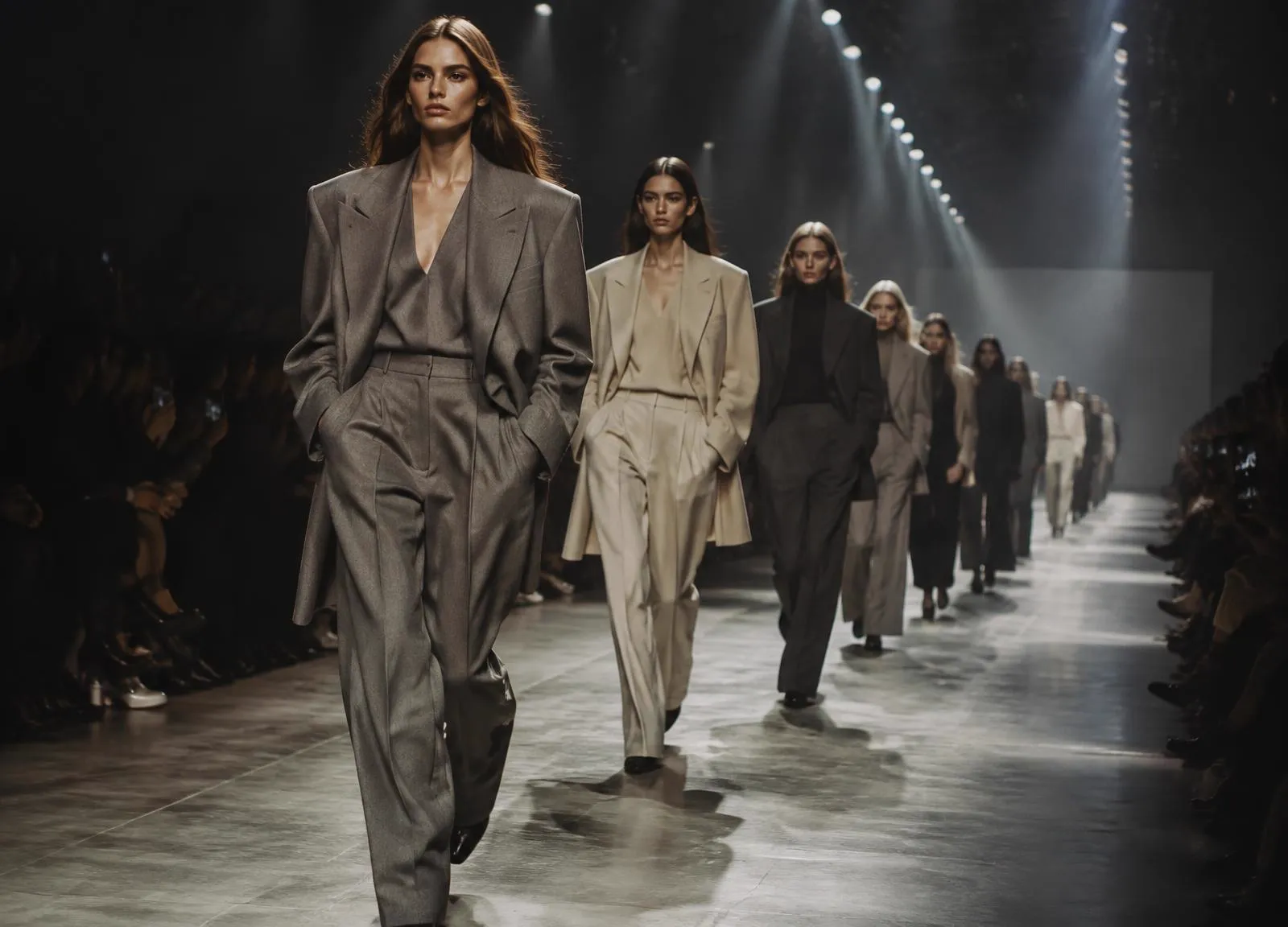
A runway show is a staged presentation of a collection, usually lasting under half an hour. Models walk in a set order, with styling, music and casting chosen to express the designer's idea. Shows are typically for an invited audience of buyers, editors, stylists, clients and guests.
Presentations
Some designers prefer a more intimate presentation, where models or mannequins are positioned in a space, and guests move around at their own pace. It lets you see clothes up close and talk to the team.
Showrooms and appointments
Behind the scenes, much of the business happens in showrooms. Buyers and press meet designers, view the collection and place orders. This part of the week is less visible but is central to how fashion works as an industry.
Events and parties
Alongside shows, there are talks, panels, launches, dinners and brand events. Some are invitation-only, others are open to the public or promoted via ticketing. We explain how attendance works in our guide to New York Fashion Week tickets.
Digital and film formats
Many designers share their shows online through livestreams, films or social posts. This makes it easier than ever to watch from home, even if you aren't in the room.
Who shows in New York
The designer mix in New York changes season by season. In general, you can expect:
- Established American labels presenting polished, wearable collections.
- Emerging designers using the week to gain visibility, often with new ideas about silhouette, material and community.
- Independent and values-led labels focused on craft, inclusivity or sustainability.
- Guest designers from outside the US who choose New York for a season.
Because line-ups are fluid, we don't attempt to list them here. For a closer look at who tends to take part and how to find the current roster, see our guide to New York Fashion Week designers.
What to know if you want to attend
Most runway shows are not open to the general public. Access is usually by invitation, extended to industry professionals, press, buyers, stylists and selected guests. That said, there are routes for fans and students, such as public-facing events, pop-ups and partner programs that sometimes appear around the week.
If you're planning to go, keep a few practical points in mind:
- Check official sources. The organizers and designers publish information about events, ticketing and public programming.
- Be careful with unofficial sellers. If a seller claims to offer access to shows, verify through official channels before paying.
- Plan for the city. Getting around can take time. Allow generous travel between events, and expect delays.
- Dress for movement. You'll be walking, waiting and standing, often outdoors. Comfortable shoes matter.
- Be flexible. Schedules change, shows start late and plans shift.
If you're not attending in person, there's still a lot to enjoy from home, from livestreams to street style coverage.
How to follow New York Fashion Week from home
You don't need an invitation to follow the week. Here's how to stay in the loop.
- Use official calendars. The organizers publish the schedule, and designers announce their own plans on their channels.
- Watch livestreams and films. Many brands share their shows online, so you can watch them live or later.
- Follow fashion media. Magazines and websites publish show reviews, galleries and analysis.
- Check designers' social channels. Behind-the-scenes content gives context you won't see on the runway.
- Pay attention to street style. Photographers capture what attendees wear outside the venues, which often tells you as much as the runway.
Editorial highlights: what the week tends to show
Every season has its own mood, but certain themes recur in New York. Rather than point to specific looks, here are the directions the week typically explores.
Wearability
New York has a strong reputation for clothes that work in real life. Expect tailoring, knitwear, denim, outerwear and polished separates, often styled with an eye on everyday wear.
Ease and sportswear
The city's sportswear heritage runs through its collections. Relaxed shapes, comfortable fabrics and layers that move with the body show up season after season.
Craft and materials
Designers often highlight texture, handwork and fabric innovation. Look for interesting knits, supple leathers, structured cottons and fluid fabrics.
Evening and occasion
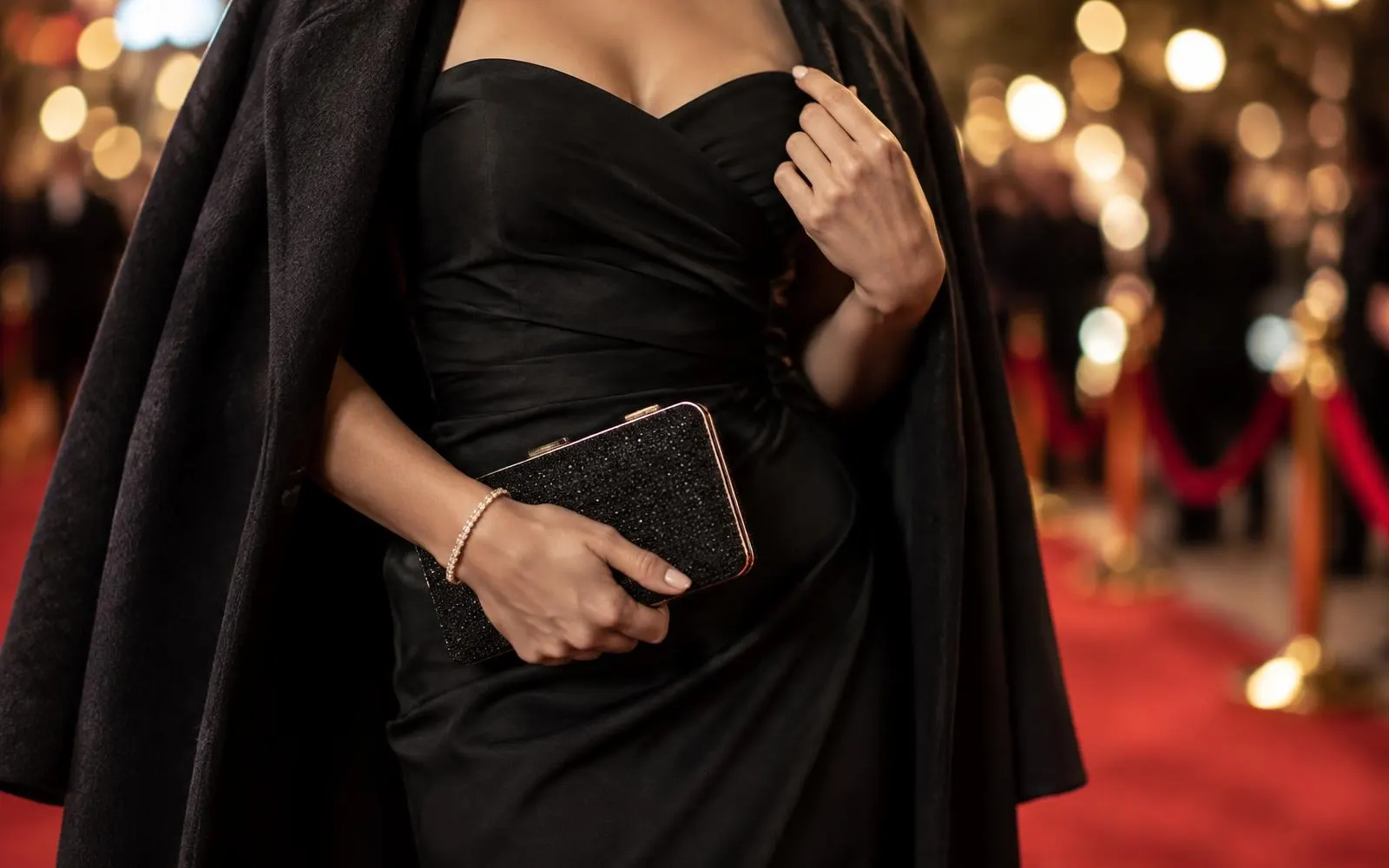
Alongside daywear, expect eveningwear that ranges from sleek and minimal to dramatic and embellished.
Inclusivity and casting
Many shows now feature a wider range of ages, sizes and backgrounds. Casting is part of the story, and it influences how clothes are read.
Street style and trend context
Outside the venues, attendees, editors and creatives create a second show. Street style is useful because it tells you which runway ideas people actually wear. It is also a place where trends are tested, with unexpected combinations and personal twists.
For more on what people wear around the shows, see our guide to NYFW street style. For general trend reporting, our Trends coverage looks at silhouettes, colors and materials across the whole fashion month.
How to use runway ideas in your own wardrobe
You don't need a runway budget to take something from fashion week. Try these approaches:
- Pick one idea. A color, silhouette or texture, rather than the full look.
- Anchor it with basics. Pair a bold piece with plain denim, tailoring or knitwear you already own.
- Focus on fit. A well-fitting piece often reads as more current than a trend-driven one.
- Edit. Choose what suits your life, not just what's new.
- Shop your closet first. Reworking existing pieces is the most sustainable route.
How New York Fashion Week compares with other fashion weeks
| Fashion week | General character |
|---|---|
| New York | Commercial, wearable, sportswear-driven, home to emerging talent |
| London | Creative, youthful, known for experimentation and new designers |
| Milan | Craft, tailoring, leather and polished luxury |
| Paris | Couture heritage, large houses and high drama |
These are broad impressions, not rules, and each city includes a range of styles. Following all four gives the fullest picture of where fashion is heading.
What to expect from the next edition
Fashion weeks continue to evolve. Expect more digital sharing, more attention to sustainability and ethical questions, and a continued mix of traditional runway shows and alternative formats. The next season will likely follow the usual pattern, with the February presentations looking toward autumn and winter. Watch for the official calendar to be published in the weeks before.
If you want to prepare, do a few things in advance: follow the official channels, bookmark your favorite designers' pages, and decide how you want to engage, whether by watching, reading or shopping.
Frequently asked questions
When is New York Fashion Week?
It takes place twice a year, usually in February for autumn/winter collections and in September for spring/summer. Exact dates change each season, so check the official calendar for the current schedule.
Can the public attend New York Fashion Week?
Most runway shows are by invitation. Some public events, ticketed programs and partner activities appear around the week, but availability varies. Confirm details through official sources.
What does New York Fashion Week 2026 mean for what I wear?
Runway collections preview upcoming seasons, so the ideas filter into stores and street style over the following months. Take direction from silhouettes, colors and textures rather than copying a full look.
How can I watch New York Fashion Week online?
Many designers and media outlets share livestreams, films and highlights. Follow official channels and fashion publications to see shows during or after the week.
Which comes first, New York or Paris?
New York opens the fashion month, followed by London, Milan and Paris. The order stays consistent, though specific dates vary each season.
The takeaway
New York Fashion Week 2026 is best understood as a rhythm rather than a single event: two seasons a year, a mix of shows, presentations and events, and an influence that spreads through street style and stores. Follow the official sources, watch what interests you and take one idea at a time into your own wardrobe. For ongoing coverage, visit our full New York Fashion Week hub.