Fashion trends 2026 are less about one dramatic silhouette and more about a shift in mood. Clothes look easier, textures feel softer, and polish comes from proportion and fabric rather than from loud styling. If you want a clear picture of what is shaping wardrobes this year, and which ideas are worth buying into, this is the overview.
We have sorted the current fashion trends into the pieces, colours, materials and accessories that appear again and again across the runways, street style and the British high street. Where a trend is season-specific, we point you to the dedicated guide so you can go deeper without wading through repetition.
The biggest fashion trends of 2026
Think of the year as three overlapping ideas. First, relaxed tailoring: jackets and trousers cut with room, worn with softness rather than stiffness. Second, tactile dressing: suede, brushed knits, fluid satin, crinkled cottons and anything that looks good in close-up. Third, personal finishing touches, from brooches to quirky shoes, that stop a pared-back outfit from feeling anonymous.
What ties these together is wearability. The women's fashion trends 2026 conversation keeps returning to clothes that move well, layer easily and suit British weather, which rarely respects a single season.
Runway-to-real-life signals
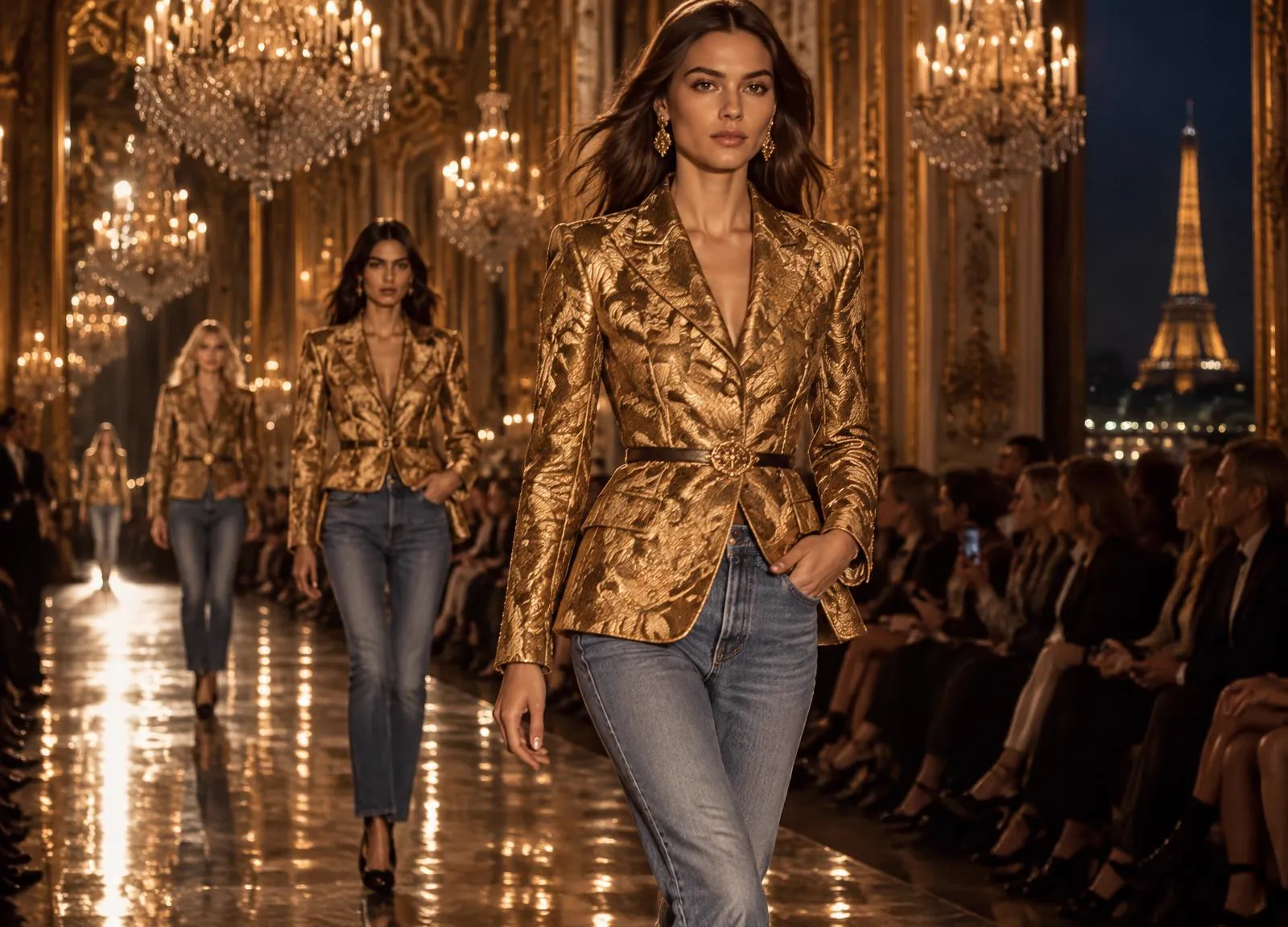
Trends worth trusting tend to show up in three places at once: on designer catwalks, in street style photographs, and eventually in ordinary shop windows. When a shape or colour appears in all three, it is usually more than a passing moment.
This year, the signals are consistent. Looser trousers, soft jackets, ballet-influenced flats, slouchy bags and tonal colour palettes all turn up well beyond the catwalk. That is a good sign for anyone who dislikes buying into something that will look odd in twelve months.
Trends with staying power
A simple test helps: ask whether the item works with at least three things you already own. A wide-leg trouser, a soft blazer or a pair of polished flats passes easily. A one-off novelty piece does not. Spend your budget on the first group and treat the second as a bit of fun.
Key silhouettes and pieces
Relaxed tailoring
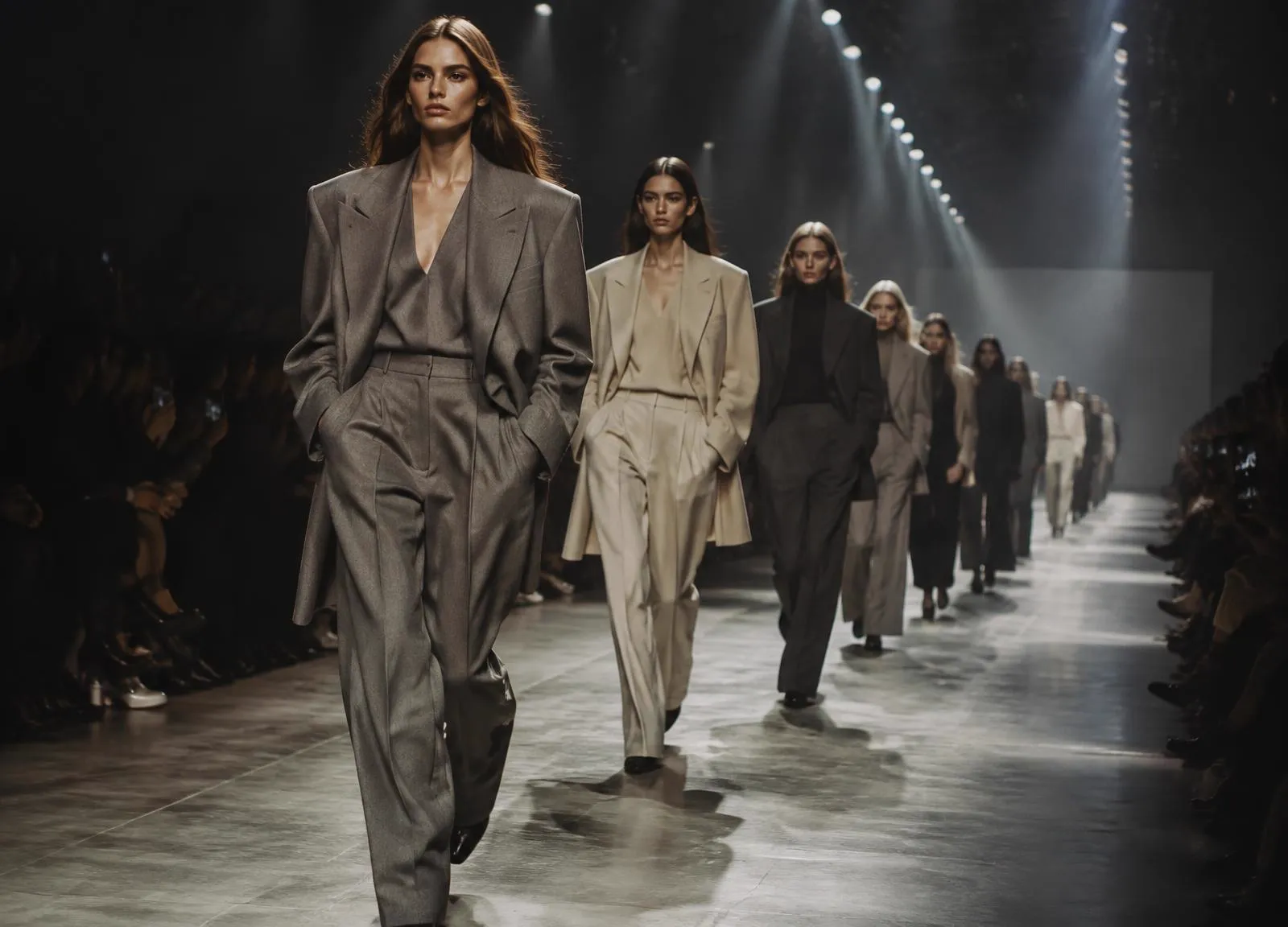
Tailoring remains central, but the mood has softened. Think single-breasted jackets with a slightly longer line, shoulders that sit naturally, and trousers with a generous leg. The look reads as considered rather than corporate, and it works as well with a T-shirt and trainers as with a silk blouse.
If you are updating a work wardrobe, start here. A well-cut jacket in a neutral shade is the most flexible piece you can add, and it bridges every season from spring to deep winter with the right layers underneath.
Wide and barrel trousers
Volume below the waist continues to define the year. Wide-leg and barrel shapes both feel current, with fuller thighs and a slightly narrower hem in the barrel version. Slim cuts have not vanished, but they now feel like a deliberate choice rather than the default.
Balance matters. Pair a fuller trouser with something fitted or cropped on top, or keep the line long and fluid with a tucked-in knit. The principle is simple: if the leg is generous, keep the waist defined and the shoe visible, so the proportions read as intentional rather than baggy.
Fabric makes a large difference. A heavier wool or crepe-like cloth drapes cleanly and holds a crease, while a thin, clingy fabric collapses into the movement of the leg. Try the trouser sitting and walking before you buy, and check that the hem skims your shoe at the height you plan to wear.
Dropped waists and fluid dresses
Dresses are moving away from heavily structured shapes towards fluid lines: slips, bias cuts, relaxed shirt dresses and the occasional dropped waist. They are easy to layer, which is exactly why they suit the UK. A knit over a slip dress or a jacket over a shirt dress takes either from day to evening.
Soft outerwear
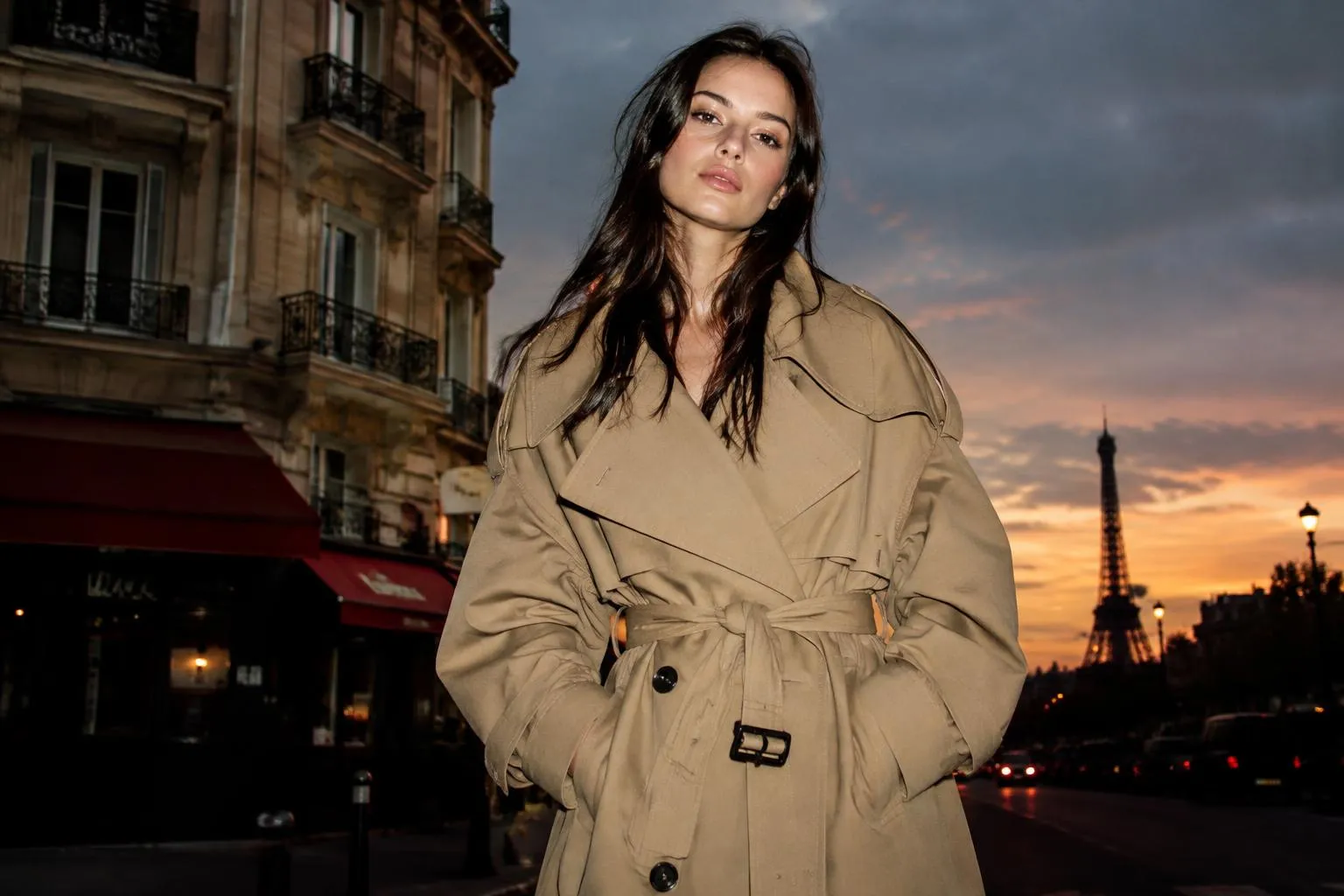
Outerwear is a strong signal this year because it is where tailoring, texture and practicality meet. Cropped jackets, unlined mac shapes, suede and shearling-style finishes, and longer coats with an easy fall are all in the conversation. If you are planning a lighter-weight layer, our look at spring jacket trends 2026 shows how those shapes translate into wardrobe staples.
Colours and materials
A warmer, softer palette
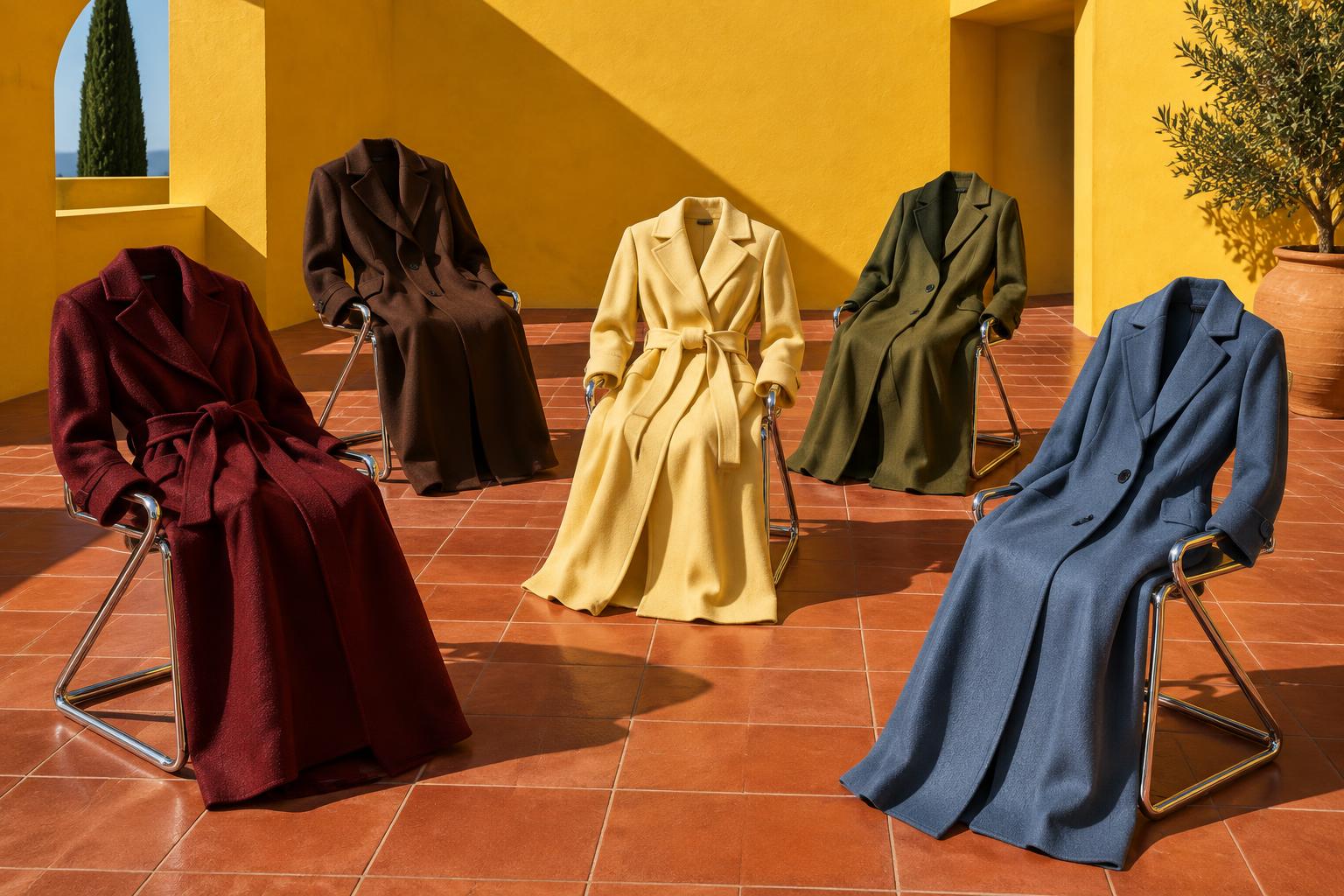
The colour story is grounded and flattering. Chocolate brown, cream, stone, caramel and soft grey sit alongside deeper tones such as burgundy and forest green. These shades mix easily, which makes them practical: build around two or three and almost everything you own will work together.
Colour is not absent, it is simply more selective. A single bright piece, a vivid bag or a pair of coloured shoes, tends to look more current than a head-to-toe block of saturated colour.
Tonal dressing
Wearing several shades of one colour is one of the easiest ways to look put-together. Choose pieces that differ slightly in tone and texture, such as a cream knit with ivory trousers or a brown suede jacket over a chocolate skirt. The variation keeps the outfit from looking flat.
Texture over pattern
Suede, leather, brushed wool, satin, lace, crinkled poplin and sheer layers appear throughout the season-by-season trend reports. Pattern is present, with stripes and the odd print, but texture is the more reliable way to look current.
A few materials to look for:
- Suede and suede-effect finishes for jackets, bags and shoes, which add warmth to neutrals.
- Fine knits and brushed wool for layering, particularly in softer shades.
- Sheer and semi-sheer fabrics, best worn over a slip or a fitted layer for coverage.
- Washed and crinkled cottons, which suit the creased, lived-in feeling of the year.
Accessories shaping the year
Shoes
Footwear is where the year feels most playful. Ballet-style flats, refined loafers, chunky-soled clogs and sandals with a considered, handcrafted look all feature. Slimmer, retro trainers sit alongside them for everyday wear. Our dedicated guide to shoe trends 2026 goes through each style and how to wear it.
Bags
Bags have grown softer and slouchier. Roomy totes and hobo shapes lead, while top-handle styles add structure. Mini bags still have a place, but practical capacity is winning. Choose leather or suede with a pliable hand and a neutral colour, then add personality through a charm or scarf.
Jewellery and finishing touches
Statement earrings, beaded necklaces, brooches and layered chains give simple outfits a point of view. The most wearable approach is to pick one focal point, such as a bold earring, and keep the rest quiet. Belts, scarves and sunglasses with a retro frame do similar work.
How to wear the trends now
Late October is a useful moment to take stock. The spring and summer looks are behind us and the colder months are here, so the aim is to carry the best of the year forward. If you want the lighter-weather picture, read our guide to spring summer 2026 fashion trends. For the cooler months, autumn winter 2026 fashion trends covers coats, knitwear and layering.
Three outfit formulas that work now
- Relaxed tailoring: soft blazer, wide-leg trousers, fine knit and loafers. Add a slouchy leather bag.
- Tonal dressing: cream or stone knit, matching trousers or skirt, and suede ankle boots in a deeper shade.
- Easy dress: a fluid midi dress with a cropped jacket on top and ballet flats or low boots below.
What to buy, and what to skip
Invest in pieces that fit several of the trends at once: a wide-leg trouser in a neutral shade, a soft jacket, a good bag and one pair of flattering flats or loafers. Skip anything that depends on a single styling trick or fits only one outfit. If you are shopping on the high street, check the fabric composition and the construction of seams and linings, because softness in a trend collapses fast if the cloth is thin.
Trends by budget
You do not need to spend heavily to wear the year well. At the entry level, put your money into the pieces that show most, such as a jacket or trousers in a fabric with some weight. In the mid-range, look for natural fibres and clean finishing on knitwear, shirts and shoes. For an investment piece, a coat, a leather bag or a pair of well-made loafers repays the cost through years of wear.
Adapting to your own wardrobe
You do not need to change everything. Start with the item you reach for least and ask what would make it feel current. Often the answer is a different shoe, a looser trouser or a swapped accessory. Trends work best when they sharpen what you already wear.
Frequently asked questions
What are the main fashion trends of 2026?
The year is defined by relaxed tailoring, wide and barrel trousers, fluid dresses, soft outerwear, tactile fabrics such as suede, and a warm neutral palette. Accessories bring the personality, particularly slouchy bags, ballet-style flats, loafers and statement earrings.
Which colours are in fashion in 2026?
Warm neutrals lead: chocolate brown, cream, stone and caramel, alongside deeper burgundy and green. Tonal outfits in a single colour family look especially current. One accent colour in a bag or shoe is usually enough.
Are skinny jeans and slim trousers out of fashion?
They have not disappeared, but looser shapes now feel more current. If you love a slim cut, balance it with a relaxed top or a longer jacket. Wide-leg and straight shapes are the easiest way to update your trouser drawer.
How do I follow fashion trends without overspending?
Focus on versatile pieces that suit several trends at once, such as a neutral tailored jacket or a good leather bag. Add one or two seasonal accents in accessories. Check fabric quality and fit before the trend appeal.
In summary
The fashion trends of 2026 reward a calm, considered approach: relaxed tailoring, tactile fabrics, warm neutrals and a few distinctive accessories. Use this page as your map, dip into the season and product guides for detail, and browse the full Trends of the Year section for more.