The spring jacket trends 2026 brought were less about a single standout coat and more about a handful of dependable shapes: cropped and boxy cuts, utility pieces, relaxed leather, lightweight macs and softer tailoring. Spring has now passed, but these jackets were built to last beyond one season, and most work just as well in the milder days of autumn or next March.
This guide explains each shape, how to wear it, and how to choose between them for British weather, where a spring jacket has to cope with sun, showers and a wind that arrives without warning. If you are working out where outerwear fits in the bigger picture, our spring summer 2026 fashion trends round-up covers the full season.
The key spring jacket ideas
The cropped and boxy jacket
A short, slightly boxy jacket that finishes at the waist or just below remains one of the easiest shapes to wear. It works because it shows off the trousers or skirt beneath it and keeps proportions balanced. In cotton, wool blends or lightweight twill, it sits between a blazer and a coat.
Wear it with high-waisted trousers, a longer skirt or a midi dress. The cropped length also helps if you are shorter, as it keeps your legs visually longer.
The relaxed leather and suede jacket
Leather and suede jackets have settled into a softer, more slouchy mood. Look for roomy shoulders, a slightly dropped sleeve and a supple finish rather than a stiff, heavily structured biker. Brown, chocolate, tan and black all work, and the warmer shades tend to feel more current.
A leather jacket gives a plain outfit edge. Over a white tee and straight jeans it is simple and sharp; over a floral dress it adds contrast. Faux leather is an option if you prefer to avoid animal products, though quality varies, so check the finish and lining.
The utility and field jacket
Pockets, belts, drawcords and earthy colours define the utility jacket. Olive, khaki, stone and sand are the staples. It suits practical days, travel and weekends, and pairs naturally with wide-leg trousers and trainers.
To keep it polished, choose a version with a clean cut and minimal hardware, and tuck in a fine knit or a crisp shirt underneath.
The lightweight mac and trench
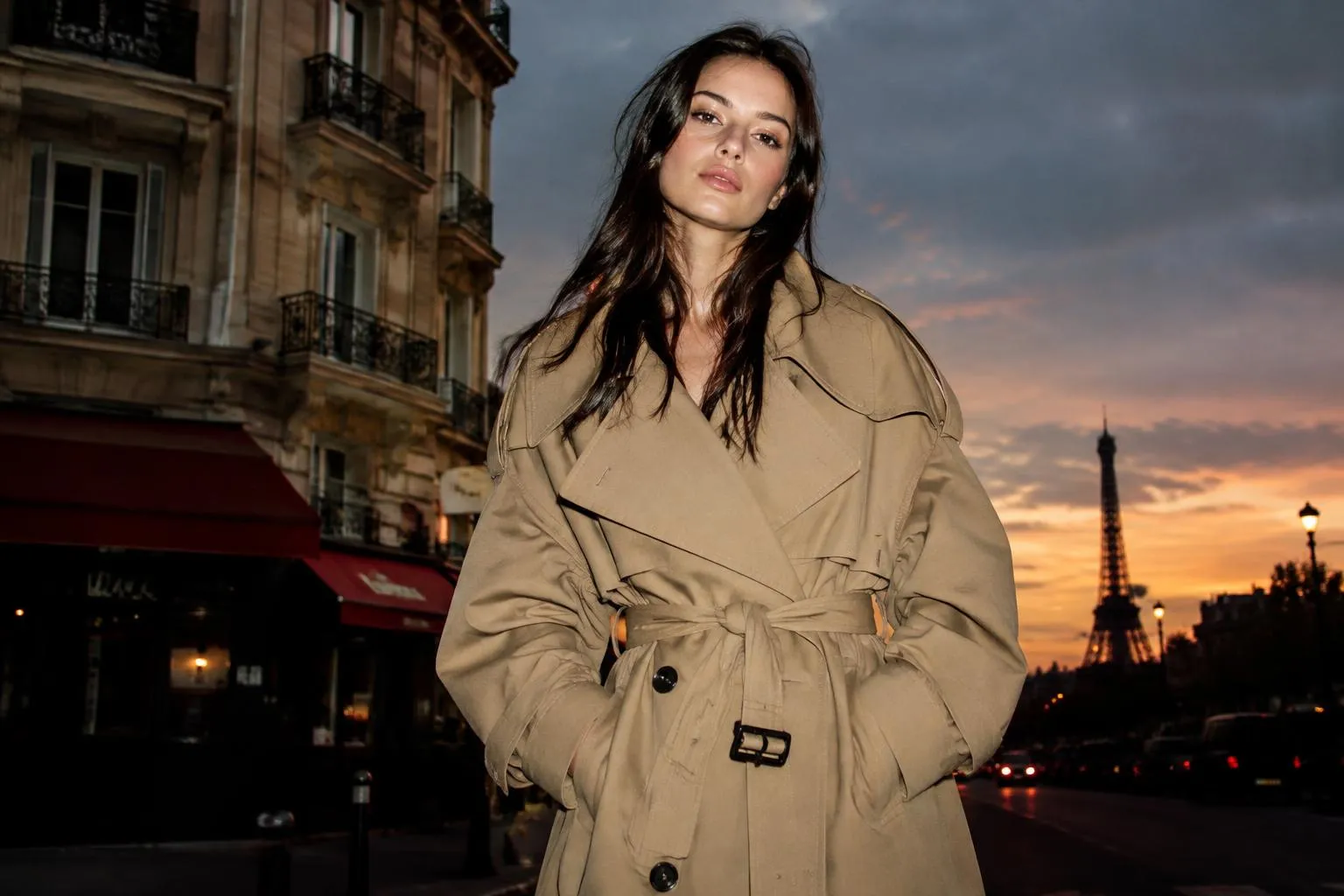
For British weather the trench or mac is close to essential. A lighter, unlined version in cotton gabardine or a technical fabric handles drizzle without bulk. Neutral stone and beige are classic, but navy, black and pale tones are equally easy to wear.
Belted, it defines your waist; open and loose, it feels relaxed. Our Outerwear section goes deeper into coat and jacket styles if you want to compare options.
The soft tailored blazer-jacket
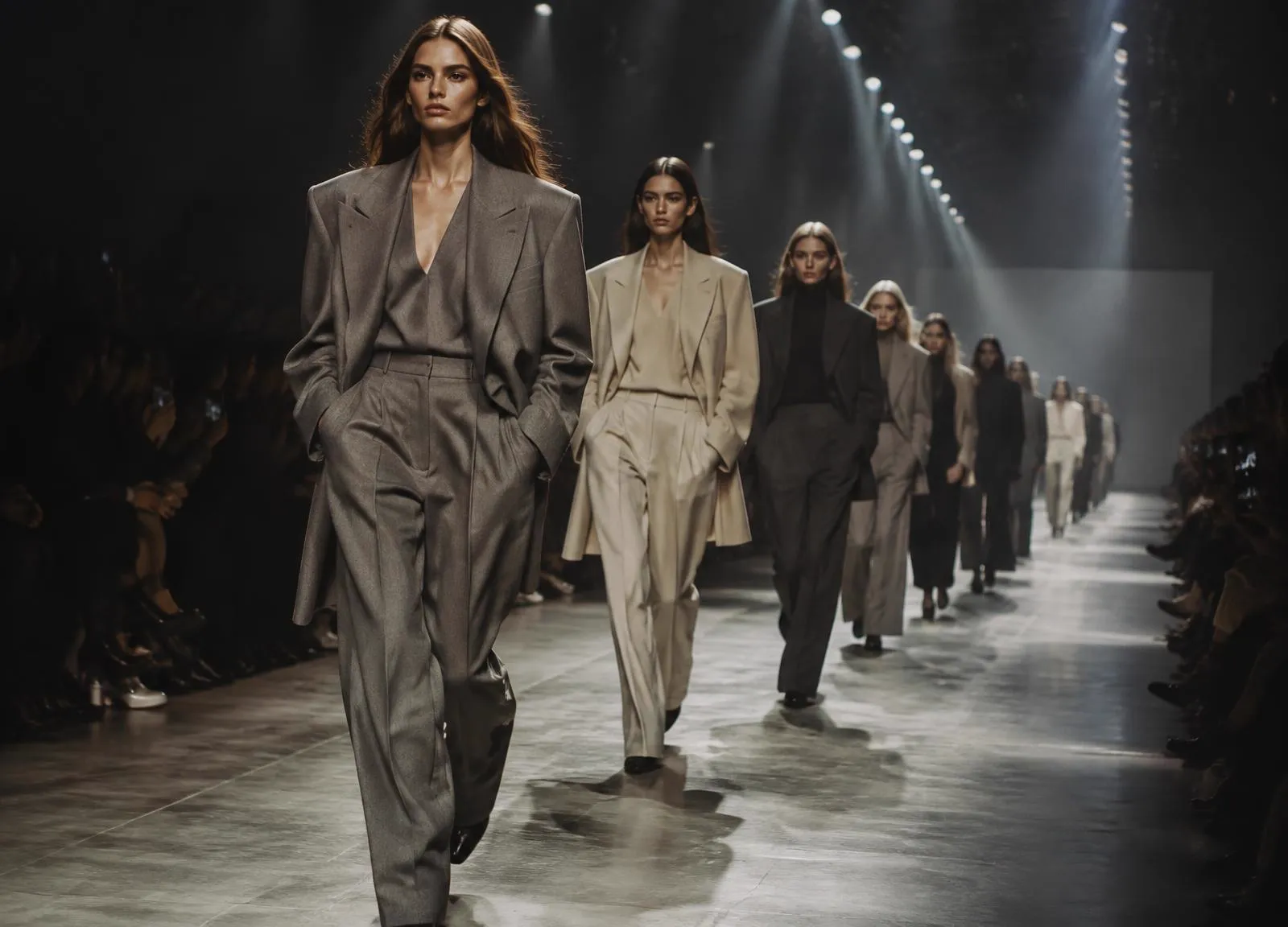
The blazer has become a spring outerwear piece in its own right. Look for relaxed, slightly oversized cuts in linen blends, wool-silk, or fluid crepe. Single-breasted styles in neutral tones are the most versatile, while double-breasted designs feel more formal.
Wear it open over a T-shirt or a slip dress, or buttoned over a shirt for work.
The bomber and the varsity
Sporty jackets continue to circulate, with bombers in satin, nylon or suede finishes and varsity styles with understated detailing. They are easy and youthful, and sit well over dresses, which is a good way to dress down a more formal piece.
The shacket and the quilted jacket
The shirt-jacket hybrid, in cotton, corduroy or wool-blend, sits between a shirt and a jacket. It is useful as an in-between layer on days when a coat is too much. Quilted jackets, often in a lightweight, slightly vintage style, serve the same purpose with a bit more warmth.
How to wear spring jackets
Good outerwear styling comes down to proportion and layering. A few reliable principles:
- Balance volume. A boxy jacket works best with slimmer or straight trousers; a fitted jacket can take a wide-leg trouser or full skirt.
- Mind the length. Cropped jackets suit high-waisted bottoms. Longer macs and trenches work over dresses and wide trousers.
- Layer by temperature. A T-shirt and jacket for mild days, a fine knit underneath for colder mornings, a scarf for wind.
- Keep colour in mind. Neutral jackets are the easiest to repeat. A coloured jacket, such as butter yellow, pale blue or soft green, can lift a monochrome outfit.
Outfit formulas
| Jacket | Pair with | Finish with |
|---|---|---|
| Cropped boxy jacket | High-waisted straight jeans, white tee | Loafers or clean trainers |
| Relaxed leather | Midi slip skirt, fine knit | Ankle boots |
| Utility jacket | Wide-leg trousers, simple top | Trainers, canvas tote |
| Trench or mac | Tailored trousers, striped shirt | Flat ankle boots |
| Soft blazer | Tee and denim, or dress | Ballet flats |
| Bomber | Floaty midi dress | Chunky trainers |
If you are unsure what to wear underneath, the spring 2026 dress trends guide has ideas for dresses that sit well with each of these shapes, and our spring 2026 trouser trends piece covers the trousers that balance them.
UK-specific considerations
Spring in Britain is unpredictable, so the best jacket is the one that handles several kinds of day.
- Showers. A water-resistant fabric or a lightweight mac is more practical than a delicate cotton or suede jacket. If you own suede, treat it with a protector designed for the material, and check the care instructions.
- Wind. A jacket that closes properly at the neck and cuffs is more useful than a gaping design. A belted trench holds in warmth.
- Temperature swings. Choose a jacket with room to layer. Mornings can be cold and afternoons warm, so a piece you can remove and carry is helpful, ideally with an inside pocket or a size that folds into a bag.
- Commuting. If you travel by train or bus, a jacket with secure pockets and a lining that does not cling is more comfortable.
Practical variations
By body shape and height
Cropped jackets suit most frames, but if you want to define your waist, choose a belted or shaped style. If you are petite, avoid cuts that are too long or overly voluminous; a jacket that hits at the hip is flattering. Taller wearers can carry longer coats and oversized shapes with ease.
By budget
You do not need to spend a lot on every jacket. Consider the following approach:
- Entry-level: Choose simple shapes in cotton or polyester blends, and focus on fit. A good cut makes an inexpensive jacket look better.
- Mid-range: Look for natural fibres, proper lining, sturdy buttons and well-finished seams.
- Investment: Spend on the one you will wear most, usually a trench, leather jacket or tailored blazer, where quality of material and construction shows over time.
What to check before you buy
Try a jacket on over the clothes you would really wear with it, not just a T-shirt. Raise your arms and reach forward: the sleeves should not pull and the hem should not ride up. Check that the pockets are deep enough to be useful, and that closures, whether zip, snaps or buttons, feel secure. Finally, look at the lining and seams from the inside, because that is where quality shows first.
By lifestyle
For office wear, choose the soft blazer or a clean trench. For weekends, the utility jacket, bomber or shacket are easier. For travel, pick something lightweight that packs down and works with several outfits.
Carrying the trend forward
Because spring 2026 has passed, the practical question is how to use these jackets now. Most of them transition well:
- Into autumn. A leather jacket, trench or utility jacket works over knitwear. Swap light cotton underneath for fine wool.
- Into winter. Use them as mid layers under a heavier coat, or for milder days.
- Into next spring. Buy pieces with neutral colours and clean shapes, and they will still look right.
To see where outerwear fits into the broader trend picture, the fashion trends 2026 guide shows how these shapes connect to the wider year.
Frequently asked questions
What are the main spring jacket trends for 2026?
The main directions are cropped and boxy jackets, relaxed leather and suede, utility and field jackets, lightweight macs and trenches, soft tailored blazers, and sporty bombers. Neutral shades and clean shapes dominate, with the occasional pale colour.
Which spring jacket is best for British weather?
A lightweight mac or trench is the most practical, since it copes with showers and wind without bulk. A utility jacket in a water-resistant fabric is another good option. Check the fabric label for water resistance rather than assuming.
How do I choose a spring jacket that will last?
Look for neutral colours, a cut that suits your wardrobe, and quality in the details: lining, buttons, seams and fabric weight. A jacket you can wear in several seasons gives better value than a very trend-led piece.
Can I wear a spring jacket in autumn?
Yes. Many spring jackets, especially leather, trench and utility styles, work well in autumn over knitwear. Choose layers that add warmth underneath rather than relying on the jacket alone.
In short
The best spring jackets of 2026 are the ones you will keep reaching for: well cut, easy to layer and suited to unpredictable weather. Pick a shape that fits your life, keep the colours versatile, and build your outfits around it.