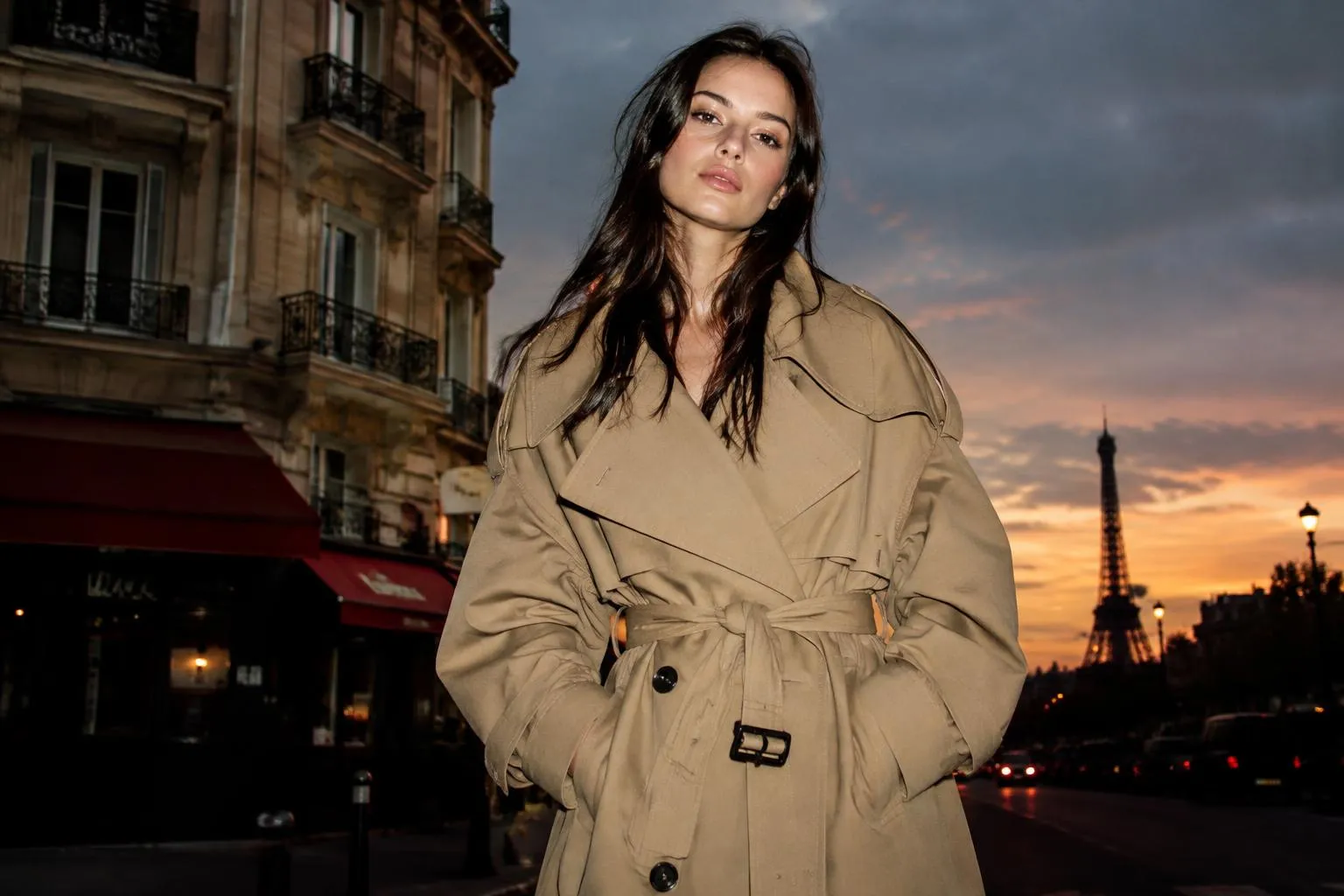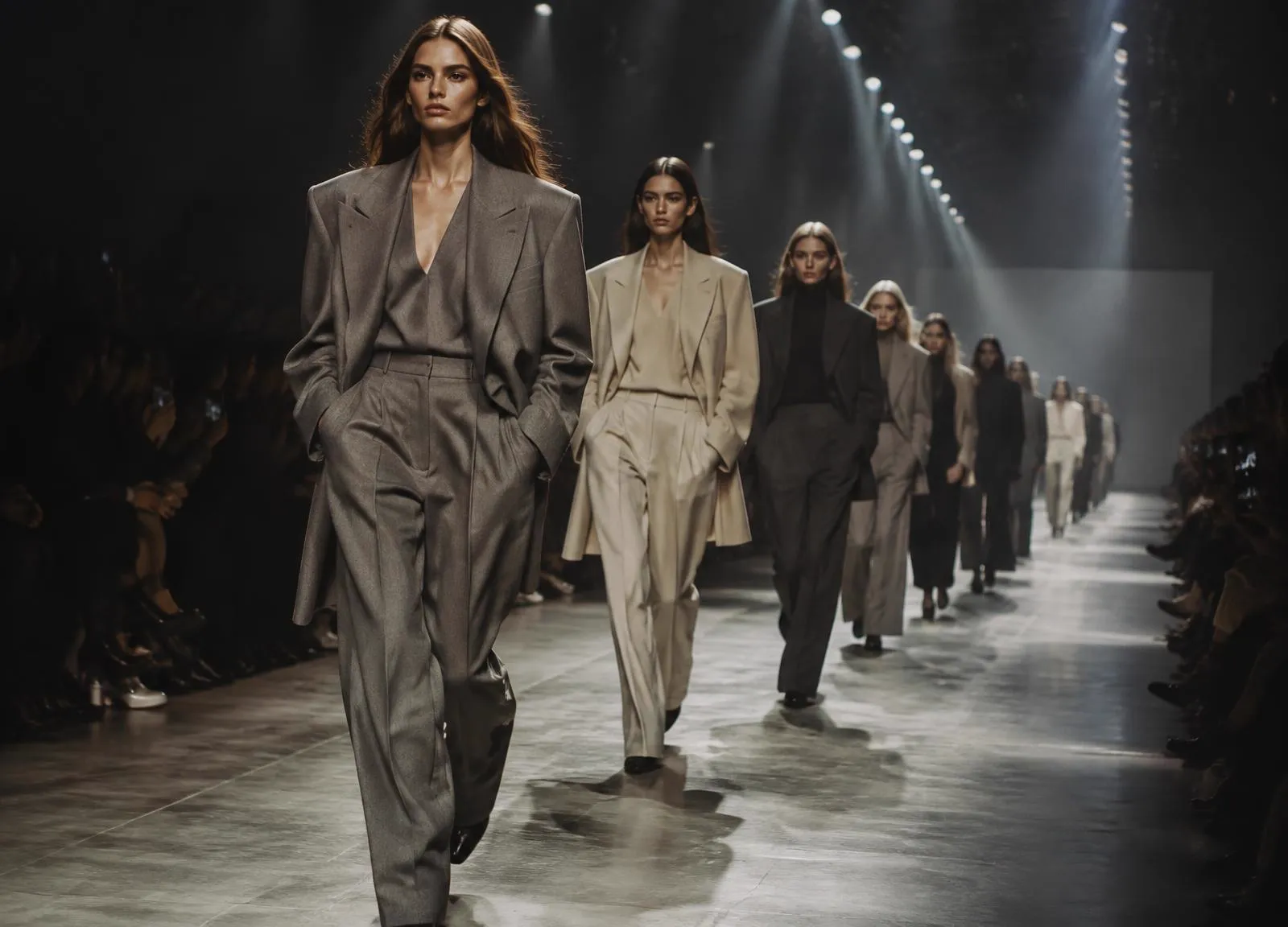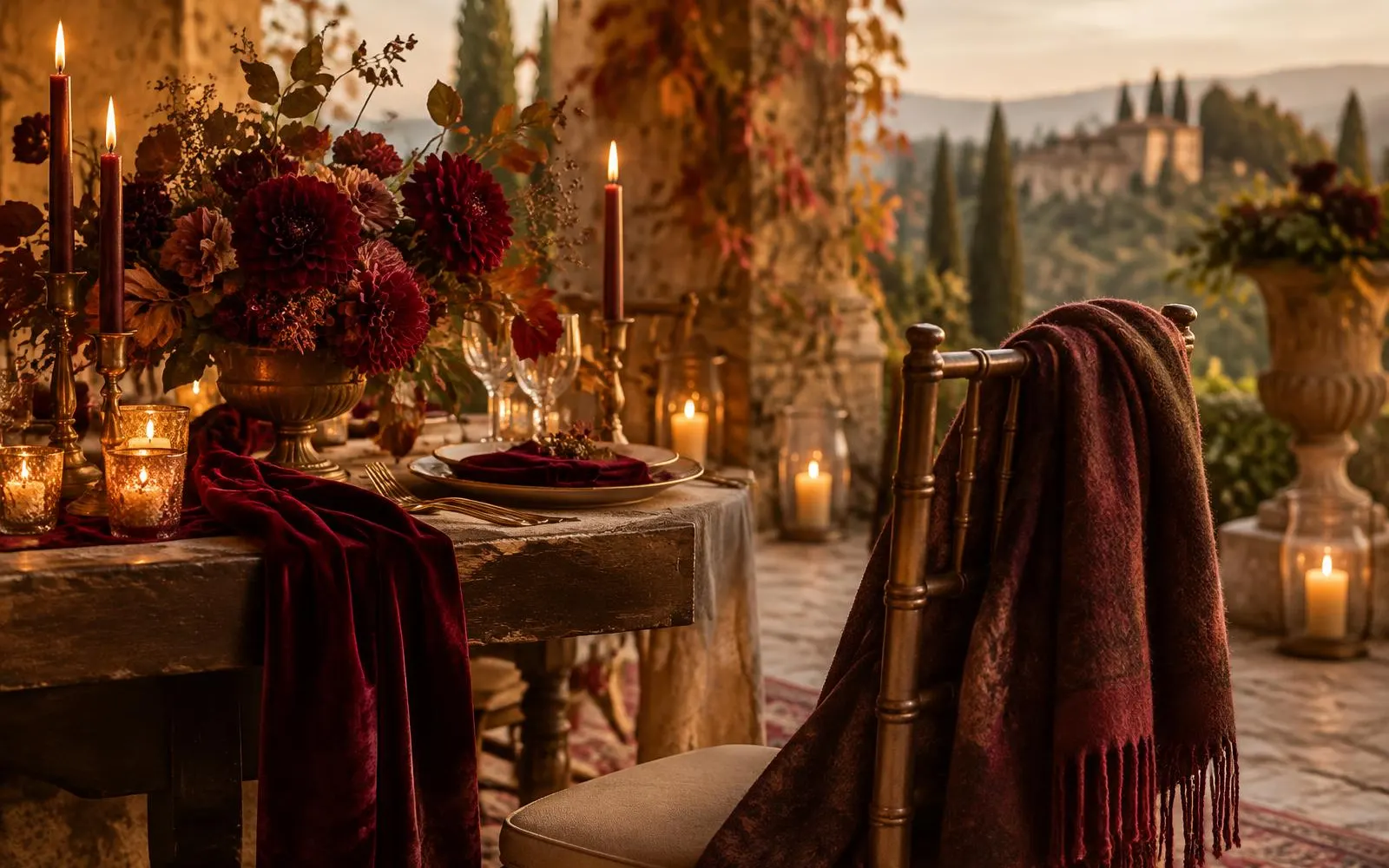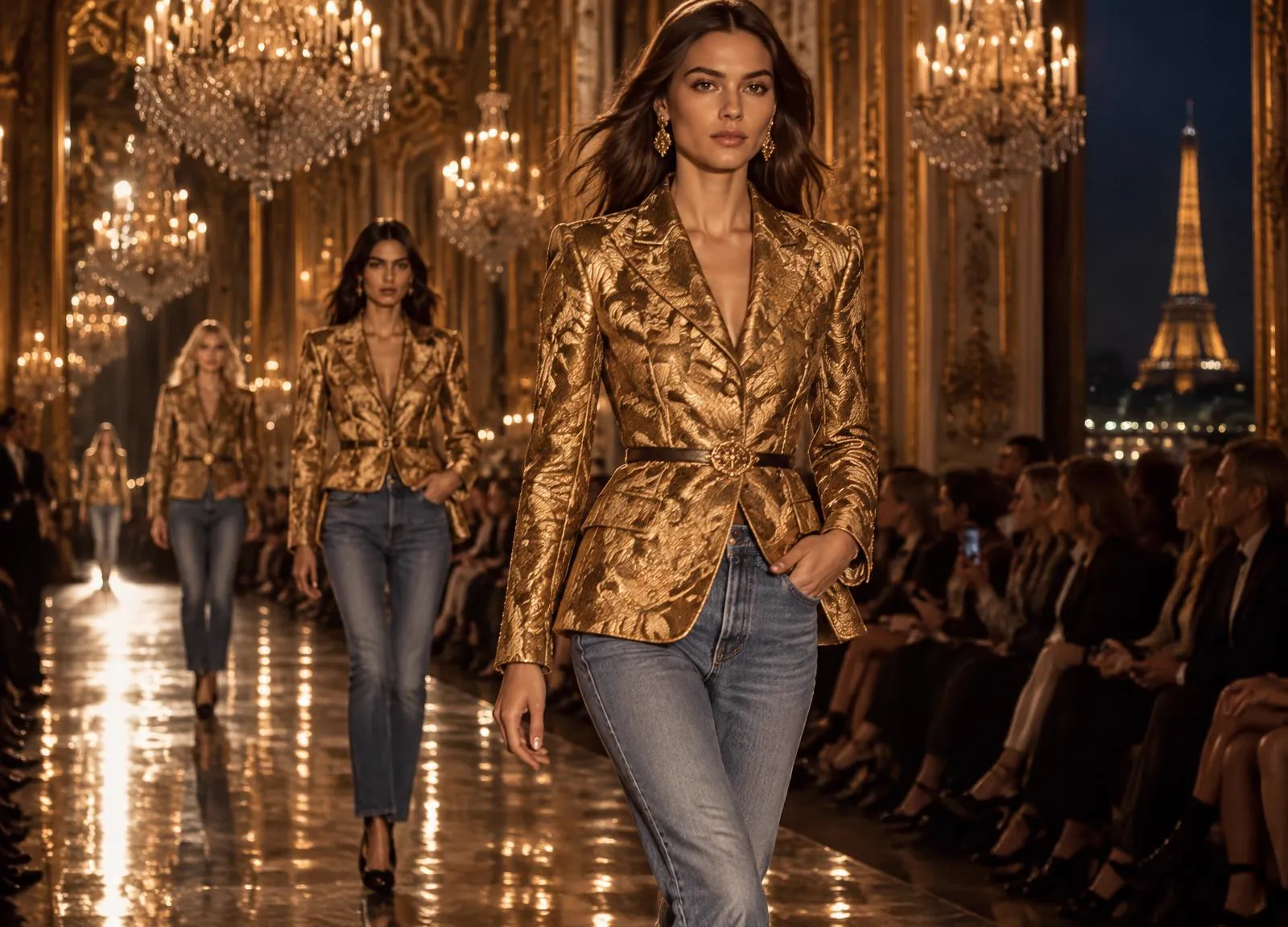
Autumn winter 2026 fashion trends are about warmth with intent. Think generous coats, tactile knitwear, polished trousers and boots that earn their keep through a British winter. The season is already under way, so this guide works as a practical edit: the directions that define it, and how to wear them well from the first cold morning to the last grey week of February.
Rather than chasing every idea, focus on the handful that change how a wardrobe feels. Good outerwear, a knit you love, a trouser with a flattering line and a dependable boot will do more than any novelty piece, and they carry you well into next year.
The A/W 2026 mood
The cold-season mood is rich, soft and slightly sculptural. Textures lead the conversation: suede, shearling-style finishes, brushed wool, velvet and fluid satin. Colours lean warm and deep, with chocolate brown, burgundy, forest green, charcoal and cream doing most of the work.
Tailoring remains the backbone, but it is softened by layers. Expect jackets over knits, coats over tailoring, and scarves worn as a deliberate part of the outfit rather than an afterthought. If you like a bigger picture of the year, our overview of fashion trends 2026 explains how the seasons connect.
Outerwear
Outerwear is the main event of any winter wardrobe, and this season offers plenty of choice. A smart purchase here sets the tone for everything underneath.
Coat direction
Several shapes are worth knowing:
- The long wool coat: single- or double-breasted, with a slightly relaxed shoulder and a hem that reaches mid-calf. It is the most versatile investment.
- The cocoon or oversized coat: rounded volume, often in a soft wool blend. Wear it with slimmer trousers to keep the balance.
- The suede or shearling-style jacket: cropped or hip-length, and warm with a chunky knit. Suede is lovely, but it needs protection in wet weather.
- The belted trench or mac with a lining: a smart choice for milder days or layering under a heavier coat later.
- The quilted or padded jacket: practical and increasingly polished, particularly in matte fabrics and dark colours.
When choosing, check the fabric composition (look for a high proportion of wool for warmth), the lining, the depth of the pockets and whether the sleeves allow for a thick jumper underneath. Shoulder fit matters most, since you cannot easily alter it.
Transitional styling
Autumn in the UK often arrives with warm afternoons, so layering makes sense. A lightweight jacket over a knit and a scarf works until the first properly cold weeks. If you enjoyed lightweight outerwear earlier in the year, many of those ideas carry over; our guide to spring jacket trends 2026 shows shapes that layer well under a heavier coat once temperatures drop.
Knitwear and layering
The knits to look for
Knitwear is where comfort and style meet. Chunky roll necks, relaxed cable knits, fine merino layers, cardigans worn buttoned up and the occasional sweater vest all feel right. Fibre quality matters: wool, cashmere and good blends hold their shape and keep you warm, while thin acrylic tends to bobble.
How to layer without bulk
The secret to winter layering is thin-to-thick. Start with a fine base layer (a fitted tee or a fine merino), add a shirt or lightweight knit, then a heavier piece on top. Keep one layer fitted so the outfit does not swallow you.
For example, a white shirt under a chunky jumper, with the collar visible, is a classic that looks pulled together. A sweater vest over a shirt does the same job with a more preppy finish.
Scarves, hats and gloves
Accessories are practical but also very visible in winter. A large wool scarf in a contrasting colour, a beanie or a leather glove can lift an otherwise plain outfit. Choose natural fibres where possible for warmth.
Trousers and skirts
Trousers
Wide-leg trousers remain strong, particularly in wool, flannel and heavier crepe-like fabrics that hang well. Barrel and straight shapes sit alongside them. Hem length is key in winter: a trouser that grazes the top of your boot or shoe looks neat, while one that drags in a puddle does not.
For a polished work outfit, pair high-waisted wool trousers with a tucked-in fine knit and a long coat. For weekends, try a relaxed wide leg with a chunky jumper and a flat boot.
Skirts
Midi and maxi skirts are the cold-season favourites, often paired with knee-high boots or sturdy ankle boots. Leather and faux-leather skirts, pleated wool and slimmer pencil shapes all appear. Pair a longer skirt with opaque tights or a thermal layer for warmth.
Dresses
Knitted dresses, shirt dresses and velvet or satin evening styles carry through the season. Add tights, boots and a coat, and a summer dress can be recycled for winter.
Boots and shoes
Boots
Boots lead the footwear story: knee-high styles with a low block heel, sleek ankle boots, rugged lace-ups and the stalwart Chelsea shape. Suede and polished leather both feel current. Check the sole for grip, as slippery city pavements are no joke.
Flats and loafers
Ballet-style flats, loafers and mary janes can work through winter with thick tights or socks. A chunky-soled loafer is especially practical. For a full guide to the styles in play, read our piece on shoe trends 2026.
Care for longevity
Treat leather and suede with a waterproofing product, and use shoe trees to keep their shape. Rotate your pairs to give them time to dry out. Good care adds years to a boot that you might otherwise replace.
Colours and textures
Colour palette
The palette is rich and grounded:
| Colour | Why it works | Pairs with |
|---|---|---|
| Chocolate brown | Softer than black, flatters most skin tones | Cream, camel, burgundy |
| Burgundy | Adds depth without being loud | Charcoal, navy, grey |
| Forest green | A sophisticated alternative to navy | Tan, cream, brown |
| Charcoal | The modern, softer black | Almost everything |
| Cream and ivory | Brightens heavier outfits | Brown, olive, black |
Texture mixing
Mix at least two textures in an outfit: suede with wool, satin with knit, leather with cashmere. The contrast gives otherwise simple colours interest. Try a satin skirt with a chunky jumper, or a leather jacket over a soft knit dress.
Pattern
Checks, stripes and tweed-like weaves are all appropriate for the season. A houndstooth or tartan coat is a classic that rarely goes out of date. Keep the rest of the outfit simple to let the pattern speak.
Outfit formulas for the cold months
Formulas take the guesswork out of dressing in low light and short days. These four cover most of a week:
- Work: wool trousers, a fine roll neck, a long coat and polished boots or loafers.
- Weekend: straight jeans, a chunky cardigan, a scarf and sturdy ankle boots.
- Evening: a satin midi skirt, a fitted knit or bodysuit, a tailored jacket and heeled boots.
- Wet day: a lined mac or padded jacket, dark trousers with a hem that clears the pavement, and boots with a grippy sole.
Dressing for different budgets
At the entry level, put the money into the coat and let the knitwear be simple. In the mid-range, buy wool-rich knits and well-finished trousers that will survive repeated wear. For investment pieces, a good coat, a pair of leather boots and a cashmere or fine wool jumper are the items that repay the outlay, because you will reach for them every week from October to March.
Dressing for different shapes
Volume is flattering when balanced. If you are petite, choose a coat that is not too long and keep trousers high waisted. If you are tall, a long coat and maxi skirt can be worn with ease. If you carry weight around the hips, a coat with a defined shoulder and a straight, rather than clingy, skirt looks sleek. Try garments with your thickest winter layer underneath so the fit is honest.
How to wear it all now
To pull the season together without overbuying, build around a short list:
- One excellent coat in a neutral shade.
- Two knits you love: one chunky, one fine.
- A pair of trousers with a great line.
- A reliable boot.
- A scarf or accessory with a hint of colour.
Everything else is a bonus. Many looks from the warmer months also adapt. Our guide to spring summer 2026 fashion trends can help you identify which lighter pieces, such as shirts, tailored trousers and slip dresses, work with winter layers.
For more on the cooler months, explore our Autumn trends hub.
Frequently asked questions
What are the main autumn winter 2026 fashion trends?
Rich textures such as suede and brushed wool, long wool coats, chunky knitwear, wide-leg trousers and dependable boots lead the season. The palette favours chocolate brown, burgundy, forest green and charcoal.
Which coat should I buy this winter?
A long wool coat in a neutral shade is the most flexible choice. Check the wool content, the lining and whether the sleeves fit over a thick jumper. Shoulder fit is the one thing that is hard to change later.
How do I layer for UK winter weather?
Work from thin to thick: a fine base layer, a shirt or light knit, then a heavier jumper or jacket, finishing with a coat. Keep at least one layer fitted for balance. A scarf adds warmth and finish.
Can I wear summer pieces in winter?
Often, yes. Slip dresses and shirts layer well under knits and coats, with tights and boots added. Very light fabrics such as linen are better saved for warmer weather.
In summary
Autumn/winter 2026 rewards a thoughtful approach: a coat you love, knitwear with substance, trousers that fit and boots that last. Invest in quality, mix your textures and let the colour palette do the quiet work of making everything go together.