Spring 2026 dress trends were defined by movement. Fluid slips, relaxed shirt dresses, dropped waists and generous maxis replaced anything stiff or overly constructed, and the most successful versions were easy to layer for changeable British weather. The season has passed, but these silhouettes are far from seasonal, and many of them sit happily under a coat or over a knit through autumn and winter.
This guide breaks down the key shapes, lengths and proportions, the fabrics and prints that gave them character, and how to take a dress from day to evening. It also looks at how a spring dress continues into summer and beyond, so you can get more wear out of what you own.
The dress mood
The mood was relaxed, romantic and quietly sophisticated. Instead of a single defining dress, the season offered a handful of strong ideas: softness at the waist, plenty of fabric in the skirt, and necklines that were simple rather than fussy. Colour was gentle, with cream, pale blue, soft yellow, sage and chocolate brown all appearing, along with the odd bold shade.
The result was a dress wardrobe that felt personal and practical. A dress that works with trainers, a jacket and a tote is more useful than one that only suits a formal evening, and 2026's shapes were designed for exactly this kind of versatility.
Key silhouettes
The slip dress
Slip dresses, cut on the bias or from fluid satin, remain a staple. They skim the body without clinging and layer beautifully with knits, shirts and jackets. In cooler weather, a fine roll neck or long-sleeved tee underneath turns a slip into a cold-weather outfit.
The drop-waist dress
A dropped waist sits at the hip rather than the natural waist, creating a long, easy line. It flatters many shapes because it does not nip in at a single point. The look has a 1920s echo, but modern versions are looser and more casual, often in cotton or crepe-like fabrics.
The shirt dress
A shirt dress is one of the most useful dresses to own. Look for crisp poplin, a fluid midi or a belted waist. Wear it open over a slip, with the sleeves rolled, or buttoned to the neck for a smarter feel. It suits the office, weekends and travel.
The tiered and gathered dress
Tiers and gathers add volume and movement. Cotton poplin, lightweight cotton and voile versions suit warmer days. Balance a full skirt with a fitted top, a belt or a cropped jacket so the shape does not swamp you.
The wrap dress
The wrap dress remains reliable. It adjusts easily, flatters most figures and goes from day to evening with a change of shoes. Look for a secure wrap with a hidden snap, which prevents gaping.
The sheer overlay dress
Sheer and semi-sheer dresses, usually layered over a slip or shorts, appeared throughout the season. They look delicate but need care. Choose a lining of the right colour, and avoid snagging by keeping jewellery simple.
Lengths and proportions
Midi
The midi, falling between the knee and the ankle, is the most universal length. It works with trainers, boots and heels, and suits almost every body shape when the hem lands at the narrowest part of the calf.
Maxi
Maxi dresses grew in popularity, and they are particularly useful in a British climate when paired with boots and a jacket. For a maxi dress to look balanced, check the hem: it should skim the ground when you wear your intended shoes. Maxi dress trends summer 2026 favoured fluid, floaty fabrics with a relaxed waist and light sleeves.
Mini
The mini was present but treated differently, often with opaque tights, boots or a longer jacket for balance. A looser, shorter dress feels youthful and playful.
Proportion tips
- Petite: choose a high waist and a hem that hits just below the knee, and avoid tiered styles with too much volume.
- Tall: you can carry long maxis and dropped waists easily.
- Curvy: wrap dresses and bias-cut slips follow the body without clinging.
- Short torsos: a dropped waist may shorten the body, so try a defined waist instead.
Fabrics and prints
Fabrics
- Cotton poplin: crisp and breathable, good for shirt dresses.
- Linen and linen blends: relaxed and airy, though they crease.
- Satin and silk-like fabrics: fluid and elegant for slips and evening dresses.
- Crepe-like fabrics: drape well and resist creasing.
- Knit and jersey: comfortable and easy to layer.
- Lace and broderie: feminine and textured, best used in moderation.
Prints
Florals continue in softer forms, with muted colours and larger scale patterns. Stripes, checks and gingham appear in clean, graphic versions. Abstract and painterly prints add artistry. Plain colours remain the safest option for getting wear from a dress across seasons.
Quality notes
Check the lining, the seams and the fabric weight. A thin dress with no lining may look see-through in daylight, and loose threads at the seams signal poor construction. Check the care label, since delicate fabrics may need hand washing or dry cleaning.
Day-to-evening styling
The principle
A good dress can do two jobs with a few changes. Start with the base and adjust three things: footwear, outer layer and accessories.
Three transformations
- Shirt dress: trainers and a denim jacket by day; heeled sandals or boots, a belt and statement earrings by night.
- Slip dress: a T-shirt underneath and flats for the office; remove the T-shirt, add heels and a small bag for dinner.
- Maxi dress: a cropped cardigan and sandals for daytime; a tailored blazer and ankle boots for the evening.
Layering for the UK
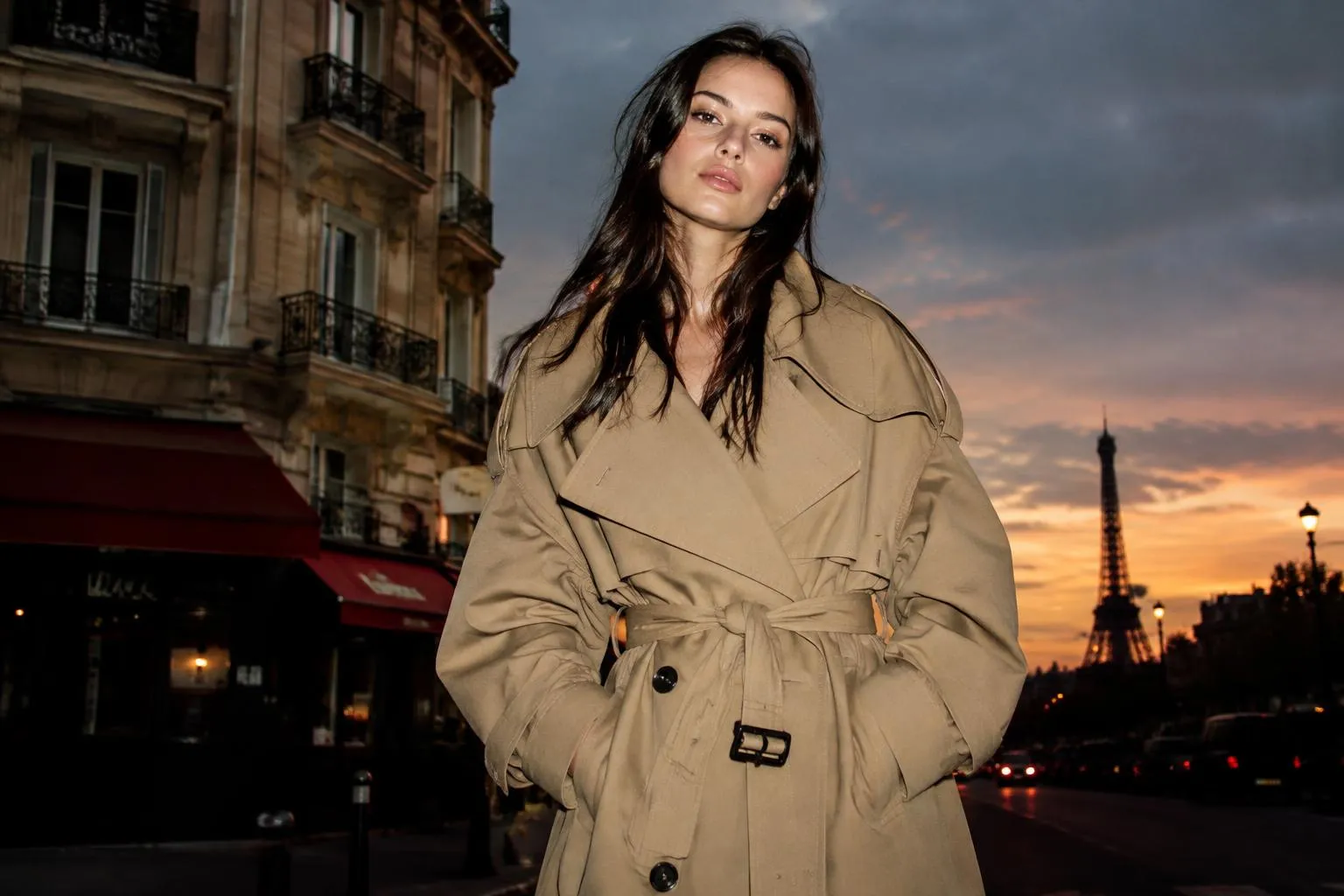
Layering is how a spring dress survives the weather. Add a fine knit, a lightweight jacket or a trench coat. Our guide to spring jacket trends 2026 covers the outer layers that work best with fluid dresses. Tights, thin or opaque, extend a dress into cooler months, while boots add warmth and edge.
Pairing with other trends
A dress is only part of the picture. For the broader season, our guide to spring summer 2026 fashion trends puts silhouettes in context. If you prefer to wear trousers on some days, our guide to spring 2026 trouser trends offers an alternative.
Summer continuation
Making a dress last
Many spring dresses move naturally into summer. Remove layers, switch to sandals and pick lighter accessories. Natural fibres such as cotton and linen are best for hot days, while synthetics may feel warm.
Into autumn and winter
A dress is easy to keep in rotation as temperatures drop. A slip dress can go over a fine knit with boots; a shirt dress can pair with a chunky cardigan; a maxi works with a long coat. Dark tights, opaque socks and sturdy boots complete the outfit.
Occasion vs everyday dresses
Everyday dresses are comfortable, washable and relaxed, with simple lines and breathable fabrics. Occasion dresses are more structured or embellished, with richer fabrics. Many dresses straddle the two when styled well.
For weddings, our guide to wedding dress trends 2026 covers bridal styles. For guest outfits, look to our outfit pages rather than this trend guide, which focuses on general dress shapes and everyday wear.
When buying a dress for occasions, think about wearing it again. A well-chosen dress in a neutral colour can be reworn with different accessories, which makes it better value.
Budget guidance
At entry level, concentrate on simple shapes in fabrics that wash well; avoid anything too trend-led. In the mid-range, expect better linings, seams and fabric quality. For an investment dress, choose a classic cut in a luxurious fabric, such as silk or good wool, which can serve for years and be altered to fit.
Frequently asked questions
What were the main spring 2026 dress trends?
Slip dresses, dropped waists, shirt dresses, tiered styles and generous maxis led the season. Soft colours, fluid fabrics and easy layering were the common threads.
What length of dress is most flattering?
The midi suits most people, as it falls at a flattering point on the leg. Choose a hem that lands at the narrowest part of the calf. Maxis and minis can also be flattering if proportioned well.
Can I wear a spring dress in winter?
Yes, with layers. Add a roll neck, tights and boots, and top with a coat. Lighter fabrics may feel cold, so choose heavier ones for the coldest days.
How do I dress up a casual dress?
Swap trainers for heels or smart flats, add a blazer and a structured bag, and choose statement earrings. A belt can also add definition.
In summary
The spring 2026 dress trends were about ease and versatility. Choose silhouettes that move, fabrics that feel good and layers that keep you comfortable, and enjoy the way a dress can take you from morning to night. Explore more in our Dresses section.