Spring summer 2026 fashion trends were built on ease: light layers, relaxed proportions, fluid fabrics and colours that look good in changeable British weather. The season is now behind us, but its best ideas were never meant to expire at the end of August. This guide explains what defined the season and how to carry the strongest looks into the year ahead.
Treat it as a reference as much as a recap. Many of the shapes that dominated spring and summer, from wide trousers to sheer layers and slimline flats, work just as well under a coat in autumn or in a lighter wardrobe next spring.
The mood of S/S 2026
The overall spirit of the season was unforced. Instead of one defining silhouette, spring 2026 fashion trends pulled together several quiet ideas: softened tailoring, breezy fabrics, a mix of crisp and crinkled textures, and accessories that looked collected rather than matched.
Colour followed suit. Cream, ivory, pale stone and soft butter tones sat beside deeper accents, with the occasional punchy shade used sparingly. The result was a season that suited real life, in which a lightweight jacket might be needed at breakfast and sunglasses by lunchtime.
Runway signals
Across catwalks and street style, certain themes repeated. Sheer and semi-sheer layers, long and fluid skirts, wide trousers, relaxed jackets and lightweight knits all appeared, along with a renewed interest in craft details such as embroidery, fringing and crochet-like textures.
None of this required a radical wardrobe overhaul. The signals pointed to a refined, slightly undone way of dressing that translated easily.
High-street adoption
British shops tend to pick up these themes quickly, often in simplified form. Look for the same directions in lightweight cotton shirting, poplin dresses, easy trousers and unlined jackets. When you shop the high street, the quality marker to check is the cloth: a good trend in thin, see-through fabric is rarely worth buying.
Key clothing trends
Relaxed jackets and light layers
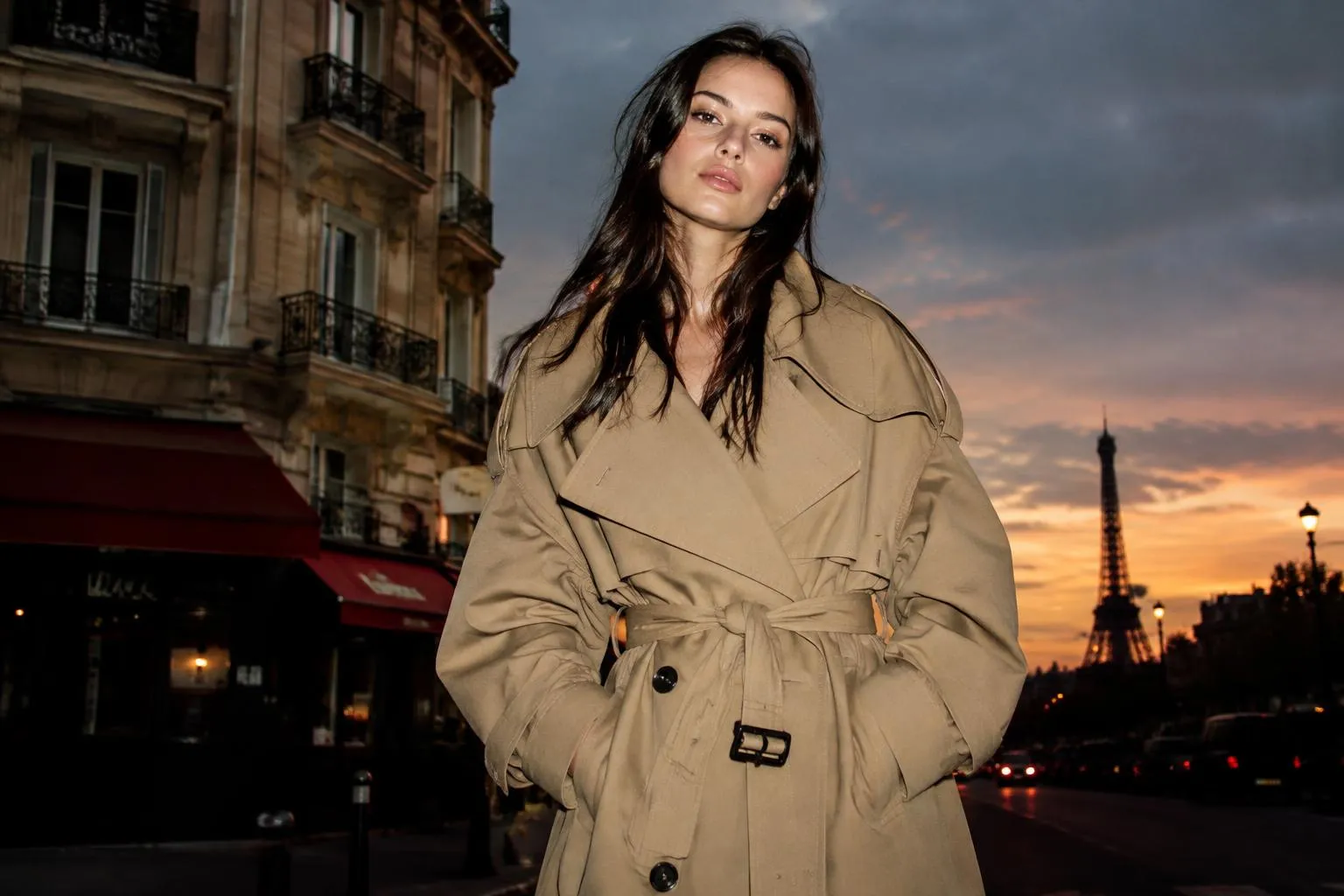
Jackets were a major talking point, especially cropped and boxy shapes, lightweight bombers, soft trench and mac styles, and unstructured blazers. They gave outfits shape without weight. If you want the detail on this category, our guide to spring jacket trends 2026 goes through the main shapes and how to choose.
Wide-leg and relaxed trousers
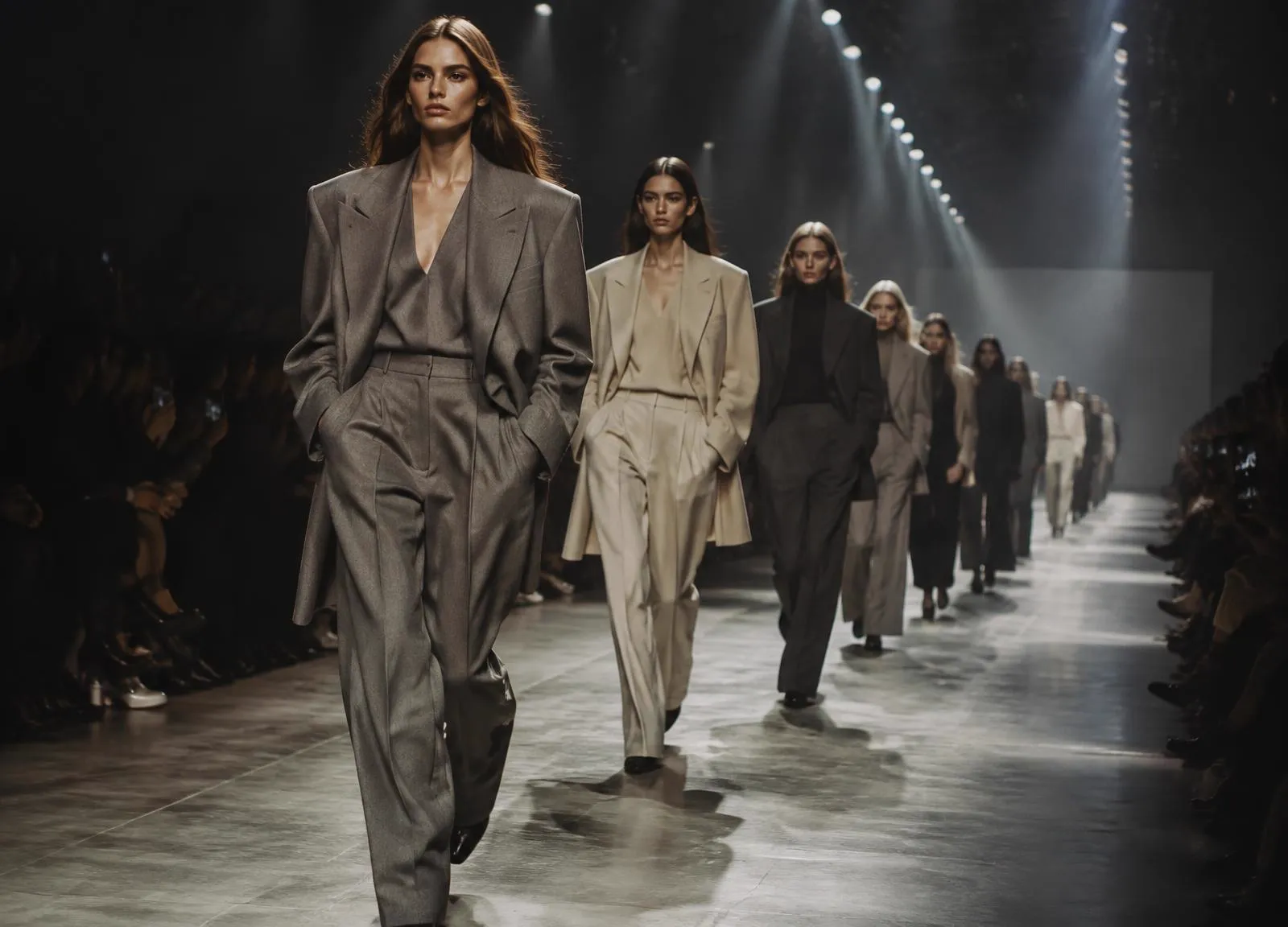
Trousers with room were the standard of the season. Wide-leg, barrel and straight shapes appeared in linen blends, cotton and fluid crepe-like fabrics. Tailored versions suited work, while drawstring or elasticated waists suited holidays and weekends. Our breakdown of spring 2026 trouser trends covers fits, lengths and styling.
Shirting and the crisp white layer
A good shirt remained one of the most useful pieces. Oversized poplin shirts, sleeveless versions and shirts worn open over a vest or swimsuit all had a place. The point is the contrast between structure and ease, so leave a button or two undone and push up the sleeves.
Knitwear, lightened
Fine-gauge knits, short-sleeved cardigans and sleeveless tops filled the gap between seasons. They suit the UK well, because they can be added or removed through the day. Choose breathable fibres and a loose stitch to avoid overheating.
Dresses and skirts
Dresses
Dresses leant towards fluid and relaxed shapes: slip dresses, long shirt dresses, tiered styles and simple shifts in cotton or crinkled fabric. Drop waists and flowing midi lengths featured heavily. For a deeper look at the category, see our guide to spring 2026 dress trends.
Skirts
Long, floaty skirts and slimmer midi lengths both appeared, with some micro-length options for those who wanted them. A maxi skirt in a light fabric with a fitted tee or a vest and a cropped jacket is one of the easiest outfits to put together.
How to choose a length
Midi lengths suit most heights when worn with a little heel or a pointed flat. Taller wearers can carry a full maxi easily. If you are petite, look for a high waist and a hem that hits just below the calf rather than at the ankle.
Colours and fabrics
The palette
Neutral colours led, but with warmth. Cream, ecru, sand and stone were joined by soft yellows, pale blues and sage-like greens. Darker shades such as chocolate brown also played well with lighter ones, a combination that carried through into autumn.
Practical tip: choose a base palette of two neutrals, then add a single accent. This makes building outfits faster and helps your wardrobe feel cohesive.
Fabrics that defined the season
- Linen and linen blends: breathable and naturally creased, ideal for trousers and shirts.
- Crinkled and washed cotton: easy to wear and forgiving of travel.
- Sheer fabrics: organza-like overlays and light voile, best layered over a slip or camisole.
- Satin and silky finishes: for a dressier look that still feels relaxed.
- Crochet and open-weave knits: summery texture, often with a handmade feel.
Care matters
Light fabrics need proper care. Linen softens with washing, silk-like fabrics benefit from gentle cycles, and sheer pieces should be stored folded or hung with care to avoid snags. Following the care label is the quickest way to make a seasonal piece last into the next year.
Shoes and accessories
Footwear
Flat and low-heeled shoes dominated. Ballet flats, refined loafers, sandals with a considered strap design and clogs all appeared. These shoes suit the same relaxed outfits that defined the season, and most are comfortable enough for a full day of walking.
Bags, eyewear and jewellery
Bags were roomy and soft, with leather totes and slouchy shoulder shapes among the leaders. Sunglasses were often oversized or retro. Jewellery brought more colour and more personality, such as beads, big earrings and the odd brooch pinned to a lapel or bag.
Swimwear
Beach and pool looks became part of the broader wardrobe, with sarongs, cover-ups and tailored shorts styled with swimsuits. If you are planning for next summer's holiday, our guide to swimwear trends 2026 covers the shapes, colours and details.
How to wear them in the UK
British weather is the great editor. A spring or summer look that works here needs to survive a cool morning, a mild afternoon and an unexpected shower. That means thinking in layers and choosing fabrics with some substance.
Easy outfit formulas
- Weekend: wide-leg cotton trousers, a fitted tee, a lightweight jacket and clean flats or low trainers.
- Office: a relaxed blazer in a light neutral, straight trousers and a fine knit, with loafers.
- Evening: a slip dress with a cropped jacket or cardigan and a small structured bag.
- Holiday: a linen shirt over swimwear with tailored shorts and flat sandals.
Dressing for a UK summer
A British summer rewards flexibility. Heatwave days call for linen, breathable cotton and open shoes, but the next day may need a light jacket and closed footwear. Build outfits around a few core pieces that can be worn warm or cool: a shirt that works alone or as a layer, trousers in a fabric that is neither heavy nor clingy, and a jacket you can fold into a bag.
For holidays abroad, pack in a single colour family so that every top works with every bottom. A neutral base of cream, sand and navy with one accent colour travels well and takes up little space.
Fit notes for the season
Relaxed does not mean shapeless. With wide trousers and loose shirts, check the proportions in a mirror and look for one defined point, such as a visible waist or a cropped hem. If an outfit feels big all over, fitting one layer closer to the body usually fixes it.
Carrying the season forward
The smartest approach to a past season is to separate what is seasonal from what is structural. Linen and sheer fabrics belong to warmer months, but trousers, jackets and shirts can be reworked with heavier layers. A poplin shirt under a chunky jumper, wide-leg trousers with boots and a lightweight jacket under a coat all extend the life of what you bought.
For spring and summer inspiration across the site, visit our Spring trends section.
Frequently asked questions
What were the key spring summer 2026 fashion trends?
Relaxed jackets, wide-leg and barrel trousers, fluid dresses and skirts, crisp shirting and sheer layers defined the season. Cream, stone and soft pastels led the palette, with flat shoes and roomy bags rounding things off.
Are spring summer 2026 trends still wearable now?
Yes, many of them. Tailored pieces, wide trousers, shirts and flat shoes work year-round with the right layers. The most seasonal items, such as sheer overlays and very light fabrics, are better saved for warmer weather.
What colours were popular in spring 2026?
Neutrals such as cream, sand and stone were central, supported by soft yellows, pale blues and gentle greens. Chocolate brown also appeared as a grounding shade. Most of these combine easily with autumn colours.
How do I dress for changeable UK spring weather?
Layer with lightweight pieces: a shirt or fine knit under a jacket, with trousers that suit both cool and mild days. Carry a compact mac or trench for showers. Closed, comfortable shoes are more practical than strappy sandals before late spring.
In summary
Spring/summer 2026 was a season of ease, softness and thoughtful details, and most of it remains useful long after the sun has gone. Keep the pieces with structure, store the delicate ones carefully, and use this guide to build a wardrobe that stays current well beyond a single season.