Paris Fashion Week 2026 closed out both Fashion Month cycles this year, and the September season has only just ended. That timing makes this the right moment for a guide that goes beyond a calendar. It explains how Paris Fashion Week works, why it carries so much weight, how to read a recap and how to follow the next edition without being overwhelmed.
Paris is the last stop on the womenswear circuit, after New York, London and Milan. It is also the largest and most theatrical. The biggest houses present here, the sets are often elaborate and the schedule is packed from early morning to late night. Yet for all its scale, the week is easier to follow than it looks, once you know what to watch for.
Below you will find the context, the formats, a practical framework for reading coverage and notes for following the week from the US.
Why Paris matters in Fashion Month
Fashion Month moves through four cities in a set order, and Paris finishes it. By the time the schedule reaches Paris, editors and buyers have already seen three cities of ideas. Paris is where many of those ideas are confirmed, refined or contradicted, which is why its reports often feel like the season's final word.
The week is overseen by the Fédération de la Haute Couture et de la Mode, the French body that sets the official calendar. Womenswear seasons take place twice a year, typically with the first in February or March and the second in late September or early October. Haute couture and menswear have separate weeks in the calendar, usually in January and June or July.
Paris has the highest concentration of large, historic fashion houses of any city on the circuit, alongside emerging designers, independent labels and creative directors from around the world. That mix of heritage and new energy is what gives the week its range.
To compare the other cities, see our guides to Milan Fashion Week 2026 and New York Fashion Week 2026.
What Paris is known for
Scale and spectacle
Paris shows are often staged as productions: museums, palaces, gardens, converted industrial spaces and purpose-built sets. The setting is part of the message. Even when you cannot attend, the images and films help you understand the mood of a collection.
Heritage houses and creative direction
Many of the best-known fashion houses present in Paris, and their shows are often read as statements about where luxury is heading. Creative directors change over time, so the identity of any one house evolves. That is why it is more useful to read each season's show on its own terms rather than rely on assumptions.
Elegance with an edge
Paris style tends to combine tailoring, romantic detail and a certain nonchalance. Expect trench coats, blazers, fluid dresses, lace, and plenty of understated chic. The mood is less polished than Milan and less individualistic than London.
Craft and couture influence
Paris is home to couture, and its techniques influence ready-to-wear: draping, embroidery, pleating and fine finishing. Even in casual pieces, you might see the hand of couture in a collar, a seam or a hem.
Emerging and independent voices
Alongside the giants, Paris hosts younger designers and independent labels. Their shows are often where unfamiliar shapes and approaches appear first.
How the week is organized
- Runway shows. The main format, with models walking a defined route. Many are livestreamed.
- Presentations and installations. Looks are staged in a room, gallery or set. They suit accessories and detailed work.
- Showrooms and appointments. Buyers and press see collections privately.
- Films and digital releases. Some designers release short films or lookbooks.
- Parties, dinners and events. Around the shows, brands host events. Most are invitation-only.
The schedule is dense. Shows can begin early in the morning and continue into the night, with travel between venues across the city. For many guests, planning routes and timing is as important as choosing outfits.
How to read a Paris Fashion Week recap
If you are searching for a Paris Fashion Week recap, use these filters to cut through the noise.
- Start with the overview. Good recaps identify the overall mood, such as a return to tailoring, a softer silhouette or a focus on texture.
- Look for repetition. An idea that appears across several houses is a signal. One dramatic look is often a headline, not a trend.
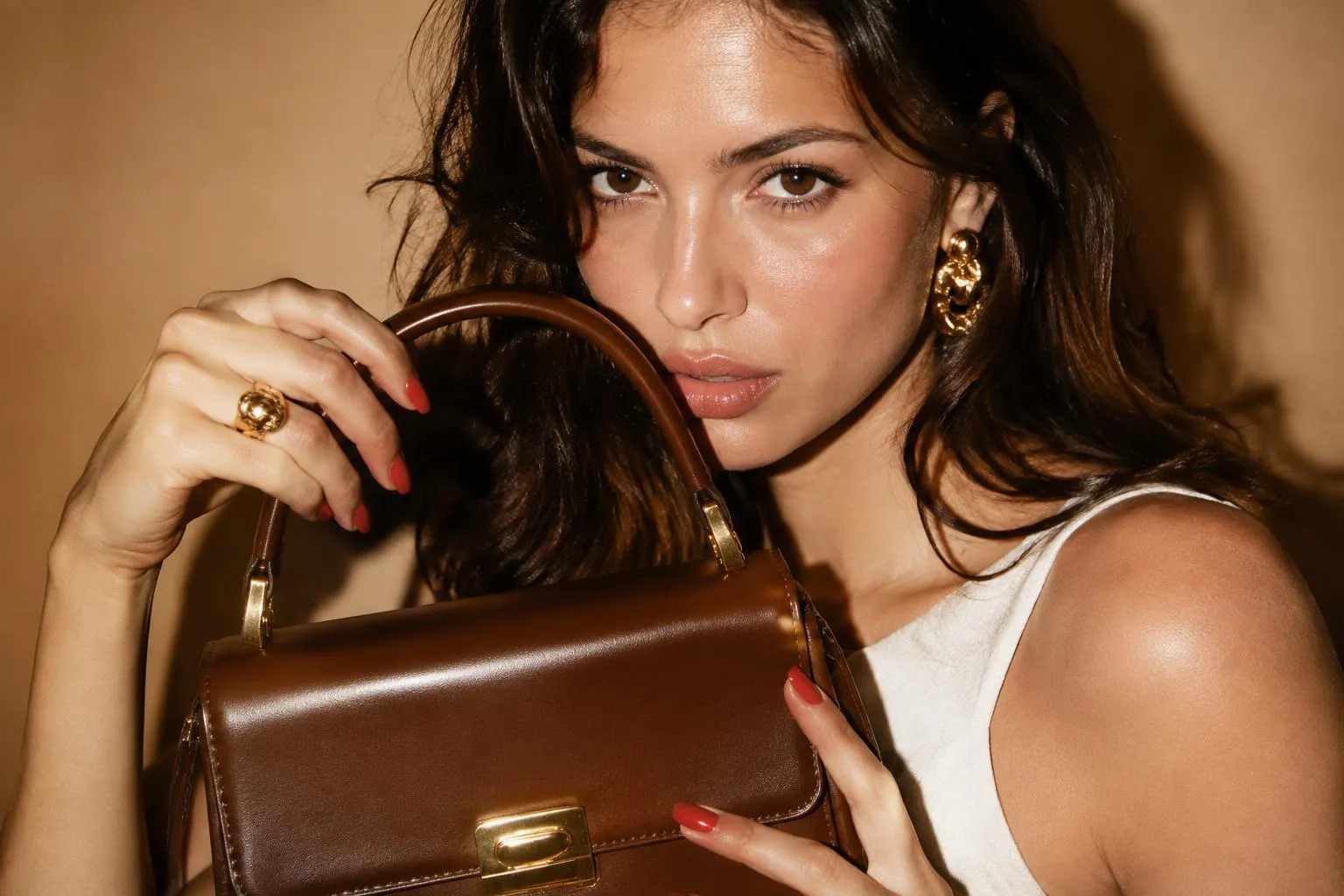
- Check the shoes and bags. Accessories are where Paris is most commercial, and they often influence what appears in stores first.
- Read the styling. Layering, proportion and the way clothes are worn show how a designer imagines the collection in real life.
- Compare with earlier cities. If a direction appears in New York or Milan and again in Paris, it has staying power.
Season-by-season rhythm
Because the 2026 editions have finished, here is how to treat the cycle going forward.
- The February/March season previews the following autumn and winter. It tends to emphasize coats, knitwear, tailoring and heavier fabrics.
- The September/October season previews the following spring and summer. Expect lighter fabrics, new dress shapes, color direction and a sense of the warm season ahead.
Looks from the runway usually reach stores several months later. A recap is therefore a planning tool: it shows what to look for, and you can decide what is worth buying when the clothes arrive.
Practical notes for following Paris from the US
- Plan around the time difference. Paris is several hours ahead of US time zones, so many shows air in the morning or early afternoon in Europe, which can be very early or late for US viewers. Replays and galleries are widely available.
- Use official sources. The Fédération publishes the official calendar for each season. Check it for current details.
- Read widely. Combine editorial reviews, designer channels and street style galleries.
- Understand access. Most shows are by invitation. For how access generally works at a fashion week, see our explainer on New York Fashion Week tickets, and rely on official Paris sources for local rules.
- If you visit, plan transit in advance, wear comfortable shoes, pack for changeable weather and allow time for the city beyond the shows.
Editorial highlights: the themes Paris keeps returning to
Instead of ranking individual shows, track the themes that define Paris season after season.
- Outerwear as architecture. Coats, capes and jackets are often cut with dramatic shoulders, sweeping lengths or sculpted collars. They signal the silhouette of the season.
- The new tailoring. Paris reworks the blazer and trouser each year: softer or sharper, longer or cropped, with a new relationship between jacket and skirt.
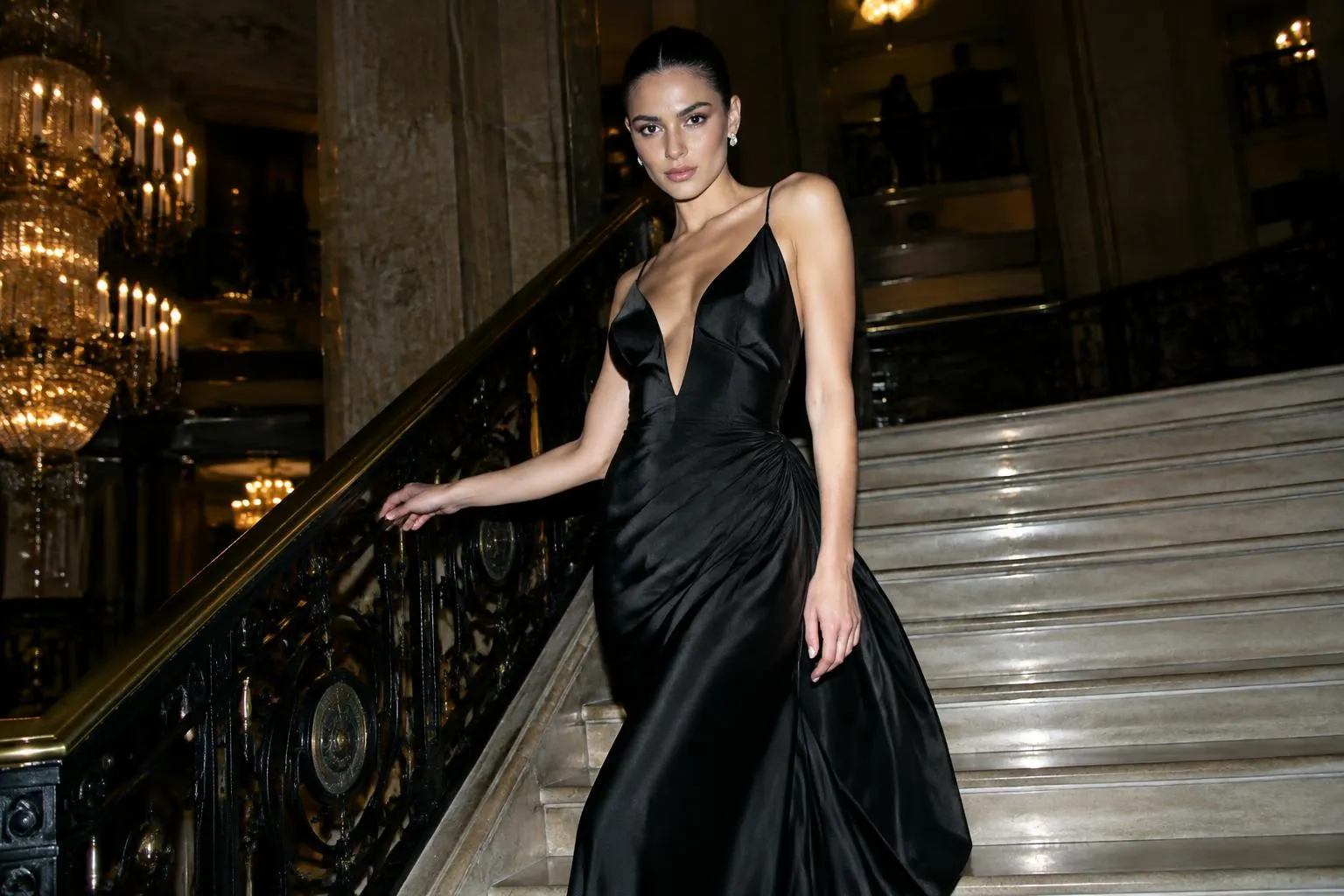
- Evening and ceremony. Gowns, draped dresses and sparkling fabrics often appear in Paris, from the most theatrical to the very pared-back.
- Texture as story. Lace, tulle, embroidered surfaces, pleats and feather-light knits help create emotional tone.
- Accessories with presence. Bags, shoes, hats and jewelry are often presented as essential parts of the story, not afterthoughts.
When you read coverage, ask which of these themes are strongest this season. That single question often explains the whole week.
A practical reading routine
You can follow Paris without watching every show.
- Read one overview first. Choose a reputable summary of the week's main directions.
- Browse the street style. Guests often show how the clothes translate into daily life.
- Save five looks. Choose outfits that you could imagine wearing, then note what they have in common.
- Write down one idea. For example, a longer jacket, a particular color or a shoe shape.
- Revisit when clothes reach stores. Test the idea against your wardrobe before you buy.
Street style and trend context
Paris street style has a loyal following for good reason. The looks lean toward tailored basics, trench coats, scarves, flats and refined accessories, often with an undone touch. For a closer look, read our guide to Paris Fashion Week street style.
What to take from Paris
Paris offers lessons you can use whatever your budget.
- Invest in a strong coat or blazer. These pieces recur across Paris collections and wardrobes.
- Choose pieces that mix. A white shirt, a dark trouser and a good knit go with almost anything.
- Add one romantic detail. A soft collar, a ruffle or a silk scarf adds femininity without fuss.
- Wear what you own with confidence. The Parisian approach is more about attitude than shopping.
Our Paris hub gathers all our coverage of the city.
Frequently asked questions
When is Paris Fashion Week held?
Womenswear is shown twice a year, typically in February or March and in late September or early October. Couture and menswear have separate weeks. Check the official calendar for exact dates.
Why is Paris the final stop on Fashion Month?
The circuit moves from New York to London to Milan and ends in Paris. Paris hosts many of the largest houses, so its shows often serve as the season's closing statement.
Can the public attend Paris Fashion Week?
Most shows are by invitation. Some events and experiences may be open in different ways, so check official channels for current access details.
How do I follow Paris Fashion Week from home?
Use official livestreams, editorial recaps, designer channels and street style galleries. Replays are often the most convenient option given the time difference.
The takeaway
Paris Fashion Week 2026 may be behind us, but the way to read it will serve you every season. Look for repetition, study the styling and take home one idea at a time. That is how a spectacle becomes a wardrobe.