Milan Fashion Week street style is the most deliberate of the four Fashion Month cities. Outfits are sleek, well-fitted and carefully finished: sharp tailoring, supple leather, good sunglasses and shoes that are clearly cared for. The mood is confident rather than loud, and the details do the talking.
This guide explains what defines Milan Fashion Week street style, the silhouettes and accessories that keep appearing, and how to adapt the approach for your own wardrobe. It includes outfit formulas, a look at the color palette, practical advice on dressing for Milan's seasons and the mistakes that most easily undermine the look.
For the event itself, see our overview of Milan Fashion Week 2026. Here, we follow the guests.
What defines Milan street style
Three qualities set Milan apart.
- Polish. Clothes are pressed, shoes are clean and everything fits. Even relaxed outfits look considered.
- Quality over quantity. Leather, knitwear, silk and wool do much of the work. A single great piece beats a pile of trend items.
- Restraint with one flourish. Many outfits are neutral and simple, lifted by one strong accessory, color or texture.
There is also a cultural thread. Italy has a long tradition of dressing well for everyday life, not only for occasions. That attitude shows in how guests handle even a rainy morning commute to a show.
The key looks and silhouettes
We describe directions rather than specific collections. Street style reflects how people interpret trends, not what any single designer showed.
Sharp, fluid tailoring
Suits and separates are central. Look for jackets with defined shoulders, pants that fall in a long line and coats that skim the body. Fluid fabrics make tailoring feel modern: it moves rather than stands apart from the body.
Leather in many forms
Leather jackets, pants, skirts, coats and bags appear throughout the week. Matte finishes read as understated, while glossy ones feel more dramatic. Pairing leather with a soft knit or silk keeps it from feeling heavy.
Knitwear as a main character
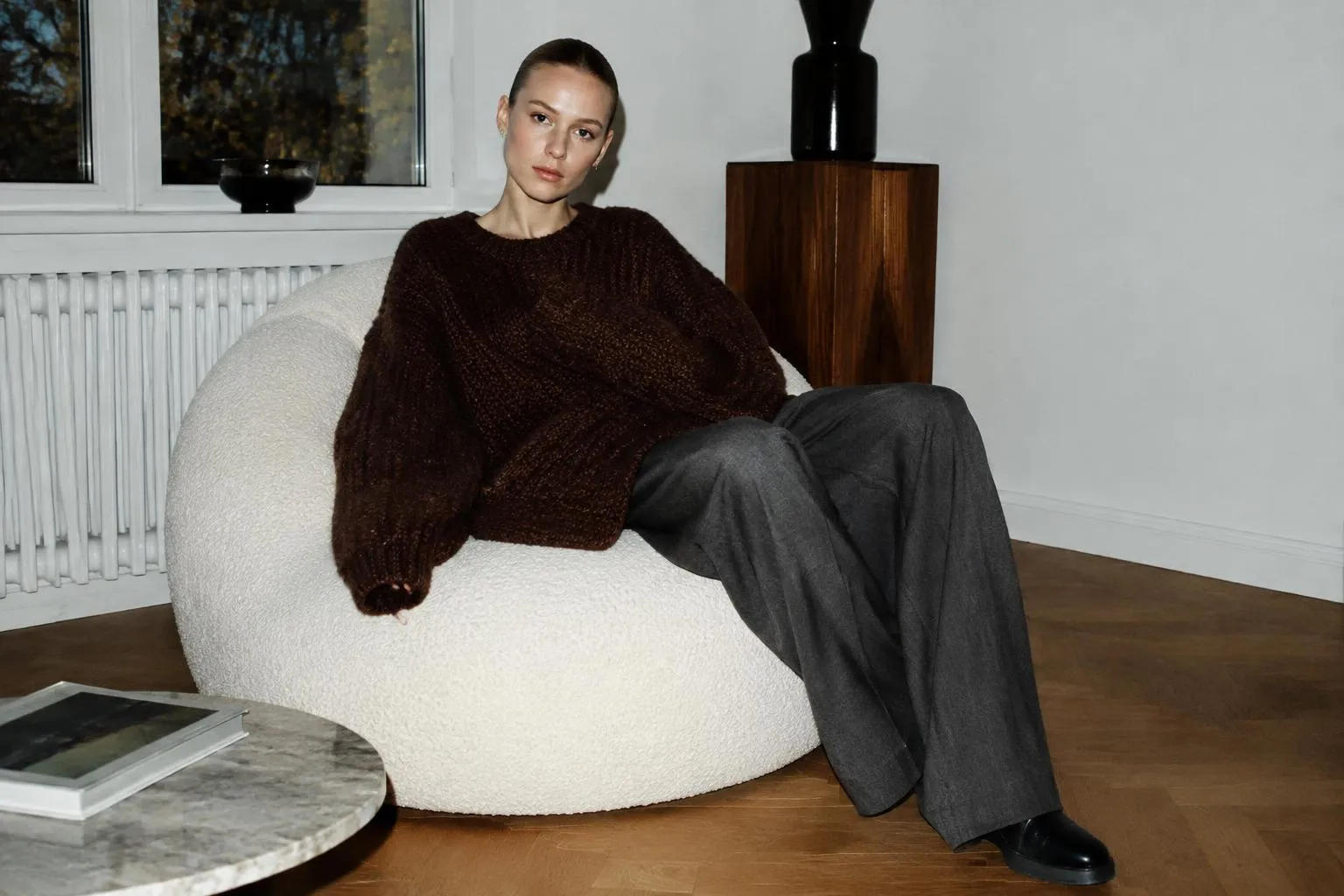
Fine-gauge knit sets, polo-style tops, cardigans and long knit dresses are common. They suit Milan's polished look because they drape cleanly and layer easily under tailoring.
The elegant coat
Camel, gray, black and navy coats, often long and clean-lined, are a fixture. Belted or open, they set the tone of the outfit. A good coat is the most Milanese investment you can make.
Neutral palettes
Cream, beige, taupe, chocolate brown, black, gray and navy form the base. Colors appear as an accent: a red bag, a green coat, a pastel knit. Tonal dressing, in which several shades of the same color family are layered, is a popular approach.
Footwear with finish
Loafers, pointed pumps, sleek boots, refined sneakers and low sandals in warmer weather. Shoes are almost always clean and well maintained, which matters more than the style.
Seven outfit formulas
- The tonal tailor. A camel or cream suit, a fine knit underneath and loafers. Choose different textures so it does not look flat.
- The leather and knit mix. Leather pants or skirt, a fine knit and a long coat.
- The white shirt classic. A crisp shirt, straight pants, a belt and a structured bag.
- The monochrome set. All black or all navy, with variation in fabric: wool, silk and leather.
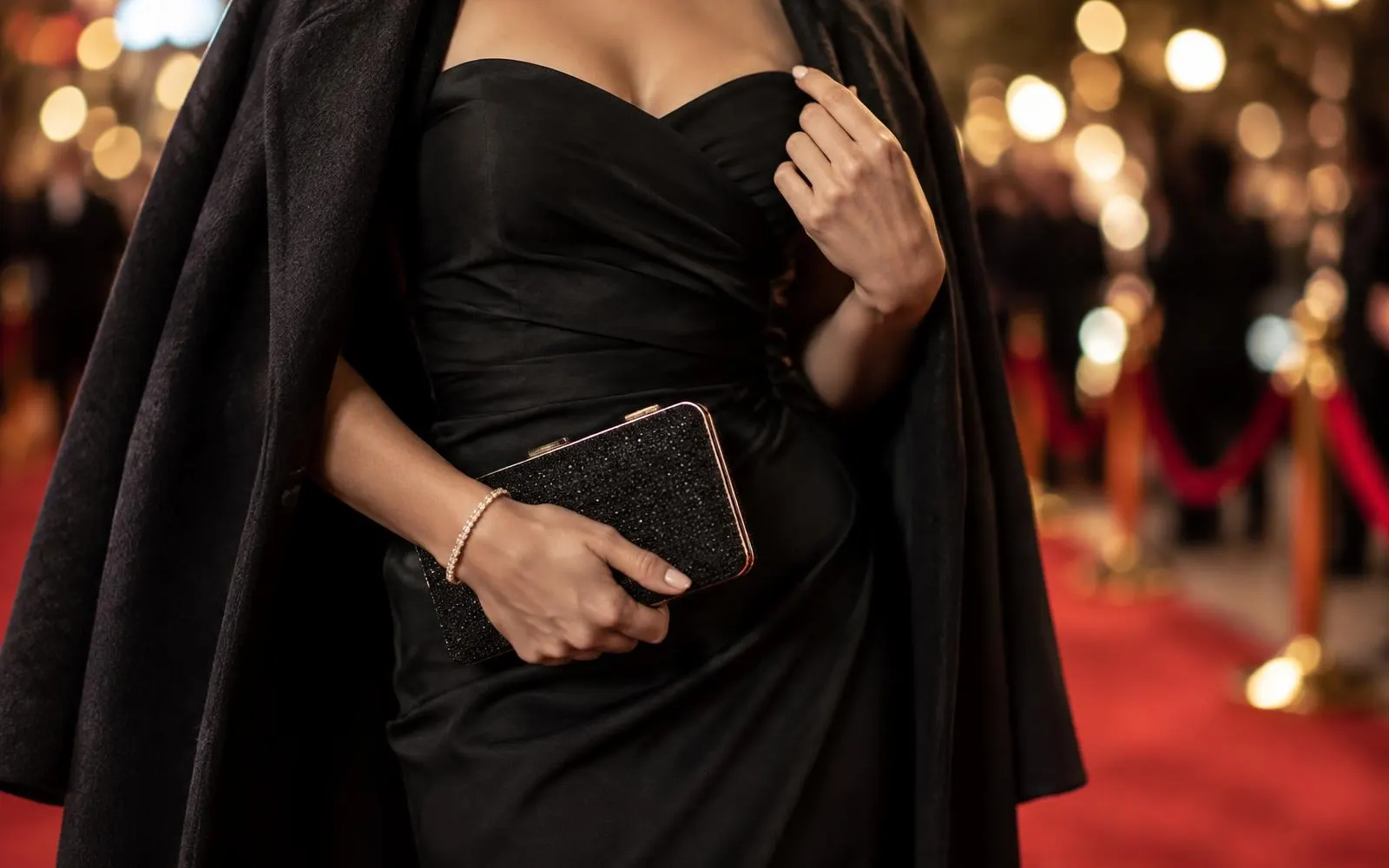
- The dress and coat. A midi dress under a long coat, with pointed boots and simple jewelry.
- The relaxed tailoring look. Wide pants, a fitted tee or knit, an oversized blazer and clean sneakers.
- The accent piece. A neutral outfit finished with a single bright accessory, such as a red bag or colorful scarf.
Dressing for Milan's weather
Climate shapes the looks, and Milan sees clear differences between seasons.
Early autumn in September
The days can be warm, with cooler evenings. Light layers, such as a thin blazer, shirt and pants, work well. A scarf adds flexibility. Choose shoes that handle city pavements and cobblestones.
Late winter in February
Expect cold, damp days. A warm coat, knitwear, boots and a scarf are practical. Lined pants or tights under skirts help. Sunglasses are still common on bright winter days.
Fabric guidance
Wool, cashmere-blend knits, cotton, silk and leather all appear. Choose fabrics that hold their shape through a day of walking and sitting, and avoid pieces that wrinkle heavily.
Accessories that define the look
- Sunglasses. Often large, classic and worn nearly everywhere.
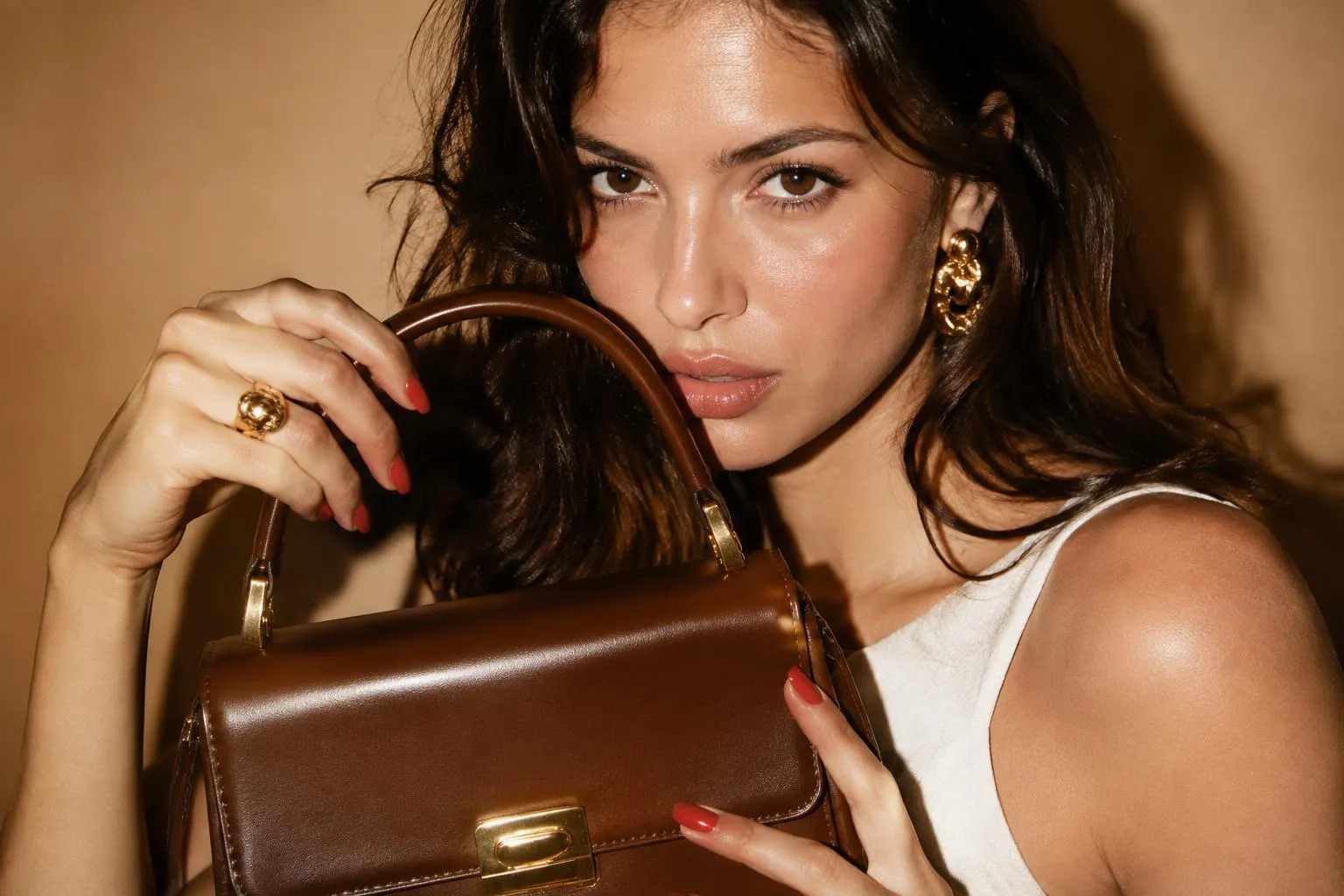
- Bags. Structured shoulder bags, compact top-handle styles and roomy totes in leather. Quality of material is the point.
- Belts. Used to define coats, tailoring and dresses.
- Scarves. Silk scarves tied at the neck or on a bag, and soft wool scarves in winter.
- Jewelry. Gold-toned hoops, simple chains and a few considered rings.
- Watches and small details. Understated accessories complete a polished outfit.
Milan compared with the other cities
| City | Overall mood | What stands out |
|---|---|---|
| Milan | Polished, deliberate | Tailoring, leather, neutral palettes |
| Paris | Effortless, romantic | Tailored basics, trench coats, refined accessories |
| London | Individual, eclectic | Mixed prints, vintage, layering |
To compare, read our guides to Paris Fashion Week street style and London Fashion Week street style. For the closing city of the circuit, see Paris Fashion Week 2026.
How to bring Milan style into your wardrobe
- Start with fit. Take your best pants and jacket to a tailor. A good fit is the foundation.
- Choose a palette. Pick three or four colors that work together and buy within them.
- Invest in one leather piece. A bag, a pair of boots or a jacket in good leather lasts for years.
- Care for your things. Brush wool, condition leather and keep shoes polished.
- Add one signature detail. A scarf, a belt or sunglasses you wear consistently becomes part of your style.
- Skip the excess. A restrained outfit with one strong element is more Milanese than a crowded one.
Common mistakes
- Overaccessorizing. Milan style relies on a few good pieces, not many.
- Neglecting shoes and bags. Scuffed accessories undermine a perfect outfit.
- Wearing ill-fitting tailoring. Sleeves and trouser hems are the first places it shows.
- Forgetting texture. All-neutral looks need variation in fabric to avoid flatness.
- Overdressing for the day. The best Milan looks are polished but still look easy.
Street style by time of day
Milan guests often dress for a full day that moves from shows to meetings to dinner. Some patterns help.
- Morning: Tailored pants or jeans, a knit or shirt, a coat and comfortable loafers. Keep jewelry minimal.
- Midday: Remove or add layers as needed. A structured bag holds essentials without looking bulky.
- Evening: Swap a knit for silk, add a sharper heel or a polished boot and bring out the statement accessory.
Fit notes that make the look
Milan outfits seem effortless because the fit is right. These small checks go a long way.
- Shoulders. Seams should sit at the edge of the shoulder, unless oversized is clearly intended.
- Sleeve length. A jacket sleeve should show a sliver of shirt cuff or end just at the wrist.
- Trouser break. Choose a clean, deliberate hem length with your usual shoes.
- Coat length. Decide whether you want a coat that clears the knee, hits mid-calf or reaches the ankle, and keep the rest of the outfit proportional.
- Knit fit. Fine knits look best close to the body; thicker knits can be looser.
Texture and finish
Neutral palettes only work when surfaces vary. Combine matte and shine, soft and structured. A cream knit with a glossy leather skirt, a gray wool coat with a silk scarf or a navy blazer with suede shoes all show how a limited palette stays interesting. Edges matter too: clean seams, pressed hems and unwrinkled collars.
Hair, grooming and the finishing touches
Milan guests keep grooming sleek and polished. Hair is often smooth, in a low knot or a clean blowout. Makeup leans toward even skin, defined brows and a neutral or classic red lip. Nails are neat and short. The point is to match the clothes: tidy, considered and never fussy.
Where to see the looks
Editorial galleries, photographers and magazine round-ups document the streets each season. Pay attention to repeated details: a coat length, a loafer shape, a color. Our Milan hub brings our coverage together.
Frequently asked questions
What is Milan Fashion Week street style known for?
It is known for polish: sharp tailoring, leather, quality knitwear and neutral palettes with one accent. Shoes and accessories are carefully chosen.
What colors are popular in Milan street style?
Neutrals such as cream, beige, camel, black, gray and navy form the base, often with a single bright accent. Tonal dressing is common.
How do I dress like a Milan Fashion Week guest?
Focus on fit, fabric and a controlled palette. Add a good coat, quality shoes and one standout accessory. Keep the rest simple.
Is Milan street style expensive to copy?
It does not have to be. Invest in fit and a few good pieces, shop secondhand for leather and wool, and use a tailor to improve what you own.
The takeaway
Milan Fashion Week street style is a lesson in restraint. Choose well-made pieces, keep your palette tight and let one detail stand out. That approach works at a show, at the office and on any ordinary day.