The 2026 dress trends share one idea: ease with intention. Dresses this year are fluid rather than rigid, interesting in their details rather than loud in their prints, and designed to move through a day instead of posing for one moment. Think of the drop-waist, the bias-cut slip, the shirtdress in crisp cotton and the romantic tiered midi.
It is late October, so this is an evergreen guide to the year's dress directions: what defined them, which ones have staying power and how to wear them as the weather cools and the next season approaches. You will find the key silhouettes, hemlines and proportions, fabrics and details, colors and prints, and practical styling advice for day and occasion dresses.
Key dress silhouettes
The drop-waist dress
A waistline that sits at the hip rather than the natural waist gives a relaxed, slightly 1920s line. It skims the body, so it flatters many shapes and is easy to wear in summer. Look for a skirt with some movement, such as pleats or gathers, so the dress does not look boxy.
The bias-cut slip
Satin and silk-like slip dresses cut on the bias fall softly along the body. For day, layer them with a knit or a shirt. For evening, wear them alone with delicate jewelry. Quality matters: a good bias cut drapes, and a poor one clings in the wrong places.
The shirtdress
A classic that keeps returning, in cotton poplin, linen or crisp stripes. The 2026 versions lean longer and looser, often belted, with sleeves rolled up. It works from the office to the weekend.
The tiered and gathered midi
Romantic and airy, with layers of fabric that add volume at the skirt. They are comfortable, forgiving and easy in warm weather. Balance the volume with a fitted or simple top half.
The column and sheath
For polished days, a straight, minimal dress in a structured fabric still reads as modern. It benefits from simple accessories and clean tailoring.
The wrap dress
A reliable shape that adjusts to your waist and suits many body types. It travels well and layers easily with tights and boots as temperatures drop.
The knit dress
Fine-gauge knit dresses, both fitted and relaxed, are practical for transitional weather. Wear them with boots or loafers and a coat.
Hemlines and proportions
Midi lengths dominate, with hems landing anywhere between mid-calf and just above the ankle. They are flattering with a range of shoes and practical for work. Mini hems remain a playful option, often balanced with tights or boots in cooler weather. Maxi dresses continue to be popular for their ease.
A few proportion rules help:
- Pair volume with restraint. A full skirt works best with a streamlined top.
- Choose a hem that suits your shoes. A midi looks good with a pointed flat, a boot or a kitten heel.
- Mind the waistline. A drop-waist dress can read longer on the torso, so choose a belt or a shorter jacket if you want to define your shape.
- Layer by length. A longer dress under a shorter jacket creates an elegant vertical line.
Fabrics and details
The right fabric is often what separates a good dress from a great one.
- Poplin and crisp cotton. Structure without stiffness, ideal for shirtdresses and fit-and-flare shapes.
- Linen and linen blends. Relaxed and breathable for warm weather.
- Satin and silk-like fabrics. For slips and evening dresses.
- Lace and eyelet. Delicate texture for romantic looks, in both summer and holiday dressing.
- Sheer layers and organza. Often layered over a slip for a floaty effect.
- Knit and jersey. Comfortable for everyday wear and cool weather.
Details that stand out include:
- Bows and ties at the waist, neck or back.
- Cutouts and open backs in small, deliberate doses.
- Asymmetric necklines and one-shoulder lines.
- Puff sleeves and sheer sleeves for a romantic note.
- Pockets, the quiet detail that makes a dress feel practical.
- Ruching and draping for texture and shape.
Colors and prints
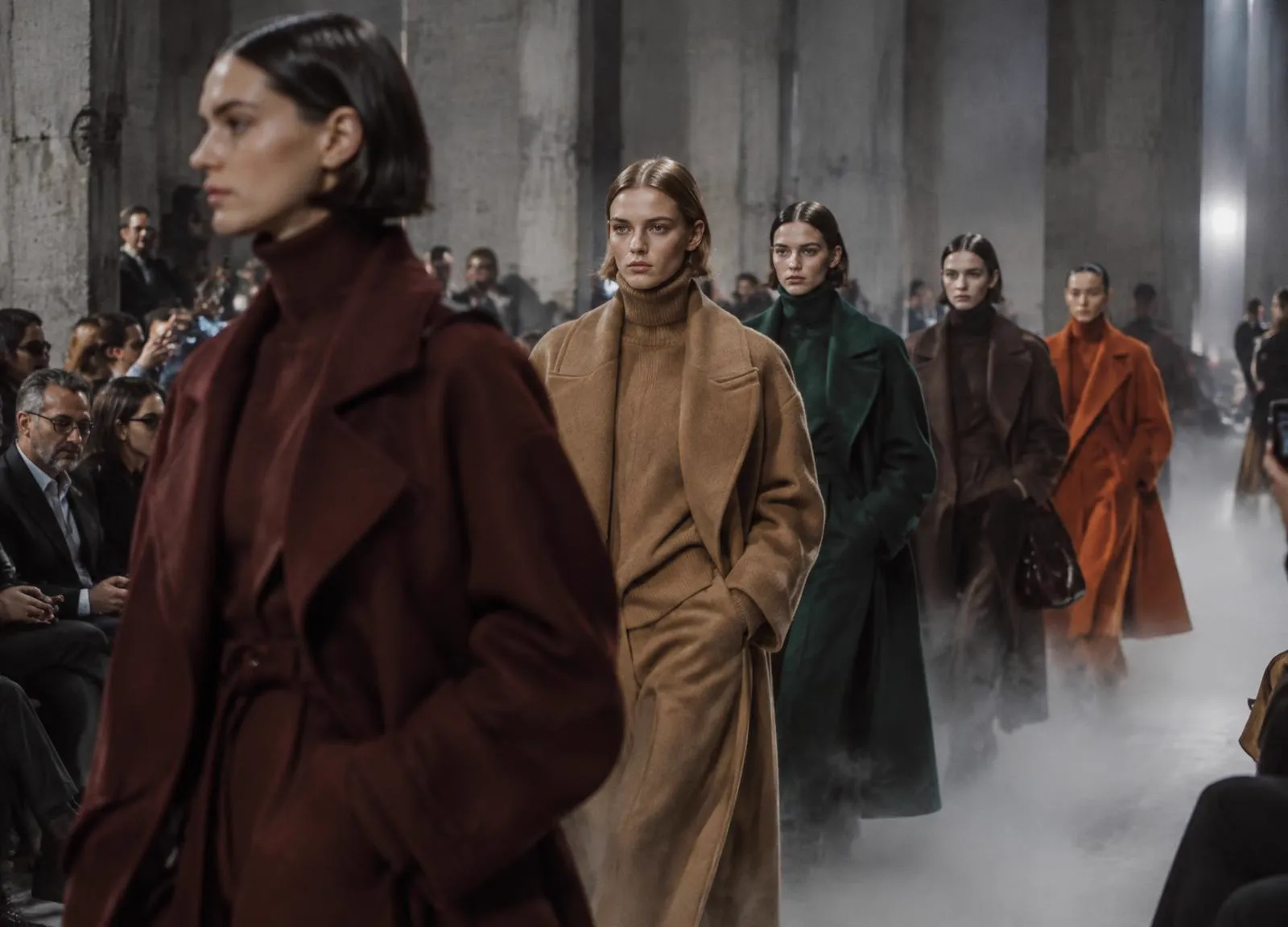
Neutrals stay at the center: white, cream, ivory, black and chocolate brown. They work year-round and make accessories simple. Alongside, soft butter yellow, powder blue and pale pink offer a gentle contrast, while deeper shades such as burgundy, forest green and navy suit fall and winter.
Prints lean romantic and graphic in turns: small florals, polka dots, stripes, gingham and abstract brushstroke patterns. If you are cautious with print, start with a dress where the pattern is small and the background neutral.
Summer dress trends 2026 and how to carry them forward
The summer dress trends 2026 were defined by airiness: eyelet and cotton poplin, tiered skirts, halter and tie-shoulder necklines, and breezy maxi lengths. As the weather cools, many of these dresses stay useful with a few changes.
- Add tights or opaque socks and a loafer or ankle boot.
- Layer a knit over a sundress for a softer proportion.
- Throw on a leather or denim jacket for contrast.
- Swap sandals for boots and keep the same dress.
If you are planning ahead, our guide to spring fashion trends 2026 shows how these shapes evolve as the seasons change.
How to style dresses
Day dresses
For daytime, comfort and polish matter equally. A shirtdress with loafers and a tote, a knit midi with boots, or a wrap dress with flats and a blazer all work. Keep accessories simple: a belt, a watch, small earrings.
Occasion dresses
Occasion dressing is more flexible than it used to be. Satin slips, structured midis and dresses with beautiful details can all suit a dinner, a party or a gala, depending on the invitation. Heels, a clutch and statement earrings are enough. For events with their own strict dress codes, we cover those separately: see our guides to 2026 prom dress trends and wedding dress trends 2026.
Day vs. occasion
A simple test helps you decide which category a dress belongs in:
| Question | Day dress | Occasion dress |
|---|---|---|
| Fabric | Cotton, linen, knit | Satin, crepe, lace, organza |
| Structure | Relaxed or lightly tailored | Sculpted or draped |
| Accessories | Flats, tote, belt | Heels, clutch, jewelry |
| Where it works | Office, weekend, travel | Dinners, parties, celebrations |
The overlap is where the best value lives: a satin slip with a sweater and boots is a daytime dress, and the same slip with heels and earrings is an evening one.
Runway-to-retail signals
Across runways and mainstream retailers, the clearest signals are in the shapes and treatments, not in a single look. Fluid drape, mid-length hems, soft volume, and a pared-back approach to decoration appear at every price level. You can tell a trend has reached retail when you see the same silhouette in cotton, in satin and in knit. That is a sign it is more than a moment.
When shopping for the trend, check these things:
- Fabric weight. Fluid dresses need enough weight to hang well.
- Lining. Light colors and sheer layers need it.
- Seams and finishing. Good stitching shows in the way a hem sits.
- Fit through the shoulders and bust. Hemming is easy, but major alterations in those areas are not.
Dresses that last beyond the season
Not every trend deserves space in your wardrobe. These dress ideas tend to have staying power:
- A well-cut shirtdress in a neutral color.
- A midi wrap dress in a fabric you love.
- A simple slip in a color you wear often.
- A knit dress that works with boots and coats.
Choose styles that suit your life and your existing shoes and jackets, and the trend becomes a bonus rather than the purpose.
Frequently asked questions
What are the biggest dress trends in 2026?
Drop-waist dresses, bias-cut slips, shirtdresses, tiered midis and wrap dresses stand out. Details like bows, soft puff sleeves and subtle cutouts add interest, and midi lengths dominate.
What dress length is in style?
Midi lengths are the most common, with maxi dresses still popular for ease and minis as a playful option. Choose a length that works with your shoes and your daily routine.
Can I wear summer dresses in fall?
Yes. Add tights, boots or loafers, and layer a knit, jacket or coat. Darker colors and heavier fabrics transition more easily, but lighter dresses can work with the right layers.
What colors are trending for dresses?
Cream, white, black and chocolate brown are strong neutrals. Butter yellow, powder blue and soft pink add freshness, while burgundy and forest green suit cooler months.
The takeaway
The 2026 dress trends reward comfortable shapes, thoughtful details and fabrics that move. Pick one silhouette you love, wear it across seasons with layers, and let the details do the talking. For more guides, visit our Dresses section, and for the full overview, read our guide to fashion trends 2026.