The 2026 prom dress trends point toward dresses that feel personal and photograph well without being a costume. Sleek satin columns, corset-structured bodices, soft tulle and bold single-color gowns all sit side by side, so you can choose a direction that suits your taste and your venue instead of following one rule.
This guide walks through the silhouettes, colors, fabrics, necklines and lengths that define the season, then shows how to choose between them. It also covers the practical side of prom shopping, such as timing, school dress codes and alterations. Whether you are planning for this year's wrap-up or the next, the principles below stay useful.
Top prom silhouettes
Prom silhouettes cover a wide range, from fairytale to fluid. These are the shapes that appear again and again.
Ball gowns and full skirts
The classic voluminous skirt remains popular for people who want drama and a "moment" on the dance floor. Look for a structured bodice and a skirt that is full but not so heavy that you cannot move. If you plan to dance a lot, check how the layers behave when you twirl and sit.
Mermaid and trumpet
Fitted through the hip and flaring at the knee or below, these dresses are dramatic and flattering on many figures. They are less forgiving for movement, so test climbing stairs and getting into a car before you commit.
Column and sheath
A straight, elegant line, usually in satin or crepe. Minimal and modern, a column dress relies on fit and fabric. Add interest through a back detail, a slit or a statement accessory.
A-line
Fitted at the bodice and gently flaring from the waist. It suits nearly everyone, moves easily and is the safest choice if you are unsure.
Corset and structured bodices
Boning, seaming and lace-up backs shape the upper body. Corset-style bodices pair with both full and slim skirts. Ensure the bodice fits snugly enough to stay put but allows you to breathe and sit comfortably.
Short and mini dresses
Cocktail-length and mini prom dresses suit more relaxed schools and warm venues. They are practical for dancing and photographs, and they often pair well with bold shoes.
Trending colors
Color is the most personal choice on this list. Instead of chasing a single "color of the year", think about three things: your skin tone and hair, the lighting at your venue, and whether you want to stand out or blend in.
- Deep jewel tones. Emerald, sapphire, ruby and amethyst look rich in most lighting and flatter many complexions.
- Soft pastels. Powder blue, blush, lilac and mint feel romantic and fresh, especially for spring proms.
- Metallics. Silver, champagne and gold catch camera flash and look festive. Matte metallics feel more modern than glittery ones.
- Classic black and white. Timeless, easy to accessorize and impossible to get wrong.
- Bold brights. Red, hot pink and cobalt make a confident statement with minimal accessories.
- Neutral and earthy tones. Chocolate, sage and sand create a quieter, editorial look.
For a wider look at the colors shaping the season, see our overview of dress styles in 2026 dress trends. If you are coordinating with a date or friends, pick one shared accent rather than matching exactly.
Fabrics and embellishment
Fabric controls how a dress moves and how it reads in photos.
| Fabric | Effect | Notes |
|---|---|---|
| Satin | Smooth, glossy, elegant | Shows creases and water marks; steam carefully |
| Tulle | Light, airy, romantic | Can snag; check lining for itchiness |
| Chiffon | Floaty, soft | Delicate; suits warm venues |
| Crepe | Matte, structured | Holds a clean line; forgiving |
| Velvet | Rich, textured | Warm; suits cooler evenings |
| Sequin and beaded | Sparkle, statement | Heavy; check comfort and shedding |
| Lace | Delicate, romantic | Works as overlay or trim |
For embellishment, the key idea is placement. Beading or appliqué on the bodice, a delicate pattern along the hem, or a single jeweled strap gives interest without overwhelming. Sheer panels, corded details, bows and fabric flowers are options when you want texture without sparkle. Pick one embellished focal point rather than several.
Necklines and lengths
Necklines
- Strapless and sweetheart. Classic and elegant; ensure the bodice has enough structure so you are not adjusting all night.
- Halter. Shows off shoulders and balances wider hips.
- One-shoulder. Asymmetric and modern; a good alternative to strapless.
- V-neck and plunge. Elongating; add tape or a liner if you want security.
- High neck and off-the-shoulder. Different moods, from refined to romantic.
- Square and bateau. Clean and graphic, often seen on column dresses.
Lengths and details
- Floor-length is the traditional choice and the safest for formal venues.
- Midi feels fresh and works with statement shoes.
- Mini is playful and practical for dancing.
- High slits add movement; make sure you are comfortable walking and sitting.
- Trains look beautiful but need a plan, such as a loop to lift them while dancing.
Match length to shoe choice. A hem that skims the floor in flats may drag in heels, and vice versa, so bring the shoes to every fitting.
How to choose a trend
With so many options, a simple process helps you decide.
- Start with the venue and the dress code. A ballroom, a gym and a garden each suit different dresses.
- Choose the silhouette you feel best in. Try on three shapes, even if only one appeals at first.
- Pick a color that makes you glow. Hold swatches up to your face in natural light.
- Check comfort. You should be able to sit, dance, hug and eat.
- Decide your accessories after the dress. Jewelry, bags and shoes should support, not compete. Match jewelry to your neckline: statement earrings suit a plain neckline, while a detailed bodice calls for simple studs. There is also a related guide to wedding looks in wedding dress trends 2026 if you enjoy comparing formal silhouettes.
If you want a dress that feels personal, think about a detail you can customize: a different belt, a wrap, a hem length or a back closure.
School-event seasonality
Prom schedules vary widely by school and region, so there is no single shopping calendar. A few general principles apply.
- Start early. Popular dresses and sizes can sell out, and special orders take time.
- Check the school's rules first. Many schools have guidelines on length, cutouts and coverage. Read them before you buy.
- Think about the weather. A spring or early-summer venue favors lighter fabrics; an indoor winter event may suit velvet or long sleeves.
- Plan for alterations. Hemming, taking in the waist or adding bust support can make an inexpensive dress look custom. Allow plenty of time for a tailor.
- Consider the secondhand route. Resale, rental and borrowing are practical for a dress you will wear once.
Trend versus dress-code practicality
A trend is only useful if you can wear it comfortably on the night. Weigh these common trade-offs.
- Sheer panels and cutouts look striking but may breach dress codes; check before you buy.
- Very high slits and plunging necklines need wardrobe-tape and a rehearsal walk.
- Heavy beading may be gorgeous, but it can be uncomfortable after hours.
- Long trains photograph well and are hard to dance in.
- Trend-specific colors may date quickly; neutral or classic colors age better in photos you will keep.
If you are unsure, pick the dress that you will want to see in your photos in ten years, rather than the one that is most "of the moment." The same holds for other youth-led trends; our guides to streetwear trends 2026 and gen z fashion trends 2026 explore how quickly fashions move and which ideas tend to last.
Accessories and finishing
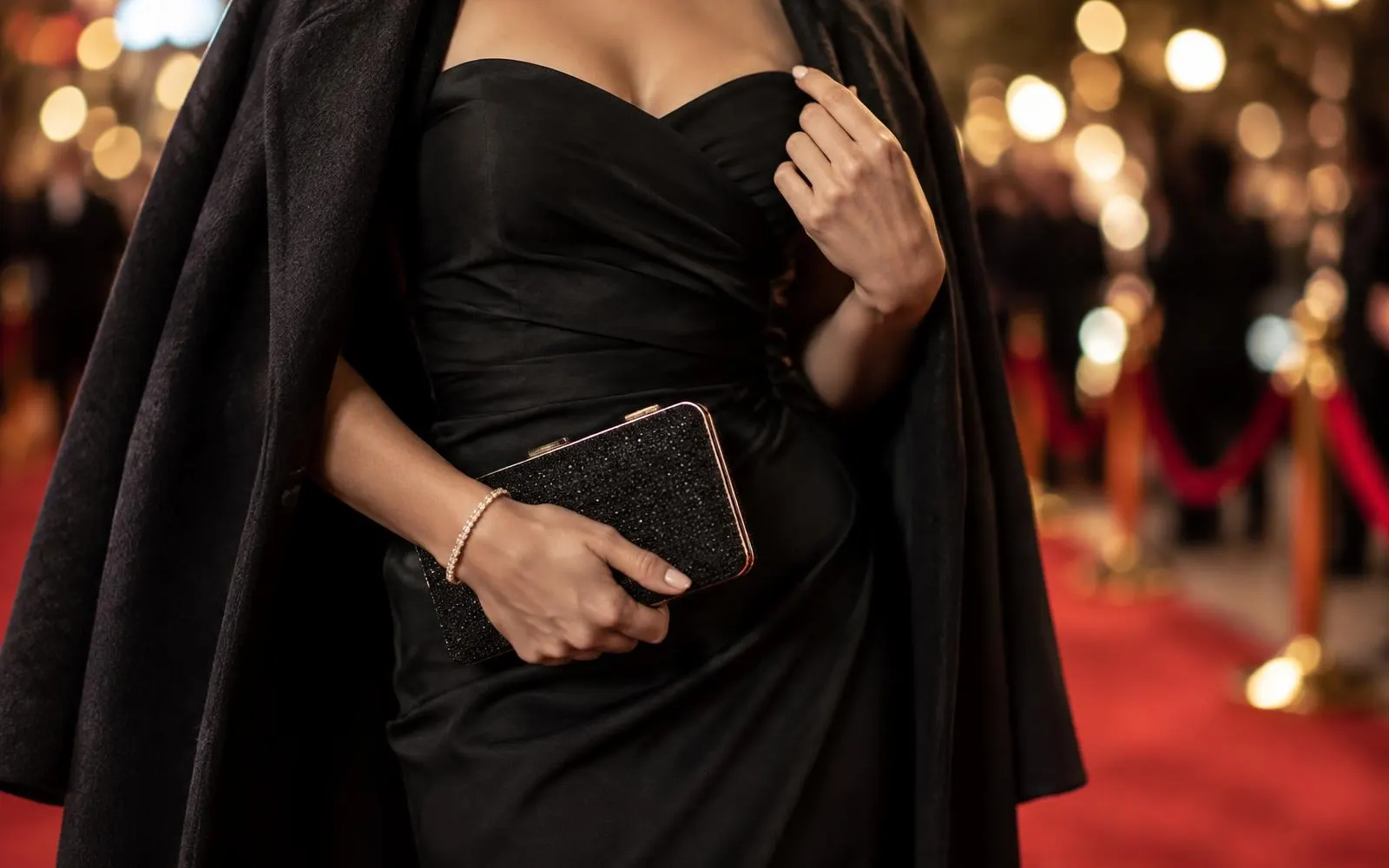
Keep accessories simple when the dress is detailed, and let them lead when the dress is plain. A clutch large enough for your phone, a shawl or jacket for cooler evenings, and comfortable shoes you can dance in matter more than perfect matching. Break shoes in beforehand, and bring bandages or insoles as a back-up.
Frequently asked questions
What are the biggest prom dress trends for 2026?
Corset-style bodices, sleek satin columns, soft tulle skirts, jewel tones and bold single-color gowns are leading directions. Short and midi lengths also sit alongside traditional floor-length gowns.
How do I choose a prom dress color?
Hold fabric swatches near your face in natural light and consider your venue's lighting. Jewel tones, classic black and soft pastels flatter many complexions, but the best color is the one you feel confident in.
When should I start shopping for a prom dress?
As early as you can, because popular styles and sizes sell out and alterations take time. Check your school's dress code before ordering.
How do I make sure my dress is comfortable for dancing?
Test it by sitting, walking up stairs and raising your arms in the fitting. Choose breathable fabrics, secure straps or a structured bodice, and a hem length that works with your shoes.
The bottom line
The best prom dress balances the trend you like with the fit you can wear all night. Start with the venue and your comfort, choose a silhouette and color that feel like you, and keep accessories supportive. For more ideas across youth and event style, visit our Culture & Subcultures section.