The most useful winter fashion trends 2026 are the ones that keep you warm and still look deliberate: sculpted outerwear, rich knitwear, polished boots and a palette that moves beyond black. This guide breaks down the silhouettes, fabrics and accessories shaping cold-weather wardrobes, with practical ways to wear each one.
It's late October 2026, so the fall and winter season is already underway in stores and on the street. Think of this as a working guide to the direction of winter 2026 fashion: what to look for, what to skip and how to build looks that will still make sense next year.
Winter Silhouettes: Volume on Top, Clean Lines Below
The defining winter silhouette this season pairs generous volume on the upper half with a streamlined lower half. It's a proportion game, and it works because cold weather already calls for layers.
- Roomy shoulders and cocoon shapes in coats and jackets, balanced by slim or straight pants.
- Long, fluid skirts and dresses worn with substantial knitwear on top.
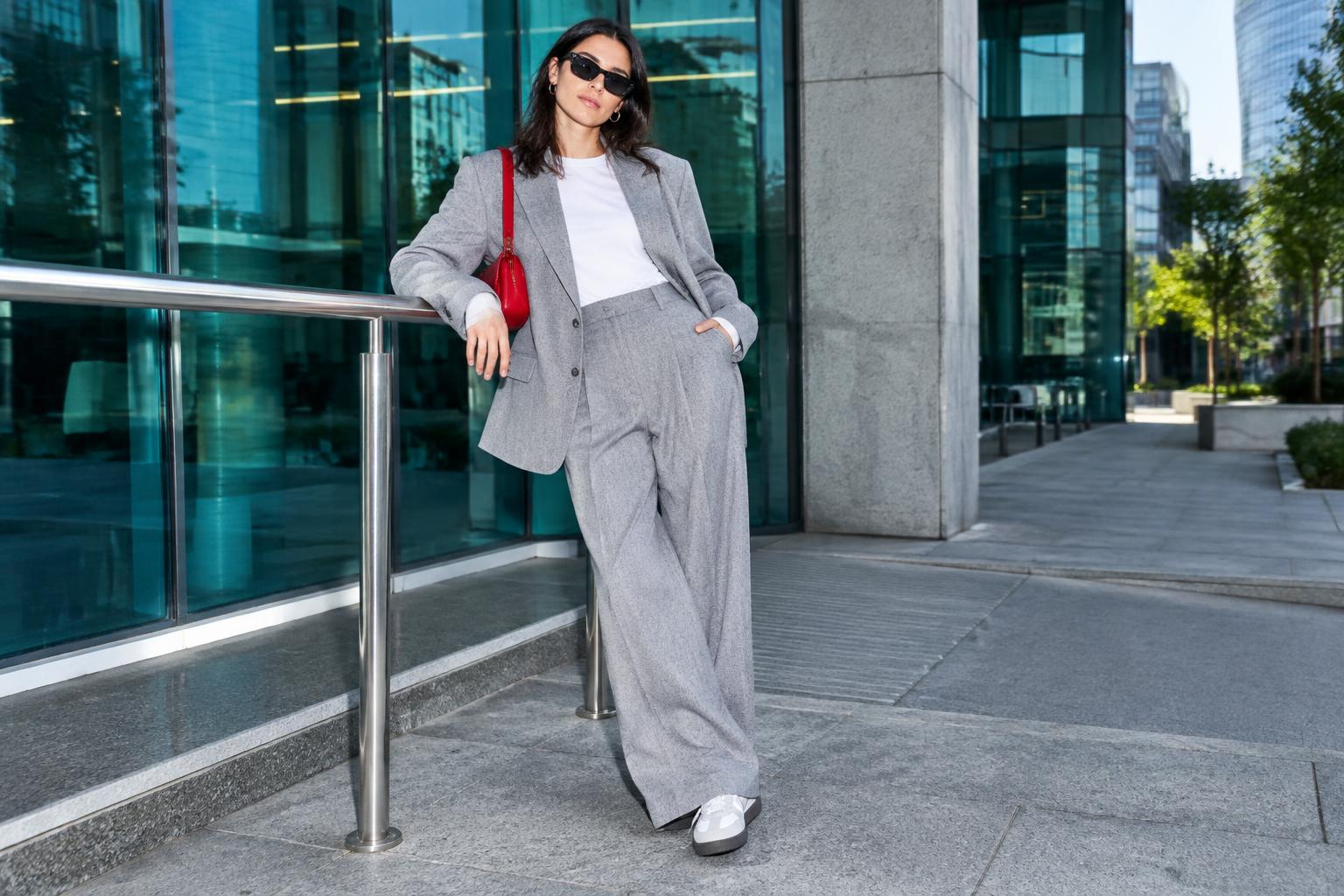
- Tailored pieces with a relaxed edge, such as a wide-leg trouser with a softly structured blazer.
The trick is to keep one element fitted. If your coat is oversized, choose a column of color underneath. If your pants are wide, pick a closer-fitting sweater. Proportion, not size, is what makes a winter outfit look intentional.
Coats and Layers: The Heart of the Season
Outerwear is where winter fashion trends 2026 are most visible, and it's also where the best investment sits. A good coat is worn almost daily for four or five months, so it deserves the most attention in your budget.
The Coats to Know
- The long wrap or belted coat: it cinches the waist without adding bulk and works with nearly any outfit.
- The oversized wool coat: a classic that's been reworked with softer shoulders and longer lengths.
- Shearling and faux shearling: warm, textured and a little rugged. Faux versions have become more convincing, so you can choose based on your own preferences.
- The leather or leather-look jacket: a sharper alternative for milder days, layered over knitwear.
- The puffer, refined: look for sleek, matte finishes and cleaner lines, which let it pass beyond the weekend.
How to Layer Without Bulk
Layering is a skill, and it follows a rule: thin to thick, and fitted to loose. Start with a thermal or fine-knit base, add a mid-layer such as a cardigan or sweater, then finish with your coat. Avoid stacking too many bulky knits, which makes it hard to move and spoils the line of your coat.
For a deeper look at how the whole year is shaping up, read our guide to fashion trends 2026.
Cold-Weather Fabrics Worth Seeking Out
Texture does a lot of the work in winter dressing. When the colors are subdued, the fabric is what makes an outfit feel rich.
| Fabric | Why it works | Best for |
|---|---|---|
| Wool and wool blends | Warm, breathable, holds shape | Coats, pants, blazers |
| Cashmere and fine merino | Soft, light, insulating | Sweaters, scarves |
| Chunky knits | Visible texture, cozy appeal | Cardigans, wraps |
| Leather | Wind-resistant, ages well | Jackets, boots, skirts |
| Corduroy and velvet | Depth and a vintage mood | Pants, blazers |
| Shearling | Heavy warmth, tactile | Coats, collars, lined boots |
When you shop, check the fiber content label. Natural fibers or blends with a high percentage of wool or cashmere tend to keep their shape and resist pilling better than low-quality synthetic knits. A tight, even weave also feels more substantial and lasts longer.
Boots and Accessories
Footwear sets the tone in winter because it's visible every day. The strongest direction is toward sleek, grounded boots that can handle weather but don't look purely functional.
- Knee-high boots with a low or block heel: elegant with skirts and with slim pants tucked in.
- Ankle boots with a pointed or softly squared toe: easy with cropped pants and jeans.
- Lug-sole boots for rain, snow and city streets, in leather or suede with weather treatment.
- Over-the-knee styles for evening, paired with a coat that reaches the thigh or longer.
Accessories That Do More Than Decorate
Scarves, hats and gloves are practical, and they're also an easy way to update an old coat.
- An oversized scarf or wrap in wool or cashmere adds both warmth and texture.
- Knit hats, from beanies to brimmed styles, finish a casual outfit.
- Leather gloves in a rich color give a polished edge.
- A structured bag, large enough for layers and daily essentials. Roomy but shaped totes and top-handle styles suit the season.
The Winter Color Story
Black is still a reliable winter anchor, but the season leans toward deeper, richer shades that bring warmth to gray days.
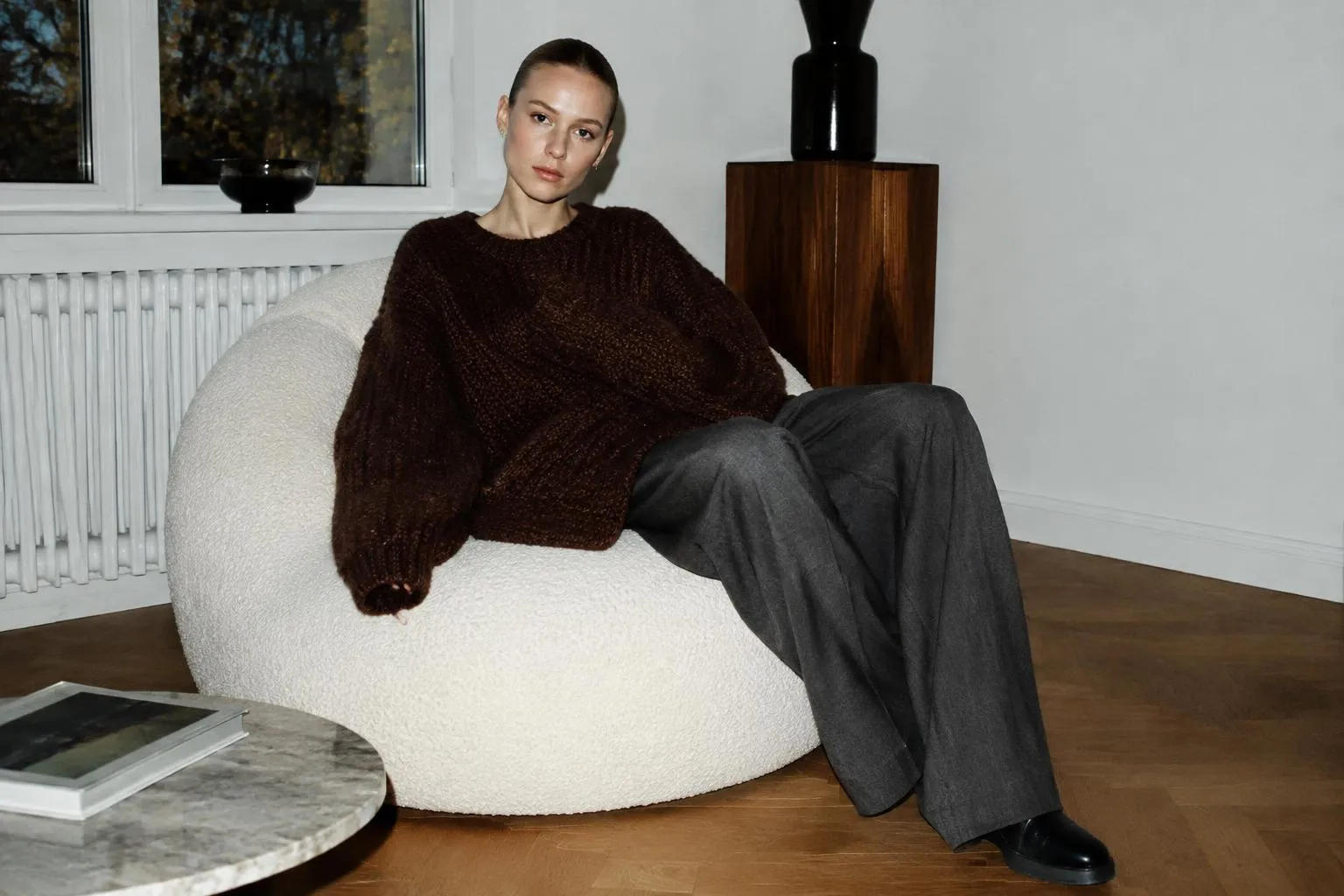
- Chocolate and espresso brown, as an alternative to black in coats, boots and knitwear.
- Burgundy and wine, which look especially good in leather and wool.
- Forest and bottle green, strong against neutrals.
- Charcoal, camel and cream, the classic neutrals that blend into any wardrobe.
- One bright accent, such as cobalt or a bold red, for a scarf or bag.
The simplest approach is to pick two core neutrals and one accent, then repeat them across pieces. For a bigger picture of the palette, check our guide to fashion color trends 2026.
From Fall to Winter: Making the Transition
The fall winter fashion trends 2026 overlap more than they compete. Many of the pieces you bought in September, such as a trench, a lightweight leather jacket or fine knits, become the base layers of December. The shift is mostly about adding warmth underneath instead of replacing everything.
- October to November: wear your jacket over a sweater and swap sandals for boots.
- December to February: add a thermal base layer, switch to your heaviest coat and bring in wool socks.
- Late winter: lighten the palette with cream knits or a lighter scarf while the weather is still cold.
This approach keeps your wardrobe working across several months and cuts down on impulse buying. Ask whether a new piece works in both fall and deep winter; if it does, it's a safer purchase.
Practical Cold-Weather Styling
Five Formulas to Try
- The monochrome column: a sweater, pants and coat in close tones of brown or gray. Add boots in the same family.
- The tailored casual: a wool coat, straight jeans, a fine knit and leather ankle boots.
- The dress, winterized: a midi dress with tights, knee-high boots and a long coat.
- The cozy contrast: a chunky cardigan over a slip skirt, grounded by lug-sole boots.
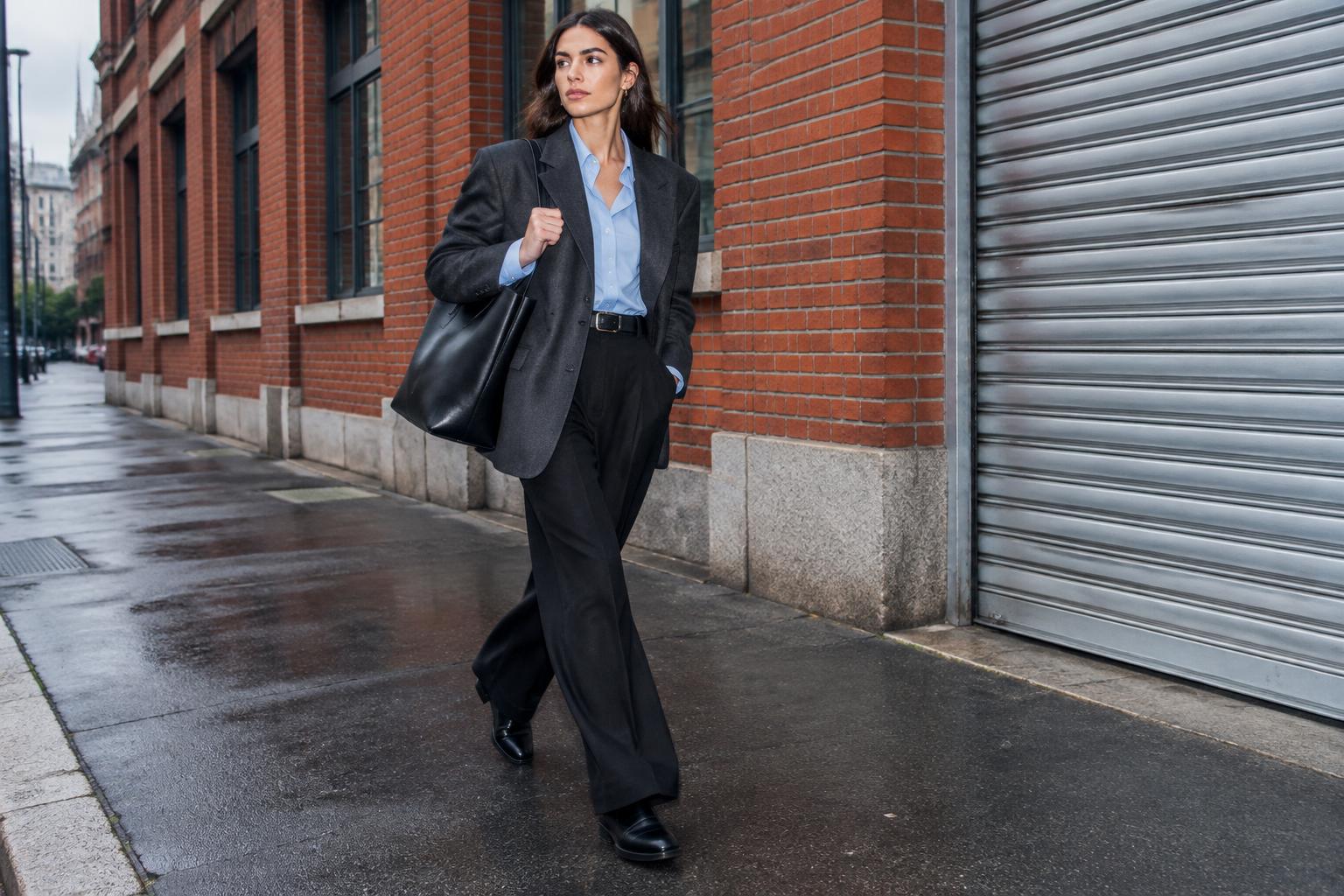
- The office layer: wide-leg pants, a crisp shirt, a cashmere sweater and a structured coat.
Dress for the Climate You Actually Live In
Winter in Minneapolis isn't winter in Los Angeles. If you live somewhere cold, prioritize warmth and traction first, then style. In milder places, lighter layers and a single great coat go further than a full arctic wardrobe. In wet climates, treat suede and leather with a protector and keep a pair of weatherproof boots at the door.
Stretching Your Budget
You don't need to buy everything this season. Invest in the coat and the boots, which do the heaviest lifting, then fill in with mid-range knitwear and accessories. Check your closet first: a pair of classic pants or a good blazer may only need a new styling partner.
Runway Influence, Translated for Real Life
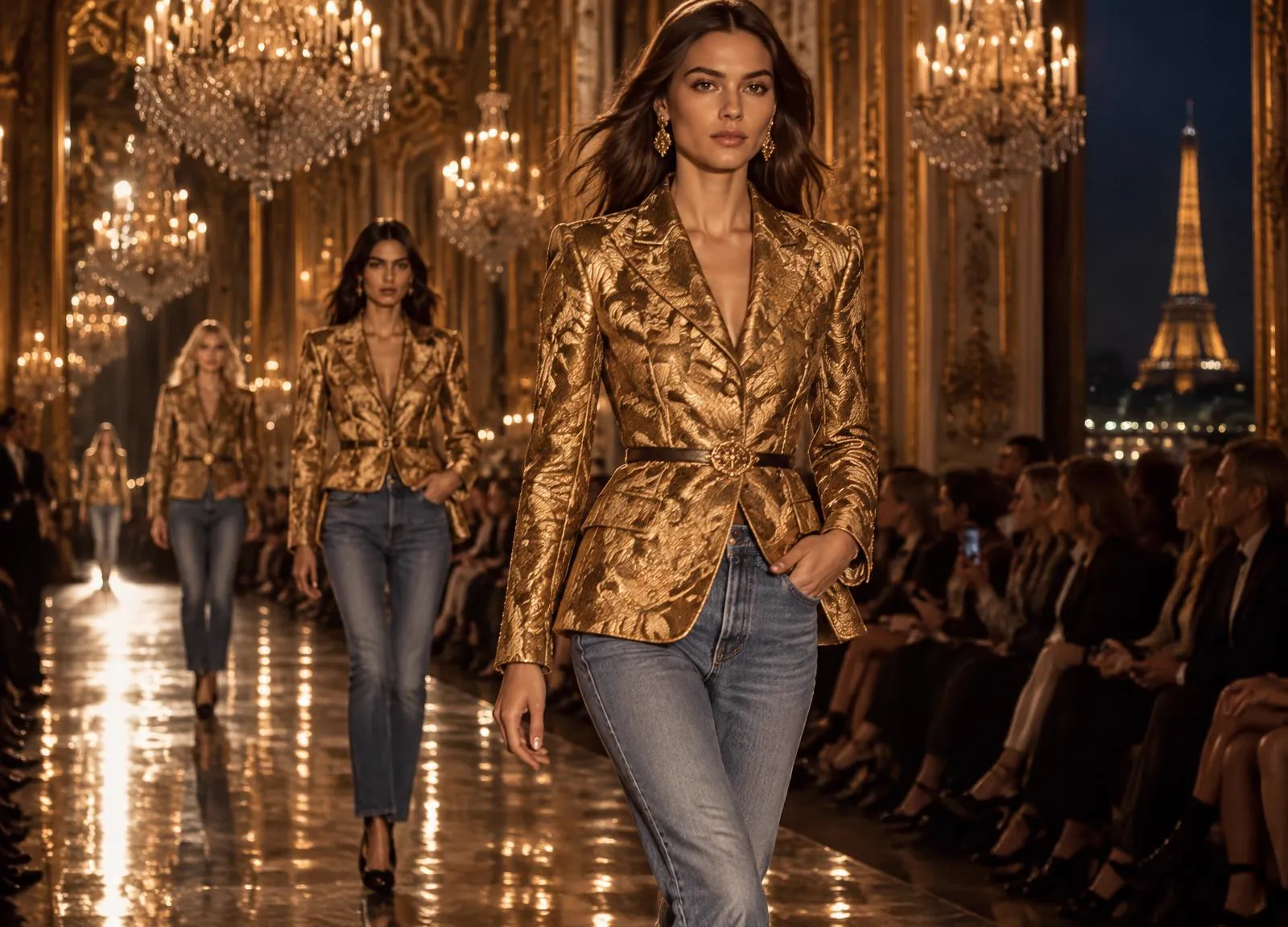
Across recent runway and street-style coverage, winter collections tend to emphasize tailoring, texture and layering. The way these ideas filter down is predictable: designers introduce a silhouette or material, and mainstream retailers translate it into approachable versions a season or two later.
What does that mean for you? Take the idea, not the exact piece. If you see a dramatic fur-trimmed coat on a runway, the everyday version might be a wool coat with a textured collar. If a collection features sculptural knitwear, look for a sweater with an interesting stitch or a roomy shape. The runway is a source of direction, and your wardrobe makes it wearable.
Caring for Your Winter Pieces
Winter clothes work hardest, so care makes the difference between one season and many. Wool coats need a brush after wear and professional cleaning only when necessary. Knits should be folded, never hung, and washed gently according to the label. Leather benefits from conditioning, and suede from a protective spray and a soft brush. Let wet boots dry naturally, away from direct heat, which can crack leather.
What to Avoid
- Too many trends at once. Pick one or two, and keep the rest classic.
- Thin fabrics in extreme cold. Warmth first.
- Ignoring fit in your coat. If you can't move your arms, you won't wear it.
- Buying cheaper pieces that pill quickly. Fewer, better pieces serve you longer.
- Skipping the care. Brush wool, store coats on wide hangers and use shoe trees in boots.
Looking Ahead
Winter is only part of the year's story. When the weather warms, many of these ideas evolve: a long coat becomes a lightweight trench, and a rich knit becomes an open-weave layer. For the next season, explore our guide to spring fashion trends 2026, and for the warmest months, read about summer fashion trends 2026. You can find more cold-season coverage in our Winter section.
Frequently Asked Questions
What are the biggest winter fashion trends for 2026?
The standout directions are sculpted, roomy outerwear, rich knitwear and sleek boots. The color story leans toward deep browns, burgundy and green rather than only black.
What coat should I invest in this winter?
A long wool or wool-blend coat in a neutral shade is the most versatile pick. Look for good shoulder fit, enough room for a sweater underneath and a quality lining.
What colors are in for winter 2026 fashion?
Chocolate brown, burgundy and forest green are strong choices, alongside classics like charcoal, camel and cream. A single bright accent can freshen a neutral outfit.
How do I layer without looking bulky?
Layer from thin to thick: a fine base, a mid-weight knit and an outer coat. Keep one layer fitted, and avoid stacking too many chunky pieces.
The Bottom Line
The best winter fashion trends 2026 reward practical choices: a great coat, boots you can walk in, rich colors and good fabrics. Build from those pieces, add one or two trend details and let the weather guide the rest.