Gen Z fashion trends 2026 are best understood through behavior, not just clothes. This generation shops secondhand first, mixes eras without apology, and treats outfits as a form of self-editing that happens in public, online and in the group chat. The result is a look that is eclectic, personal and often surprisingly practical.
This is an evergreen guide to the styles and habits that defined the year and the ones likely to last. We cover silhouettes, nostalgia cycles, vintage and resale, shoes and accessories, and how social media decides what spreads. If you want the all-ages view, start with fashion trends 2026; here we focus on the cohort.
Key silhouettes
The dominant shapes of youth fashion this year share one quality: they are easy to wear and easy to remix.
- Baggy and wide-leg denim. Loose jeans, carpenter styles and low-slung fits remain the default for many. The look usually pairs a relaxed bottom with a fitted or cropped top.
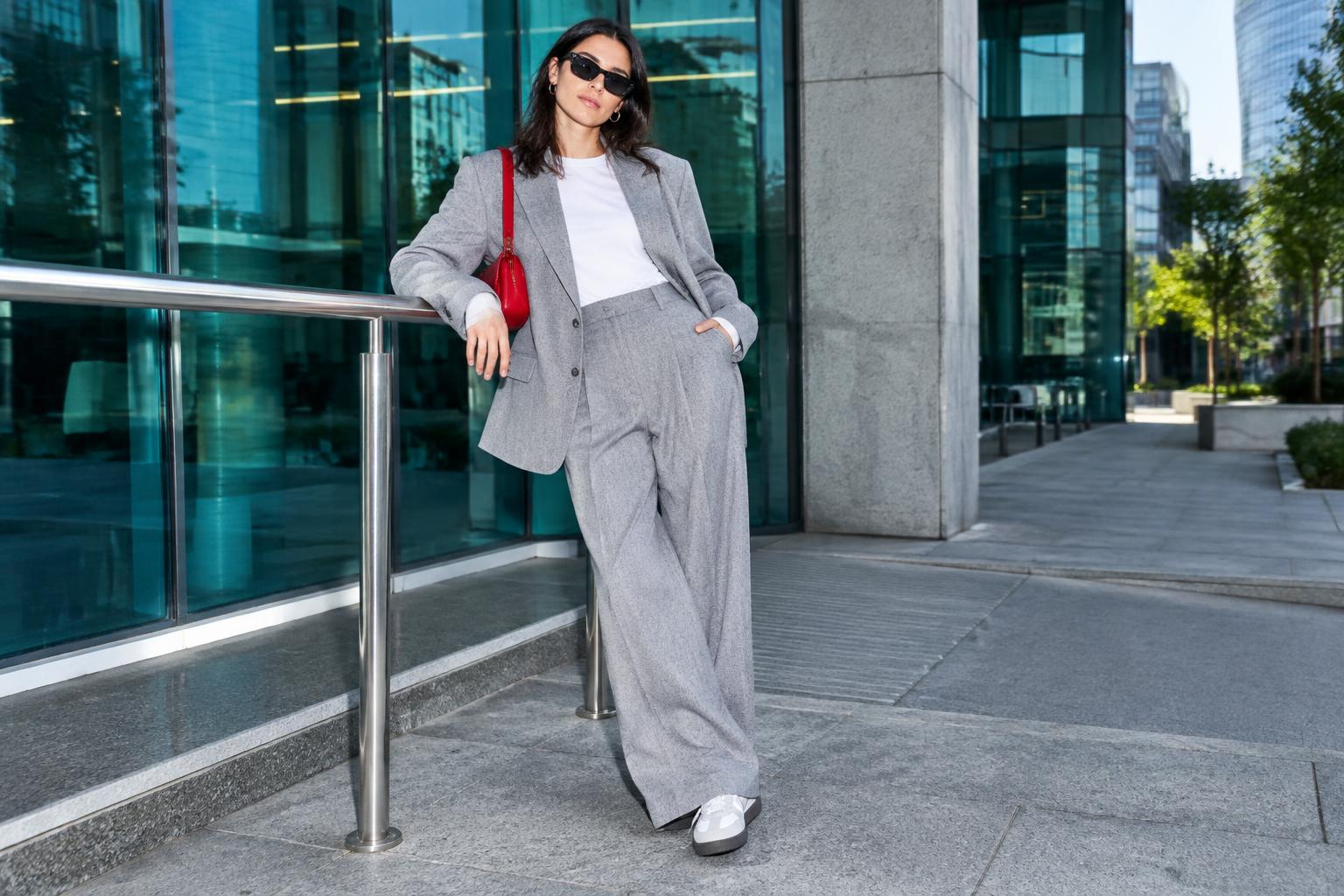
- Oversized outerwear. Boxy bombers, big puffers, longline coats and oversized blazers are layered over simple basics.
- Cropped and boxy tops. Short tees, baby tees and fitted knits balance wide pants.
- Mini skirts and skorts. Short hems paired with chunky shoes or boots, and often with leggings or tights for layers.
- Sheer and layered pieces. Mesh, lace and thin knits are worn over camisoles or bodysuits.
- Athletic-inspired items. Track pants, zip-up jackets and sports-style shorts moved from the gym into daily wear.
A useful way to wear these is the "one big, one small" rule: pair one voluminous piece with one fitted piece to keep the outfit readable.
Nostalgia cycles
Youth fashion borrows heavily from the past, and each wave tends to return roughly two decades later. Right now, early-2000s references remain strong, from low-rise shapes and baby tees to bright accessories. Alongside them, ideas from the 1990s and the 1970s appear, such as slip dresses, utilitarian cargos, flared pants and suede jackets.
What makes the current approach distinctive is how it mixes. A Y2K top might be worn with a vintage jacket and modern sneakers. The nostalgia is a vocabulary, not a costume. If you want to try a throwback look without feeling dressed up, use one era-specific piece and keep everything else contemporary. The easiest test is whether the piece still works if you remove the era label: a good low-rise skirt or baby tee should look right with a modern sneaker.
Secondhand and vintage influence
Secondhand is no longer a niche habit. Thrift stores, resale apps, vintage shops and clothing swaps are central to how many young shoppers build their wardrobes. The reasons are practical and cultural at once: cost, individuality and sustainability concerns.
How to shop secondhand well
- Have a short list. Know the silhouettes and colors you need, so a rack of options feels manageable.
- Check the fabric first. Natural fibers like cotton, wool and linen usually age better than thin synthetics.
- Inspect construction. Look for strong seams, working zippers, intact linings and no stains under arms or collars.
- Try it on. Vintage sizing differs from modern sizing, so rely on measurements.
- Budget for tailoring. A small hem or waist adjustment can turn a thrifted piece into your best item.
Customization
Upcycling is a major part of the look: cutting hems, adding patches, swapping buttons or restyling denim. These small changes make pieces unique and are also a way to extend the life of clothes you already own.
Shoes and accessories
Footwear and accessories carry much of the personality in youth style.
- Sneakers. Retro runners, skate shoes and low-profile trainers are staples. Worn-in looks are often preferred over pristine.
- Ballet flats and mary janes. A softer counterpoint to baggy denim.
- Boots. Chunky lug-sole boots and slim western-influenced pairs appear in colder months.
- Bags. Small shoulder bags, oversized totes and crossbody styles in practical materials.
- Jewelry. Layered chains, stacked rings and mismatched earrings; chunky metal mixes with thrifted charms and inherited pieces.
- Small accessories. Hair clips, bandanas, bag charms, baseball caps and statement socks.
Accessories are where the "mix, don't match" principle is most obvious. Bag charms, pins and patches personalize otherwise simple outfits.
Outfit formulas that work
These combinations capture the year's mood and are easy to build from thrifted and everyday pieces:
- Baggy jeans + baby tee + zip-up jacket + retro sneakers. The default weekend formula.
- Mini skirt + oversized knit + chunky boots. Short hem, big top, heavy shoe for balance.
- Track pants + fitted knit + ballet flats. Sporty and soft at once.
- Slip dress + boxy jacket + sneakers. A nostalgic piece made casual.
- Wide pants + cropped cardigan + tote with bag charms. Classroom or campus ready.
In each case, one element is oversized, one is fitted, and one detail is personal.
Social-first trend signals
Social platforms shape how trends travel. A look can spread through short videos, outfit-of-the-day posts, thrift hauls and styling tutorials in a matter of days. Understanding the pattern helps you choose what to adopt.
- Aesthetic labels. Named styles help people find and share looks, but most are loose and overlap.
- Creator styling. Showing how to wear one piece in several ways matters more than any single outfit.
- Community sharing. Resale listings, swap groups and "get ready with me" posts normalize wearing and re-wearing.
- Fast cycles. Visibility can inflate the sense that a trend is universal when it may be seen mostly online.
Streetwear is one of the strongest crossovers between online culture and daily dressing; our guide to streetwear trends 2026 covers how it filters into everyday style, while event dressing has its own rhythm, as seen in 2026 prom dress trends.
Microtrends vs. durable trends
Fast-moving online fashion has made microtrends a defining feature of the era. The practical question is how to enjoy them without filling your closet with items you wear twice.
Signs of a microtrend
- It depends on one very specific item or detail.
- It relies on a particular color or print that clashes with your existing clothes.
- It is hard to wear in more than one way.
- It feels urgent, as if it must be bought immediately.
Signs of a durable trend
- It is a silhouette or category, such as wide-leg denim or boxy outerwear.
- It works with items you already own.
- It has appeared across multiple seasons and age groups.
- It is available in good fabric at different budgets or secondhand.
A sensible approach is to anchor the wardrobe in durable pieces and let microtrends enter through low-risk, low-cost items such as accessories, socks or a single thrifted find.
Gen Z styling behavior
Several habits stand out across the cohort, and they explain why the clothes look the way they do.
- Outfit repetition is normal. Wearing a favorite piece again is increasingly accepted.
- Value is judged in "cost per wear". Pieces are valued for how often they get used.
- Comfort is non-negotiable. Soft fabrics, stretch waistbands and flat shoes dominate.
- Identity over uniformity. Many people borrow from several aesthetics instead of committing to one.
- Gender-neutral shopping. Men's, women's and unisex sections are all fair game.
- Research before buying. Reviews, fit videos and comparison posts guide purchases.
Carrying 2026 forward
As the year closes, it is useful to ask which items from your wardrobe actually worked. Baggy denim, a good jacket, a versatile sneaker and a few thrifted gems tend to survive every cycle. Plan next season around those, add accessories for novelty, and resist replacing everything at once.
A quick end-of-year audit helps. Pull out everything you have not worn in the past few months and ask why. If the answer is fit, consider tailoring. If it is mood, consider swapping or reselling. If it is a microtrend that has faded, store it for a while, since nostalgia cycles sometimes bring pieces back. Whatever stays should earn its place by working with at least three other items you own.
Frequently asked questions
What are the main Gen Z fashion trends in 2026?
Baggy and wide-leg denim, oversized outerwear, cropped tops, nostalgic early-2000s references and heavy use of secondhand and vintage pieces are leading directions. Personalization through accessories and upcycling ties them together.
Why is secondhand shopping so important to Gen Z style?
It offers individuality, affordability and a lower environmental impact than buying new. Thrifting and resale also make it easier to experiment with different eras and silhouettes.
How can I tell a microtrend from a lasting trend?
Lasting trends are silhouettes or categories that work with what you own and appear across seasons. Microtrends hinge on a single item or detail and often feel urgent.
How do I try a trend without overspending?
Start with accessories or one thrifted piece, and keep the rest of the outfit familiar. Check that you can wear it at least three different ways before you buy.
The bottom line
Gen Z fashion this year is eclectic, secondhand-friendly and driven by personal taste. Take the ideas that suit you, anchor them with durable pieces and treat microtrends as playful extras. For related coverage, explore the Culture & Subcultures section and our look ahead in spring fashion trends 2026.