The best summer dresses are breathable, light on the body and easy to wear from morning to evening. In a British summer, which can swing from warm and humid to cool and wet within a day, they also need to layer well and cope with a sudden change of weather.
This guide is a buyer's guide, not a ranked list of products. It explains which fabrics keep you cool, which shapes work for different figures, how to check for opacity and construction, how to choose by occasion and budget tier, and how to care for a dress through a season of wear. Use it as a checklist when you shop.
Quick picks: summer dresses by need
| If you want... | Look for |
|---|---|
| Maximum coolness | Loose cotton, linen or lyocell in a smock or shirt shape |
| An easy everyday option | Cotton or viscose midi with short sleeves and pockets |
| Holiday packing | Crease-resistant, quick-drying fabric that folds small |
| A dress for warm evenings | Satin or crepe slip, wrap or fit-and-flare |
| Beach to dinner | A lightweight maxi or shirt dress that dresses up with sandals and jewellery |
| A pretty, practical option for work | Midi shirt dress or A-line in a breathable, opaque fabric |
You will find more shape-specific advice in our guides to the best maxi dresses and best petite dresses, and a wider overview in the best dresses for women guide.
Fabrics that work in warm weather
Cotton
Breathable, absorbent and easy to wash. Look for a smooth weave, such as poplin, voile or lawn, for a crisp or soft finish. Seersucker and broderie anglaise add texture and stay away from the skin.
Linen and linen blends
Very breathable and quick drying, but prone to creasing. A blend with viscose or cotton softens the fabric and reduces wrinkles. Embrace the lived-in look, or choose a blend if you prefer a smoother finish.
Viscose and lyocell
Soft, fluid and cool against the skin. They drape beautifully, but can crease and may shrink if washed carelessly. Always follow the care label.
Polyester and recycled blends
Can be durable, wrinkle-resistant and quick drying. Choose lightweight, well-woven versions, because dense or shiny polyester can feel hot. Check that the fabric breathes.
Jersey and knits
Comfortable and forgiving, though thick jersey can feel warm. Lightweight cotton or viscose jersey suits relaxed, everyday styles.
Satin and crepe
For evenings and occasions. Both are lighter in summer weights, and lining helps comfort.
Shapes that suit summer
Smock and tiered
Roomy and breezy. Good for hot days and holidays, though very full skirts can feel overwhelming on a shorter frame.
Shirt dress
Practical and polished, with sleeves for sun cover. Belt it to define the waist, or wear it loose and open as a light layer.
Wrap dress
Adjustable and flattering. Choose a secure closure so that the wrap stays put in a breeze.
Slip dress
Simple and elegant. Layer with a cardigan or shirt for cooler days.
A-line and fit-and-flare
Flattering and easy to move in. They suit work and parties.
Sundress
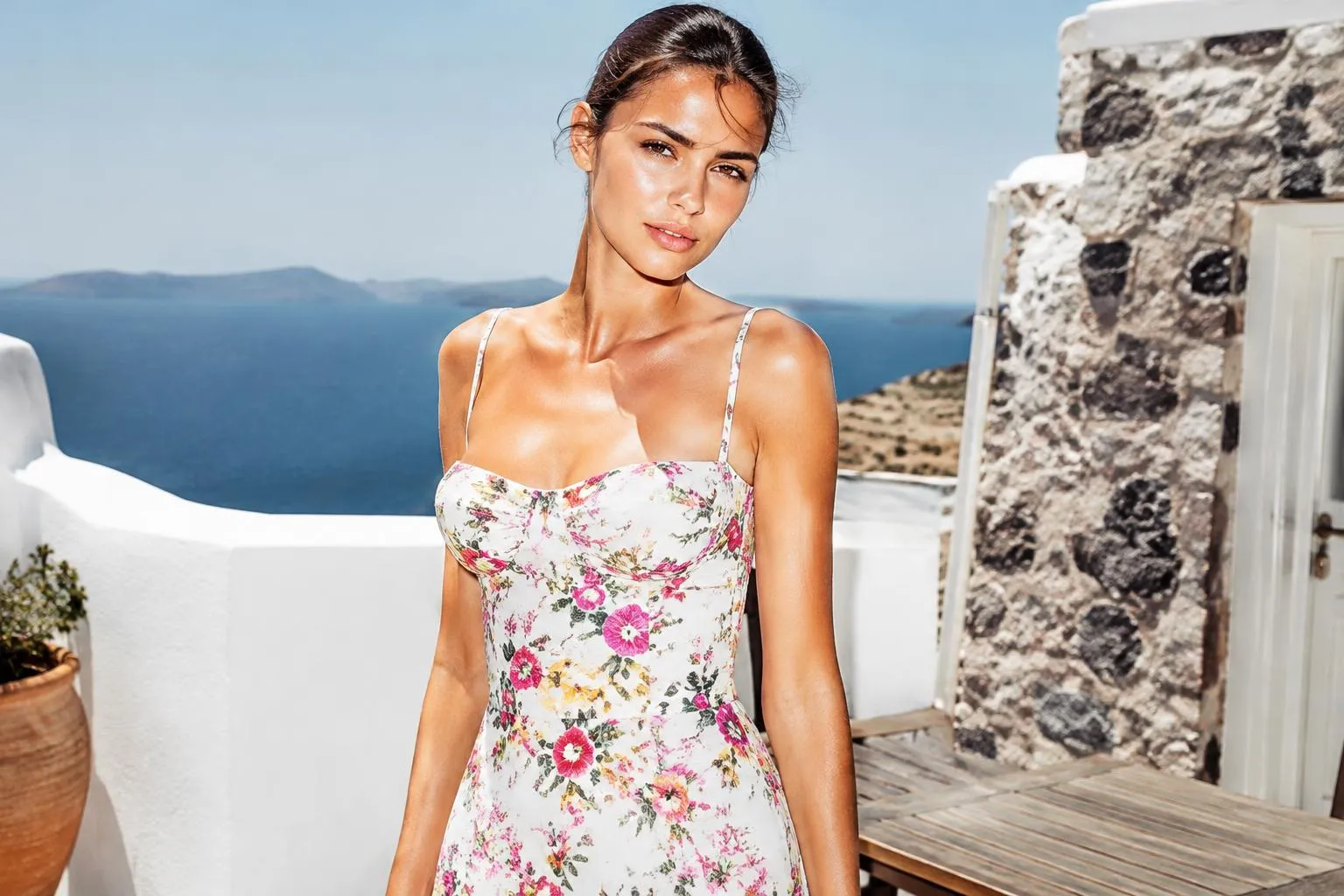
Thin straps, fitted bodice and a flowing skirt. Check the support, since bust support matters in strappy styles.
Maxi and midi
Longer lengths protect from sun and feel elegant. Make sure the fabric is lightweight, and check the hem so it does not trail in damp grass.
What to check before you buy
Opacity
Hold the dress up to light or try it on in daylight. Light colours and thin cottons can show through, so check for lining or wear a skin-toned slip.
Lining
A good lining should be breathable and not cling. Cotton or viscose linings are cooler than polyester.
Straps and support
Adjustable straps and built-in support add comfort. Smocked bodices are forgiving, but check they are not too tight when you sit.
Armholes and sleeves
Armholes should not gape or pinch. Sleeves protect from sun, but should not restrict movement.
Pockets
A practical bonus, especially in smock and shirt dresses.
Construction
Neat seams, an even hem, a secure zip or buttons and a quality finish suggest a dress that will last the season.
Fit, height and proportion
Fit matters more in a loose summer dress than it first appears. A dress that hangs from the shoulders should skim, not swamp, and the waist, whether seamed, tied or elasticated, should fall where you are comfortable.
- Shorter frames. Choose hems that finish at or just below the knee, or a midi that stops at the narrowest part of the calf. Vertical details such as buttons, narrow tiers and V-necks lengthen the line.
- Taller frames. Check that the skirt is genuinely long enough, as a standard midi can land at an awkward point on the calf. Look for generous hems and longer bodices.
- Fuller busts. Look for wide straps, wraps, shirt fronts or structured seams. Bra-friendly necklines are easier to live in than a style that needs strapless support.
- Broader hips. A-line, wrap and gently gathered skirts skim rather than cling, and a fabric with fluid drape is kinder than a stiff one.
- Between sizes. In a loose, shapeless dress, size down only if the shoulders are too wide. In anything fitted at the bodice, take the larger size and tailor the waist.
Check the size guide on the retailer's page, and read the fabric description for stretch. Cotton poplin, linen and rigid weaves have no give, while viscose jersey and smocking forgive a fluctuating waistline on a warm day.
Colour and print
Pale colours look fresh but show marks and, in thin fabrics, show through. Mid-tones such as sage, terracotta, cobalt and navy hide wear and work with most skin tones. Small, scattered prints disguise creases and spills, while large florals suit simple shapes. Stripes and gingham read as relaxed and are easy to style with trainers or sandals.
If you plan to wear the dress for several summers, a plain colour or a classic print will date more slowly than a very of-the-moment pattern. A dress that you can accessorise differently for the office, a barbecue and a wedding is worth more per wear than a showpiece.
Best options by budget tier
Entry-level
The high street and online retailers offer lots of choice. Check fabric content, opacity and lining, and avoid synthetic fabrics that feel sticky.
Mid-range
Often the best balance of fabric, finish and design, with more natural fibres and better opacity.
Investment
Premium dresses typically offer higher-quality fabrics, stronger construction and classic cuts that last beyond one summer. Consider cost per wear.
Second-hand
Resale can be excellent for summer dresses. Check underarms, hems and fabric thinness.
Which dress for which occasion
Everyday and weekend
A cotton or viscose midi or shirt dress with trainers or sandals.
Work
A midi shirt dress or A-line in an opaque, breathable fabric with a lightweight layer for air-conditioned offices.
Weddings and garden parties
Choose a dress that moves well and suits the dress code. For more advice, see our guide to the best wedding guest dresses.
Holidays
Lightweight, crease-resistant and easy to wash by hand. A dress that works both day and night will reduce packing.
Evenings
Satin or crepe, or a cotton dress with smarter accessories.
Styling summer dresses in the UK
- Layer lightly. A denim jacket, cotton cardigan or linen shirt handles cooler evenings.
- Choose practical shoes. Sandals, espadrilles and clean trainers suit most dresses, and ankle boots work with showers.
- Carry a compact umbrella or light mac.
- Mind the sun. Wear a hat and sunscreen, particularly with strappy styles.
- Add texture. A woven bag or simple jewellery elevates a plain dress.
Care and longevity
- Check the label, and wash cotton and linen at the recommended temperature.
- Wash delicates in a bag or by hand.
- Air dry to protect fibres and prevent shrinking.
- Steam to remove creases from viscose and linen blends.
- Store clean, since sweat and sunscreen can mark fabric if left in.
- Repair loose hems and straps straight away.
Common mistakes
- Choosing by print alone. Check fabric, lining and opacity.
- Buying heavy synthetics. They trap heat.
- Forgetting layers. British summers are changeable.
- Ignoring the hem length for your height and shoes.
- Choosing a dress that cannot be worn again after one occasion.
- Not testing movement. Sit, bend and lift your arms.
Practical UK context
Because the weather can change quickly, versatile pieces matter. A cotton midi, a lightweight jacket and comfortable shoes cover most days. Linen and cotton are cool, but creases can show in damp air, and pale colours mark easily in wet weather. For festivals and outdoor events, dark patterns and shorter hems are practical.
Frequently asked questions
What are the best summer dresses?
The best summer dresses are made from breathable fabrics such as cotton, linen or viscose, with an opaque weave or lining and a shape that moves well. Shirt, smock and wrap styles are reliable options.
Which fabric is coolest for summer?
Cotton, linen and lyocell are among the most breathable. Lightweight viscose also feels cool. Avoid thick or shiny synthetics, which can trap heat.
How do I stop a summer dress from being see-through?
Check it in daylight before you buy, choose a lined style or darker colour, and wear a slip in a skin-toned shade underneath if needed.
How do I wear summer dresses in cooler weather?
Layer with a denim jacket or cardigan, add tights and ankle boots, and choose a midi length. A lightweight mac covers rain.
In short
Look for natural, breathable fabrics, check opacity and construction, and choose a shape you can move in. Layer for British weather, and explore more ideas in our dresses and occasion section.