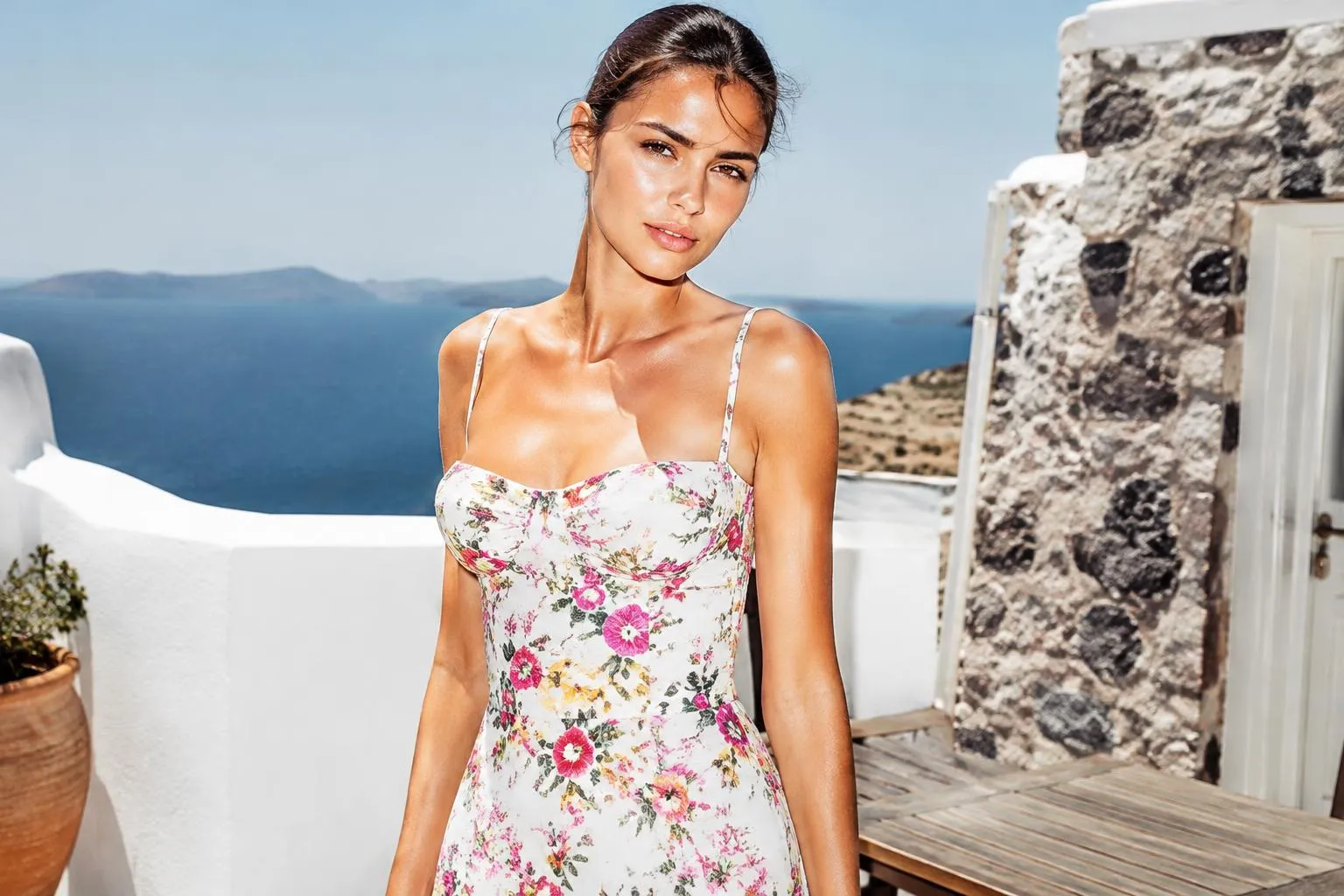
The best dresses for women are the ones that suit your frame, your fabric preferences and the occasions you actually dress for. A good dress works hard: it goes from desk to dinner, packs without fuss and feels comfortable at the end of a long day. Finding one is easier when you know which silhouettes, necklines, fabrics and details to look for.
This guide is a buyer's guide, not a ranked list of products. It explains the main dress shapes and who they tend to suit, how to judge fabric, lining and construction, how to choose by occasion and budget tier, and how to fit and care for a dress so it lasts. Use it as a checklist on the high street or online.
Quick picks: which dress for which need
| If you want... | Look for |
|---|---|
| A dress for every day | Wrap, shirt or smock dress in a breathable, crease-forgiving fabric |
| Work-friendly polish | Knee-length or midi sheath, A-line or shirt dress in structured fabric |
| A dress that flatters most figures | Wrap dress or A-line with a defined waist |
| Something for parties | Satin, crepe or jersey in a slip, wrap or fit-and-flare shape |
| Comfort and movement | Jersey, viscose or lightweight cotton in a relaxed shape |
| A capsule piece to wear year-round | Midi dress in a mid-weight fabric that layers with knitwear |
Specific categories have their own guides, including the best summer dresses, the best maxi dresses and the best petite dresses.
Silhouettes and who they tend to suit
There are no rules about what you can wear. These are guides to what each shape does.
Wrap dress
The crossover front defines the waist and adjusts to your shape. Wrap dresses suit many figures and tolerate weight changes. Check that the wrap closes securely and does not gape.
A-line and fit-and-flare
Fitted at the bodice and flaring from the waist. They balance wider hips and add movement. They work well for work and occasions.
Shirt dress
Practical and polished. A belted shirt dress defines the waist, while an unbelted one gives a relaxed shape. Good in cotton, poplin or linen blends.
Sheath and column
Close-fitting and streamlined. They suit structured fabrics and tailored occasions. Check that you can sit and walk comfortably.
Slip and bias-cut
A fluid shape that skims the body. Beautiful in satin or crepe, though fit matters because the fabric shows every line. Layer with a blazer or knit for day.
Smock and tiered
Relaxed, with room for movement. They suit warm weather and comfort-first dressing. Choose lighter fabrics to avoid excess volume.
Midi and maxi
Longer lengths feel elegant and cover more, which makes them useful for the changeable British climate. Our maxi guide covers them in depth.
Mini
Best in structured fabrics for evenings or with tights and boots in colder months.
Necklines and sleeves
- V-neck: Elongates the neck and suits most figures.
- Square neck: A flattering frame for the collarbone, popular in both casual and dressy styles.
- Round or crew: Simple and easy to layer.
- Halter and strapless: Dressy, and require good support and fit.
- Sleeves: Long sleeves work year-round with layering, short sleeves are practical for summer, and a puff or flutter sleeve adds shape. Check that armholes do not gape or restrict.
Fabric, lining and construction
Fabrics
- Cotton and linen: Breathable and ideal for warm weather. Linen creases, so a blend with viscose or elastane can help.
- Viscose and lyocell: Fluid and soft, with good drape. Some creases and shrinks, so follow care labels.
- Polyester and recycled blends: Durable, easy to care for and crease-resistant. Quality varies; a good-quality weave feels smooth, not shiny or scratchy.
- Jersey and knit: Comfortable and forgiving. Check weight so it does not cling.
- Satin and crepe: Elegant for occasions. Satin shows marks, while crepe is more forgiving.
- Wool and wool blends: Warm, structured and great for autumn and winter.
Lining
A good lining adds opacity and helps the dress hang smoothly. Check that it is not itchy or short of the hem, and that it is comfortable against bare legs.
Construction
- Seams: Straight, even and neatly finished.
- Zips: Smooth, with a hook-and-eye at the top to relieve strain.
- Hems: Deep and level, which adds weight and shape.
- Pockets: A practical bonus, and a reason to choose one dress over another.
- Patterns: Prints should match at seams on better-made pieces.
Best options by occasion
Everyday and weekend
Comfortable shapes in washable fabrics, such as jersey, cotton and viscose blends. Wear with trainers or flats and a denim jacket.
Work
Structured fabrics, modest hemlines and sleeves or a layer on top. Shirt dresses, sheaths and A-lines are reliable.
Evening and party
Satin, crepe, velvet or a fine knit with a flattering neckline. Add heels or smart flats and jewellery.
Weddings and events
Choose a fabric that photographs and moves well, and check the dress code. Our wedding guest guides give further advice.
Holidays and travel
Lightweight, crease-resistant dresses that pack small and layer.
Best options by budget tier
Entry-level
High street and online retailers offer plenty of choice. Check fabric content, lining and seams before buying, and try on if possible.
Mid-range
Usually the best balance of fabric quality, fit and design. Expect more reliable sizing and better finishing.
Investment
Designer and premium labels offer stronger construction, finer fabrics and timeless cuts. Buy investment pieces when you are confident you will wear them often, and consider cost per wear.
Second-hand
Resale and vintage offer quality at lower tiers. Inspect seams, underarms and linings for wear, and check measurements.
How to check the fit
- Shoulders: Seams should sit at the edge of your shoulder.
- Bust: There should be no gaping or pulling.
- Waist: It should land at your natural waist, or where the design intends.
- Hips: Fabric should skim, not strain.
- Length: Hem should hit where you want it with your shoes.
- Movement: Sit, walk and raise your arms.
A tailor can adjust the hem, straps and sometimes the waist, so a dress that is nearly right is often worth altering.
Styling a dress through the seasons
- Spring: Add a trench or denim jacket, and trainers or loafers.
- Summer: Sandals, a woven bag and sunglasses.
- Autumn: A knit over a midi dress, and ankle boots.
- Winter: Tights, knee boots and a coat, and a dress in wool or heavier jersey.
To complete an outfit, a signature scent adds finish. Our guide to the best perfume for women explains how to choose a fragrance family that suits you.
Care and longevity
- Check the label and follow it.
- Hand wash or use a delicates bag for fine fabrics.
- Hang to dry to prevent shrinking.
- Steam rather than iron delicate fabrics.
- Store on padded hangers or fold knits.
- Repair promptly if you notice loose seams.
Common mistakes
- Buying for an occasion only. Choose dresses with multiple uses.
- Ignoring fabric. A beautiful design in poor fabric will disappoint.
- Not checking lining and opacity.
- Forgetting to sit down in the changing room.
- Choosing the wrong length for your shoes and height.
- Skipping alterations.
Practical UK context
British weather makes layers essential. A midi dress with sleeves, tights and boots takes you through autumn, and a lightweight jacket handles summer evenings. Pockets are useful, and so are fabrics that cope with rain and wind without clinging.
Frequently asked questions
What are the best dresses for women?
The best dresses combine a flattering silhouette, good fabric and comfortable fit for the way you live. Wrap, A-line and shirt dresses are versatile starting points.
Which dress shape is most flattering?
It depends on your figure and preference. Wrap dresses and A-lines suit many shapes because they define the waist and offer room, but try different styles to see what you like.
How do I choose a dress for work?
Look for structured or mid-weight fabrics, a knee-length or midi hem, and sleeves or a layer on top. Shirt dresses, sheaths and A-lines are dependable.
How can I make a dress last longer?
Follow the care label, wash gently, air dry and store properly. Repair loose seams early, and have the dress altered if it is nearly right.
In short
Choose a silhouette that suits you, check the fabric and lining, test the fit while moving, and buy for several occasions. Explore more in our dresses and occasion section.