The best wedding guest dresses do three things at once: they respect the dress code, they survive a long day of sitting, standing, dancing and photographs, and they feel like you. That is a tighter brief than it sounds, and it is why so many guests end up buying twice.
This guide works as a buyer's briefing rather than a list of product names. You will find the dress types worth shopping for, the fabrics and constructions that hold up, how to match a dress to the venue and season, and the mistakes that cause most returns. If you are still working out the whole look, our guide to wedding guest outfits covers styling beyond the dress itself.
Quick picks: the best wedding guest dresses by situation
Start with the situation, not the trend. These are the dress types that solve the most common wedding guest problems.
| If you need... | Look for... | Why it works |
|---|---|---|
| A safe choice for almost any ceremony | Midi dress in crepe or satin with sleeves or a covered shoulder | Formal enough for a church, comfortable enough for a long day |
| A summer garden or marquee wedding | Floaty midi or maxi in chiffon, georgette or lined cotton blend | Moves well, breathes, and photographs nicely outdoors |
| An autumn or winter wedding | Long-sleeved midi in velvet, heavy crepe or jacquard | Warmth without a bulky coat over the top |
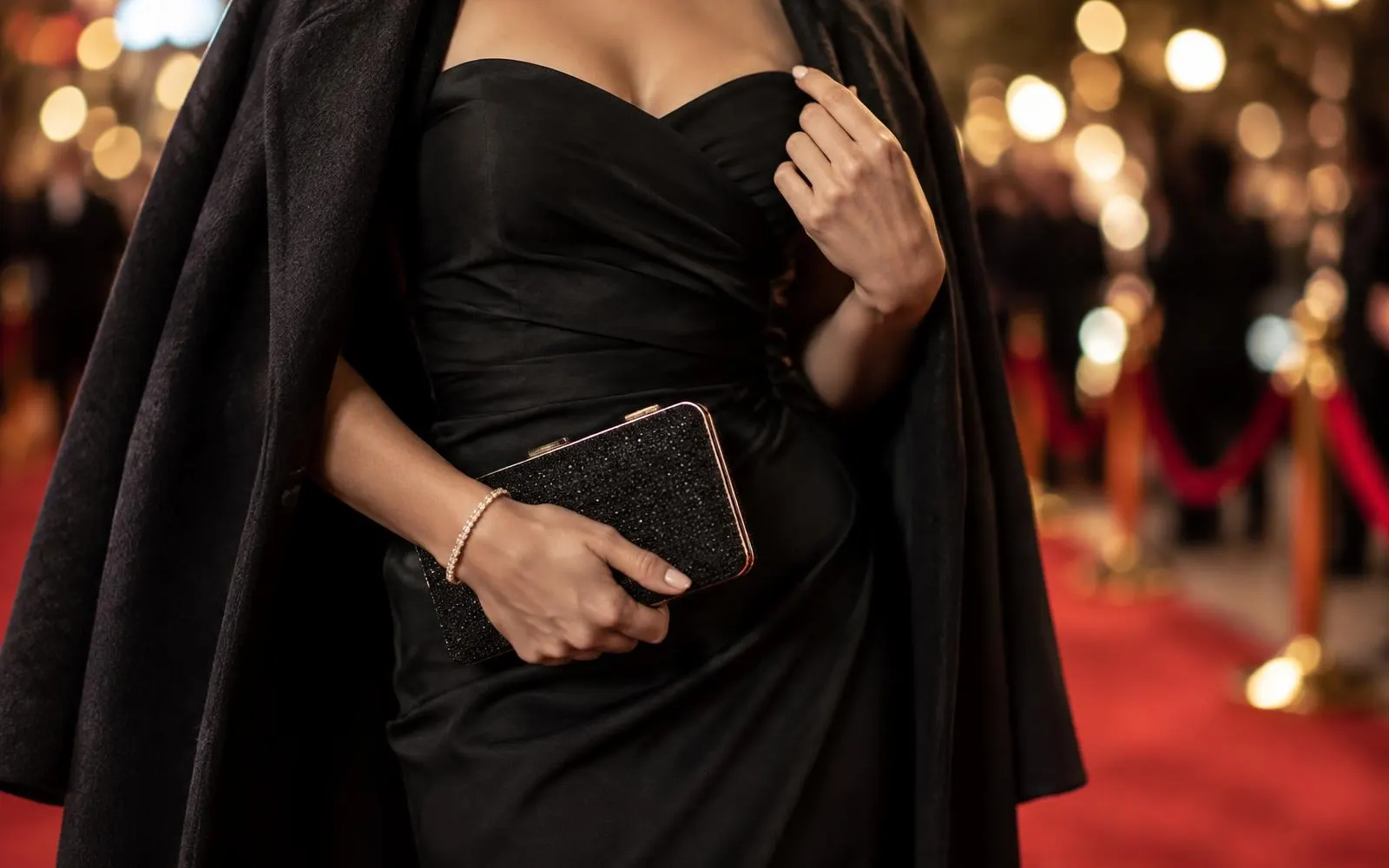
| A black-tie or evening wedding | Floor-length gown in satin, crepe or structured chiffon | Meets the dress code without needing a gown on loan |
| A daytime registry office ceremony | Tailored shift, wrap or A-line in a polished fabric | Smart, simple and easy to dress up or down |
| Something you will wear again | Block colour or subtle print in a classic cut | Easy to restyle for dinners, work events and parties |
Keep that table in mind as you read on. The rest of the article explains how to test any dress against these needs.
What to look for in a wedding guest dress
Shop with a checklist and you will rule out most poor options within seconds. These are the criteria we would apply to any dress, at any budget.
Fabric and drape
Fabric does more than anything else to make a dress look expensive or cheap. Crepe, satin-backed crepe, heavy georgette and good-quality chiffon hang cleanly and photograph well. Very thin jersey clings and shows every seam. Stiff, shiny polyester can look flat under flash and feel hot indoors.
Hold the fabric up to the light if you can. If you can see straight through a single layer, check for a lining. A dress should have a lining in a skirt that is meant to be opaque, and the lining should be soft against the skin rather than scratchy.
Construction and finishing
Look at the seams, the zip and the hem. A concealed zip that lies flat, tidy seam finishes and a hem that sits evenly are signs of careful making at any price tier. Internal structure matters on fitted styles: boning or a built-in support layer in the bodice keeps the shape without constant tugging.
Pockets in a wedding guest dress are a small luxury that is genuinely useful. A pocket holds a phone, a lipstick or a tissue when you are away from your bag during the ceremony.
Fit in the places that move
Check the armholes, the waist and the length when you sit. A dress that looks lovely standing may pinch across the back when you are seated for a three-course meal. Raise your arms as you would to hug someone: if the bodice rides up or the seams strain, try a different size or cut.
Practical details
Think about the day's logistics. Can you wear a normal bra, or do you need adhesive cups? Will a wrap or pashmina sit properly over the sleeves? Does the colour hide a spilled drink? These unglamorous questions decide whether you enjoy the evening.
Best options by dress type
Midi dresses
The midi is the dependable answer for most British weddings. A hemline between mid-calf and just below the knee looks smart in a church, works with flats or heels, and does not drag across wet grass.
Best for: nearly everyone, and the strongest all-rounder if you are buying only one dress. Consider: very full skirts can feel overwhelming on petite frames, and narrow pencil styles limit your stride on the dance floor. A slight flare or a side split solves both.
Maxi and floor-length dresses
A maxi suits a formal or evening wedding, or a summer wedding with a relaxed, boho feel. Floor-length gowns are essential if the invitation says black tie.
Best for: formal evening receptions, destination weddings and anyone who likes a dramatic silhouette. Consider: check the length with your shoes on. A hem that sweeps the ground in a muddy field or on a cobbled courtyard will not stay clean.
Wrap and wrap-effect dresses
A wrap dress adjusts to your shape, which makes it forgiving across sizes and through the course of a long meal. The V-neckline is flattering on many frames and works with sleeves or without.
Best for: guests who want comfort and a flattering waist definition. Consider: make sure the wrap is secured with an internal tie or a press stud as well as the outer tie. Otherwise it can gape when you move.
Tailored shifts and A-lines
A structured dress in crepe with a clean neckline looks polished and understated. It suits daytime civil ceremonies, city weddings and anyone who prefers a minimal style.
Best for: registry offices, town hall weddings and guests who plan to re-wear the dress for work or dinners. Consider: simple dresses rely on cut and fabric, so this is where it pays to spend a little more.
Sleeved and high-neck styles
Sleeves are a practical gift for church ceremonies, cooler months and anyone who prefers not to rely on a shawl. Sheer or lace sleeves add formality without extra weight.
Best for: traditional venues, autumn and winter weddings, and guests who want more coverage. Consider: test arm movement, because a narrow sleeve can restrict your reach.
Jumpsuits and two-pieces
The question of whether you must wear a dress is simple: you do not. A wide-leg jumpsuit or a matching top-and-skirt set can look just as elegant, as long as the fabric is dressy and the fit is clean.
Best for: guests who prefer trousers, or who want something less expected. Consider: think about bathroom logistics before choosing a one-piece with a complicated fastening.
Choosing by season, venue and dress code
The same dress can be perfect at one wedding and wrong at another. Match it to the details on the invitation.
- Church or religious ceremony: cover your shoulders, or bring a wrap, and keep the neckline moderate. A midi length is a good default.
- Country house or barn: choose a hem that can handle grass and gravel, and shoes with a block heel or a smart flat.
- Marquee or garden wedding: layers are sensible. Pick a lightweight dress and carry a light jacket or shawl, because British evenings cool quickly even in summer.
- City hotel or town hall: this is the place for sleeker lines, richer fabrics and a little more shine.
- Black tie or evening: floor-length is the safe choice, with refined fabrics such as satin, velvet or heavy crepe.
- Winter wedding: opt for sleeves, deeper tones and heavier fabrics. A coat is part of the outfit, so choose one that suits the dress colour.
If the invitation says "cocktail", read that as knee-length to midi, polished fabrics and dressy accessories. "Smart casual" or "dressy casual" still means a proper dress, just with more relaxed fabrics.
For warm-weather occasions beyond weddings, our guide to the best summer dresses has further buying advice on lighter fabrics.
Colour: what to wear and what to avoid
The old rule still holds: do not wear white, ivory or anything close to it. That includes very pale champagne and some blush tones that can read as white in photographs. If you are unsure, hold the dress up against something white in daylight.
Beyond that, almost everything else is open. Rich jewel tones such as emerald, burgundy and deep blue suit autumn and winter. Soft sage, powder blue, lilac and warm terracotta are popular for spring and summer. Bold prints are welcome, but a very busy pattern can compete with the day's photographs, so keep the accessories quiet.
Black is acceptable at most modern weddings, particularly in the evening, though it can feel stark at a daytime summer ceremony. If you choose it, add colour through shoes, a bag or jewellery. Check the invitation or ask the couple if the wedding has a specified palette or a dress code that excludes certain colours.
Sizing and fit notes
Order with time to spare. Delivery delays and alterations both take longer than you expect.
- Buy for the largest measurement. Fitted dresses are easier to take in than let out, so choose the size that fits your bust or hips and have the waist adjusted.
- Check the length with your actual shoes. A hem that is perfect with heels will pool with flats. A local tailor can usually shorten a hem quickly and affordably.
- Try everything on at home. Sit, bend, raise your arms and walk up stairs. Wear the underwear you plan to wear on the day.
- Keep the labels on until you are certain. Check the retailer's returns policy before you order, especially for occasion wear.
- Consider a tailor for high-value pieces. Small adjustments to straps, hems and waist often transform an off-the-peg dress.
Petite and tall readers should shop by proportion as well as size. A midi can read as a maxi on a shorter frame and as a knee-length dress on a taller one, so check the stated length against your height.
Budget tiers: what changes as you spend more
Rather than quoting prices, think in terms of what each tier typically gives you.
- Entry-level: good for one-off dresses in current colours and silhouettes. Check the lining and seams carefully, and avoid very thin fabrics.
- Mid-range: usually offers better fabric weight, more reliable fit and cleaner finishing. This is a sensible tier for a dress you hope to wear several times.
- Investment: the focus shifts to natural or high-quality fibres, structure, tailoring and longevity. It is worth considering if you attend many weddings or occasions and plan to re-wear the dress for years.
Renting is another route for a single high-impact event, especially for formal gowns you would not wear again. Resale platforms and nearly new shops can also work well for designer-level cuts.
How to style your dress for the day
Once the dress is decided, the rest is quick work. Keep shoes comfortable enough for a full day, because you will be on your feet for photographs, the drinks reception and the dancing. A block heel or a smart flat lasts better than a stiletto on grass.
Carry a small bag that holds essentials, and bring a layer that suits both the dress and the weather. For hair, a style that stays put through wind, hugging and dancing beats anything complicated, and our guide to wedding guest hairstyles covers options for different lengths and textures.
Common mistakes to avoid
- Buying a dress that looks good only in a mirror, not when you are sitting.
- Choosing a fabric that creases badly and cannot be steamed in time.
- Forgetting to check whether the dress can be worn with the right underwear.
- Ignoring the weather forecast and the likelihood of wind, rain or a draughty venue.
- Leaving it until the last week, when sizes and colours are limited.
- Copying a bridesmaid's colour or a colour the couple has chosen for the wedding party.
Frequently asked questions
What is the best length for a wedding guest dress?
A midi length is the most versatile choice for UK weddings. It looks appropriate in a church, works in most venues, and is manageable on grass. Choose floor-length for black tie or formal evening events.
Can I wear black to a wedding in the UK?
Yes, at most modern weddings. It is especially common for evening receptions and city venues. For a daytime summer wedding, brighten it with colourful accessories, and check whether the couple has asked guests to avoid it.
Is it acceptable to wear a jumpsuit to a wedding?
Yes, provided the fabric and fit are smart. Look for a dressy material such as crepe or satin, a clean silhouette and polished accessories. Avoid casual cotton or anything that looks like daywear.
How far ahead should I buy a wedding guest dress?
Aim for at least four to six weeks before the wedding. That leaves time for returns, exchanges and any alterations, and it means you can choose from a full range of sizes and colours.
How do I know if a dress is too white or too revealing?
Hold it up in natural light next to a white sheet of paper. If it looks close to white, choose another. For revealing styles, apply the sit-and-bend test: if you would feel self-conscious during the ceremony or in photographs, it is not the right dress for the day.
In short
The best wedding guest dresses are the ones that fit the venue, the season and your own comfort, with good fabric and clean finishing doing the quiet work. Choose a flexible midi if you are unsure, buy early, and test the dress by sitting down in it. For more options in this area, browse our full edit of wedding guest dresses, and consider our wider guide to the best dresses for women if you want a dress that works well beyond weddings.