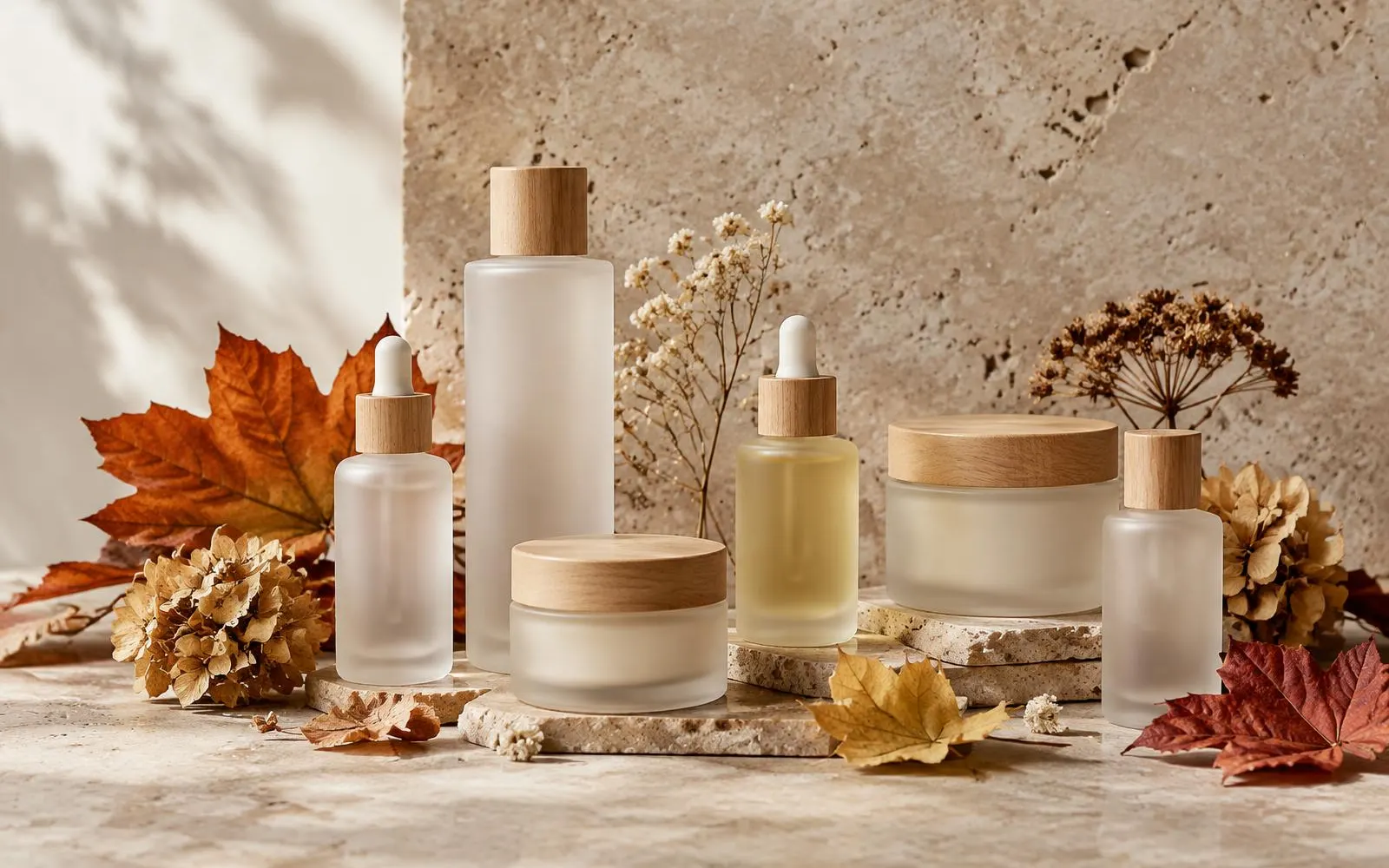
The best moisturizer for you is the one that keeps your skin comfortable from morning to night without feeling greasy, tight or irritating. That sounds simple, but texture, ingredients and skin type all play a part, and the same cream can feel perfect on one face and heavy on another.
This guide explains how a face moisturizer works, how to match a formula to your skin, and which ingredients are worth looking for. We do not name individual products, since formulas get updated often. Instead, you get the criteria to judge any moisturizer, and a few routines to build around it.
What a moisturizer actually does
Healthy skin has a barrier of lipids and natural moisturizing factors that holds water in and keeps irritants out. A moisturizer supports that barrier in three ways, and most formulas combine them.
- Humectants draw water into the surface of the skin. Glycerin and hyaluronic acid are common examples.
- Emollients soften and smooth, filling in gaps between skin cells. Many plant oils and fatty alcohols fall here.
- Occlusives form a protective layer that slows water loss. Petrolatum, dimethicone and certain butters are typical.
Different products emphasize different ingredients. A lightweight gel leans on humectants, while a rich balm leans on occlusives.
Moisturizer textures
Texture is often the deciding factor in whether you will use a product every day.
| Texture | Feels like | Best for |
|---|---|---|
| Gel | Cool, water-based, very light | Oily and combination skin, hot weather |
| Lotion | Light, easy to spread | Normal and combination skin |
| Gel-cream | Cushiony but not heavy | Combination and mildly dry skin |
| Cream | Rich and smooth | Dry skin, cooler months |
| Balm or ointment | Thick and protective | Very dry skin, nighttime |
| Oil-based | Silky, nourishing | Dry skin, as a final layer |
Gel moisturizers
Gels absorb quickly and feel fresh, which makes them a good fit for oily or acne-prone skin and for humid weather. Check that the formula still contains a humectant and some barrier-supporting ingredients, so skin does not feel tight an hour later.
Cream moisturizers
Creams sit on the richer side and suit dry or mature skin. They work well at night, and many people use a lighter version in the daytime under sunscreen and makeup.
Balms and ointments
Balms are the most protective, best for very dry areas or for winter use. Some are too heavy for the whole face, so apply them to the driest patches or as a final layer in your evening routine.
Choosing by skin type
Oily skin
Look for gel or lightweight lotion textures labeled non-comedogenic, with glycerin, hyaluronic acid or niacinamide. Skipping moisturizer can leave skin dehydrated, which may make oil production feel worse. A thin layer is enough.
Dry skin
Choose a cream with ceramides, glycerin, squalane or shea butter. Apply it to slightly damp skin after cleansing to help seal in water. Layer a hydrating serum underneath if your skin feels dehydrated as well as dry.
Combination skin
A gel-cream or light lotion tends to work. You can add a richer layer on dry areas such as the cheeks, and keep the T-zone light.
Sensitive skin
Look for short ingredient lists, fragrance-free formulas and soothing ingredients such as glycerin and ceramides. Patch-test any new product, and stop if you experience redness or burning.
Mature skin
Richer creams with humectants and emollients help soften the look of fine lines caused by dryness. Pair a moisturizer with daily sunscreen for protection.
Ingredients worth looking for
- Glycerin: A reliable humectant found in many formulas.
- Hyaluronic acid: Holds water at the surface for a plump feel. It works best in a formula that also contains emollients.
- Ceramides: Lipids that support the skin barrier, especially helpful for dry or sensitive skin.
- Niacinamide: Widely used to support the barrier and balance the look of oil.
- Squalane: A lightweight emollient that absorbs well on many skin types.
- Petrolatum and dimethicone: Occlusives that reduce water loss. They are not "bad" ingredients, despite common myths.
- Peptides and antioxidants: Can add benefits for tone and texture, though results vary.
Ingredients to approach with care
Fragrance and essential oils can irritate sensitive skin. Alcohol denat. high on the list may feel drying for some people. These are not problems for everyone, so choose based on your own experience.
Day versus night moisturizer
You do not necessarily need two products, but separating them can be helpful.
- Daytime: Prioritize a lighter texture that sits well under sunscreen and makeup. Some moisturizers include SPF, but a dedicated sunscreen in the right amount offers more reliable protection. Our guide to the best sunscreen for face covers this.
- Nighttime: A richer cream or balm supports overnight recovery. If you use retinoids or exfoliating acids, a barrier-supporting moisturizer can make them more comfortable.
How to apply moisturizer
- Cleanse and pat dry, leaving skin slightly damp. See our best cleanser guide if you want a gentle foundation.
- Apply serums first, if you use them. Our best serum guide helps you choose one.
- Use a pea- to nickel-size amount for the face, and add more only if needed.
- Warm it between your fingers and press it into the skin, moving upward and outward.
- Include the neck, which is often overlooked.
- Wait a moment before applying sunscreen or makeup.
Seasonal adjustments
Skin changes with the weather. In cold, dry months, a richer cream or a layer of balm can help. In hot, humid weather, a gel may feel better. Indoor heating and air conditioning also affect skin, so adapt your routine rather than sticking rigidly to one product all year.
Where to spend and where to save
Moisturizer is a category where a lot of affordable products perform well. A pricier formula may offer more elegant texture, more refined packaging or a larger set of active ingredients, but the base job is the same. Choose by skin type and comfort first, and consider an entry-level or mid-range option before assuming you need an investment jar. If you use a jar, a pump or tube is more hygienic and keeps ingredients stable for longer.
Signs your moisturizer is not working
- Your skin feels tight or flaky within hours.
- You notice breakouts or clogged pores after starting a new product.
- Your face looks greasy by midday on a product marketed as light.
- Redness, burning or itching appears.
If irritation continues after stopping the product, talk to a dermatologist or pharmacist. Persistent dryness, eczema-like patches or painful skin deserve medical advice rather than another cream.
Building a simple routine
A basic morning and evening routine with moisturizer at its center looks like this.
Morning: gentle cleanse or rinse, serum if you use one, moisturizer, sunscreen.
Evening: cleanse, treat, moisturizer. If you wear sunscreen or makeup, consider cleansing twice, as described in our guide to double cleansing.
For a broader overview of categories, see the best skincare products guide, and browse the full Skincare section.
Frequently asked questions
Should I use moisturizer if I have oily skin?
Yes. Oily skin can still be dehydrated, and a lightweight gel or lotion helps the barrier without feeling heavy. Look for non-comedogenic formulas and apply a thin layer.
Can I use the same moisturizer day and night?
Many people do. If your daytime product feels too rich under sunscreen or makeup, use a lighter one in the morning and a richer one at night.
Is a moisturizer with SPF enough?
Usually not on its own. Most people do not apply enough moisturizer to reach the labeled protection. A dedicated broad-spectrum sunscreen applied generously is more reliable, and you can wear moisturizer underneath.
How much moisturizer should I use?
A pea- to nickel-size amount covers the face and neck for most people. Apply more if skin still feels tight after absorption, and less if it feels greasy.
Can moisturizer cause breakouts?
Some formulas can feel too heavy for acne-prone skin. Look for non-comedogenic labels, introduce one new product at a time, and see a dermatologist if breakouts persist.
The short version
The best moisturizer matches your skin type and your lifestyle: a gel or light lotion for oily skin, a cream or balm for dry skin, and a gel-cream for combination. Look for humectants, emollients and barrier-supporting ingredients, apply to slightly damp skin, and adjust with the seasons. When in doubt, keep it simple and ask a professional.