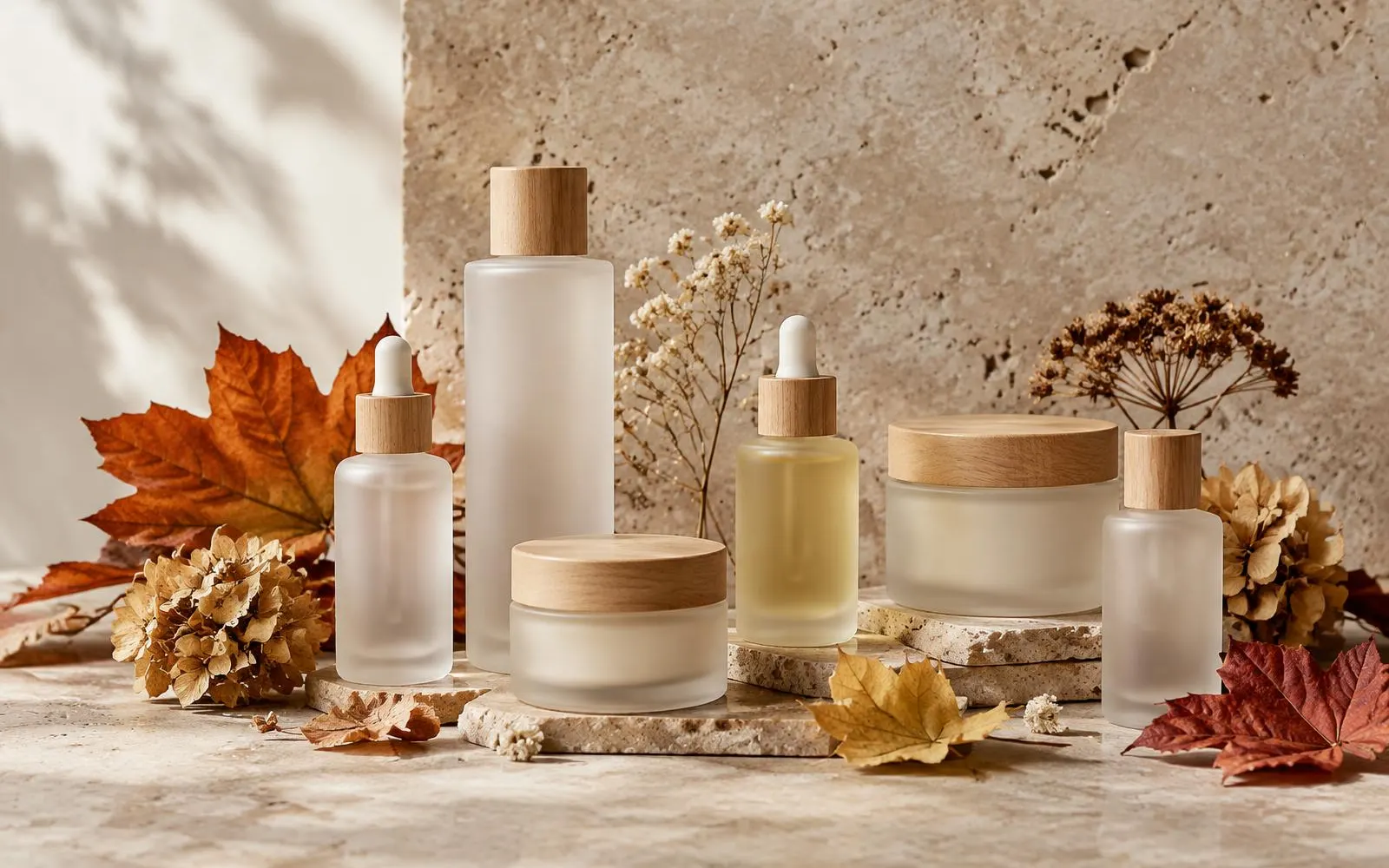
Double cleansing means washing your face twice in a row with two different types of cleanser: first an oil-based one, then a water-based one. The first step lifts away sunscreen, makeup and sebum, which are oil-loving. The second step cleans what is left, including sweat and residue from the first. Done well, it leaves skin clean without feeling stripped.
This guide explains how to double cleanse, who actually benefits, when a single cleanse is plenty, and how to choose the right textures. You will also find step-by-step technique, common mistakes and a few variations for different skin types.
What double cleansing is and why people do it
The method comes from Korean and Japanese skincare traditions, where removing sunscreen and makeup thoroughly is treated as the foundation of everything else. The logic rests on a basic principle of chemistry: like dissolves like. Oil-based products dissolve oil-based substances such as waterproof makeup, long-wear sunscreen and excess sebum. Water-based cleansers handle sweat, dirt and the product residue left behind.
A water-based cleanser alone can struggle with heavy or water-resistant formulas, which is why you may see leftover pigment on a cotton pad after washing. Double cleansing solves that problem by splitting the job between two specialists.
Who benefits most
- People who wear sunscreen daily, especially water-resistant or mineral formulas
- Anyone who wears long-wear foundation, waterproof mascara or heavy makeup
- People with oily or congestion-prone skin who want a thorough evening clean
- Anyone who notices a film or residue after a single wash
Who can skip it
You do not have to double cleanse every night. If you wear no makeup and only a light moisturizer, one gentle cleanse may be enough. If your skin is dry, sensitive or recovering from irritation, cleansing twice every evening can be too much. Start with one step and add the second only if your skin needs it.
How to double cleanse, step by step
Plan on about two minutes in total. Keep the water lukewarm, since hot water can strip the skin.
Step 1: The oil cleanse
Start with dry hands and dry skin. Take a small amount of oil cleanser or cleansing balm and massage it over your face for 30 to 60 seconds, using gentle circular motions. Pay attention to areas where makeup and sunscreen collect: around the nose, hairline, jaw and the edges of the brows.
Add a little water to emulsify. The oil should turn milky, which means it is ready to rinse. Rinse thoroughly with lukewarm water until no slippery film remains.
Step 2: The water-based cleanse
Now apply a gentle water-based cleanser to damp skin. Lather in your hands and spread across the face for about 30 seconds, then rinse well. This second step removes anything the oil left behind and leaves skin ready for the rest of your routine.
Step 3: Pat dry and continue
Pat your face with a clean towel. Then apply your toner, serum and moisturizer within a minute or two while skin is still slightly damp. For help choosing a lightweight, supportive formula, see our guide to the best moisturizer.
Choosing your first cleanser: oil, balm, milk or micellar
An oil cleanser is the classic first step, but several formats work.
| Format | Texture | Best for |
|---|---|---|
| Oil cleanser | Liquid oil that turns milky with water | Heavy makeup, waterproof sunscreen, most skin types |
| Cleansing balm | Solid that melts into oil on contact | Dry or mature skin, travel, a more cushioned feel |
| Cleansing milk or cream | Lotion-like, wipe-off or rinse-off | Sensitive skin, those who dislike oily rinse-off feel |
| Micellar water | Watery, soaked into a cotton pad | Quick first pass, though many prefer a rinse afterward |
If you have a tendency to break out, look for oil cleansers described as non-comedogenic and rinse them completely. Fragrance and essential oils can irritate sensitive skin, so a fragrance-free formula is a safer choice.
For the second step, pick a gentle gel, cream or lightly foaming cleanser with a low-to-moderate pH. A good water-based cleanser should leave your skin feeling clean but comfortable. Tight, squeaky skin after rinsing is a sign it is too harsh.
When to double cleanse
Evening, usually
The evening is where double cleansing makes the most sense. After a day of sunscreen, pollution, sebum and makeup, a thorough cleanse sets up your overnight treatments. It also helps your products absorb better, since they are not fighting through a layer of residue.
Morning, rarely
In the morning, a single gentle cleanse or even a water rinse is often enough. You are mainly removing overnight oil and leftover moisturizer. Double cleansing in the morning is optional and can over-dry some skin types.
After heavy sunscreen days
If you have spent a day outdoors in high-SPF or water-resistant sunscreen, it is worth taking the time to double cleanse. Sunscreen that is not fully removed can contribute to dullness and clogged pores. If you want to choose a formula that is pleasant to wear and easy to remove, our guide to the best sunscreen for face explains what to look for.
Double cleansing for different skin types
Oily and combination skin
Oil cleansers are surprisingly well suited to oilier skin, since they help dissolve sebum. Use a gel or lightly foaming second cleanser, and do not scrub. If you find you break out after oil cleansing, switch to a lighter oil or a cleansing milk, and rinse longer.
Dry skin
Choose a balm or oil for step one and a creamy, non-foaming cleanser for step two. If your skin feels tight, you can use the second cleanser only a few times a week, or on days you wear makeup.
Sensitive skin
Keep it simple. A fragrance-free oil or milk, followed by a mild cream cleanser, is plenty. Patch-test new cleansers for a few days before using them all over your face.
Skin under treatment
If you are using retinoids or acids, or recovering from irritation, ease off. A single, gentle cleanse is usually enough, and focus on rebuilding comfort with a barrier-supporting moisturizer before adding anything extra. If you use prescription acne treatments, ask your dermatologist whether double cleansing suits you.
Common double cleansing mistakes
- Rubbing too hard. Cleansing is a massage, not a scrub. Friction irritates skin and does not clean better.
- Using hot water. It strips natural oils and can leave skin red and tight.
- Not rinsing fully. Leftover oil can clog pores and leave a film.
- Doing it twice in the morning every day. This often over-cleanses.
- Using a harsh second cleanser. The goal is a clean, comfortable face, not squeaky skin.
- Skipping the second step. If you use an oil cleanser, always follow it with a water-based one, unless the product is designed to be a stand-alone cleanse.
- Removing eye makeup by rubbing. Hold a soaked cotton pad on closed eyelids for a few seconds, then wipe gently.
Where cleansing fits in a bigger routine
Cleansing is the step that makes everything else work. A clean, calm surface lets hydrating essences, treatments and sunscreen do their jobs. If you are curious about the layered, luminous approach many double cleansers build toward, read our guide to glass skin. And if you would like help assembling the rest of a routine, our roundup of the best skincare products explains what to look for in each category.
You can explore more routines and techniques in the Skin section.
Frequently asked questions
Do I need to double cleanse every night?
No. It is most useful on days you wear sunscreen, makeup or have been sweating or in polluted air. On lighter days, one gentle cleanse is often enough. Let your skin tell you whether it needs both steps.
Can I double cleanse with two water-based cleansers?
You can, but it is not the same. The point of the first step is to dissolve oil-based substances, which an oil or balm does best. Two rounds of the same foaming cleanser will usually just dry skin out.
Will an oil cleanser make my skin oily or cause breakouts?
A well-rinsed oil cleanser should not leave your skin greasy. If you notice breakouts, check that you are rinsing fully and consider a lighter formula, such as a milk or a gel-to-oil texture.
Is micellar water enough for the first step?
It can work as a gentle first pass for light makeup, but many people find a rinse-off oil or balm more thorough with waterproof products. If you use micellar water, follow it with a proper water-based cleanse.
In short
Double cleansing pairs an oil-based cleanser with a gentle water-based one to remove sunscreen, makeup and buildup without stripping your skin. Use it when your day calls for it, keep the water lukewarm and the touch light, and rinse thoroughly. If your skin feels clean and comfortable afterward, you are doing it correctly.