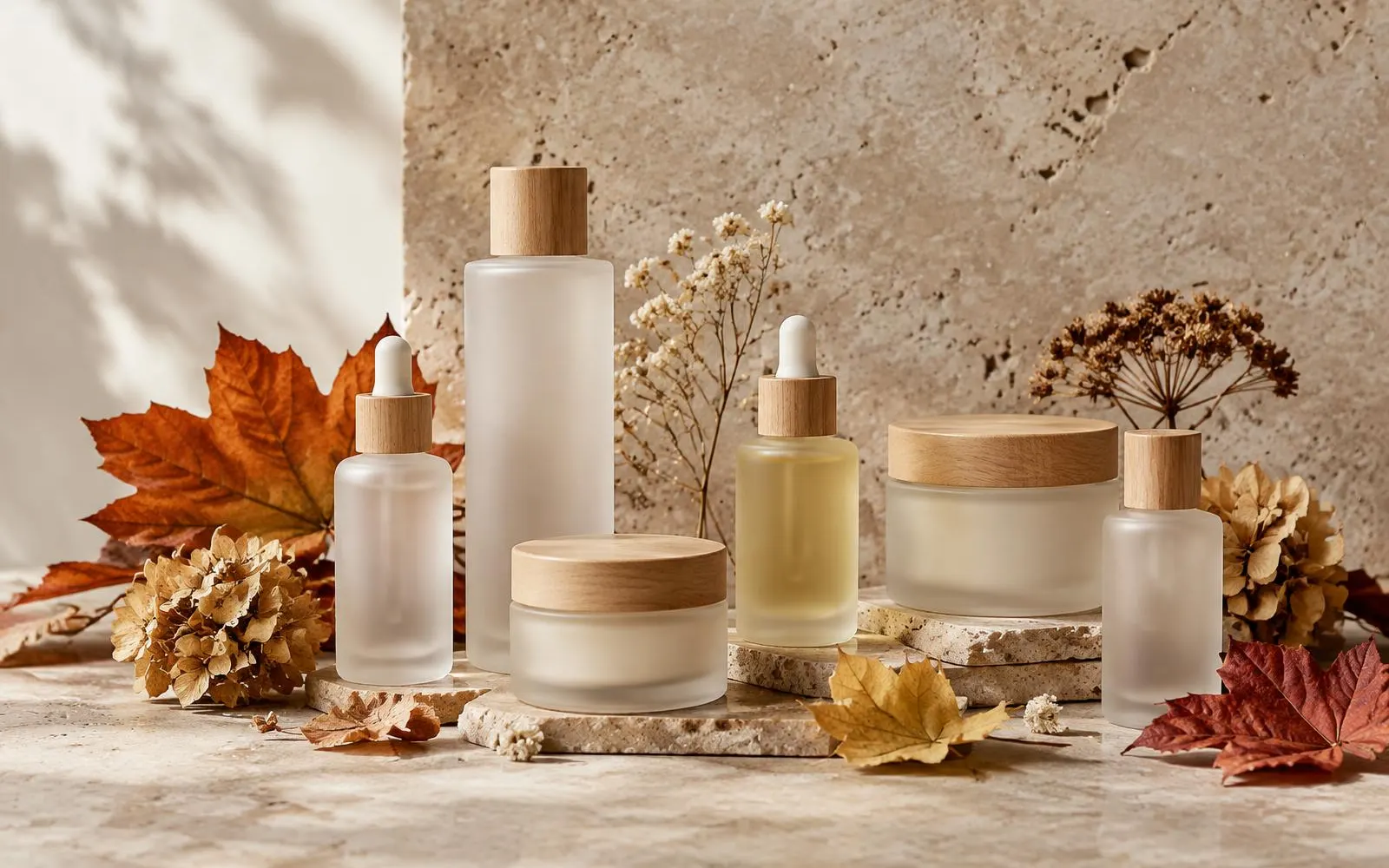
The best skincare products are not the longest list on a shelf. They are the few that match your skin type, fit into a routine you will keep, and do their job without irritation. A simple core of cleanser, moisturizer and sunscreen does more for most people than a dozen trending add-ons.
This guide explains which skincare essentials are worth buying, what to look for in each category, and how to build a routine around your skin. We do not rank named products, because formulas change and skin is personal. We focus on the criteria that help you judge any product, and we point you to our category guides when you want more depth.
What "best" means in skincare
A product can be excellent and still wrong for you. Judge skincare on these points rather than on marketing language.
- Fit with your skin type. Oily, dry, combination, normal and sensitive skin each need different textures.
- A clear job. Each product should do something specific: cleanse, hydrate, protect, treat.
- Gentleness. A good formula supports the skin barrier instead of stripping it.
- Consistency. Results come from regular use over weeks, not from a single application.
- Simplicity. Fewer, well-chosen products are easier to stick to and to troubleshoot.
Skincare can help with appearance and comfort, but it is not a substitute for medical care. For persistent acne, rashes, painful or changing moles, or anything that worries you, see a dermatologist.
The core routine: four essentials
Most people need only four steps, repeated morning and evening where relevant.
| Step | Morning | Evening | Purpose |
|---|---|---|---|
| Cleanser | Optional gentle wash or rinse | Yes | Removes dirt, oil, sunscreen and makeup |
| Treatment or serum | Optional | Optional | Targets a specific concern |
| Moisturizer | Yes | Yes | Supports hydration and the skin barrier |
| Sunscreen | Yes | No | Protects against UV damage |
Cleanser
A cleanser should remove the day without leaving your face tight. Gel and foam cleansers suit oilier skin, cream and milk formulas suit dry skin, and balms or oils help dissolve sunscreen and makeup. Rinse thoroughly and pat dry. Our guide to the best cleanser breaks down the options by skin type.
Moisturizer
Moisturizer helps skin hold water and feel comfortable. Lighter lotions and gel-creams suit oily and combination skin, while richer creams suit dry skin. Look for ingredients such as glycerin, ceramides and hyaluronic acid, which are common in barrier-supporting formulas. See our guide to the best moisturizer for details.
Sunscreen
Daily sunscreen is the most protective step in any routine. Choose a broad-spectrum formula, which covers both UVA and UVB rays, with an SPF your dermatologist or local health authority recommends, commonly SPF 30 or higher. Mineral and chemical filters both have a place, and the best one is the formula you will actually wear every day. Read our guide to the best sunscreen for face for texture and finish advice.
Serum
A serum is a concentrated, lightweight treatment applied after cleansing and before moisturizer. It targets a particular concern, such as dullness, uneven tone or dehydration. It is optional, and you should introduce only one new product at a time. Our guide to the best serum explains the major types.
Build your routine by skin type
Oily and acne-prone skin
Use a gentle gel cleanser, a lightweight non-comedogenic moisturizer and an oil-free or matte sunscreen. Skipping moisturizer can backfire, since dehydrated skin can look shinier. If breakouts are persistent or painful, a dermatologist can recommend proper treatment.
Dry skin
Choose a creamy cleanser, a richer moisturizer with barrier-supporting ingredients, and a hydrating sunscreen. Apply moisturizer to slightly damp skin to help lock in water. Our guide to a Korean skincare routine shows how layering lightweight hydrating steps can work for dry or dehydrated skin.
Combination skin
Use a balanced cleanser and a lightweight moisturizer all over, adding a richer layer to drier zones if needed. Choose a sunscreen with a fluid texture that feels comfortable on the T-zone.
Sensitive skin
Keep the routine short, choose fragrance-free formulas and patch-test new products on a small area first. Introduce changes slowly. If you notice redness, burning or persistent irritation, stop using the product and consult a dermatologist.
Mature skin
Hydration, sun protection and a gentle approach are the foundation. Some people add targeted treatments for tone and texture, introduced gradually. A dermatologist can advise on prescription options.
Reading the label
A product's front says what it wants to be. The ingredient list says what it is.
- Order matters. Ingredients are listed from highest to lowest concentration, apart from those below about one percent.
- "Fragrance-free" is not the same as "unscented." Unscented products can contain masking fragrance.
- "Non-comedogenic" means formulated to avoid clogging pores, though it is not a guarantee for every person.
- "Dermatologist-tested" describes testing, not outcomes.
- Active ingredients such as retinoids, vitamin C and exfoliating acids can be effective, but they can also irritate if overused.
Active ingredients: what to know before you buy
You may see these often. All are general, and none replaces professional advice.
- Vitamin C is an antioxidant often used in the morning. Stability and tolerance vary by formula.
- Niacinamide is widely used for balancing oil and supporting the barrier, and is generally well tolerated.
- Hyaluronic acid draws water to the surface of skin for a plump, hydrated feel.
- Retinoids are used in the evening and need gradual introduction to minimize irritation. Do not use them when pregnant or trying to conceive without medical advice.
- Exfoliating acids (AHA, BHA) can smooth texture, but should be used cautiously and not alongside every other active.
Introduce one active at a time, and use sunscreen daily, especially with exfoliants and retinoids.
How to introduce new products safely
- Patch-test. Apply a small amount to the inner arm or behind the ear for a couple of days.
- Add one product at a time. This helps you identify the cause if skin reacts.
- Start slowly. Use a new active two or three times a week, then increase if your skin is comfortable.
- Give it time. Most routines need several weeks to show results.
- Stop if irritated. Redness, stinging or peeling are signs to pause and simplify.
Where to spend and where to save
Price does not always predict performance. These general principles help.
- Cleanser: Rinse-off products rarely need a premium tier. A gentle, effective formula is enough.
- Moisturizer: Texture and comfort matter. Entry-level and mid-range products can be excellent.
- Sunscreen: Spend on the one you enjoy wearing, because you will use it more.
- Serums and treatments: A higher tier may reflect formulation and packaging, but check the ingredient list and stability.
Whatever your budget, keep your routine consistent. A modest set of products used daily beats an expensive collection used sporadically.
Mistakes to avoid
- Starting several new products at once.
- Over-exfoliating or using too many actives.
- Skipping sunscreen on cloudy days or indoors near windows.
- Choosing products by trend rather than need.
- Using hot water on the face.
- Ignoring signs of irritation.
Storage and shelf life
Keep skincare in a cool, dry place away from direct sunlight. Check the open-jar symbol for how many months a product should last after opening, and discard anything that changes in smell, color or texture. Use clean fingers or a spatula for jars to avoid contamination.
Where to go from here
Once you have the basics, explore each category in depth. Start with the best cleanser if you want a gentle foundation, add the best moisturizer for your skin type, and finish with the best sunscreen for face. When you are ready for a treatment step, our guide to the best serum is the next stop. For all categories, browse our Skincare section.
Frequently asked questions
What skincare products do I really need?
Most people do well with a gentle cleanser, a moisturizer and a daily broad-spectrum sunscreen. Everything else is optional and should address a specific concern. Add products one at a time.
In what order should I apply skincare?
Generally from lightest to heaviest: cleanser, then any serum or treatment, then moisturizer, and sunscreen last in the morning. Let each layer settle briefly before the next.
Do expensive skincare products work better?
Not necessarily. Formulation, ingredients and suitability for your skin matter more than price. Many affordable products are well made, and consistent use is more important than cost.
How long does it take to see results from skincare?
Hydration and comfort can improve quickly, but changes in tone or texture generally take several weeks of consistent use. If you are unsure, track your skin with photos in the same light.
When should I see a dermatologist?
See one if you have persistent acne, a rash that does not clear, severe irritation, or any mole or spot that changes or concerns you. Skincare products are not a replacement for medical advice.
The short version
The best skincare products are the ones that fit your skin and your life: a gentle cleanser, a moisturizer you like, a sunscreen you wear every day, and an optional serum for a specific goal. Introduce changes slowly, read labels with care, and seek professional advice for medical concerns.