Deciding what to wear to a job interview is less about fashion and more about strategy. Your outfit is the first thing an interviewer notices, and the goal is to look capable, prepared, and like you already belong on the team. The best choice never distracts from what you say.
This guide breaks down reliable interview outfits by industry and dress code, the details that make them look sharp, and how to adjust for video calls, weather, and second rounds. Use it alongside our broader job interview tips so your preparation covers both what you say and how you show up.
How to decide what to wear to a job interview
Start with research, not your closet. The right outfit depends on the company, the role, and the way people there actually dress.
- Look at the company's own images. Team pages, social accounts, and event photos show the real dress code better than any job listing.
- Ask the recruiter. It is completely acceptable to ask, "What is the dress code for the interview?" Recruiters field this question all the time.
- Dress one step above daily wear. If the team wears jeans, wear pants and a nice knit. If they wear business casual, add a blazer. If they wear suits, wear a suit.
- Choose fit over trend. A well-fitting, simple outfit always outperforms a fashionable one that pulls, wrinkles, or needs constant adjusting.
When in doubt, err slightly formal. It is easy to remove a blazer once you arrive; it is impossible to add one.
Core interview outfit formulas
These job interview outfits cover the most common settings. Think of them as templates and adjust the colors and fabrics to suit you.
The classic suit (corporate, finance, law, consulting)
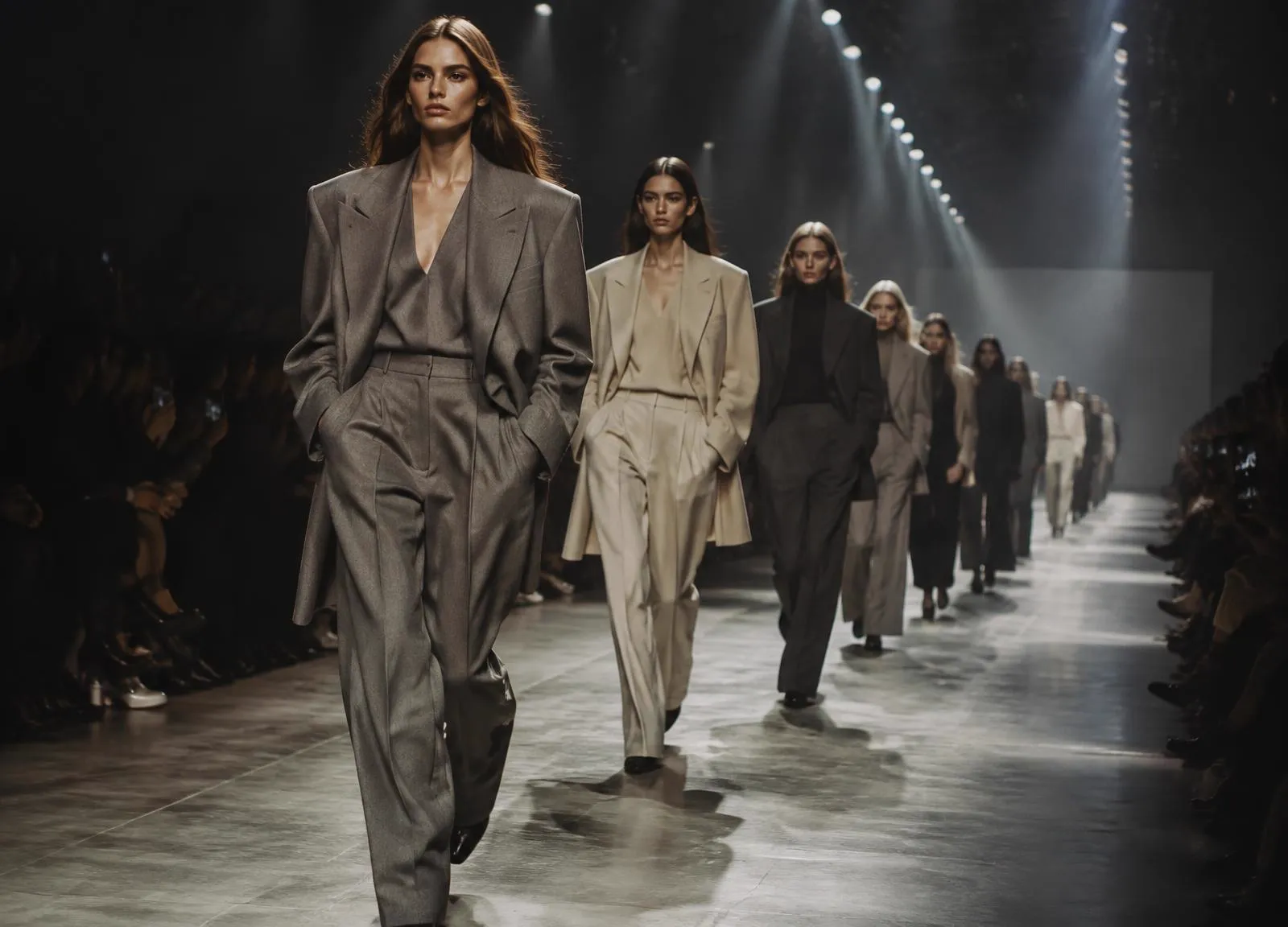
A matching suit is still the standard in traditional industries. Choose navy, charcoal, black, or a deep neutral in a mid-weight wool or wool blend.
- Trouser suit + silk-look shell or fine knit + pumps or loafers
- Skirt suit (knee-length or just below) + simple blouse + closed-toe heels
- Pantsuit + crisp white shirt + structured tote
Blazer and pants (business casual offices)
Mixing a blazer with coordinating pants looks polished without the formality of a full suit. This is the most versatile option for interview attire for women.
- Navy blazer + gray pants + cream blouse + loafers
- Camel blazer + black pants + black knit top + block heels
- Tweed or textured jacket + dark pants + simple tee + ballet flats
For everyday office style beyond the interview, our guide to business casual outfits goes deeper.
The tailored dress
A sheath or wrap dress in a structured fabric is polished and easy. Pick a length around the knee or below, and a neckline you will not need to adjust.
- Sheath dress + tailored blazer + pumps
- Long-sleeve knit dress + loafers + minimal jewelry
- Wrap dress in a solid color + block heels + structured bag
Smart casual (tech, startups, creative fields)
Overdressing in a full suit can look out of step in relaxed workplaces, but you should still look intentional.
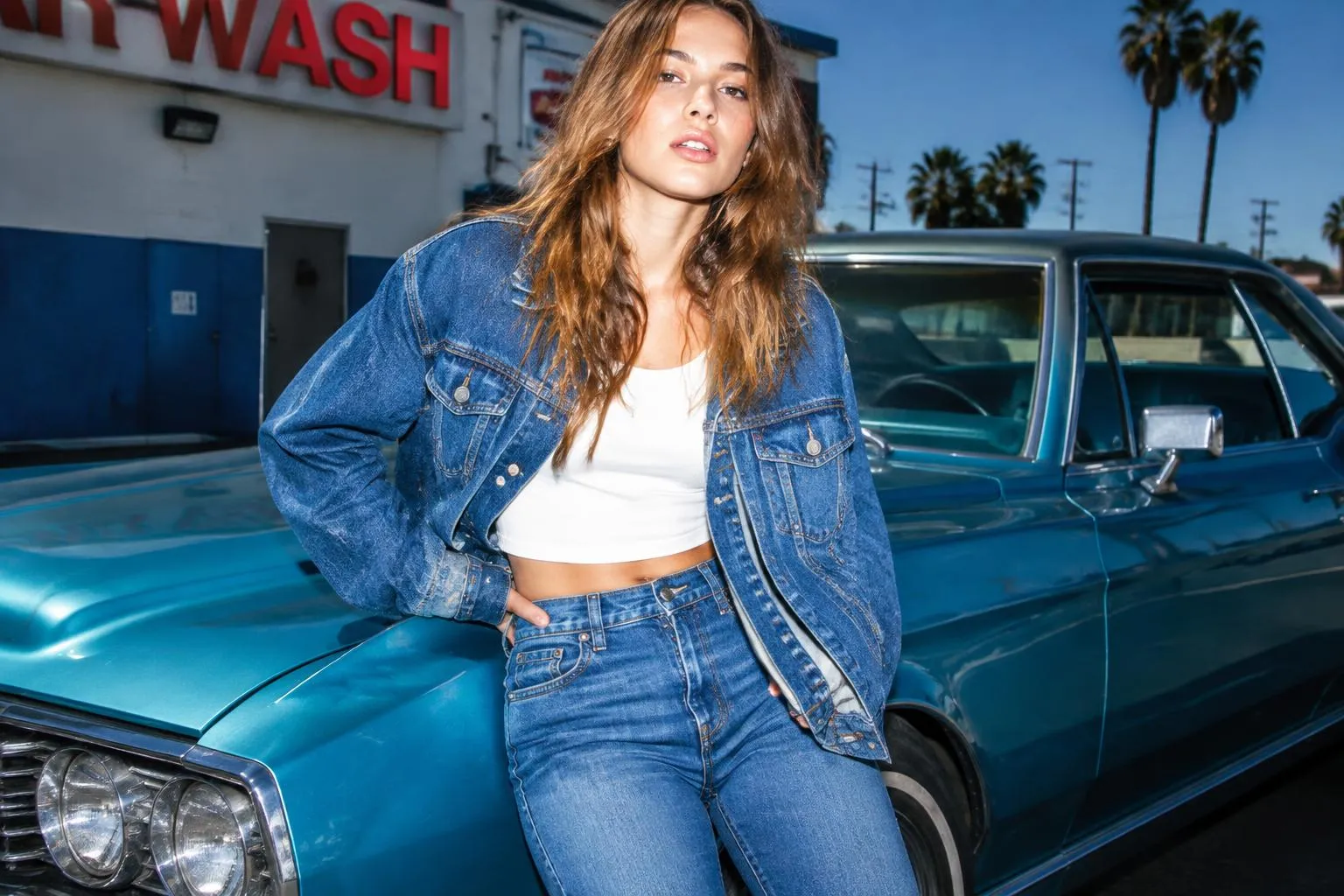
- Dark, clean jeans or chinos + fine-knit sweater + leather loafers
- Wide-leg pants + fitted tee + unstructured blazer
- Midi skirt + tucked knit + clean leather sneakers (only if the culture clearly allows it)
Hands-on or service roles
For retail, hospitality, healthcare support, or trades, look neat and practical. Pressed pants, a collared shirt or knit, and clean closed-toe shoes signal that you take the role seriously.
Styling details that make interview outfits look sharp
Small details shape the overall impression. Get these right and the outfit looks effortless.
Fit and fabric
Have pants and sleeves hemmed if needed. Jackets should close without pulling across the bust or back, and shoulders should end at your natural shoulder line. Choose fabrics that resist wrinkling, such as wool blends, crepe, and ponte knit, especially if you are commuting.
Shoes and accessories
Wear shoes you have walked in before. Pumps with a moderate heel, loafers, pointed flats, and low block heels are all appropriate. Make sure they are clean and the heels are not worn down.
Keep accessories quiet: small earrings, a simple necklace, a watch. Bring a structured bag or tote large enough for a folder with copies of your résumé. A crossbody can work for casual industries, but avoid oversized slouchy bags.
Color
Navy, charcoal, black, gray, camel, and white read as professional across industries. A muted accent, such as burgundy, forest green, or soft blue, adds personality without stealing focus. In creative fields, a bolder color or print can show your style; keep the rest of the look streamlined.
Grooming
Hair should be neat and away from your face so you are not touching it. Makeup can be minimal or polished, whatever makes you feel like yourself on a good day. Keep fragrance light or skip it; you will be in small rooms with strangers.
What to wear and what to avoid
| Wear | Avoid |
|---|---|
| Well-fitting suits, blazers, and pants | Anything tight, sheer, or very short |
| Solid colors and subtle patterns | Loud prints and large logos |
| Closed-toe shoes you can walk in | Brand-new shoes, flip-flops, or very high heels |
| Simple, minimal jewelry | Noisy bracelets and oversized statement pieces |
| Pressed, lint-free clothing | Wrinkles, pet hair, and visible stains |
| A structured bag with your documents | Overstuffed or very casual bags |
Also avoid trying something new on the day. Wear your outfit at home for an hour first, sitting, standing, and walking, so you know it works.
Variations by setting and season
Video interviews
Only the top half usually shows, but dress fully anyway; it changes how you carry yourself. Choose solid, mid-tone colors that contrast with your background. Very fine stripes and small checks can flicker on camera. Check your lighting so your face, not your outfit, is the focus.
Second and final rounds
You will often meet more people, sometimes senior leaders. Keep the same level of formality as your first interview, or slightly higher. Vary the outfit if you can: a different blouse or a new blazer and trouser pairing shows care.
Summer interviews
Choose lightweight wool, cotton blends, or linen blends, which hold structure better than pure linen. A short-sleeve sheath dress with a blazer you can carry works well. Avoid open-toe sandals unless the workplace is clearly casual.
Winter interviews
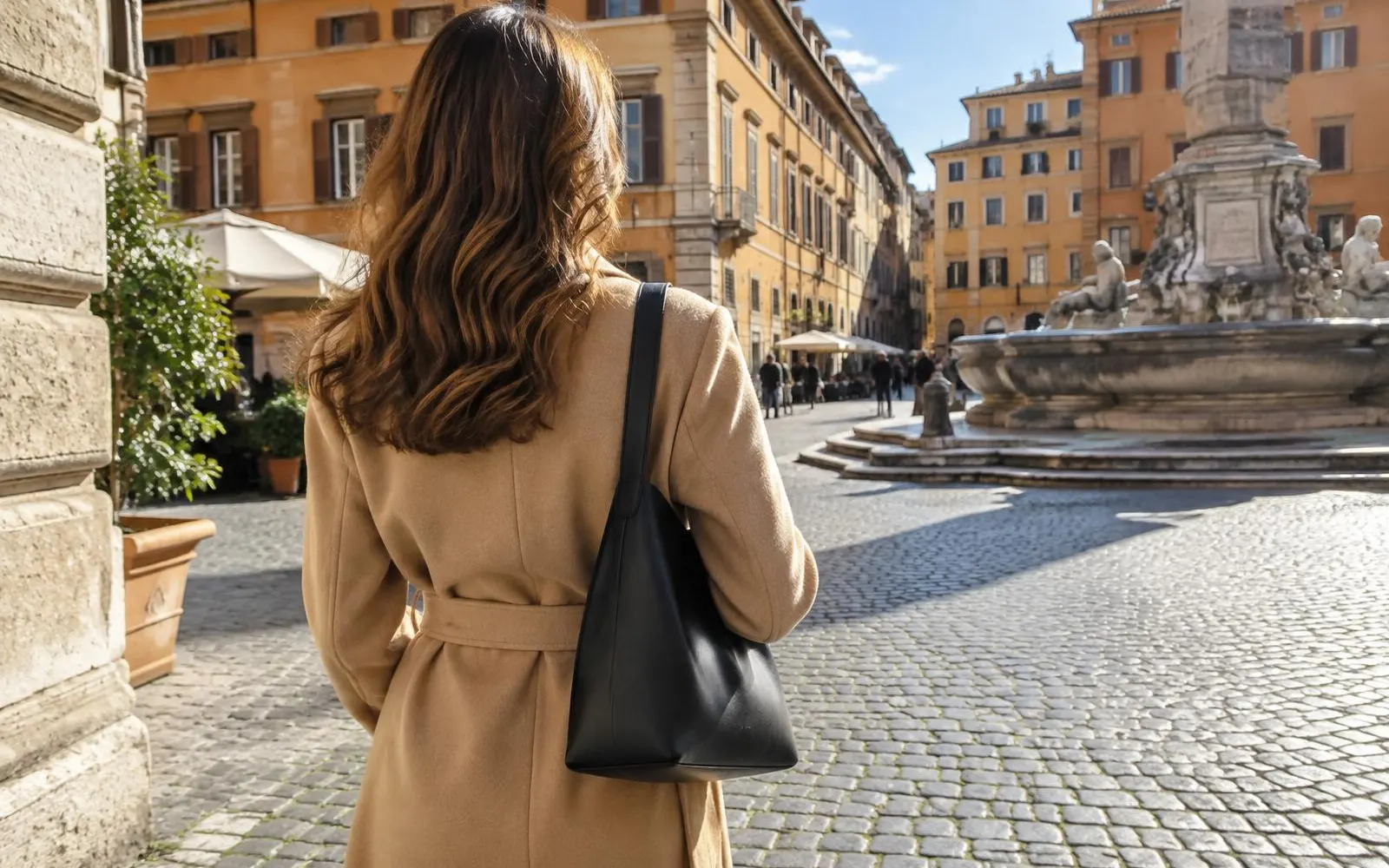
Bring a tailored coat and wear boots to travel if needed, then change into your interview shoes in the lobby or restroom. Fine-knit turtlenecks under blazers look polished and keep you warm.
Panel and on-site days
Long interview days mean more walking and sitting. Choose comfortable shoes and fabrics that stay smooth after hours. Pack a small kit with a lint roller, stain wipe, blotting papers, and a spare pair of tights if you wear them.
Practical combinations to keep ready
If you are job hunting, a small, reliable interview wardrobe saves stress. These pieces cover nearly every scenario:
- One suit in navy or charcoal that you can also wear as separates
- Two blouses or shells in white and a soft color
- One fine-knit sweater in a neutral
- One tailored sheath dress
- Pumps or loafers plus one pair of polished flats
- A structured tote that fits a laptop or folder
These pieces also carry you into your first weeks in a new role. Later, when you are preparing for performance reviews or how to ask for a raise, the same polished-but-comfortable approach applies.
Interviews are not the only time you will need dress-code instincts. The same research-first approach helps for client events, conferences, and even social occasions like knowing what to wear to a wedding.
Frequently asked questions
Is a suit always necessary for a job interview?
No. A suit remains standard in corporate, legal, and finance roles, but many workplaces are more relaxed. A blazer with pants or a tailored dress suits most business casual interviews. Research the company and dress one step above what the team wears daily.
Can I wear jeans to a job interview?
Only if you know the company is very casual, such as some startups and creative studios. Even then, choose dark, clean jeans and pair them with a polished top, a blazer, and leather shoes. If you are unsure, choose pants instead.
What colors are best for interview outfits?
Navy, charcoal, gray, black, and camel are reliable and professional. Add a muted accent color in your top or accessories if you want personality. Save bright prints for creative industries, and keep the rest of the outfit simple.
Should I wear heels to an interview?
Heels are optional. Moderate pumps, block heels, loafers, and polished flats are all appropriate. Choose what you can walk in confidently, since you may tour an office or walk between buildings.
What should I wear to a video interview?
Dress as you would in person, at least from the waist up and ideally head to toe. Pick solid, mid-tone colors that stand out from your background, and avoid tiny patterns that can flicker on screen. Test your camera and lighting beforehand.
Final word
Knowing what to wear to a job interview comes down to research, fit, and restraint. Choose clothes that match the company's culture one step up, make sure everything fits and is pressed, and let your answers do the talking. For more workday style, browse our Office outfit ideas.