The invitation is on the fridge, the RSVP is sent, and now comes the real question: what to wear to a wedding without overthinking it for weeks. Wedding guest dressing has changed a lot. Dress codes are more creative, venues range from barns to ballrooms, and many couples are happy to see guests in jumpsuits and suits as well as gowns.
What hasn't changed is the goal. You want to look polished, respect the couple's vision, stay comfortable through a long day, and never pull focus from the person in the starring role. This guide shows you how to decode the invitation, build a wedding guest outfit from reliable formulas, choose shoes and accessories that survive the dance floor, and adapt for every season and setting.
For more event-by-event advice, browse our full collection of occasion outfit guides.
Start with the dress code and the details
Before you shop or pull anything out, gather three clues: the dress code, the venue and the time of day. Together they tell you almost everything.
Read the invitation carefully. Couples often state the dress code on the invitation or wedding website. If not, the formality of the invitation, the venue and the start time are good hints. An evening ceremony at a hotel ballroom signals more formality than an afternoon gathering in a garden.
Check the wedding website. Many couples add notes about terrain, weather or color preferences. If they mention a lawn, you'll want to skip stilettos. If they ask guests to avoid a certain color, follow it.
When in doubt, ask. A quick message to a friend in the wedding party is better than guessing wrong. Being slightly overdressed is almost always safer than being underdressed.
Wedding attire for women, decoded by dress code
Wedding dress codes can feel vague. Here's how they typically translate into real outfits.
| Dress code | What it usually means | Outfit ideas |
|---|---|---|
| White tie | The most formal; rare | Floor-length evening gown, formal gloves optional, fine jewelry |
| Black tie | Formal evening event | Floor-length gown or a very elegant midi; dressy jumpsuit in luxe fabric |
| Black tie optional / formal | Formal, with some flexibility | Long gown, elegant cocktail dress, or tailored evening separates |
| Cocktail / semi-formal | Polished but not floor-length | Knee or midi dress, dressy jumpsuit, silk skirt and top |
| Dressy casual | Elevated everyday | Midi dress, smart separates, sundress with structure |
| Casual / beach | Relaxed but still special | Flowing maxi, linen set, light printed dress |
| Themed / creative | Follows the couple's brief | Interpret the theme in your color or accessories, not as a costume |
Cocktail attire is by far the most common dress code, and it's the most flexible. A well-cut midi dress in a refined fabric works for most of these situations.
Core wedding guest outfit formulas
These formulas give you a starting point for almost any invitation. Swap fabrics and accessories to move up or down in formality.
Practical combinations
- Midi dress + block heels + small clutch. The default for good reason. Choose a silhouette that flatters you, such as wrap, slip, A-line or fit-and-flare, in silk, satin, crepe or chiffon.
- Floor-length gown + elegant heels + statement earrings. For black tie and formal evening weddings. Keep accessories refined so the fabric and cut carry the look.
- Dressy jumpsuit + heeled sandals + structured bag. A modern, practical choice for cocktail weddings. Wide-leg styles in crepe or satin look especially elegant.
- Silk skirt + fitted top + blazer. Separates feel current and you'll re-wear each piece. Try a pleated or bias-cut midi skirt with a fine knit or silky blouse.
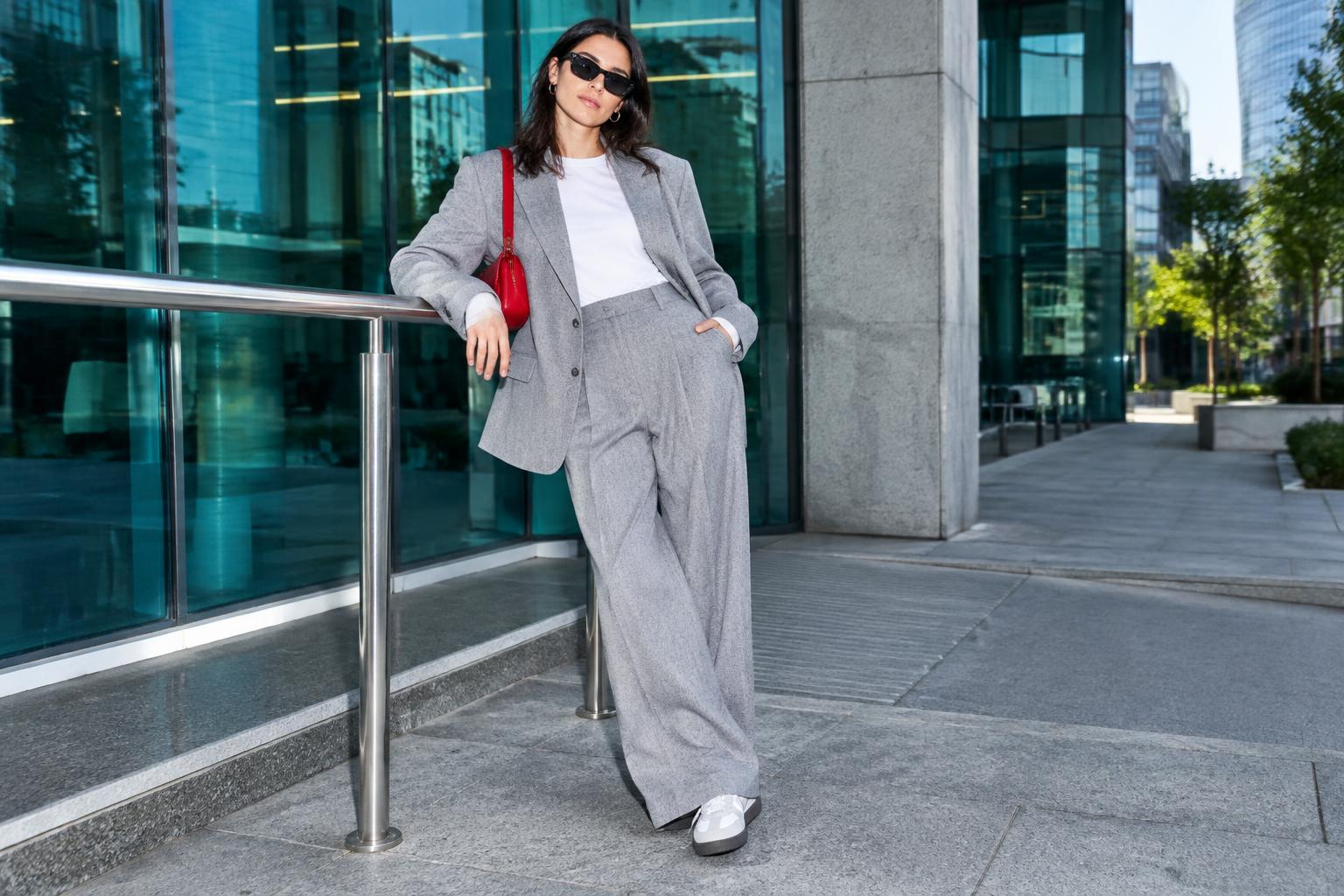
- Matching suit + silk camisole + loafers or heels. A tailored suit in a soft color or rich fabric suits city and courthouse weddings, especially daytime ones.
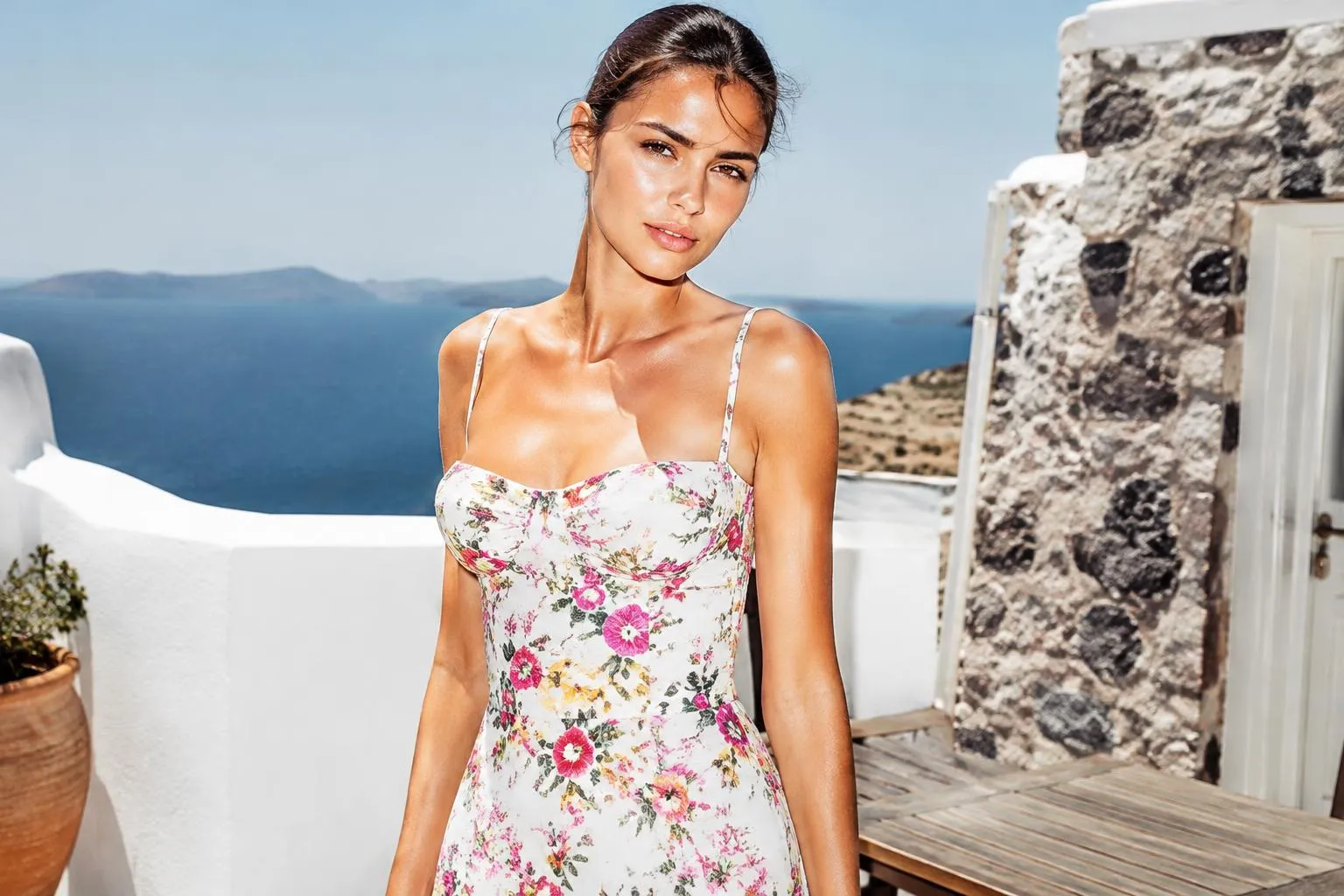
- Printed maxi dress + wedge or flat sandals + woven bag. Ideal for garden, beach and destination weddings.
Wedding guest outfits by body comfort and budget
The best wedding guest outfits are the ones you'll forget you're wearing. If you'll be on your feet for hours, avoid anything that needs constant adjusting. If you're watching your budget, renting a gown for formal events or choosing separates you'll wear again are both smart moves. For inspiration on dress shapes and fabrics, our guide to the best wedding guest dresses covers what to look for in detail.
Styling details that matter
Shoes and accessories
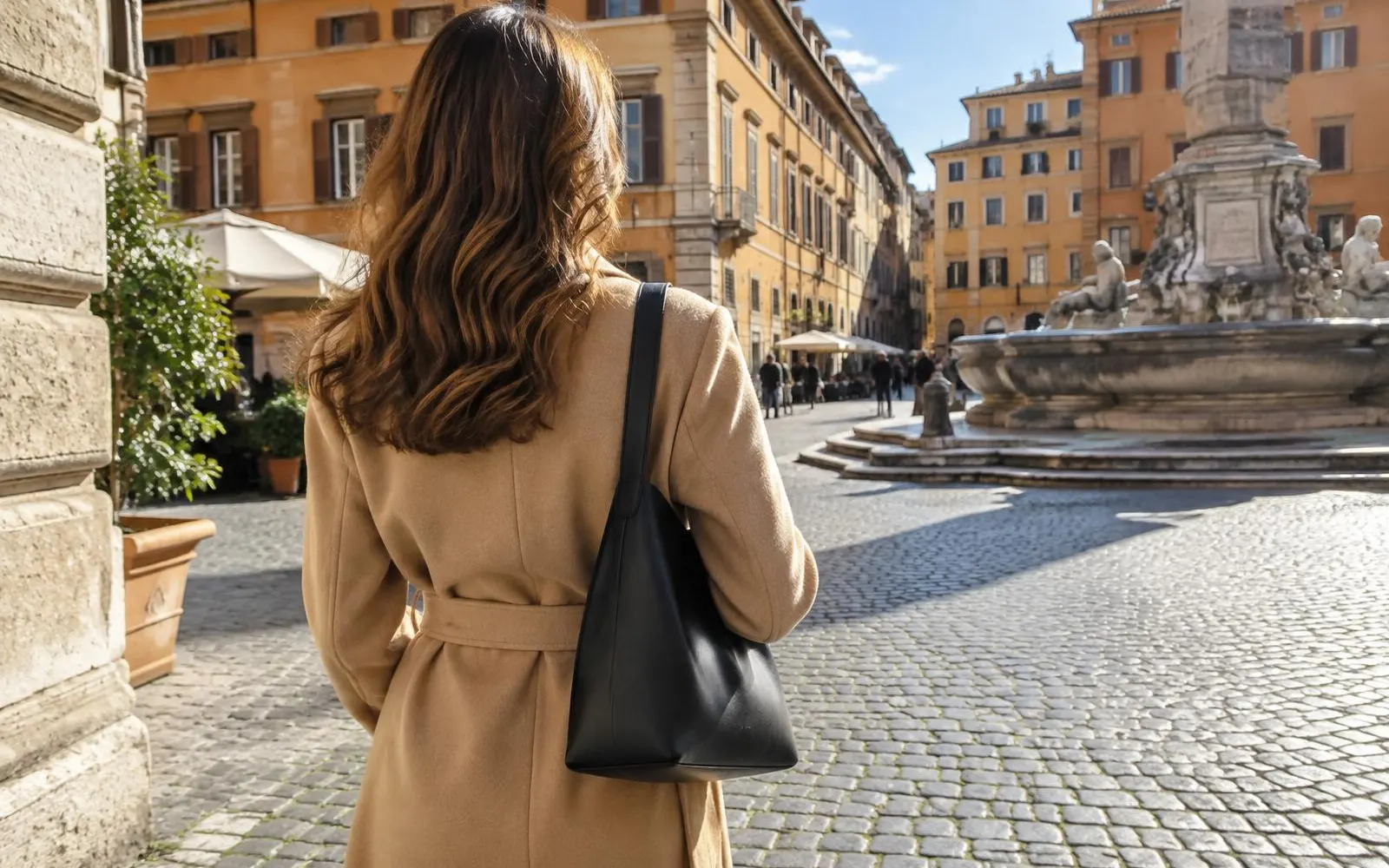
Shoes. Match your shoes to the terrain first and the outfit second. Block heels and wedges handle grass, gravel and cobblestones. Elegant flats or low kitten heels are perfectly appropriate at most weddings. If you love a high heel for the ceremony, pack a pair of foldable flats for the reception.
Bags. A small clutch or top-handle bag is all you need. It should fit your phone, a lipstick, tissues for the vows and a few cards.
Jewelry. Let the neckline guide you. A strapless or square neck pairs well with drop earrings or a delicate necklace. A high neck looks best with statement earrings and nothing at the throat.
Layers. Outdoor ceremonies can get cool by evening, and air-conditioned venues can be chilly. Bring a pashmina, a tailored blazer, a cropped jacket or an elegant wrap that suits your outfit's palette.
Hair and grooming
Choose a hairstyle that will last through hugs, wind and dancing. A low bun, soft waves or a sleek ponytail are reliable. Keep makeup long-wearing, and bring blotting papers and lipstick for touch-ups after dinner.
What to wear and what to avoid as a wedding guest
Wear:
- Colors and prints that feel celebratory, such as jewel tones, pastels, florals and rich neutrals
- Fabrics that photograph well and resist wrinkling
- Comfortable, broken-in shoes
- A layer for temperature changes
Avoid:
- White, ivory, cream or anything that could read as bridal, unless the couple specifically requests it
- Anything that might upstage the couple, like extremely sheer, overtly revealing or dramatically embellished looks at a modest event
- Casual pieces such as denim, athletic shoes or flip-flops, unless the dress code clearly allows it
- Very high heels on grass or sand
Black was once considered inappropriate for weddings. Today it's widely accepted, particularly for evening and formal events. Still, check the couple's wishes and the cultural or religious traditions involved. Some ceremonies call for covered shoulders, longer hemlines or head coverings, and respecting those details matters.
Seasonal and setting variations
Variations by setting
Ballroom or hotel. Lean formal: long gowns, luxe fabrics like satin and velvet, polished heels and fine jewelry.
Garden or vineyard. Floral prints, soft colors and breathable fabrics. Block heels or wedges are a must on grass. Bring sunglasses for the ceremony.
Beach. Light, flowing fabrics like chiffon, linen blends and cotton voile. Flat sandals or bare feet if the couple suggests it. Avoid anything heavy or structured.
Barn or rustic venue. Midi dresses, cowboy-inspired or western boots if the vibe allows, and cozy layers for the evening.
City hall or courthouse. Chic and compact: a tailored suit, a sleek sheath dress or a silk skirt and blouse. Often followed by a restaurant celebration.
Religious ceremony. Check traditions in advance. Shoulders may need covering, and modest lengths are usually appreciated.
Spring and summer weddings
Pastels, florals and lighter fabrics are classic. Think lilac, butter yellow, sky blue and soft green. Choose breathable fabrics, and avoid anything that shows perspiration easily if you'll be outdoors in the heat.
Fall and winter weddings
Deeper colors come into play: burgundy, emerald, navy, chocolate and plum. Velvet, satin and heavier crepe look rich in cooler months. Add sheer tights, a faux-fur stole or a tailored coat for outdoor photos.
Planning ahead
If you're in the wedding party or helping the couple, outfit decisions are just one piece of a bigger timeline. Our wedding planning checklist helps you keep track of everything else.
Give yourself time, too. Try your full outfit on at least a week before, shoes and all. Walk around, sit down and lift your arms. This is your chance to schedule tailoring, steam out wrinkles and break in shoes.
Frequently asked questions
Can I wear black to a wedding?
In most cases, yes. Black is widely accepted today, especially for evening, formal and city weddings. Make it feel celebratory with luxe fabrics, a bright lip or statement jewelry. If the couple or their traditions suggest otherwise, follow their lead.
Is a jumpsuit appropriate wedding attire for women?
Yes, a dressy jumpsuit in an elegant fabric is appropriate for most cocktail and semi-formal weddings. Pair it with heels and refined accessories. For black tie, choose a floor-length style in satin or crepe.
What should I wear to a wedding if the dress code isn't stated?
Look at the venue, time of day and invitation style for clues. If you're still unsure, cocktail attire, such as a knee-length or midi dress or dressy separates, is the safest middle ground. You can also ask a friend in the wedding party.
What colors should wedding guests avoid?
Avoid white, ivory and cream unless the couple asks for it. Some couples also request that guests skip their wedding party colors. Otherwise, almost any celebratory color or print works.
The takeaway
Knowing what to wear to a wedding comes down to respect and comfort: honor the couple's dress code, dress for the venue and season, and choose pieces you can celebrate in all day. Once the wedding's over, many of those pieces will work for other occasions too. A silk skirt or dressy jumpsuit can easily become one of your going out outfits, a polished option among your date night outfits, a lighter piece for weekend brunch outfits, or a fresh take on your next set of birthday outfit ideas.