Business casual outfits sit between a suit and weekend clothes, and that middle ground is exactly what makes them hard. Dress too casually and you look underprepared; dress too formally and you feel stiff. This guide gives you clear formulas, fabric and fit rules, and practical combinations so you can get dressed for the office with confidence.
You will find work outfit ideas for different dress codes, from relaxed offices to client-facing roles, along with notes on shoes, accessories and what to avoid. The same principles also cover smart casual outfits for lunches, networking events and hybrid work weeks.
What business casual actually means
Business casual has no universal definition, so context matters. In general, it means professional, put-together clothing that is more relaxed than a suit. Think tailored pants, blouses, knit tops, dresses, skirts and blazers, in fabrics that look neat and hold their shape.
Smart casual is a notch more relaxed. Dark denim, clean sneakers and a polished knit may be acceptable, depending on the workplace. When you are unsure, look at what colleagues and leaders wear, check any written dress code, and dress slightly up on your first weeks.
- Business casual: pants or skirts, blouses or fine knits, blazers, closed shoes.
- Smart casual: dark jeans, structured knits, loafers or clean leather sneakers.
- Casual (not business casual): ripped denim, graphic tees, athletic wear and flip-flops.
Core outfit formulas
These office outfits work in almost any business casual setting.
Tailored pants, blouse and blazer
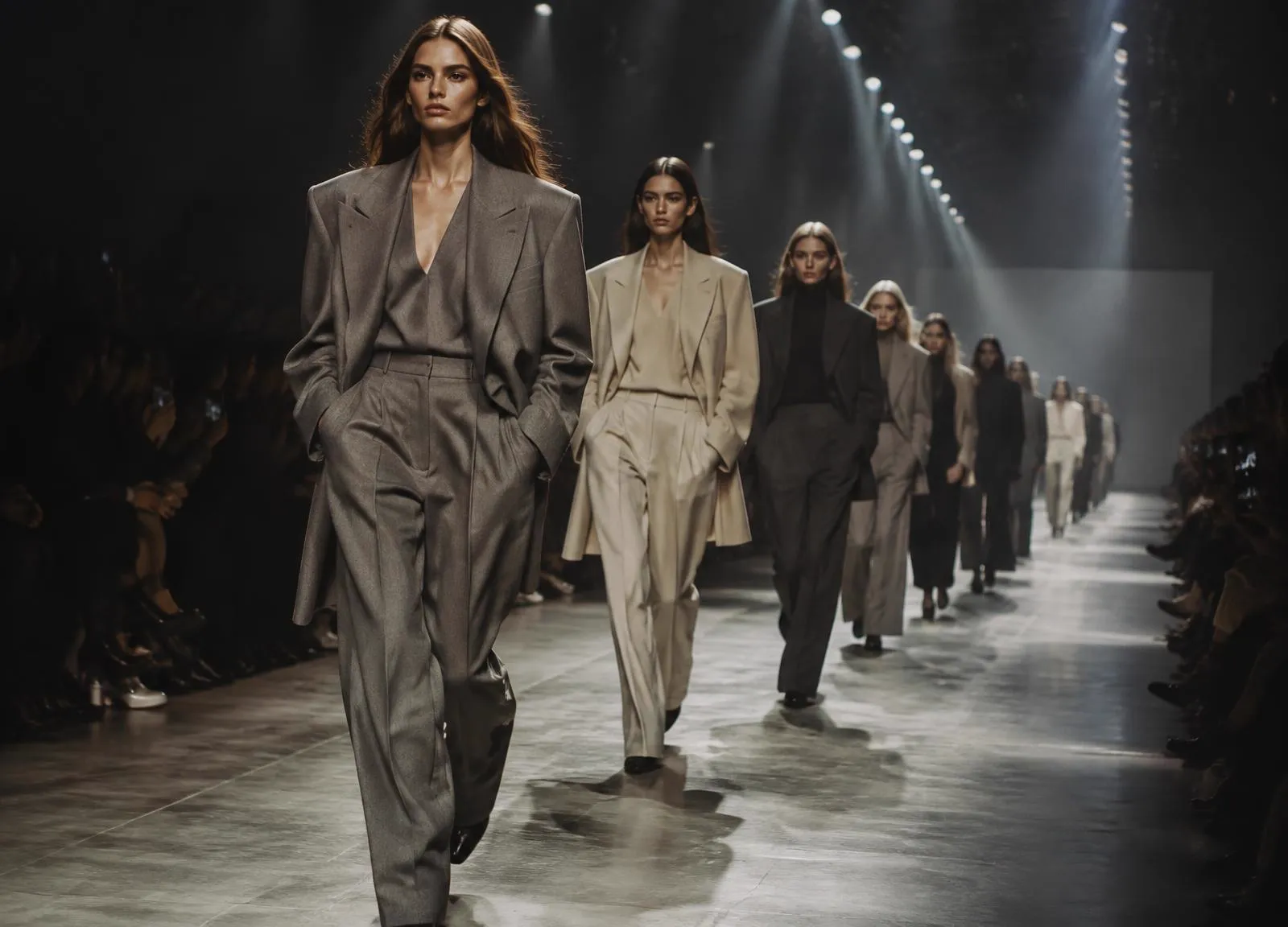
The classic. Straight or wide-leg pants in navy, black, grey or camel, a blouse in a solid or subtle print, and a blazer in a matching or contrasting color. Swap the blouse for a fine knit when it is cooler.
Knit and pants
A fine-gauge sweater, a polo knit or a ribbed top with tailored pants is comfortable and polished. Add a belt to define the waist, and loafers or flats to finish.
Midi skirt and tucked top
A pleated or A-line midi skirt with a tucked blouse or bodysuit gives movement and a feminine, professional line. Pair with a cardigan or blazer on cold days.
Shirt dress or wrap dress
A single-piece outfit that needs almost no styling. Choose a knee-length or midi dress in a non-clingy fabric, add a belt and structured shoes, and layer with a blazer for meetings.
Matching set
A coordinated trouser and blazer set is easy to wear together or split. Wear the pants with a knit another day, and the blazer over a dress on a third.
Smart casual with denim
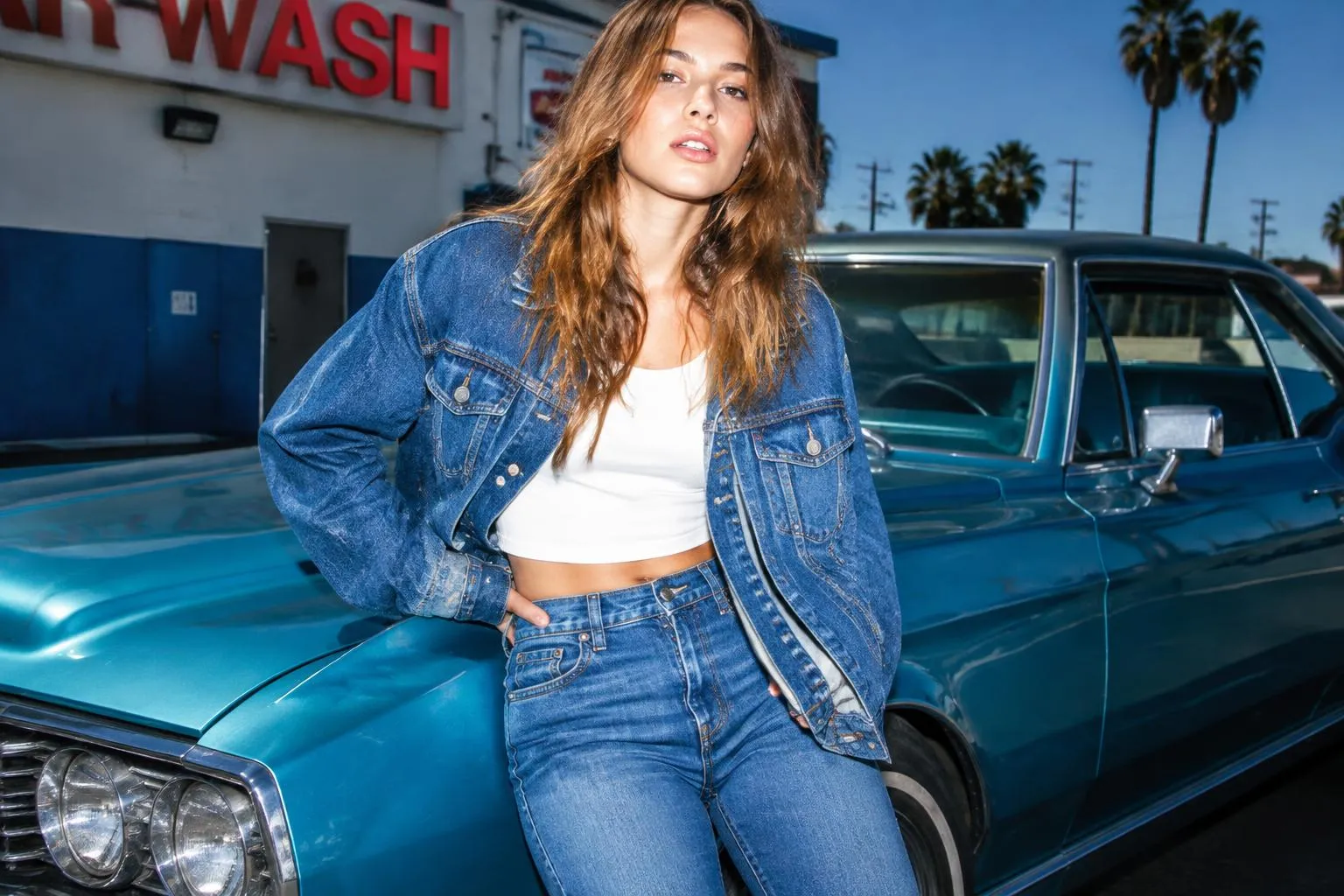
Dark, straight-leg jeans without distressing, a tucked blouse or crisp shirt, a blazer and leather loafers. This only works where denim is permitted, so check first.
Styling details that elevate the look
- Fit is the biggest factor. Pants should skim the body and fall to the top of the shoe or just above it. Shoulders on blazers should sit at the shoulder line.
- Choose fabrics that hold shape. Crepe, wool blends, ponte, structured cotton and good-quality knits stay neat through the day. Very thin or clingy fabrics wrinkle and show everything.
- Steam and press. Pressed clothes make inexpensive pieces look sharp.
- Mind necklines and hems. Moderate necklines and hems at or below the knee are a safe default in conservative workplaces.
- Keep colors working together. A base of navy, black, grey, camel and white, with one or two accent colors, makes mixing easy.
- Add one polished detail. A belt, a watch, small earrings or a structured bag.
What to wear and what to avoid
| Wear | Avoid |
|---|---|
| Tailored or straight pants, midi skirts, shirt dresses | Very short hems, low necklines |
| Fine knits, blouses, button-up shirts | Wrinkled or stained clothes |
| Loafers, ballet flats, block heels, ankle boots | Worn-out sneakers, flip-flops, beach sandals |
| A structured tote or work bag | Oversized, scuffed or overly casual bags |
| Subtle jewelry | Noisy, tangled or distracting accessories |
When a day includes unusual plans, such as a client lunch or presentation, dress for the most formal part. It is easier to take off a blazer than to add one.
Practical combinations
For a relaxed office
- Dark straight jeans, a silk-feel blouse, a cardigan and loafers
- A knit midi dress, a belt and ankle boots
- Chinos, a fine sweater and leather sneakers where permitted
For a traditional office
- Navy pants, a white shirt, a camel blazer and pointed flats
- A pencil or A-line skirt, a bodysuit and a tailored jacket
- A sheath dress, a blazer and low heels
For hybrid and video-call days
- A structured knit top and soft tailored pants
- A blouse with a defined neckline, since the top half is what shows on screen
- Comfortable shoes, with a blazer on a chair for in-person moments
For networking and after-work events
- Swap pants for a midi skirt or tailored dress
- Add a statement earring or a brighter bag
- Replace flats with heeled boots or sleek heels
Shoes and accessories
- Loafers are the most versatile choice for pants and skirts.
- Ballet flats and mary janes suit dresses and cropped pants.
- Block heels and kitten heels are comfortable for long days.
- Ankle boots work with pants and skirts in cooler months.
- Clean, minimal sneakers suit relaxed workplaces and commuting; carry them in and swap if needed.
- Bags: choose a structured tote or satchel with space for a laptop.
- Jewelry and watches: simple and consistent in metal tone.
For comfort, break in new shoes at home before wearing them to work, and keep a spare pair or blister protection in your bag.
Variations by setting and season
Warm weather
Choose breathable fabrics like cotton, linen blends and lightweight crepe. Sleeveless blouses with a blazer to hand, midi dresses and cropped pants all work. Avoid fabrics that cling or show perspiration.
Cold weather
Layer fine knits under blazers, add a longer coat, and wear tights or lined pants with boots. A turtleneck under a pinafore or a blazer is warm and polished.
Travel for work
Choose wrinkle-resistant fabrics and a color palette where everything mixes. A dark trouser, a neutral blazer and two tops can create several outfits.
Buying pants that work harder
Pants are the backbone of business casual. If you are building a work wardrobe, our guide to the best work pants for women explains what to look for in fabric, rise and cut. Prioritize one or two well-fitting pairs in neutral colors before adding variety.
Interviews and first impressions
If you are preparing for a job interview, dress a step above the company's everyday standard. Our guide on what to wear to a job interview goes into the specifics, and our broader job interview tips help with preparation beyond clothes.
Building a work capsule
A compact business casual wardrobe can be small and flexible. Aim for two pairs of tailored pants, one skirt or dress, three or four tops in different textures, one blazer, one cardigan or knit layer, and two pairs of shoes. If everything shares a base palette, nearly every top works with every bottom. Add a seasonal piece or two rather than replacing the core, and retire items as they wear out.
A note on personal style at work
Business casual does not mean bland. Within the dress code you can express personality through color, texture and accessories. Even trend-led looks can enter the office in small doses, but keep strongly youthful or nostalgic pieces, such as those in y2k outfits, for after hours unless your workplace is very relaxed.
Frequently asked questions
What is the difference between business casual and smart casual?
Business casual is closer to traditional office wear: tailored pants, blouses and blazers. Smart casual is slightly more relaxed and may include dark denim and clean sneakers, depending on the workplace.
Can I wear jeans in a business casual office?
Often yes, if they are dark, well-fitting and free of rips or heavy fading. Check your company's policy and pair them with a polished top and structured shoes.
What colors work best for business casual outfits?
Navy, black, grey, camel, white and soft neutrals mix easily. Add one or two accent colors in tops or accessories for variety.
What shoes are acceptable for business casual?
Loafers, ballet flats, block heels, ankle boots and minimal leather sneakers in relaxed offices. Avoid flip-flops and very worn shoes.
The bottom line
Business casual works best when you stick to a few well-fitting basics, choose fabrics that hold their shape and add one polished detail. Build slowly, repeat what works and adapt to your office culture. For more, explore our Office section.