Living room trends 2026 are about comfort with character. The living room is where most households spend their evenings, so this year's ideas favour deep, welcoming seating, warm colour, layered lighting and a mix of old and new rather than a single matching set.
Below you will find the main directions shaping British sitting rooms, with advice on how to adapt each one to your space, your budget and the way you actually use the room. For the wider picture across the whole home, see our overview of interior design trends 2026.
The shape of the year: relaxed, soft and personal
The most useful way to think about this year's living rooms is a move from "styled" to "settled in". Think generous sofas, a lived-in mix of textures, and objects that tell you something about the people who live there. Symmetry is relaxed, matching sets are optional, and every room has at least one piece with a bit of history.
Key living room trends 2026
Deep, sink-in seating
Big, low, softly padded sofas and armchairs are replacing narrow, upright designs. Modular and sectional shapes, curved sofas and chaise-style ends all fit this mood. When choosing, sit on it for longer than a minute. Seat depth, back support and cushion fill matter more to everyday comfort than the shape on the showroom floor.
Washable or removable covers are a practical bonus in households with children, pets or red wine.
Warm, earthy colour on the walls
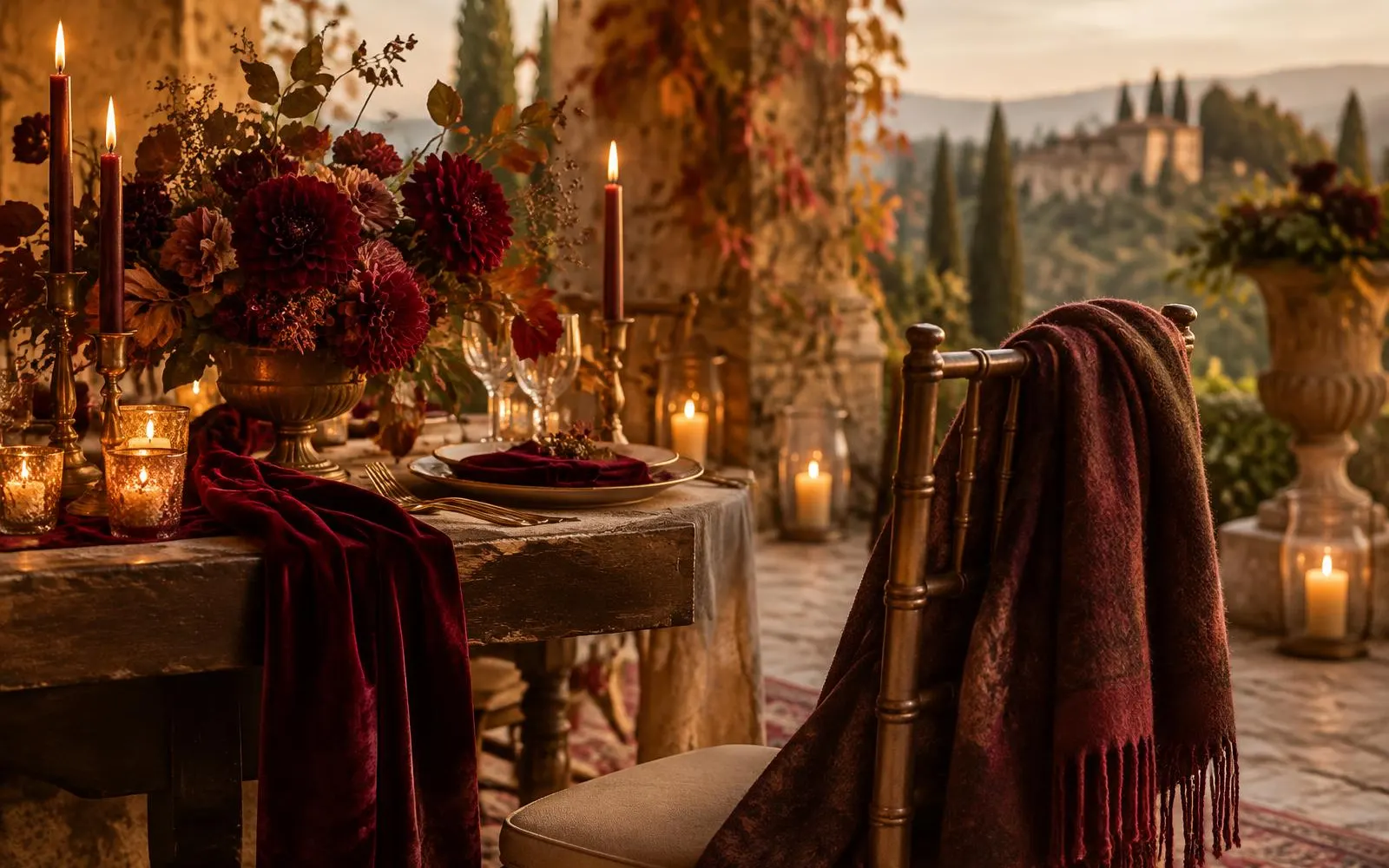
Greige and cool grey have given way to warm neutrals such as clay, stone, mushroom, putty and creamy off-white, alongside deeper tones like olive, forest green, rust and chocolate brown. These colours flatter evening light and make a room feel enclosed in a good way.
If you are not ready for a full colour change, paint the lower half of the wall or the woodwork in a deeper shade and keep the upper wall light.
Tactile textures
Boucle, wool, linen, velvet, sheepskin and chunky knit throws all appear together. The approach is to stay within a restrained colour palette and vary the textures instead of the colours. A cream boucle chair beside a linen sofa and a wool rug is calmer than three different colours would be.
Curves and organic forms
Pebble-shaped or round coffee tables, arched mirrors, rounded sofa arms and curved side tables soften the lines of a typical rectangular room. If you have only a small budget for change, a round rug or an arched mirror will deliver the same softness.
Mixed wood tones and natural materials
Matching wood furniture sets have given way to a deliberate mix: a dark oak sideboard, a pale ash table, a walnut-toned frame. The trick is to repeat each tone at least twice in the room so it looks planned. Stone, marble, travertine-effect surfaces, rattan, wool and cane add further variety.
Vintage and secondhand finds
An antique side table, a salvaged stool or a mid-century armchair does more for a living room than another set of new accessories. Auction houses, antique markets and online resale platforms are all worth exploring. Look for solid construction, and be realistic about reupholstery costs before taking on a project piece.
Lamps over spotlights
Ceiling spotlights on their own produce a flat, workmanlike light. The current approach is several lamps at different heights, plus wall lights or a dimmable ceiling fitting. Use warm-toned bulbs and aim for at least three light sources in the room.
Books, art and display
Open shelving, picture ledges and edited collections of books and ceramics bring personality. Art is chosen for feeling more than matching, and frames are mixed. We keep the detail on arranging pictures for our guides on living room ideas; here, the key point is that walls are treated as places to express taste, not left blank.
Fireplaces and focal points
Where a fireplace exists, it is being restored or styled rather than boarded over. A mantel with art, candles and a mirror creates a natural focal point. Where there is no chimney, an arrangement of a low console, art and a lamp can do the same job as a visual anchor.
How to make the trends work in your living room
Step 1: Decide what the room is for
Is it a TV room, a conversation room, a place to read, or all three? Write down the top two uses. This tells you where the sofa goes, how much seating you need and what lighting is required.
Step 2: Choose a colour direction
Pick one wall or woodwork colour and two supporting shades, and check large samples at different times of day.
Step 3: Invest in the seating
Spend more on the sofa than on any accessory. It anchors the room, it is used daily, and it is the hardest piece to change.
Step 4: Layer in lighting and texture
Add lamps, a rug and a mix of cushions and throws. This is where the room starts to feel finished.
Step 5: Edit and personalise
Remove anything that does not earn its place, then add a few personal pieces such as books, art or ceramics.
Practical considerations
- Rugs. Choose a rug large enough for at least the front legs of all seating to rest on it. A tiny rug floating in the middle looks lost.
- Durability. Tightly woven, performance-type fabrics tend to stand up better to heavy daily use than loosely woven or delicate ones. Check the manufacturer's care guidance.
- Pets and children. Look for removable covers, wipe-clean finishes on tables and stain-resistant treatments where available.
- Heating and radiators. Avoid blocking radiators with sofas, since it reduces warmth and can damage fabrics.
- Condensation. Lime plaster and natural textiles need good ventilation. Consider this in older, damp-prone houses.
UK-specific considerations
Most British living rooms have a chimney breast, a bay window or both, which gives you natural focal points. Use alcoves for built-in shelves and cupboards, and consider a window seat in a bay with storage underneath. In terraced and period homes, picture rails, cornicing and panelling suit deep, warm paint colours. In new-builds with plain walls and low ceilings, use pattern, texture and lighting to add the depth that the architecture lacks.
For smaller rooms and flats, our guide to small living room ideas covers layout and storage in detail. A short summary: choose a sofa with a lighter visual weight, hang curtains high and wide, and use mirrors to reflect daylight.
Style and inspiration examples
The warm neutral room
Stone-coloured walls, a cream sofa, wool rug, a wooden coffee table and a couple of brass or ceramic lamps. It is quiet, flexible and easy to update with seasonal accents.
The moody snug
Deep green or brown walls with matching woodwork, velvet cushions, a low sofa and plenty of warm lamplight. Particularly good for smaller rooms used mostly in the evening.
The collected room
A mix of vintage and new furniture, art in varied frames, patterned rugs and a full bookcase. Keep the colour palette tight to stop it feeling chaotic.
Modern country
Painted panelling, checked or striped fabrics, linen curtains, an antique pine table and simple pottery. It works in a city flat as well as a cottage.
Budget variations
- Under a tight budget: paint, new lamp shades, throws and cushions, plus secondhand frames and small tables.
- Mid-range: a new rug, curtains and one good armchair.
- Investment: a quality sofa, built-in shelving and a proper lighting plan.
Common mistakes to avoid
- Buying the whole room at once. Rooms feel richer when pieces arrive over time.
- Too many trends. Choose two or three and keep the rest classic.
- Poor lighting. A single overhead light flattens everything.
- Furniture pushed against the walls. Floating seating slightly away from walls often feels more intimate, if the space allows.
- Ignoring scale. Oversized sofas in small rooms can overpower the layout.
- Matching everything. A little contrast looks more natural.
Explore more
For the kitchen equivalent, see our guide to kitchen trends 2026, and keep browsing the Interior Trends section for more ideas across the house.
Frequently asked questions
What colours are popular for living rooms in 2026?
Warm neutrals such as stone, clay, mushroom and creamy white remain popular, alongside deeper shades like olive, forest green, rust and chocolate brown. These tones suit the UK's often soft natural light and look good with wood and natural textiles.
Are curved sofas still in fashion?
Yes. Curved and rounded sofas continue to appeal because they soften a room and encourage conversation. They do need floor space, so measure carefully and consider a smaller curved armchair or footstool if your room is compact.
How many lamps should a living room have?
There is no fixed number, but three or more light sources at different heights usually gives the best result. Combine a dimmable ceiling light, one or two table lamps and perhaps a floor or wall light.
Should I mix wood tones in the living room?
You can, and it is a current approach. Keep it looking intentional by repeating each tone at least twice and by sharing an undertone, either warm or cool, across the pieces.
How do I update my living room on a budget?
Start with paint, lighting and textiles. A new lamp, a rug, cushions and a throw cost far less than furniture but change the feel of the room considerably.
In short
This year's living rooms prioritise comfort, warmth and individuality. Pick a calm colour direction, spend on the seating, layer in light and texture, and add a few pieces with a story. The result will feel current without looking dated in a year.