Interior design trends 2026 point in one clear direction: homes that feel warm, tactile and lived in rather than staged. Out go the all-white, high-gloss spaces of the last decade. In come richer colour, natural materials, characterful secondhand pieces and lighting that actually creates atmosphere.
This guide sets out the main directions we expect to see across British homes this year, how to adapt them to real rooms and budgets, and which ideas are better treated with caution. Trends here are described as broad movements in colour, material and layout, not as products to buy.
The big picture: warmth over perfection
If one idea ties the year together, it is a shift away from showroom perfection. People are choosing rooms that look collected over time, with a mix of old and new, soft and hard, matt and glossy. The aim is comfort first and photograph second.
That makes the trends easy to adopt gradually. You do not need to redecorate a whole house. A new paint colour, a few textiles, a better lamp and a vintage find can move a room firmly into the present.
Key interior design trends 2026
Warm, earthy colour
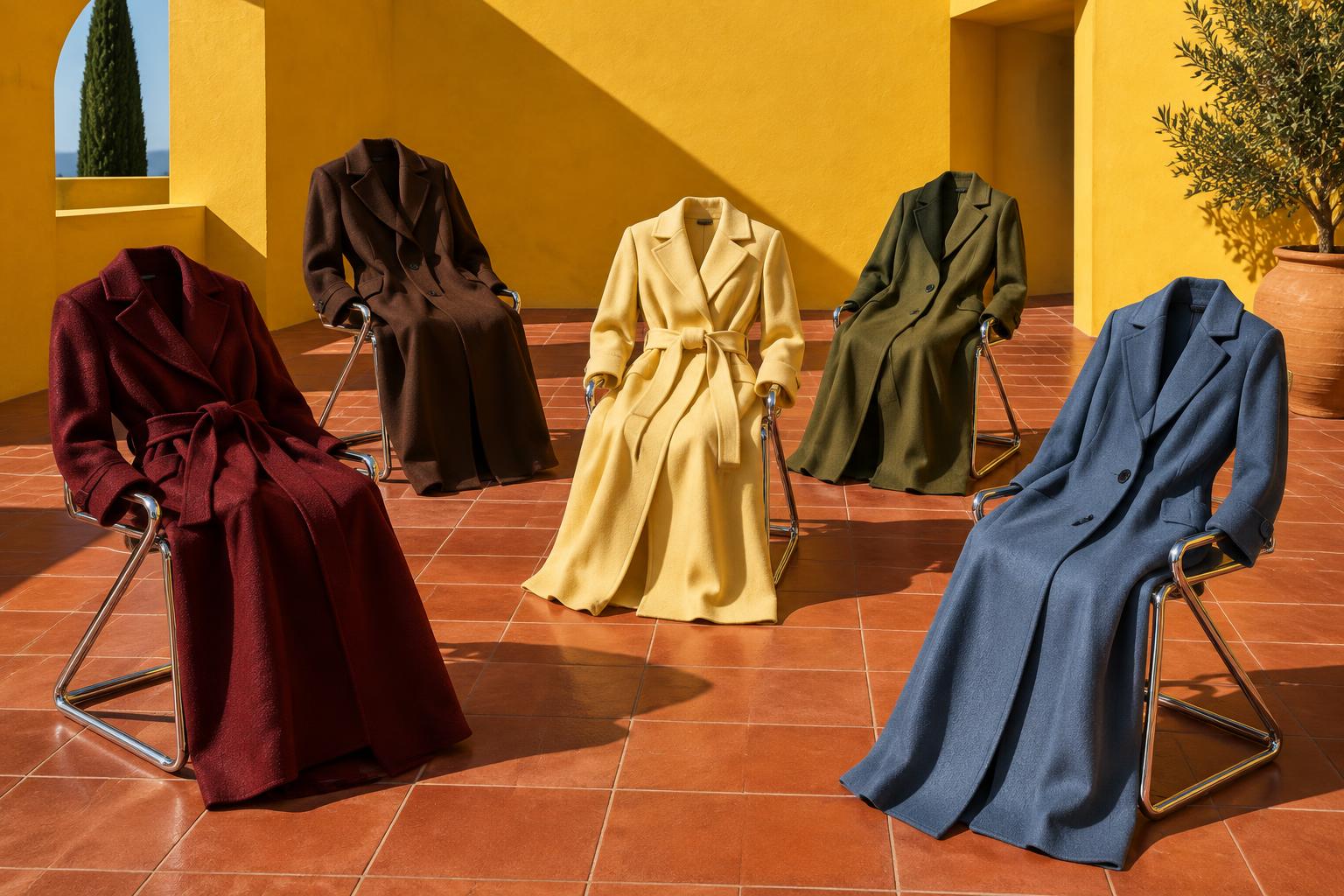
Cool greys have faded. Their replacement is a palette drawn from soil, clay, spices and woodland: terracotta, deep brown, olive and moss green, warm ochre, muted rust and creamy off-whites. Deep chocolate and espresso browns in particular are appearing on walls, joinery and upholstery as a softer alternative to black.
To use it well, choose one or two earthy tones and repeat them. A warm neutral wall with a rust cushion, an olive curtain and a dark timber table is more convincing than five competing colours.
Colour drenching
Painting walls, woodwork, doors and sometimes the ceiling in the same colour remains a popular way to make a room feel enveloping and deliberate. It works especially well in small or awkward spaces, since it removes visual breaks and blurs the corners. Use a slightly different finish on woodwork, such as eggshell against matt walls, so the details still read.
Texture and tactile materials
Surfaces you want to touch are central to the year: boucle and chunky weaves, washed linen, velvet, wool, rough plaster, lime wash, raw timber and honed stone. Layering several textures within a single colour family creates richness without visual noise.
Lime-wash and textured paint effects suit period homes with imperfect walls, since the finish celebrates unevenness rather than hiding it.
Natural and responsible materials
Solid wood, stone, clay, cork, rattan, wool and linen continue to replace plastic-heavy finishes. Buyers are also looking harder at how things are made and how long they last, which favours repairable furniture and classic shapes. A well-made timber table that can be refinished beats a trend-led piece that shows wear within a year.
Secondhand, vintage and antique pieces
Mixing in pieces with age is one of the easiest ways to give a room depth. Car boot sales, auctions, antique centres, charity shops and online marketplaces are all rich sources in the UK. A worn leather chair, a mid-century sideboard or a painted farmhouse table adds character that new furniture struggles to replicate.
A practical tip: choose one or two substantial vintage pieces per room and let newer items play a supporting role. Too many antiques can feel like a shop; too few can feel flat.
Curves and softer shapes
Rounded sofas, arched mirrors, curved headboards, pebble-shaped coffee tables and soft-edged doorways all keep appearing. Curves soften rooms full of straight lines, and they can help in small spaces where sharp corners would be a nuisance. If you are not ready to replace furniture, introduce curves through a round mirror, a circular rug or a scalloped lampshade.
Statement lighting and layered light
Lighting is treated as design, not just function. Sculptural pendants, paper and fabric shades, table lamps in every room and wall lights are replacing the single bright ceiling spotlight. The principle is simple: use several low sources at different heights rather than one overhead light, and choose warm bulbs.
Rooms with a clear job
After years of open-plan living, many households are reintroducing definition. That can mean a snug, a reading corner, a dedicated home office, or simply using rugs, shelving and lighting to separate zones. Pocket and glazed internal doors are one way to keep the light flowing while still dividing space.
How to make it work at home
Choose an anchor, then edit
Pick one defining element, such as a wall colour, a statement lamp or a large vintage piece, and build around it. Trends work best when they support the architecture and the way you live, not when they fight it.
Start with things that are easy to reverse
If you rent or are unsure, begin with paint (where allowed), textiles, lampshades, mirrors and art. These are quick, relatively inexpensive to change, and they carry most of a room's character.
Think in layers
A good room usually has:
- A base of calm, warm colour
- Two or three textures
- Lighting at different heights
- A few meaningful objects, such as books, ceramics or art
- Something living, whether plants or cut stems
Practical considerations for UK homes
British homes vary enormously, from Victorian terraces and 1930s semis to new-builds and flats, and trends need adapting to each.
- Light levels. Many UK rooms are north-facing or shaded for much of the year. Rich earthy shades can look wonderful here but can also feel heavy in a dim room, so test large paint samples on more than one wall and look at them morning and evening.
- Period features. Fireplaces, cornicing, panelling and sash windows pair well with warm colour and vintage furniture. Work with them rather than boxing them in.
- Space. Smaller rooms suit tonal colour and fewer, larger pieces. For tight footprints, keep to tonal colour and a few larger pieces.
- Condensation and damp. Natural plasters, timber and textiles need a well-ventilated home. If you have persistent damp, resolve it before decorating.
- Renting. Check your tenancy agreement before painting or fixing anything to walls.
Style and inspiration examples
Warm minimalism
Think soft neutrals, simple lines and tactile fabrics, with fewer objects but richer materials. It is a comfortable alternative to stark minimalism and suits people who like calm rooms.
The collected home
Layers of art, books, vintage furniture and patterned textiles, held together by a consistent colour thread. It suits those who enjoy hunting for pieces and do not mind a more personal, less polished look.
Modern country
Natural timber, painted joinery, checks and ticking stripes, ceramic jugs, and linen curtains give a relaxed, rural feel that works in town as well as country. Keep it fresh by simplifying the colours and avoiding too many themed accessories.
Bold and graphic
A single dramatic decision, such as a deep green hallway or a boldly tiled floor, can take the place of numerous smaller touches. It suits entrances, cloakrooms and utility rooms where you can be adventurous without living with the colour all day.
Budget and small-space variations
- Low budget: paint a single wall or a piece of furniture, change lamp shades, add a throw and cushions, and shop secondhand for frames and small tables.
- Mid-range: replace curtains, add a rug and invest in one good lamp. Reupholster a favourite chair instead of buying new.
- Investment: custom joinery, quality sofas, and proper lighting plans give the longest return. Spend where use is highest, such as seating and beds.
- Small spaces: go tonal, hang curtains high and wide, and use mirrors to reflect daylight.
Travel-inspired interiors
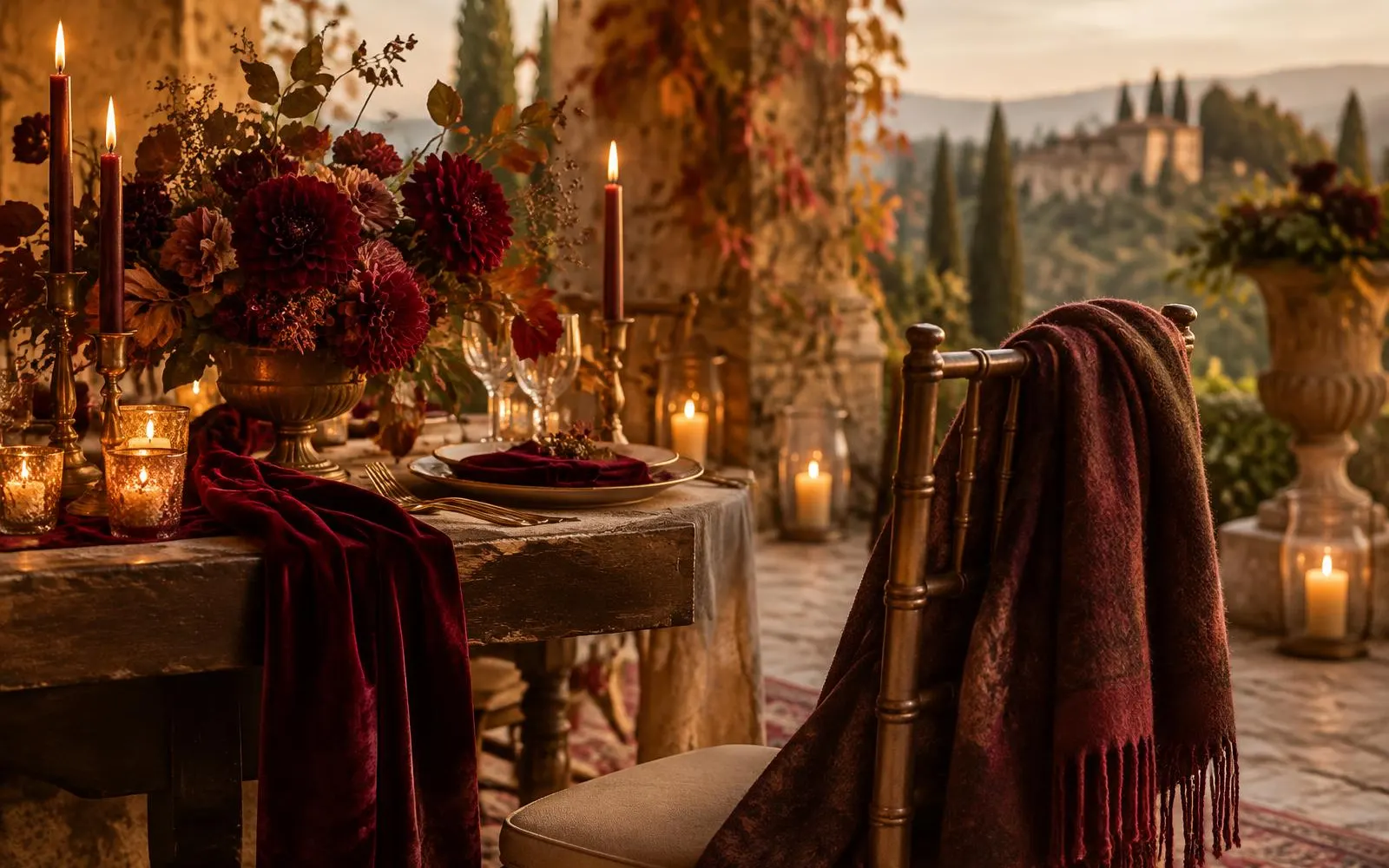
Many of this year's interior ideas have a travel connection: terracotta tiles and lime wash from southern Europe, simple wood and linen from northern Europe, and the layered textiles seen in boutique hotels. If you are looking for inspiration, a weekend away can be a useful research trip. Our guide to city breaks in Europe is a good place to start, and a visit to a design-led hotel or a flea market often teaches more than any moodboard.
Common mistakes to avoid
- Following every trend at once. Pick two or three that suit you and ignore the rest.
- Buying large, trend-led pieces first. Sofas and tables should be timeless; use cushions, lamps and art for the trend.
- Skipping samples. Colour changes with light. Test properly.
- Forgetting lighting. The best paint colour can look flat in poor light.
- Ignoring scale. Oversized lamps or tiny rugs spoil a room faster than any colour mistake.
- Hiding the character. Painting over interesting features can make a room feel generic.
Where to go next
Each room has its own set of trends. If you are planning a specific space, read our detailed guides to living room trends 2026 and kitchen trends 2026. For more general layout and styling inspiration, see our living room ideas, and browse the full Interior Trends section.
Frequently asked questions
What are the main interior design trends for 2026?
The strongest directions are warm earthy colour, tactile textures, natural materials, secondhand and vintage furniture, curved shapes and layered lighting. Overall, the mood is warmer and more personal than the stripped-back looks of recent years.
Is grey out of fashion in interiors?
Cool, flat greys have given way to warmer neutrals such as stone, putty, cream and soft brown. Grey can still work if it has a warm undertone and is paired with natural materials, but many people now prefer shades with more depth.
How do I follow trends without redecorating the whole house?
Change small, reversible elements first: lamp shades, cushions, throws, art and a coat of paint in one room. Avoid replacing large, expensive items for a trend alone. Keep the base classic and add trend-led touches on top.
Are bold colours too much for a small room?
Not necessarily. A deep, enveloping colour can make a small room feel cosy and intentional, particularly if you use it across walls and woodwork. Add enough light and keep furnishings simpler to stop it feeling heavy.
How can I make my home feel less staged?
Mix old and new, add texture, and let some personal objects show. Swap matching sets for pieces that relate to each other without being identical, and prioritise comfort over symmetry.
In short
Interior design trends 2026 reward patience and personality. Choose warm colour, honest materials, good light and a few pieces with history, then let the room evolve. The homes that feel best are rarely the most perfect; they are the ones that feel like someone really lives there.