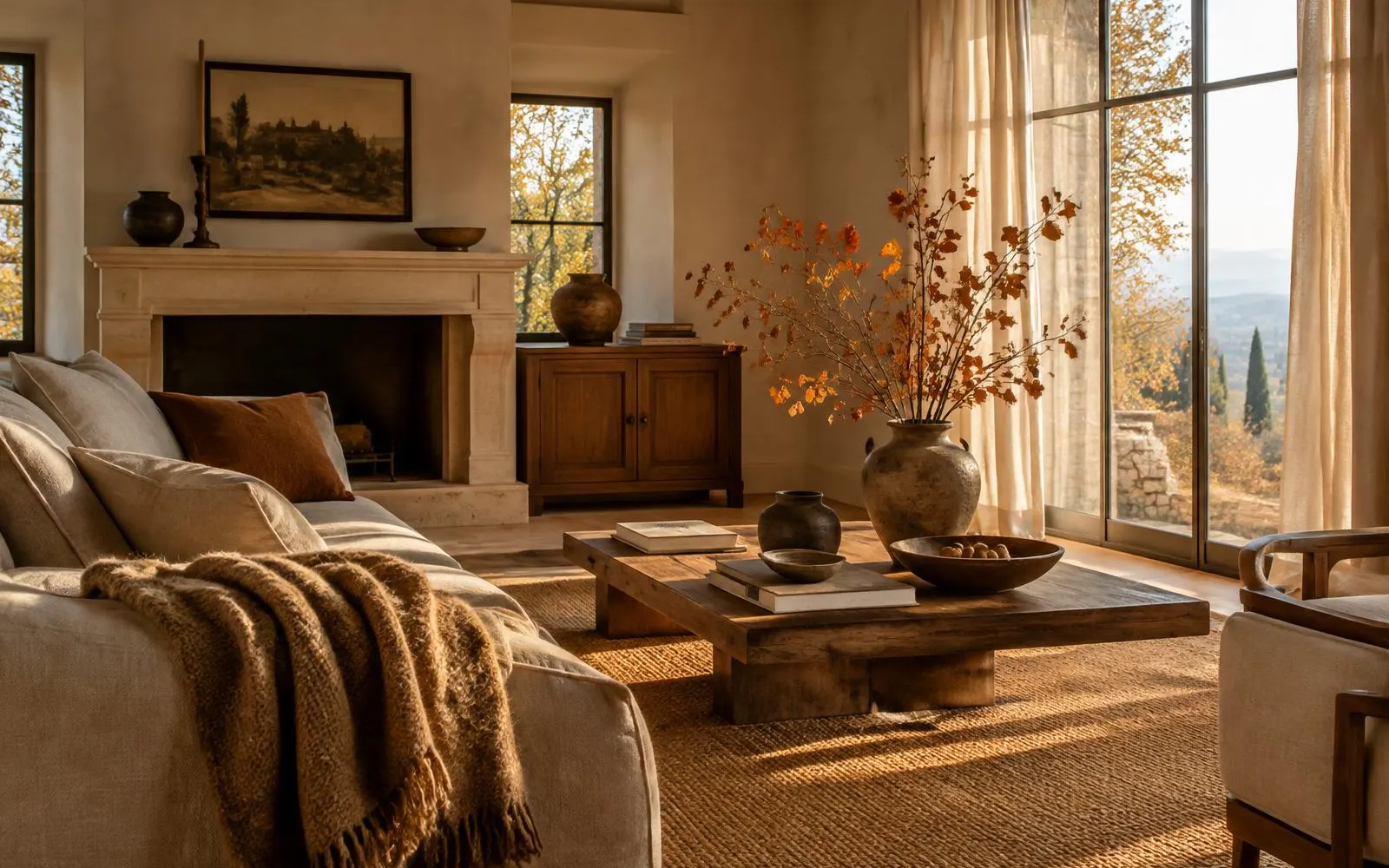
The best living room ideas start with how you actually live in the room. Do you watch television most evenings, host friends at weekends, work from the sofa, or share the space with children and pets? Once you know the answer, colour, furniture and lighting become much easier to decide.
This guide gives you the key living room ideas first, then shows how to put them into practice: layout, lighting, colour, textiles and storage. You will find style directions for different tastes, UK-specific points such as period features and draughty windows, and the mistakes that most often hold a lounge back. If your room is compact, our guide to small living room ideas goes further.
Key living room ideas at a glance
If you only take away a handful of principles, make it these.
- Plan around one focal point. A fireplace, a window or a well-placed television gives the room a clear centre.
- Layer the lighting. Combine a main light with table lamps, floor lamps and wall lights at different heights.
- Choose a palette of three or four colours. A base, a secondary tone and one or two accents keep things coherent.
- Mix textures. Wool, linen, velvet, wood and ceramics add depth to a neutral scheme.
- Anchor with a rug. It defines the seating area and softens a hard floor.
- Edit your surfaces. A few considered objects look better than a crowd of small ones.
- Make storage part of the design. Closed cupboards and well-chosen baskets reduce visual noise.
How to make it work: layout and furniture
Start with the seating
The sofa is the largest piece, so decide it first. Think about how many people need to sit comfortably, whether you want to lie down, and how deep the seat should be. A sofa with a firmer seat suits upright conversation; a deeper one suits lounging.
Add flexibility with a pair of armchairs, a pouffe or a bench. Pieces that move easily let you adapt for guests. Leave enough room to walk around furniture without squeezing past, and keep a clear route from door to window where you can.
Float or anchor
In larger rooms, floating the sofa away from the wall can create a cosy zone and give the room a cleaner shape. In narrower rooms, keeping the sofa against a wall often works better. Either way, use a rug large enough that at least the front legs of the sofa and chairs sit on it, so the seating feels grouped.
The television question
If the television is the focal point, consider where glare from windows falls and how far you sit from the screen. Many people choose to hide it behind cabinet doors or mount it so that cables disappear. A deep, muted wall colour behind the screen helps it recede when it is off.
Colour and mood
Colour sets the tone more than any other decision. Consider how light moves through the room across the day: north-facing rooms often look cooler and greyer, while south-facing ones glow warm. Test paint samples on more than one wall and look at them morning and evening.
- Warm neutrals: soft whites, creams, stone and mushroom create a relaxed, timeless backdrop.
- Deep, enveloping shades: dark greens, inky blues and rich browns suit a snug, evening-led room, and work well with warm lighting.
- Soft colour: muted sage, dusty blue or clay pink add personality without overwhelming.
- Tonal schemes: painting walls, woodwork and sometimes the ceiling in related shades makes a room feel enveloping and polished.
Whatever you choose, repeat colours across the room, in cushions, artwork and a vase, so that the scheme feels deliberate.
Style and inspiration examples
Calm and Scandinavian-inspired
Pale walls, light wood, simple lines and natural textiles. Think linen curtains, a woollen throw and a slim sideboard. This approach suits compact or dim rooms, and is easy to adapt as your taste changes.
Warm and traditional
Rich colours, patterned fabrics, a good rug and collected objects. It suits period homes with cornicing, picture rails and fireplaces. Mix old and new so the room feels lived in, not like a museum.
Modern and minimal
Clean shapes, a restrained palette and fewer, better pieces. Hidden storage is essential here. The look relies on quality materials and good lighting to avoid feeling cold.
Eclectic and layered
A confident mix of eras, patterns and colours, held together by a limited palette or a repeated material. Gallery-style art, vintage lamps and plants all work. Edit regularly so it remains curated rather than cluttered.
Cosy and family-friendly
Durable, washable fabrics, rounded edges and soft, forgiving surfaces. A large footstool or low table works as a play area, a coffee table and extra seating. Choose performance fabrics or removable covers for sofas.
Lighting that changes the room
Lighting transforms a living room more cheaply than almost anything else. A single central ceiling light tends to flatten a space and cast harsh shadows.
- Ambient light: the overall glow. Dimmable ceiling lights or wall lights work well.
- Task light: a reading lamp by the sofa or a directed light for a desk.
- Accent light: a small lamp on a shelf or picture lights over art.
Use warm white bulbs for a cosy feel, and place lamps at different heights. In the evening, turn off the main light and use two or three lamps for a more relaxed mood. Add dimmers where you can.
Textiles, art and finishing touches
Curtains and blinds
Hang curtains high and wide, ideally close to the ceiling and extending past the window frame, so the window looks larger and more daylight comes in. Lined or thermal-lined curtains help with winter draughts. Sheer layers soften daylight and add privacy.
Cushions and throws
Mix sizes and textures, but keep to your palette. Odd numbers usually look more natural than perfect pairs. A throw folded over an arm adds comfort and colour.
Art and mirrors
Hang art at eye level, with the centre roughly where you would look when standing. A large mirror opposite or beside a window reflects daylight and adds depth. Group smaller frames in a tidy layout.
Plants and objects
Plants bring life to a corner, shelf or windowsill. Choose varieties that suit your light levels. Keep shelf objects in groups of different heights, leaving space between them.
Practical considerations
Storage
A living room collects remotes, chargers, books, games and blankets. Closed storage under a bench, inside a sideboard or in an alcove cupboard keeps clutter away. Baskets and lidded boxes are a flexible, affordable option. For a quick tidy, it helps to have a home for everything.
Durability
If you have children or pets, choose fabrics that clean easily, such as tightly woven, washable or performance materials. Darker or mid-tone patterned upholstery hides marks better than pale plain fabric.
Flooring and rugs
Hard floors benefit from a rug underneath seating to reduce noise and add warmth. Choose a rug with a low pile if you have a door that opens over it, and use a non-slip underlay.
UK-specific considerations
Many British homes have period features such as bay windows, chimney breasts, alcoves and picture rails. Use them. Alcoves are perfect for built-in shelving or cupboards, and a bay window can hold a reading seat or a small desk.
Draughts and cold are real concerns. Heavy curtains, a thick rug over floorboards and draught-proofing at windows and doors help comfort. In rented homes, removable solutions such as plug-in lighting, rugs and curtains give you freedom without altering the structure. Check your tenancy agreement before painting or drilling.
Natural light also varies significantly across the seasons. A room that feels bright in June may feel gloomy in December, so plan lighting and warm textiles as carefully as colour. If you are planning other rooms, our guides to bedroom ideas, bathroom ideas and small bathroom ideas may help you keep the whole home consistent.
Common mistakes
- Pushing all the furniture against the walls. It can make a room feel stiff and empty in the middle.
- A rug that is too small. It looks like a postage stamp. Go larger.
- Relying on one ceiling light. Add lamps for warmth and depth.
- Hanging art too high. Bring it down to eye level.
- Ignoring scale. Oversized furniture or tiny accessories throw off the balance.
- Too many small objects. Edit and group.
- Choosing paint from a small swatch. Test it in your own light.
- Forgetting storage. Clutter undermines even the best scheme.
Frequently asked questions
How do I decide on a layout for my living room?
Start with the focal point, such as a fireplace, window or television, then arrange seating around it. Measure the room, mark doors and radiators, and leave clear walkways. A rug large enough to sit under the front legs of the furniture helps tie the layout together.
What colours work best in a living room?
Warm neutrals suit most rooms, while deeper greens, blues and browns create a snug mood. Test samples in your own light morning and evening, since north-facing rooms look cooler and south-facing ones warmer.
How can I make a living room feel cosier?
Layer the lighting with lamps at different heights and warm bulbs, add a large rug, and mix textures such as wool, velvet and linen. Lined curtains also help with winter draughts.
How do I stop a living room looking cluttered?
Build in closed storage, such as cupboards, bench seating or lidded baskets, and edit your surfaces to a few grouped objects. Having a home for remotes, chargers and throws makes tidying quick.
In short
The best living room ideas begin with how you use the room, then layer in a clear focal point, flexible seating, warm lighting and a restrained palette. Add texture, edit your surfaces and plan storage properly. For more inspiration, explore our Decor section.