London Fashion Week is the British Fashion Council's twice-yearly showcase of the capital's designers, and it is where the city's reputation for inventive, individual fashion is set out for the season ahead. This guide to London Fashion Week 2026 explains how the event is organised, where the February and September editions sit in the fashion calendar, what you can expect to see, and how to follow it from a distance or in person.
Both 2026 editions have now taken place, so treat this as a guide to how the year worked and how to prepare for the next one. Official dates and show lists change each season, so we point you to the right sources rather than listing times that may shift.
Key dates and how the calendar works
London Fashion Week follows a predictable rhythm. Each year there are two main seasons.
- The February season presents autumn and winter collections for the following year. It usually falls in the second half of February or close to the start of March.
- The September season shows spring and summer collections for the year ahead. It normally takes place in the middle to late part of the month.
Each edition generally runs over several days, with a timetable of shows, presentations and showroom appointments. London sits second in the traditional "Big Four" sequence of Fashion Month, after New York and before Milan and Paris. That order matters, because London designers often set the tone that buyers and editors carry into the Italian and French weeks.
The 2026 cycle followed the same logic as every other year. If you want a detailed look at each edition, see our guides to London Fashion Week February 2026 and London Fashion Week September 2026. The next February edition is the one to plan for, and its official dates will be announced by the British Fashion Council, so check its channels before making travel plans.
What to know about London Fashion Week
A few facts help set expectations.
Who organises it
The British Fashion Council (BFC) runs the official schedule. It publishes the programme, supports designers through initiatives such as NewGen for emerging talent, and sets the framework within which brands show. Independent events and presentations sometimes run alongside the official calendar, which can make London feel more open and less formal than some of its sister cities.
What makes London different
London's identity is built on individuality rather than a single house style. Tailoring, craft, experimental silhouettes, subculture references and a strong emerging-designer scene all feature. The city has long been known as a place where young designers begin, and the schedule typically mixes established names with newer labels.
Who the shows are for
Most runway shows are professional events attended by buyers, press, stylists and invited guests. That does not mean the public is shut out entirely. Livestreams, social coverage, exhibitions and public-facing programmes often give a way in. We cover the practical routes in our London Fashion Week tickets guide.
Designers, shows and highlights: what to look for
Rather than tying looks to a single label, it helps to know what London tends to deliver each season.
- Emerging talent: newer designers often use the week to present their first full collections, and these can be among the most memorable moments.
- Tailoring and outerwear: British heritage in cut and cloth shows up repeatedly, from sharp suiting to coats and trenches reinterpreted with softer or more dramatic shapes.
- Craft and textiles: knitwear, embroidery, upcycled materials and handwork are recurring strengths.
- Gender-fluid and cross-category approaches: many London brands blur the boundaries between menswear and womenswear.
- Sustainability conversations: the week often includes discussion of production, materials and responsible practices, though the depth varies from brand to brand.
When assessing highlights, look past a single viral outfit. Watch for repeated ideas across several collections: a colour that keeps appearing, a silhouette that returns, a fabric treatment used by many. Those patterns tell you far more than an isolated statement piece.
Street style and trends
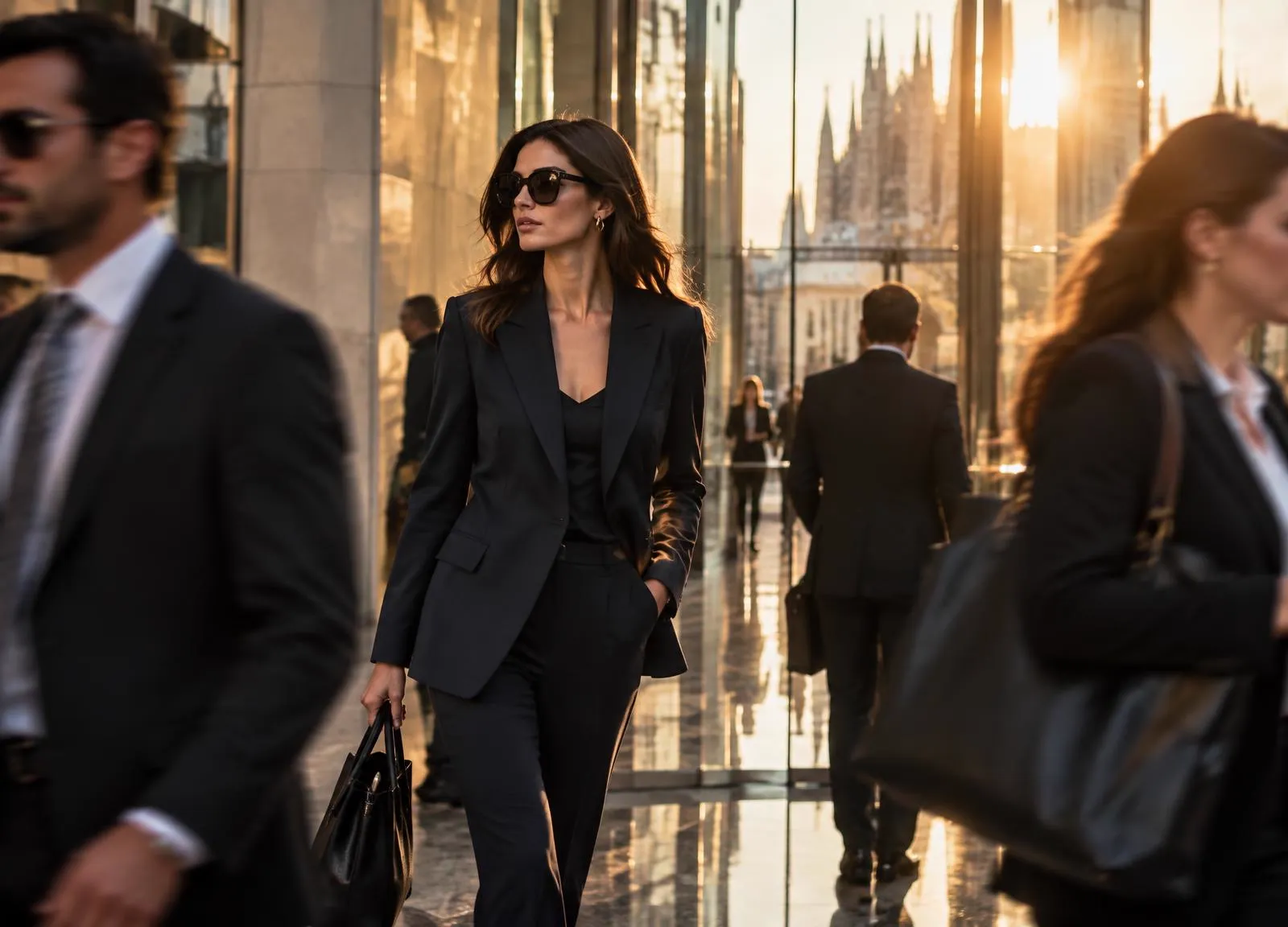
The pavement outside the venues has become part of the event. Photographers, stylists, editors and fans gather, and the looks that emerge often influence everyday dressing more directly than the runway itself. London street style tends to be mixed and personal, combining vintage with new pieces, tailored items with trainers, and bold colour with dark layers.
Weather shapes what people wear. A mackintosh or trench, sturdy boots and layers that cope with drizzle feature constantly. For a closer look at how people dress outside the shows and how to borrow from it, read our London Fashion Week street style guide.
Translating it into real life
- Take one idea, not the whole look. A single statement coat or a bold bag carries the mood.
- Mix price points. High-street pieces work beside vintage and investment items.
- Prioritise fit and comfort. The strongest street looks are worn with ease.
- Build around neutrals, then add one accent colour.
Access and practical information
Plan your approach based on what you want from the week.
If you want to watch from home
Many shows are livestreamed or shared on social media, and the BFC and brands publish imagery and film around the schedule. Following official channels gives you the most reliable updates on timings.
If you want to attend
Show access is mostly by invitation, and it is aimed at industry guests. There are sometimes public events, exhibitions or ticketed experiences connected to the week, but availability changes. Always check the official BFC website or the organiser's own pages, and be cautious about any seller offering tickets to shows, since genuine passes are generally allocated through the industry. The practical routes into the week are the realistic ones, so plan around them.
If you want to visit as a fan
Stay aware of public events, shop windows and city-wide activity that often appear around fashion week. Wear comfortable shoes, carry a small umbrella and accept that outside the venues, the atmosphere is the point.
Season-specific updates: what UK readers should watch
For anyone following the fashion calendar, 2026 offers a useful pattern to use for future seasons.
- Look at how the February season sets out autumn and winter ideas, and the September season outlines spring and summer.
- Compare London with its sister cities. Our guides to the other Fashion Month stops show how the mood changes between cities.
- Watch which emerging names return with strong second collections, since staying power is often a better indicator of talent than a single breakout moment.
- Track how trends travel. A shape that begins in London can show up in the high street within the following seasons.
Related city fashion weeks
London sits between New York and Milan in the calendar, followed by Paris. Each city has its own character: New York leans commercial, Milan focuses on craft and luxury, and Paris combines couture heritage with large-scale spectacle. If you plan to follow the whole cycle, see our London Fashion Week hub for more guides.
Frequently asked questions
When is London Fashion Week held each year?
London Fashion Week takes place twice a year, with a February season for autumn and winter collections and a September season for spring and summer. The exact dates change annually, so check the British Fashion Council for the official schedule.
Can the public attend London Fashion Week?
Most shows are industry events and attendance is by invitation. There are sometimes public events or exhibitions, but these vary by season. Livestreams and social media coverage are the easiest ways for fans to follow along.
What is London Fashion Week known for?
London is known for creativity, individuality, tailoring and a strong emerging-designer scene. The city regularly showcases young labels alongside established names. It also has a distinct street style culture.
How can I follow London Fashion Week from home?
Follow the British Fashion Council and brand accounts for livestreams and schedule updates. Many outlets publish daily coverage, and our guides to street style and the season give extra context.
In short
London Fashion Week 2026 followed the familiar two-season rhythm, and the lessons from it apply to every edition to come: know the calendar, watch for patterns rather than single looks, and use the official sources for dates and access. Keep an eye on the BFC announcements for the next edition and revisit this page as the new schedule is confirmed.