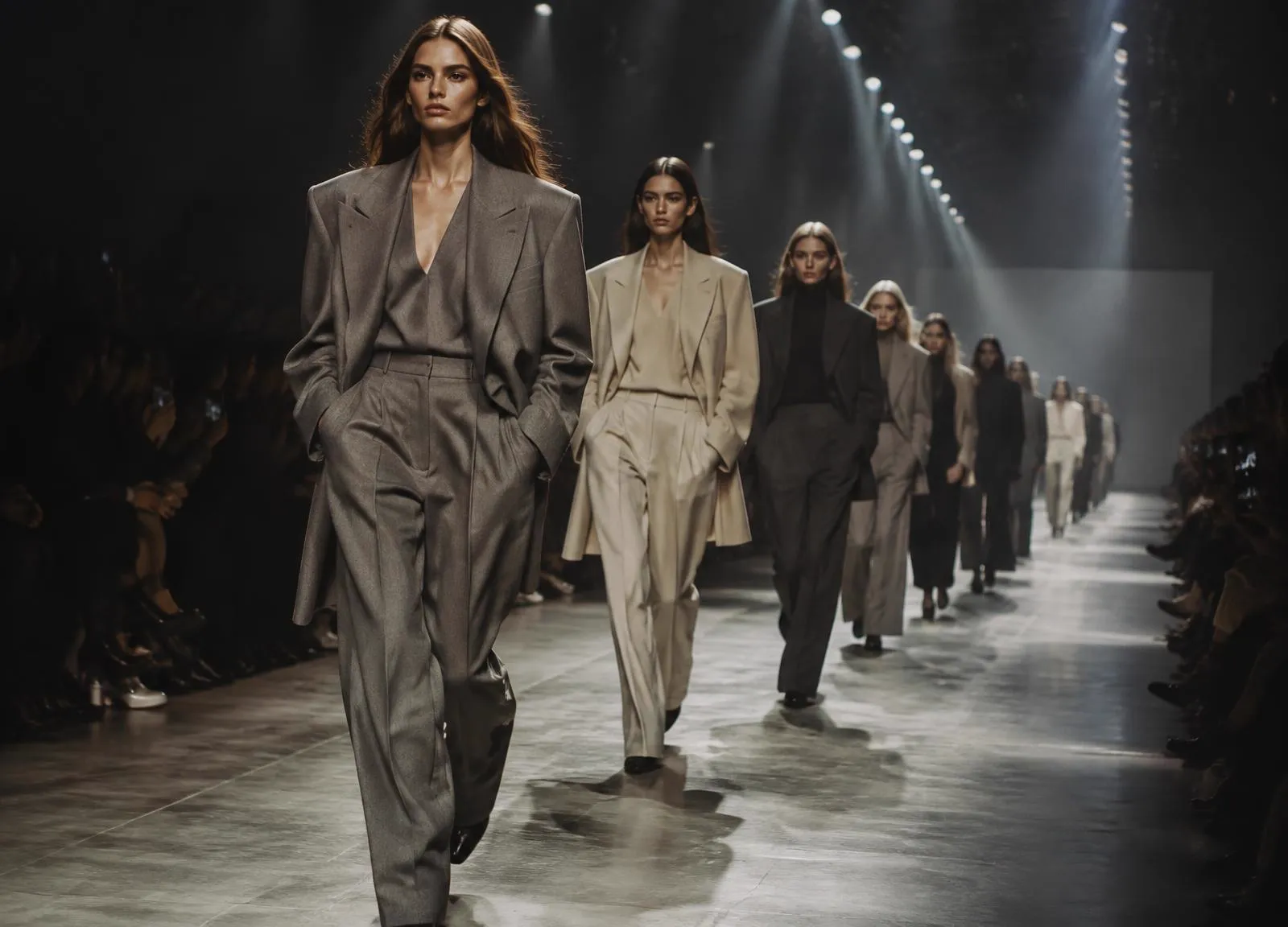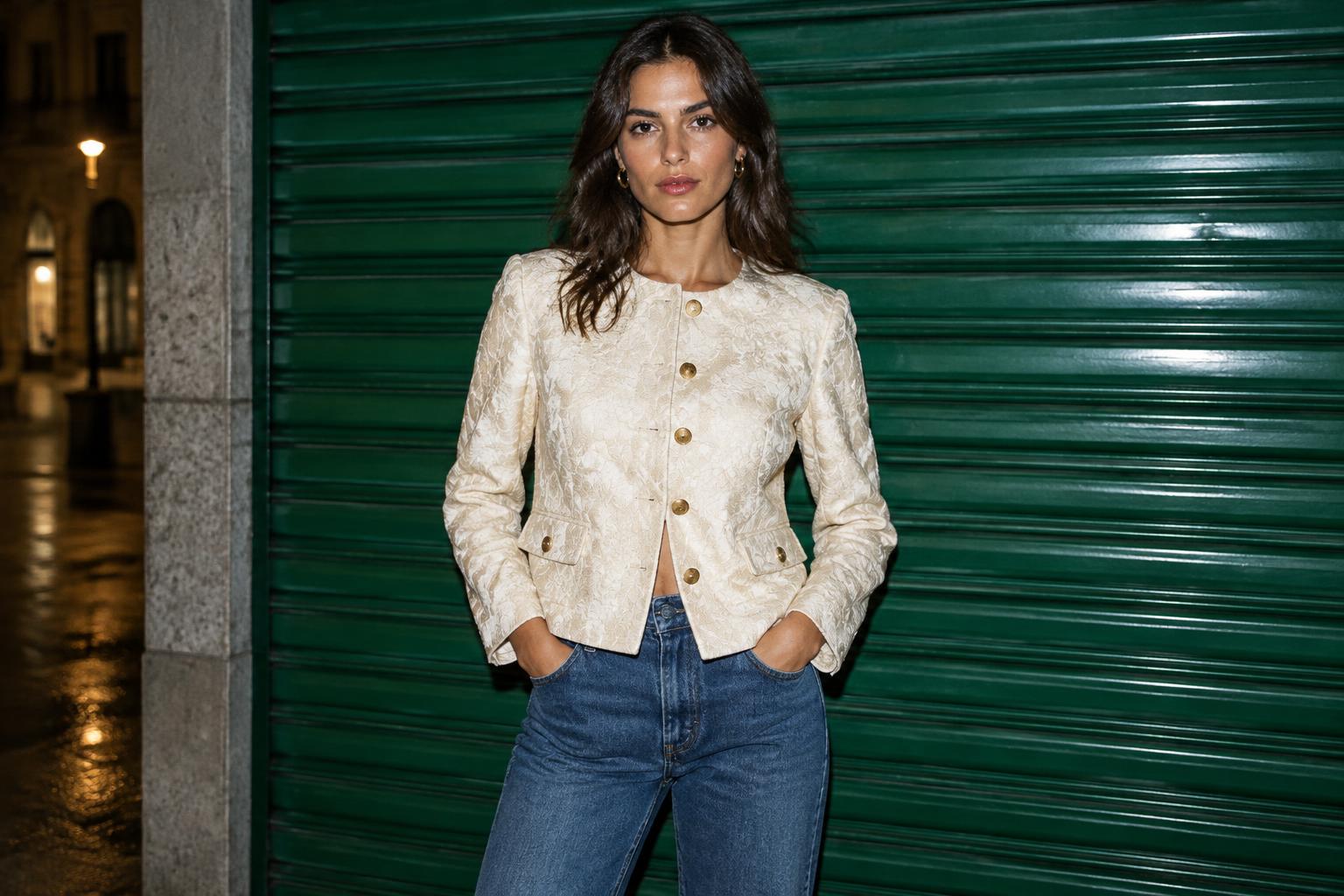
Wedding trends 2026 point in a clear direction: celebrations that feel personal, relaxed and thoughtfully designed rather than rigidly traditional. Couples are spending attention on atmosphere, guest experience and meaning, and less on following a script. The result is weddings that look and feel more like the people hosting them.
This guide rounds up the broad ideas shaping the year, from smaller gatherings and multi-day formats to color, food, music and photography. We describe directions you can adapt, not rules. Use what suits you and skip what does not.
The big shift: personal over perfect
If one idea sums up wedding trends 2026, it is intention. More couples are asking what each element adds to the day and dropping the parts that exist only because "it's what you do." A traditional entrance, a long receiving line or a heavily choreographed program can all give way to something warmer.
That does not mean less effort. It means effort goes where guests will feel it: a meaningful ceremony, good food, comfortable seating, music that fits the crowd. Polished details still matter, but they serve the experience instead of competing with it.
What intentional planning looks like
- A guest list built around people who matter, not obligations.
- A schedule with breathing room between ceremony, dinner and dancing.
- A few strong design decisions instead of dozens of small ones.
- Rituals chosen for meaning, whether cultural, religious or entirely your own.
Format trends: smaller, longer, more flexible
Intimate and micro celebrations
Smaller guest lists remain popular because they let hosts spend more time with each person and put more attention into each detail. A shorter list can also make a special venue or a destination feasible. If you go this route, think about how to include people who cannot attend, such as a livestream or a celebration at home later.
Multi-day and weekend weddings
Rather than squeezing everything into one evening, many couples stretch the celebration across a weekend. A welcome gathering, the wedding itself and a casual farewell brunch give guests time to connect. The trade-off is cost and travel for attendees, so be clear about which events are optional.
Daytime and non-traditional timing
Morning ceremonies, brunch receptions and afternoon celebrations are gaining ground for good reasons: natural light, simpler menus and a more relaxed pace. Weekday and off-peak dates also appeal to couples who want more venue flexibility.
Splitting the ceremony and party
Some couples hold a small ceremony, then a larger party at a different time or place. This lets you keep the vows intimate while still celebrating widely. It also helps if you want different moods for different parts of the day.
Color and style direction
Color is moving toward warmth and depth. Earthy neutrals, soft greens, rich reds and chocolate browns sit beside the familiar whites and creams. Butter yellow, muted blues and deeper berry tones show up as accents. If you want help turning inspiration into a cohesive scheme, our guide to wedding color ideas covers how to build a palette step by step.
Style-wise, the trend is toward looks that feel lived-in and layered instead of staged. Think mixed textures, candlelight, vintage-inspired pieces alongside modern ones, and flowers that look gathered instead of sculpted. For a deeper look at the dress itself, read our guide to wedding dress trends 2026.
Food, drink and hospitality
Food has become a centerpiece of the celebration. Couples are moving beyond the standard plated dinner to formats that match their personality.
- Family-style and shared plates: these encourage conversation and feel generous.
- Stations and food from beloved local restaurants or cuisines: a chance to reflect heritage or place.
- Late-night snacks: a small, comforting surprise for guests who are still dancing.
- Thoughtful drink menus: a signature cocktail or two, a good non-alcoholic option and wine or beer that suit the crowd, rather than an exhaustive bar.
Hospitality extends to the details guests actually notice: clear signage, comfortable seating, shade or heat when needed, and enough food at the right moments. These small kindnesses often matter more than decor.
Ceremony and reception ideas
Personalized ceremonies
Written vows, readings chosen by friends and family members, and a short ceremony that tells your story are all popular. Some couples have a friend officiate, while others ask the guests to take part through a blessing or a shared ritual. Whatever you choose, keep the length reasonable and let it sound like you.
A reimagined reception flow
Instead of a rigid timeline, many receptions now flow in loose phases: arrival drinks, dinner, toasts, dancing and a final send-off. Shorter speeches, and fewer of them, help keep energy up. Some couples skip formal traditions such as the garter toss or bouquet toss if they do not feel right.
Music with character
Live musicians, a thoughtfully curated playlist or a mix of both can set the tone. The trend is to tailor the soundtrack to the people in the room instead of defaulting to a standard set list. Give your DJ or band a short list of must-play songs and a shorter list of do-not-play ones, then trust them.
Photography and memory-keeping
Candid, documentary-style photography continues to be popular. Couples want images that capture emotion and movement, not only posed portraits. A short list of must-have family shots is still wise, but the rest can be unscripted.
Video and audio keepsakes are growing in appeal too: a short film of the day, recordings of toasts or a guest audio book of messages. If you are inviting guests to share their own photos, a simple shared album with clear instructions makes collecting them easy.
Sustainability and mindful choices
More couples are thinking about waste and where things come from. Practical ways to act on that include:
- choosing seasonal, locally available flowers;
- repurposing ceremony flowers for the reception;
- renting or borrowing decor and attire;
- digital invitations or minimal printing;
- donating leftover food where local rules and venue policies allow.
None of this requires perfection. A few considered swaps can make a real difference without taking the joy out of planning.
Gift and registry thinking
Registries are changing alongside weddings. Many couples now ask for a mix of household items, experiences and contributions toward larger goals, and are more open about what they actually need. If you are building a list, our guide to wedding registry ideas walks through how to balance practical and personal choices.
What to wear as a guest
The trend toward personalized weddings also shapes dress codes. Hosts are writing clearer, more specific invitations, from "garden party" to "black tie optional," and guests are dressing with the setting in mind. If you are invited to one this year, our guide on what to wear to a wedding helps you read the dress code and choose with confidence.
How to use these trends without losing yourself
Trends are a menu, not a checklist. Before you adopt one, ask three questions:
- Does it suit our venue, season and guest list?
- Does it reflect something we actually care about?
- Will we still be happy with it in photos and memories ten years from now?
If the answer to any of these is no, skip it. Keep in mind that your budget and time are finite. Choosing two or three ideas you love and doing them well beats trying to include everything. When you are ready to put these ideas into a timeline, the wedding planning checklist shows what to book and decide, and in what order.
Frequently asked questions
What are the biggest wedding trends in 2026?
The main directions are personalized, intentional celebrations; smaller or multi-day formats; warmer, deeper color palettes; food-forward hospitality; and candid photography. The common thread is that couples are designing weddings around their own priorities instead of tradition for its own sake.
Are small weddings still popular?
Yes. Smaller guest lists let couples focus on atmosphere, food and time with each guest. Many also pair an intimate ceremony with a larger, more casual party later, so they can celebrate widely without losing the personal feel.
Should I follow wedding trends or stay classic?
You can do both. Classic choices tend to age well, while a few current touches, such as a fresh color accent or an interesting menu format, keep the day feeling modern. Choose trends you genuinely like and that suit your venue and season.
How far ahead should I plan to include these ideas?
Venue, photographer and caterer decisions usually come first, because the best options can book up early. Design details such as stationery, color and decor can follow once the big bookings are in place. Check the timeline in a planning checklist and give yourself buffer time.
Final thoughts
The wedding trends of 2026 reward couples who know what they want. Shape the day around people, place and meaning, add a few current touches, and let everything else fall away. For more inspiration, planning help and style guidance, explore the full Wedding section.