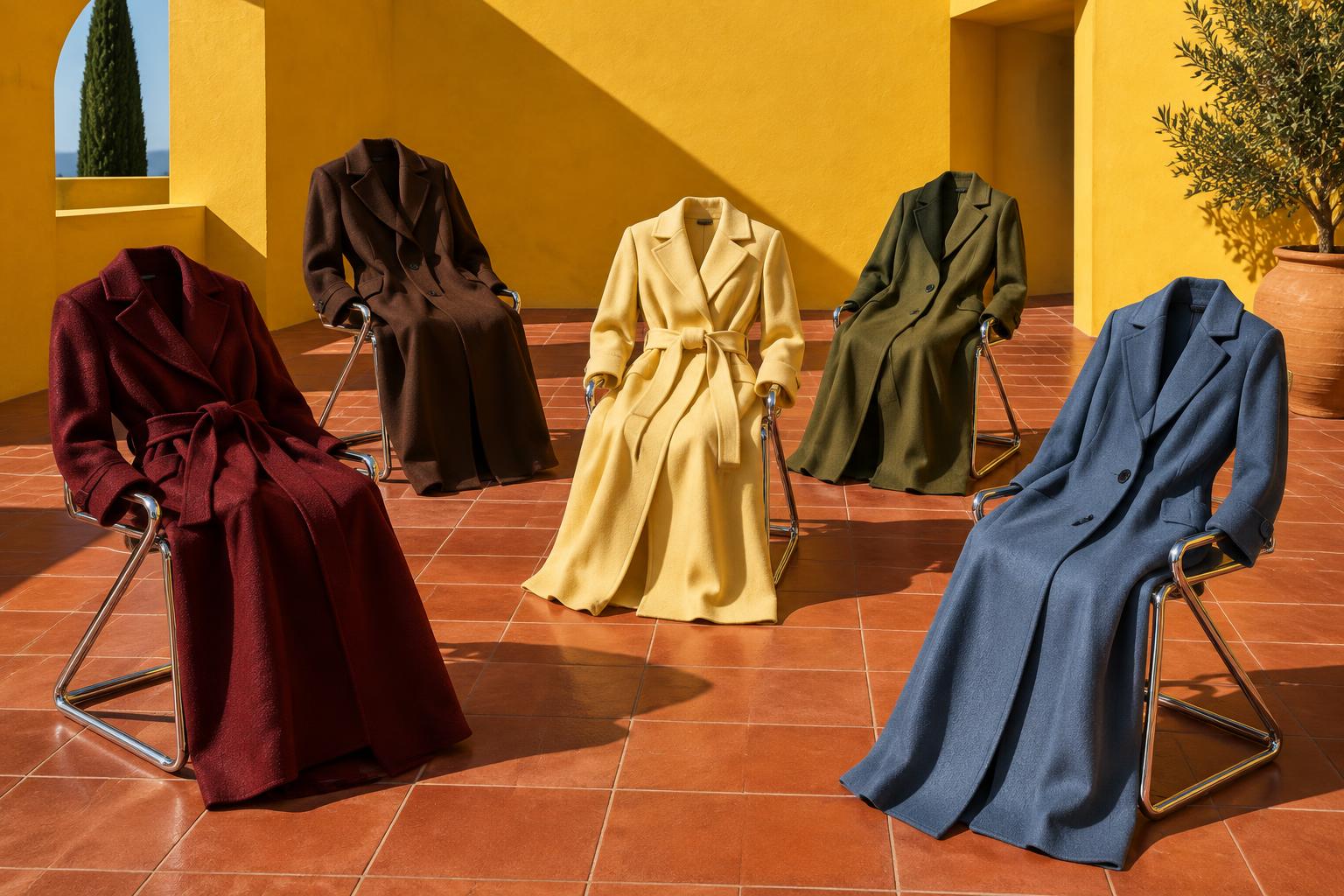
In a cold climate, a winter coat is equipment first and fashion second. If it fails on warmth, wind protection or fit over layers, no amount of style will make up for standing at a bus stop in January. The good news is that the best winter coats for women now do both jobs: they keep you properly warm and still look good over a work outfit.
This guide explains how to choose. It covers insulation types, shells and weather protection, the features that matter in real cold, how to size for layers, and how to style a heavy coat so it doesn't swamp you. It is a buyer's guide, so it focuses on criteria rather than specific products.
For the wider coat category, including lighter and tailored styles, see our guide to the best coats for women. This guide stays with cold-weather performance.
How we choose the best winter coats
We judge winter coats against what cold weather actually demands.
- Warmth. The insulation and construction should suit the coldest conditions you regularly face.
- Weather protection. Wind and wet change how cold you feel. The outer fabric matters as much as the fill.
- Coverage. Length, collar, hood and cuffs all affect how much heat you keep.
- Fit and mobility. You need room for sweaters without bulk that restricts movement.
- Weight and comfort. A warm coat you can't stand wearing will stay in the closet.
- Durability. Zippers, seams and fabrics should survive daily use.
Winter coat types and who they suit
The down puffer
Insulated with down, these coats provide a high level of warmth for their weight and compress well for travel. They suit very cold, dry conditions and long outdoor time. Check the outer fabric for wind and water resistance, since down loses insulating power when soaked.
The synthetic-insulated puffer
Filled with synthetic fibers that keep insulating when damp and are usually easier to care for. A smart choice for wet, cold climates, or for people who prefer a non-animal option.
The long parka
A hip-to-knee-length coat with a hood, often with a fur or faux-fur trim, designed for severe cold. The extra length covers more of the body. Look for an adjustable hood, a storm flap over the zipper and snug cuffs.
The wool winter coat
A thick, tightly woven wool or wool-blend coat is warm and polished, ideal for commuting in cold weather and for dressier occasions. Look for a dense fabric, a full lining and ideally an interlining for added insulation. It is less water-resistant than technical shells, so it suits dry cold better than slush.
The shearling and faux-shearling coat
Warm, thick and cozy, with a soft interior. Real shearling is very warm but heavy and needs care. Faux-shearling varies in warmth, so check the thickness of the pile and the lining.
The hybrid or mixed-media coat
Combines a wool or fabric body with insulated panels, or a puffer lining under a tailored shell. It's useful if you want the look of wool with extra warmth.
The ski and technical jacket
Built for snow sports, with waterproof shells, sealed seams and snow skirts. Excellent protection, but more specialized than most commuting needs.
What to consider before you buy
Insulation
| Insulation | What it offers | Consider |
|---|---|---|
| Down | Exceptional warmth for its weight | Less effective when wet; check water-resistant treatments |
| Synthetic fill | Insulates when damp and is easy to care for | Often a bit bulkier for the same warmth |
| Wool and wool blends | Natural warmth and a polished look | Heavier; less weatherproof than technical shells |
| Shearling and faux-shearling | Soft, warm lining | Weight and care vary |
| Fleece lining | Light and cozy | Good as a layer, less wind-resistant on its own |
Shell fabric and weather protection
Look at the outer fabric and how it handles wind and moisture.
- Wind-resistant: Tightly woven fabrics stop cold air from cutting through the insulation.
- Water-resistant: Suitable for light rain and wet snow. Many finishes wear off over time and can be reapplied.
- Waterproof: Needs sealed seams and a membrane. Useful in heavy rain or snow, but check breathability.
Length and coverage
Longer coats keep your thighs warm and protect you better in wind. Hip-length styles are easier to move in and good for driving or active days. If you walk or wait outside a lot, a mid-thigh to knee-length coat strikes a practical balance.
Hoods, collars and cuffs
A funnel neck or high collar protects the neck and chin. A hood adds a lot of warmth in wind or snow; consider whether you want it detachable. Inner storm cuffs, or snug elastic cuffs, trap heat at the wrists.
Zippers, pockets and closures
A two-way zipper makes sitting and bending easier. A storm flap over the zip blocks wind. Fleece-lined hand pockets are a bonus in the cold, and interior pockets keep your phone warm. Check that zippers run smoothly and feel robust.
Fit and layering
Try the coat on over the thickest sweater you plan to wear. You should be able to cross your arms and reach forward without pulling. A coat that is too tight compresses insulation, which reduces warmth, while one that is too loose lets cold air in. Look for a fit that leaves a small amount of space around the torso.
Budget tiers
- Entry-level: Fine for moderate cold or occasional wear. Check the insulation, zipper quality and seams.
- Mid-range: Often the best value for daily winter wear in cold regions, with better insulation and weather protection.
- Investment: Worth considering if you live in severe cold. Look for premium insulation, durable shells and excellent construction.
How to style a winter coat
Bulk is the main styling challenge, so balance the proportions.
- Long puffer, slim bottom. Pair a long coat with slim or straight-leg pants and boots.
- Cropped puffer, high waist. Wear a short coat with high-rise jeans and a longer sweater peeking from underneath.
- Wool coat, fine layers. Use thin, warm base layers such as merino so the coat doesn't need to be oversized.
- Parka with a belt. A belt defines the waist and reduces bulk.
- Color and texture. A bright puffer can lift a gray day, while a neutral shell goes with everything.
- Accessories. A scarf, hat and gloves complete the outfit and add warmth.
Winter care for skin and style
Cold weather is hard on skin, and bright snow reflects sunlight. Sunglasses can help on glare-heavy days; our guide to the best sunglasses for women can help you choose a good pair. For scent, apply fragrance to your skin rather than your coat; the best perfume for women guide is a good place to start.
Caring for a winter coat
- Follow the label. Down and synthetic puffers often have specific washing instructions.
- Wash puffers carefully. Many can be washed on a gentle cycle with a suitable detergent and dried thoroughly with a low heat setting, but check the label first.
- Brush wool coats. Remove lint and dust to keep them looking fresh.
- Dry away from heat. Don't dry a wet coat directly on a radiator.
- Hang to dry fully. Make sure your coat is dry before storing it.
- Reapply water-repellent treatments. Water-resistant finishes wear off and can be refreshed.
- Store clean. Use a breathable bag and avoid compressing down for long periods.
Frequently asked questions
What is the warmest type of winter coat?
Down and well-insulated parkas offer the most warmth for their weight, especially long styles with a hood and a wind-resistant shell. Warmth also depends on fit, layers and conditions, so choose a coat suited to your climate.
Is down or synthetic insulation better?
Down offers great warmth for its weight and packs small, but it loses insulation when wet. Synthetic insulation keeps working when damp and is generally easier to care for. Your climate and preferences decide which is better.
How should a winter coat fit?
It should fit comfortably over your thickest sweater, with room to move your arms and cross them in front of you. It shouldn't be so loose that cold air gets in or so tight that it compresses the insulation.
Can a wool coat be warm enough for winter?
In many climates, yes. Choose a dense, thick wool coat with a full lining and wear warm layers underneath. In very cold, wet or windy places, a puffer or parka usually performs better.
In short
The best winter coats for women combine reliable insulation, wind and wet protection, enough length and a fit that allows for layers. Choose for your real climate and daily routine, then check the details. To explore more, browse our Winter Jackets section.