A coat is the first thing people see and the last thing you take off. It decides how every outfit looks from October to March, and it is usually the largest single purchase in a seasonal wardrobe. That makes it worth choosing carefully: the right silhouette, fabric and length will serve you for years, while the wrong one hangs unworn.
This guide to the best coats for women explains how to choose. It covers the main coat types and who they suit, the fabrics and construction details that matter, how to check fit with layers, and how to style a coat so it works across your wardrobe. It is a buyer's guide, so it focuses on criteria rather than specific products.
If you are shopping specifically for deep-winter warmth, look closely at insulation and cold-weather features. Here, we look at the full range of coats.
How we choose the best coats
We judge women's coats on these points:
- Fit with layers. A coat has to fit over a sweater without pulling across the back or restricting your arms.
- Fabric quality and warmth. The material determines warmth, weight, wrinkle resistance and how the coat ages.
- Length and proportion. The hemline shapes how the coat works with pants, skirts and dresses.
- Construction. Lining, seams, buttons, collar and pockets show how well a coat is made.
- Versatility. The best coats work with most of what you own.
- Care and longevity. A coat you wear for several seasons should be possible to maintain.
Coat types and who they suit
The wool overcoat
The classic tailored coat, usually single-breasted and knee-length, in wool or a wool blend. It looks polished over pants, skirts and dresses, and works for the office, evenings and weekends. It's a good first investment coat.
The camel or wrap coat
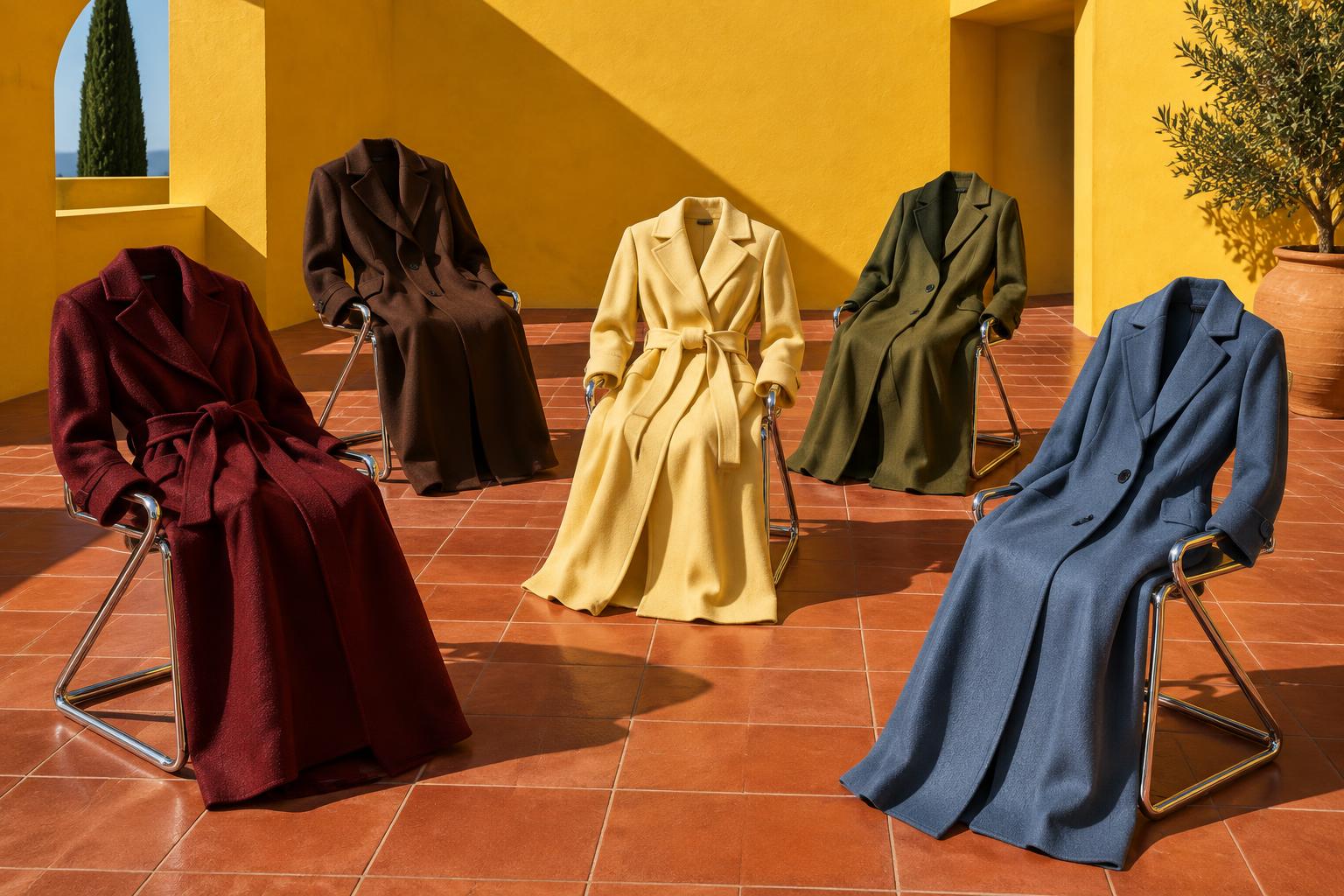
A belted or wrap-front coat with a soft, fluid shape. It's easy to wear and flattering across a range of figures because the belt defines the waist. Look for a substantial wool or wool-blend fabric that drapes without clinging.
The trench coat
A lighter, water-resistant coat with a belt and a storm flap, suited to spring and fall or mild winters. It works over tailoring, dresses and jeans. Choose a cotton gabardine or a similar densely woven fabric if rain protection is a priority.
The peacoat
A shorter, double-breasted wool coat with a structured collar. It's well suited to petite frames and to wearing with jeans and pants. It is less practical over longer dresses.
The puffer coat
Quilted and insulated, a puffer offers the most warmth for its weight and is made for cold weather. Styles vary from cropped to long. Check the insulation type, the baffle construction and whether the outer fabric resists wind and water.
The teddy and faux-shearling coat
Soft, textured and cozy. It's a casual option that adds texture to simple outfits. Quality varies widely, so check that the pile is dense and the lining is sound.
The long duster or maxi coat
A dramatic, floor-skimming style that creates a long, lean line. It works best on taller frames, but can suit petite wearers if the fabric is light and the silhouette is slim.
The cocoon and oversized coat
A rounded, roomy silhouette with a dropped shoulder. It's stylish and comfortable, and works well over bulky knitwear. Balance the volume with slimmer pants or a fitted underlayer.
The leather and suede coat
A statement option that looks sleek and ages well with care. Quality leather is durable but needs more maintenance and isn't ideal for heavy rain.
The parka and utility coat
A practical, hooded coat with pockets, built for function. It's a good fit for commuting and outdoor weekends.
What to consider before you buy
Fabric and fill
| Fabric or fill | What it offers | Consider |
|---|---|---|
| Wool and wool blends | Warmth, structure and a polished look | A classic; higher wool content generally means more warmth and quality |
| Cashmere and cashmere blends | Luxurious softness and light warmth | Delicate and needs careful maintenance |
| Down fill | Excellent warmth for its weight | Check the construction and whether it suits wet conditions |
| Synthetic insulation | Warm when damp and easier to care for | Less compressible than down in some cases |
| Cotton gabardine | Dense, water-resistant weave | Best for mild, wet weather |
| Faux fur and shearling | Soft and warm | Quality varies; check the lining and stitching |
| Leather and suede | Durable and stylish | Needs specialized care |
Fit and layering
Try a coat on over the thickest thing you plan to wear underneath. You should be able to cross your arms, reach forward and raise your arms without the back pulling or the sleeves shooting up. The shoulder seam should sit near your natural shoulder, unless the coat is deliberately oversized.
Sleeve length is easy to overlook. Sleeves should cover your wrist when your arms are down and when you reach, so you aren't left with a gap at the cuff. A tailor can usually shorten sleeves.
Length
- Hip-length or cropped: Good with high-waisted pants and jeans, practical for driving and commuting.
- Mid-thigh: Versatile for pants and skirts.
- Knee-length: The classic tailored length. It works with most outfits.
- Midi or ankle-length: Elegant and warm, but check how it works with your height and shoes.
As a rule of thumb, a coat that ends above or below your dress or skirt hem looks deliberate. A coat that ends a few inches off can look awkward.
Construction details
Look at the lining, which should be smooth and secure. Check the buttons, which should be firmly sewn, and the pockets, which should be deep enough for your hands and phone. A collar that stands up or folds flat should hold its shape. A coat with a storm flap, wind-resistant cuffs or a hood adds function if you need it.
Budget tiers
- Entry-level: Fine for occasional wear or trend-led styles. Check the fabric content and the lining.
- Mid-range: Typically the best value, with better fabrics, more reliable construction and a good fit.
- Investment: Worth it for a classic wool or cashmere coat in a neutral shade you'll wear for years. A tailor can adjust the fit.
How to style a coat
- The classic. A camel or navy wool coat over a fine-knit sweater, straight pants and leather boots.
- The weekend look. A relaxed coat over a sweatshirt, jeans and sneakers.
- The all-black. A black coat with black knitwear and pants, broken up by a textured scarf.
- The dress and coat. A midi dress, tall boots and a knee-length coat that falls just below the hem.
- The monochrome. A coat in the same color family as your outfit for a streamlined line.
- The statement. A bold color or print over a neutral outfit, kept simple elsewhere.
Remember that a coat is part of your whole outfit. A well-chosen scarf, gloves and bag finish the look. Sunglasses are useful on bright winter days too; see our guide to the best sunglasses for women for how to choose them. Underneath, a smooth, comfortable base layer matters, and our guide to the best bras for women can help you find the right support.
A last small touch: wool coats hold scent, so apply fragrance to your skin, not the coat. For ideas, see the best perfume for women.
Colors that work
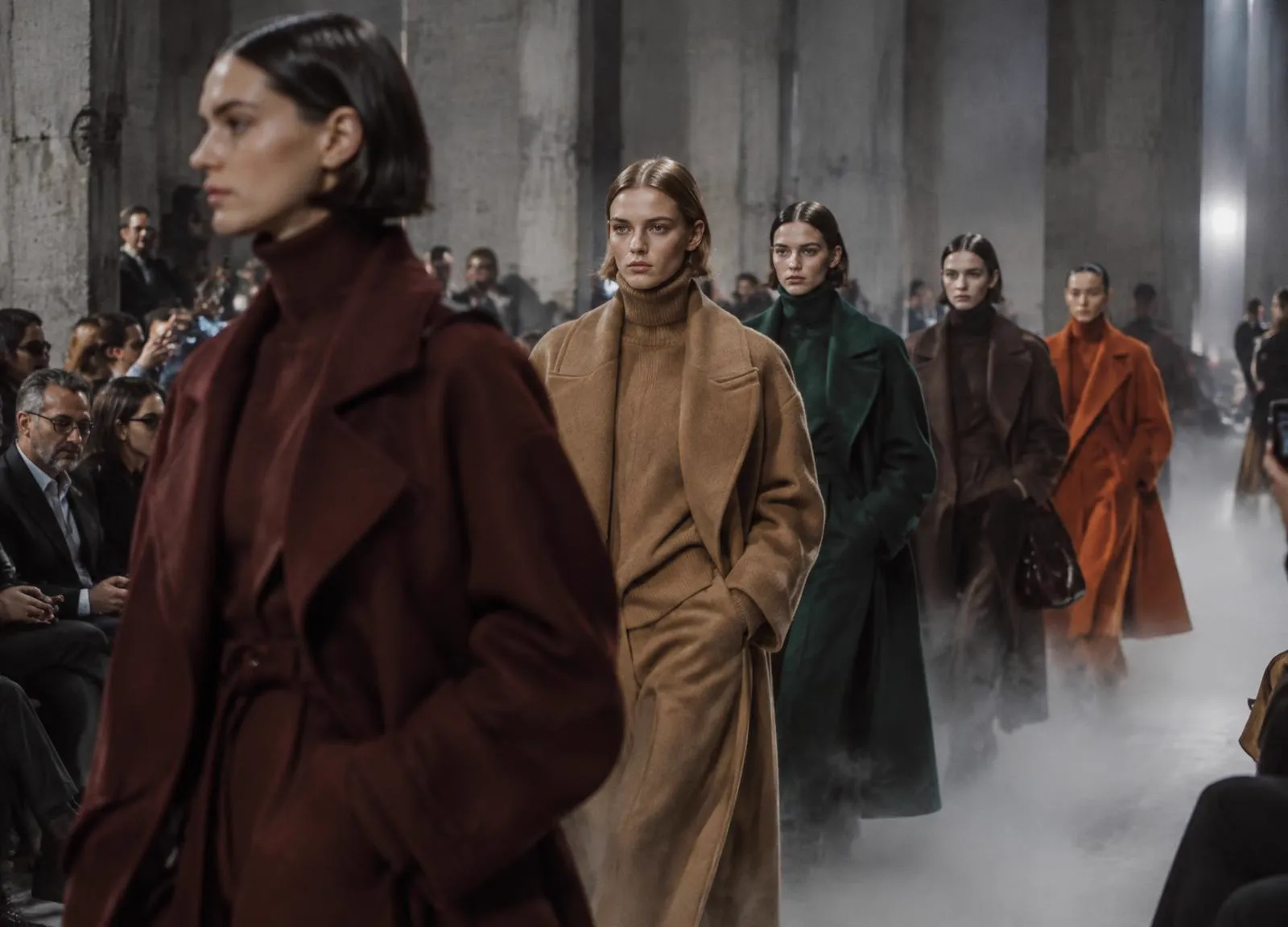
Camel, black, navy, charcoal, gray, cream and olive are the safest and most versatile shades. A camel or navy wool coat works with nearly everything. Bolder colors such as red, forest green or cobalt can be a good second coat once you own a neutral. Light shades show marks more but brighten winter outfits. Patterns such as checks and herringbone add interest but are harder to mix.
Caring for coats
- Brush wool regularly. A soft clothes brush removes dust and lint.
- Hang on a wide hanger. This supports the shoulders and prevents stretching.
- Air it out. Let a coat rest between wears.
- Spot-clean and dry-clean sparingly. Frequent dry-cleaning can wear fabrics down.
- Follow the label for puffers. Many can be washed carefully, but check first.
- Store properly. Clean it before storing, and use a breathable garment bag, not plastic.
- Protect against moths. Cedar and clean storage help.
Frequently asked questions
What is the best coat for women to buy first?
A knee-length wool or wool-blend coat in a neutral shade, such as camel, navy or charcoal. It suits pants, skirts and dresses, works at the office and on weekends, and stays in style for years.
How should a coat fit?
It should fit comfortably over your thickest layer, without pulling across the back or shoulders. The shoulder seams should sit near your natural shoulders, and the sleeves should cover your wrists when you move.
What length of coat is most flattering?
It depends on your proportions and what you wear underneath. Knee-length is the most versatile, while a hip-length coat works well with high-waisted pieces. Choose a length that finishes clearly above or below your skirt or dress hem.
Is a wool coat worth the investment?
For many people, yes. A well-made wool coat can be worn for many seasons, keeps its shape and is usually easy to tailor. Check the fabric content, lining and construction to ensure the quality justifies the cost.
In short
The best coats for women combine a flattering shape, good fabric and enough room for your layers. Start with a neutral wool coat, test it with your thickest sweater and look after it. To keep exploring, browse our Coats section.