The best walking trainers for women are the ones you stop noticing after the first mile. They support your stride, cushion hard pavements, grip when it rains and hold their shape through months of daily use. Few pieces of footwear are asked to do more, and few are bought so casually.
This guide is a buyer's briefing for UK shoppers. It explains how walking shoes differ from running and fashion trainers, what to check on fit, cushioning, grip and uppers, and how to choose for commuting, travel, hiking-lite routes and long days on your feet. It names no models and quotes no prices, so the advice holds whatever is in stock.
Quick picks: the best walking trainers by need
| If you want... | Choose... | Why it works |
|---|---|---|
| Everyday city walking | Cushioned trainer with a flexible, grippy outsole | Copes with pavements, stairs and commuting |
| Long days of sightseeing | Lightweight trainer with a roomy toe box | Comfortable when feet swell |
| Wet or muddy paths | Trainer with a water-resistant upper and deeper tread | Keeps you dry and steady |
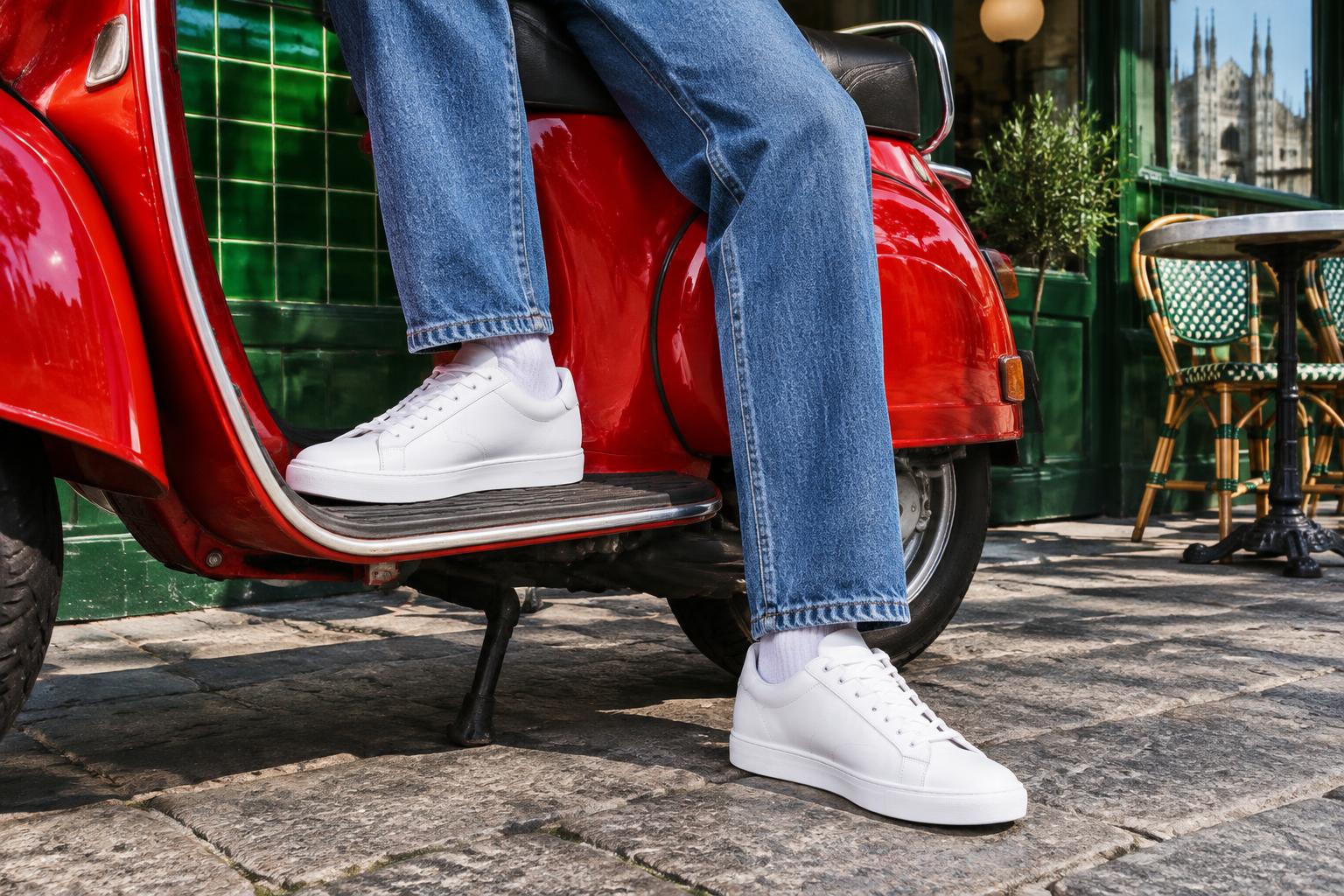
| Walking with a smart look | Minimal leather walking trainer | Works with trousers, dresses and casual offices |
| Warm weather | Breathable mesh or knit trainer | Keeps feet cool |
| Easy-going countryside routes | Light trail-style trainer | More grip without the weight of a boot |
| Extra stability | Trainer with a firm heel counter and supportive midsole | Steadier on uneven ground |
How walking trainers differ from other trainers
Walking is a rolling motion: the heel lands, the foot rolls forward, and you push off the toes. A good walking trainer supports that sequence. It tends to have a stable heel, a flexible forefoot and a shape that suits an even stride. Running shoes are built for faster, harder impact and forward lean, while fashion trainers may prioritise looks over support. If you want a broader view, our guide to the best trainers for women covers everyday styles, and the best running trainers for women covers shoes for exercise.
What to look for in walking trainers
Fit and toe room
Your feet spread and swell during a long walk, so fit matters more than anything else. Leave roughly a thumb's width in front of your longest toe, ensure the heel feels held rather than loose, and check the toe box allows your toes to move. Try shoes on in the afternoon with the socks you walk in. If you have persistent foot pain or specific foot conditions, a podiatrist can advise on support.
Cushioning and midsole
The midsole absorbs shock from hard surfaces. For walking, look for cushioning that feels supportive rather than overly soft. A very squashy midsole may feel pleasant at first but offer less stability over distance. Press the midsole with your thumb: it should give a little and spring back.
Outsole and grip
A rubber outsole with a clear tread pattern is crucial in the UK's wet conditions. Deeper lugs help on grass and muddy paths, while a smoother pattern is fine for pavements and shopping centres. Check the sole flexes at the ball of the foot but not in the middle.
Upper materials
Breathable mesh and knit uppers keep feet cool in summer. Leather and treated synthetic uppers resist water and look neater. Waterproof membranes keep rain out but can feel warmer, so choose according to your usual weather. Padding around the ankle and tongue prevents rubbing.
Weight
A lighter shoe reduces fatigue over distance. Pick up each shoe and compare. Very heavy soles can tire your legs, but a shoe that is too light and thin may lack support.
Heel counter and stability
The heel counter is the firm cup around the back of the shoe. A secure one stops your heel from sliding and helps keep your foot aligned. Squeeze the back of the shoe: it should resist firmly.
Insoles and arch support
A removable insole allows you to swap in a more supportive option if needed. Gentle, shaped arch support feels better on long walks than a flat footbed.
Best options by walking style
Commuter and city walking
Look for a trainer with a flexible sole, a cushioned heel and a neat appearance. Leather or treated synthetic uppers cope with rain and wipe clean. A minimal profile suits trousers and work outfits.
Best for: daily commutes and urban errands. Consider: consider a second pair to alternate, which allows each pair to dry and recover. Our guide to the best jeans for women helps with outfits to wear them with.
Travel and sightseeing
Lightweight, breathable and easy to clean. Slightly roomier fits accommodate swelling feet during hot days, and a good grip helps on cobbles and steps.
Best for: city breaks and holidays. Consider: choose a colour that hides dirt, and test the shoes on several long walks before you travel.
Countryside and light trails
A trail-style trainer offers deeper tread, a more protective toe cap and a sturdier upper. It does not provide the ankle support of a boot, but it suits well-maintained paths and parks.
Best for: woodland walks, country lanes and easy hikes. Consider: for rugged or mountainous routes, walking boots are a better choice.
Fitness walking
If you walk briskly for exercise, choose a shoe with good cushioning, a breathable upper and a secure fit. Some people prefer running shoes for this purpose, since they offer more shock absorption.
Best for: regular exercise walks. Consider: replace shoes as they wear, because worn cushioning reduces comfort and support.
Casual and fashion walking trainers
Minimal and retro trainers can be comfortable if they have proper cushioning and fit. Look for a supportive midsole and a flexible forefoot rather than a flat, thin sole.
Best for: relaxed days and short walks. Consider: very flat canvas shoes often lack support for long distances.
Sizing and fit checks
- Try them in the afternoon. Feet swell as the day goes on.
- Wear your usual socks. Thin and thick socks change the fit.
- Check both feet. Many people have one foot slightly larger than the other, and you should fit the larger one.
- Walk around. Test stairs and inclines if you can.
- Check the heel. Lifting suggests the shoe is too big or the wrong shape.
- Allow a break-in period. Most trainers need a short period of wear. If a pair rubs severely, return it.
Colour and styling
Neutral colours such as white, grey, black and navy are the most flexible, while earthy tones such as stone, olive and tan suit countryside and travel. White trainers look fresh but need regular cleaning. A darker sole hides dirt better than a white sole.
For style, a clean, simple walking trainer works with tailored trousers, jeans, culottes and midi skirts. A fresh finishing touch such as a fragrance also helps on a long day out, and our guide to the best perfume for women offers a starting point.
Budget tiers: what changes as you spend more
- Entry-level: suited to occasional walking and casual wear. Check that the sole is flexible and the cushioning is adequate.
- Mid-range: often brings better cushioning, more reliable support and longer life. A good tier for daily use.
- Investment: premium materials, advanced cushioning and durable construction. Worth considering if you walk long distances regularly.
Care and longevity
Clean trainers according to the material, using a soft brush or damp cloth. Remove insoles and laces to air them. Dry shoes naturally, away from radiators. Treat suede and fabric uppers with a protector. Rotate pairs where possible.
Replace walking shoes when the cushioning feels flat, the outsole is worn or you notice new aches after walking. Most people can tell when the support has gone.
Common mistakes to avoid
- Choosing a pair for looks without testing a long walk.
- Buying a size that is too tight for swollen feet.
- Using flat canvas shoes for long distances.
- Wearing worn-out shoes because they still look fine.
- Ignoring weather and grip.
- Skipping a break-in period.
Frequently asked questions
What makes a good walking trainer?
A secure fit, a supportive but flexible midsole, a grippy outsole and a breathable or weather-suitable upper. Comfort over distance matters most, so test the shoes over a proper walk if you can.
Can I use running shoes for walking?
Yes, many people do. Running shoes offer good cushioning and are often lightweight. The main difference is that walking shoes tend to be flatter and more stable, so choose based on what feels comfortable.
How much room should walking trainers have?
About a thumb's width in front of the longest toe, with a snug heel and a toe box that lets your toes spread. Feet swell on long walks, so avoid a tight fit.
Are waterproof walking trainers worth it?
If you walk often in wet weather, they can be. They keep rain out but can feel warmer and less breathable, so consider how and when you walk.
How long do walking trainers last?
It varies with use, weight and surface. Replace them when the cushioning has flattened, the tread is worn or you feel new aches. Rotating pairs can extend their life.
In short
The best walking trainers for women are comfortable from the first step, supportive over distance and suited to your usual weather. Prioritise fit and cushioning over looks, then choose a style that suits your wardrobe. For more footwear ideas, browse our full guide to women's trainers.