The best blazers for women are the ones that fit across the shoulders, hang cleanly and make everything underneath look more considered. A good blazer works harder than almost any other piece: it turns jeans into an outfit, a dress into office wear and a plain T-shirt into something with intent.
This guide is a buyer's briefing for UK shoppers. It covers the blazer shapes worth knowing, how to judge fabric, lining and construction, how to check fit properly, and how to choose by workplace, season and budget. It names no products and quotes no prices, so the criteria stay useful whatever is in the shops.
Quick picks: the best blazers by need
| If you want... | Choose... | Why it works |
|---|---|---|
| One blazer for everything | Single-breasted, hip-length blazer in black, navy or grey | Neutral, balanced and suits most outfits |
| A modern, relaxed look | Oversized or boyfriend blazer in wool-blend or crepe | Easy to wear with jeans, trainers and dresses |
| A sharp office option | Fitted blazer with matching trousers or skirt | Polished and professional |
| A statement piece | Double-breasted blazer or one in a strong colour | Adds structure and personality |
| A summer option | Unlined linen or linen-blend blazer | Light, breathable and relaxed |
| A comfortable everyday option | Stretch crepe or jersey blazer | Soft, wrinkle-resistant and easy to move in |
| An evening look | Satin, velvet or tuxedo-style blazer | Dressy and distinctive |
What to look for in a blazer
Fabric and fibre
Wool and wool blends are the standard for year-round blazers because they drape well, resist creasing and breathe comfortably. Crepe, typically a polyester or viscose blend, is soft, fluid and travels well. Linen and linen blends are cool and summery but crease easily, which is part of their charm. Cotton twill is durable and casual, and velvet or satin suits the evening.
Check the label for fibre content. A blazer with a strong natural-fibre content usually looks better over time, while thin, shiny synthetic fabric can lose shape and attract static.
Lining and interior
A good blazer has a smooth lining that lets the jacket slide over a shirt or knit. Look inside at the stitching and finishing: clean seams, a neat inner pocket and a secure hanging loop all point to careful construction. Unlined or half-lined blazers are lighter and better for warm weather, though they show their interior more.
Construction and shape
Structured shoulders hold the shape of the blazer, and a firm collar and lapel prevent sagging. Look for a collar that lies flat against the neck, lapels that do not curl, and a hem that falls evenly. Padded shoulders give a traditional, tailored look, while soft shoulders create a more relaxed line.
Buttons, pockets and details
Check that buttons are sewn securely, buttonholes are neat and pockets are functional rather than sewn shut. Flap pockets add structure, and welt pockets give a cleaner line. If a blazer has working cuff buttons, it is often a sign of more careful making, though many good blazers do not.
Stretch and comfort
A little elastane in the fabric improves comfort without altering the shape. It is especially useful if you move around a lot or wear the blazer for long days. Too much stretch can make the fabric look limp, so look for a stable blend.
Best options by blazer style
The classic single-breasted blazer
The most versatile choice, with one or two buttons and a notch lapel. It sits at the hip and works with trousers, skirts and dresses. In black, navy or grey, it forms the foundation of a work wardrobe.
Best for: offices, interviews and everyday smart-casual wear. Consider: the fit at the shoulders and upper arm defines how smart it looks. If it pulls across the back, size up and have the waist taken in.
The oversized blazer
A longer, looser blazer with dropped shoulders offers a relaxed, modern style. It works over slim trousers, jeans and slip dresses, and layers over knitwear.
Best for: casual and creative workplaces, weekends and evenings. Consider: proportion is everything. Keep the lower half slimmer, and choose a fabric with enough body so the blazer does not collapse. On a petite frame, check that the sleeves and length do not swallow you.
The double-breasted blazer
With overlapping fronts and two rows of buttons, this style has a stronger, more formal presence. It can look refined or sharp depending on the cut and the fabric.
Best for: polished office looks and dressier occasions. Consider: the extra fabric across the front can add bulk. A structured cut that follows the waist works best.
The cropped blazer
A shorter jacket that ends at or above the waist. It suits high-waisted trousers, skirts and dresses, and gives a streamlined line.
Best for: high-waisted bottoms and fitted dresses. Consider: the hem should meet the waistband with a small overlap or gap, never awkwardly in the middle of your hips.
The longline blazer
A longer jacket that falls to mid-thigh or lower. It elongates the silhouette and can almost work as a lightweight coat.
Best for: layering, travel and cool weather. Consider: it dominates proportions, so pair it with slim bottoms and keep the colour tonal for a longer line.
The linen and summer blazer
Light, airy and often unlined. It works over dresses, shorts and trousers, and adds polish to warm-weather outfits.
Best for: summer weddings, holidays and warm offices. Consider: linen will crease. Embrace it as part of the look, or choose a blend with viscose or cotton for a smoother finish.
The tuxedo and evening blazer
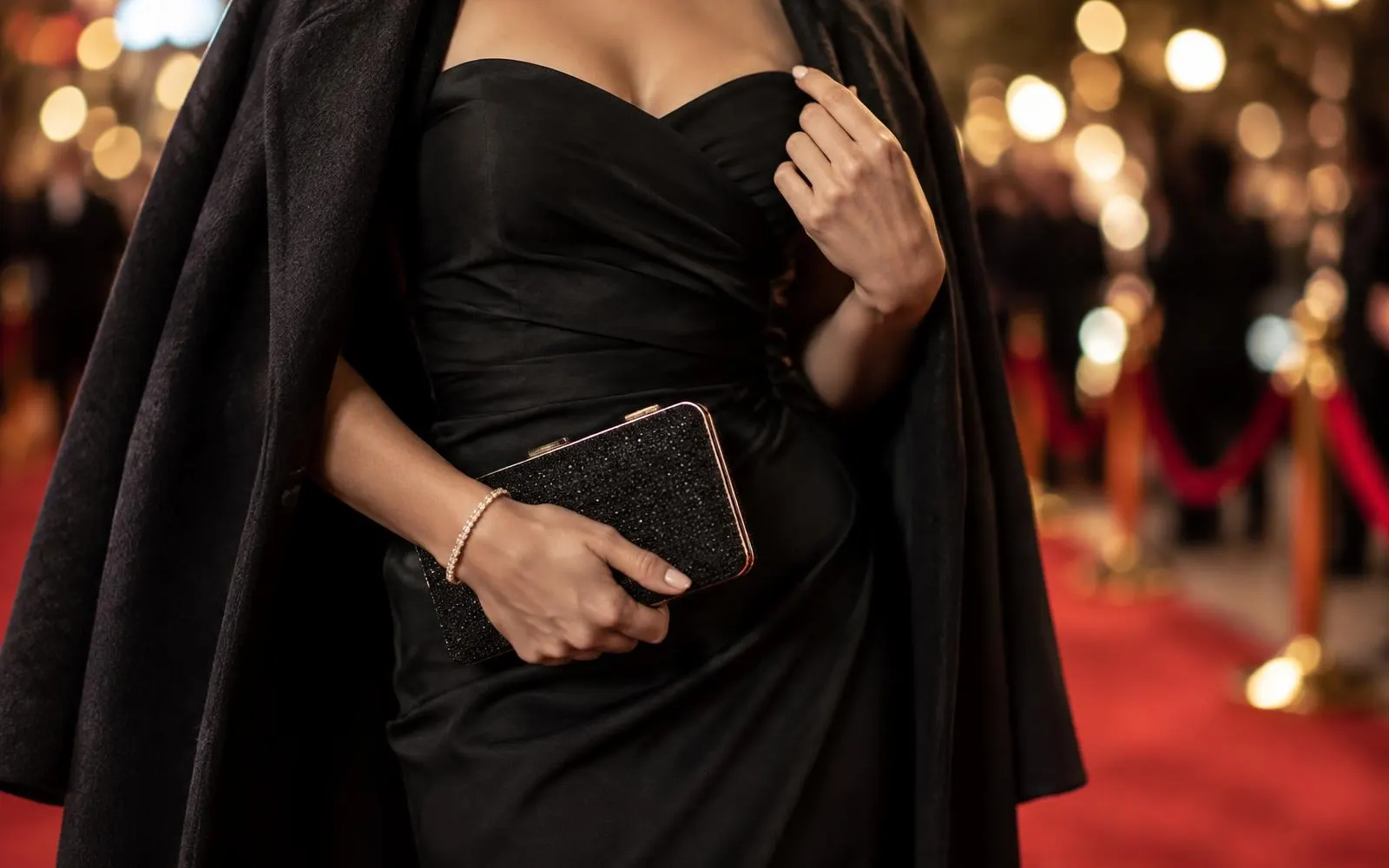
A satin-lapel or velvet blazer is a sharp option for dinners and parties. It can replace a dress, worn with a camisole and tailored trousers.
Best for: parties, events and evening dressing. Consider: keep the rest of the outfit simple and let the blazer take the lead.
How to check the fit
A blazer should fit well before you consider alterations. Try it on over the layers you intend to wear.
- Shoulders: the seam should sit at the edge of your shoulder bone. This is the hardest part to alter, so prioritise it.
- Sleeves: they should end at the wrist bone, with a little shirt cuff showing if you wear one.
- Chest and back: the blazer should close without pulling, and the lapels should lie flat. Cross your arms to test for tightness across the back.
- Waist: if the blazer is fitted, the waist should sit at your natural waist without puckering.
- Length: hip-length is the most flattering for many, but choose according to your proportions and the other pieces you wear.
A tailor can shorten sleeves, take in the waist and adjust the hem. They cannot easily fix shoulder width, so choose that fit first.
Choosing by workplace and occasion
- Traditional office: a classic single-breasted blazer in a dark neutral, ideally part of a matching set. Our guide to work outfits shows how to build a full week around one.
- Creative or relaxed workplace: an oversized or textured blazer in a softer fabric works well.
- Smart-casual weekend: a crepe or linen blazer over a T-shirt and jeans.
- Evenings and events: satin, velvet or tuxedo styles.
- Travel: wrinkle-resistant crepe or jersey blazers pack well and look neat on arrival.
Colour and versatility
Black, navy, grey and camel are the most flexible colours. They match most wardrobes and last through changing trends. Cream and ivory are elegant but need more care. Stronger shades such as green, burgundy or red make a bold statement, and checks and herringbone add texture without needing colour.
Check the colour against the items you already own. A blazer that works with at least four other pieces earns its place quickly.
Budget tiers: what changes as you spend more
- Entry-level: suited to trend-led shapes and short-term needs. Check the lining, the seams and the shoulder shape.
- Mid-range: often offers better fabrics, firmer construction and more reliable fit. A strong choice for a blazer you wear weekly.
- Investment: focuses on high-quality wool, careful tailoring and lasting shape. Worth considering for a classic blazer you plan to keep for years.
Care and longevity
Hang your blazer on a shaped hanger to protect the shoulders. Brush wool with a soft garment brush and air it after wearing. Steam rather than press to remove creases, and dry-clean sparingly, since too much cleaning can dull the fabric. Fix loose buttons early and check the lining for wear at the underarm.
Layering blazers with other outerwear
A blazer is a middle layer in cold weather. A neutral coat in a slightly longer length covers it fully; our guide to the best coats for women explains how to choose one that fits over tailoring. In milder weather, a blazer can replace a lighter outer layer, and the best jackets for women offers casual alternatives.
Common mistakes to avoid
- Buying for the colour and ignoring the shoulder fit.
- Choosing a fabric that creases or clings.
- Wearing a blazer that is too tight across the back.
- Forgetting how the length works with your trousers and skirts.
- Ignoring the lining and the finish.
- Overlooking care instructions.
For occasions that call for a finishing touch, such as an interview or a first day, a signature scent sits well with a sharp blazer. Our guide to the best perfume for women can help you choose.
Frequently asked questions
What is the most versatile blazer colour?
Black, navy and grey are the most flexible. They pair with almost any outfit, suit all seasons and suit a range of workplaces. Camel is a strong alternative in a more relaxed wardrobe.
How should a blazer fit?
The shoulder seam should sit at the edge of your shoulder, the sleeves should end at the wrist bone, and the front should close without pulling. You should be able to move your arms comfortably and cross them without strain.
Should I buy an oversized blazer or a fitted one?
Both have a place. Fitted blazers suit formal workplaces and a tailored look, while oversized blazers suit relaxed outfits. If you are buying one, choose the style that matches the rest of your wardrobe.
Can I wear a blazer with jeans?
Yes. It is one of the easiest ways to make casual outfits look more polished. Choose a blazer with a relaxed cut or a casual fabric, and balance the proportions with a simple top.
How do I care for a wool blazer?
Brush it after wearing, air it out and hang it on a shaped hanger. Steam to remove creases, and dry-clean only when needed. Store it in a breathable garment bag in the off season.
In short
The best blazers for women combine a precise shoulder fit, a fabric that suits your climate and a shape that works with the clothes you already own. Start with a neutral, well-made single-breasted style, then add variety. For more layers, browse our full outerwear edit.