A day at the races is one of the great British dressing occasions. It mixes elegance with practicality: you want to look polished, yet you will spend hours on your feet, possibly on grass, possibly in a cold wind or a shower.
These race day outfits cover the basics. You will find outfit formulas, advice on hats, shoes and bags, and guidance on adapting your look to the course, the season and the enclosure. For the most formal end of the calendar, our guide to Ascot outfits goes into more detail.
What to wear to the races
Dress codes at British racecourses vary a lot. A smaller meeting on a weekday can be relaxed and smart-casual. A major festival or a ladies' day may expect a dress or a tailored suit, and some enclosures have specific rules. The best habit is to check the racecourse's website for its dress guidance before you buy or pack anything.
As a general guide, aim for smart daywear with a sense of occasion. Think polished dresses, tailored separates, structured coats and a hat or headpiece where it suits the day. Avoid anything that looks like beachwear or nightwear.
Weather shapes everything. Jump racing happens largely through autumn, winter and early spring, so wool coats, tights and boots are often essential. Flat racing runs through the warmer months, and then lightweight fabrics and sun protection matter more. Whichever season, you will be outdoors for long stretches.
Practicality is not an afterthought. Racecourses involve walking from car parks or stations, standing at the rail, crossing grass and sometimes mud. The most successful outfits look elegant and also work in the real conditions.
Key race day outfit formulas
The midi dress and tailored coat
A midi dress in a floral, plain or soft geometric print, with a structured coat on top, is a classic choice. In colder months, pick a wool coat in camel, navy, forest green or soft check. It keeps you warm and photographs beautifully.
The tailored trouser suit
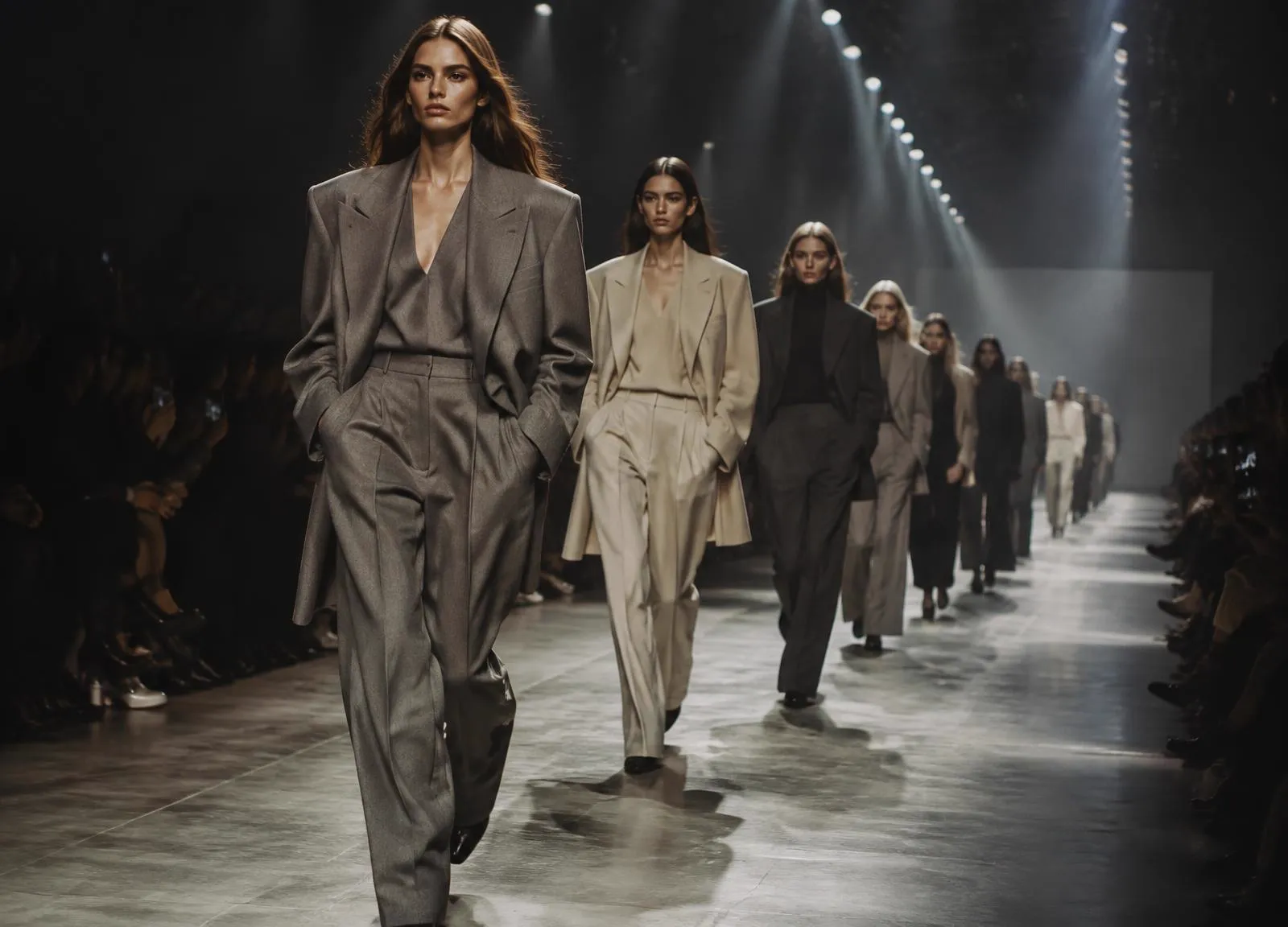
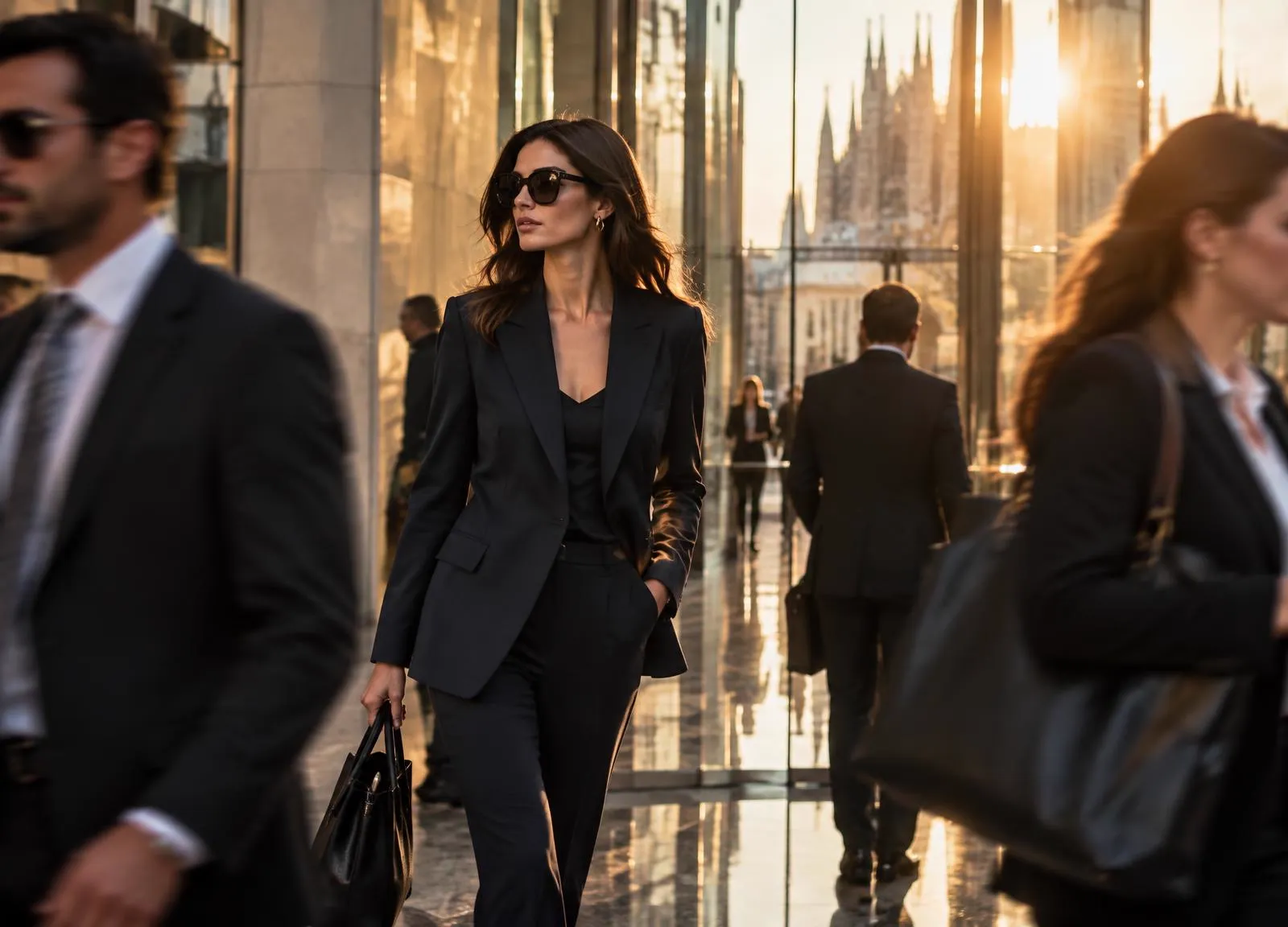
A suit in a good-quality fabric is smart, comfortable and warm. A cream, navy, tweed or soft-pastel suit with a silk blouse looks assured. Add a hat and polished shoes, and you have a look that works in almost any enclosure.
The skirt and blazer combination
A pleated or A-line skirt with a fitted blazer and a fine-knit top gives you flexibility. You can remove the blazer if it warms up and add a scarf or wrap if it cools down.
The tweed and country look
Tweed jackets, checked coats, tailored waistcoats and midi skirts have a long association with British country racing. Choose rich autumn shades such as moss, burgundy and rust, and pair them with leather boots. This is an apt formula for jump meetings.
The summer occasion dress
For flat racing in warm weather, a fluid midi dress in cotton, crepe or a silk-feel fabric is both elegant and breathable. Choose sleeves or straps that cover the shoulders if the dress code asks for it, and bring a pashmina or jacket for the evening.
The jumpsuit
A tailored jumpsuit can be stylish and practical, particularly in the wind, since there is no hem to blow about. Choose a structured cut with a defined waist and clean lines, and ensure you can manage the toilet situation comfortably before committing.
Hats, shoes and accessories
Hats and headpieces
Many racegoers wear a hat, a fascinator or a headband as part of the day. Check the dress code of your enclosure, because some require a headpiece and others do not. A wide-brimmed hat suits a sunny day, but it can be awkward in strong wind or when a crowd is pressing around the rail. A smaller headpiece or a structured hat sits more securely. Anchor whatever you wear with pins or a comfortable band.
Shoes
Shoes decide whether you enjoy the day. Grass, gravel and uneven ground are common, so stiletto heels can sink and slip.
- Block heels: more stable on varied surfaces than thin heels.
- Wedges: very steady on grass, though they can feel heavy.
- Smart ankle boots: the practical option for winter meetings.
- Pointed flats or loafers: useful for those who prefer to stay comfortable, especially with trousers.
- Flat sandals or low wedges: for hot summer days when the ground is dry.
Many racegoers carry a pair of foldable flats for the journey home. This is sensible and costs you very little bag space.
Bags and finishing touches
A small bag with a cross-body strap keeps your hands free for a drink, a racecard and an umbrella. A clutch looks neat but may be tiring over a full day. Jewellery should be modest: a pair of earrings and a ring are enough, particularly if your hat or headpiece is eye-catching. Gloves and a scarf are well worth packing for cold meetings.
Seasonal and dress-code considerations
Autumn and winter meetings
Layers are your friend. Start with a fine knit or silk blouse, add a jacket or tailored coat, and carry a scarf. Thermal tights or a thin thermal layer under a dress provide warmth without bulk. Waterproof boots with a decent grip are a wise investment, and a compact umbrella should be in your bag.
Spring and summer meetings
Choose breathable fabrics, protect your skin from the sun, and bring a light jacket for the later hours. Sun cream on exposed arms, shoulders and the back of the neck matters, particularly if you are wearing a strapless or open-back dress. Always check whether the dress code asks for covered shoulders.
Different enclosures
Premium enclosures usually have stricter expectations than general admission areas. If you are unsure, dress slightly smarter than you think necessary. In general admission, you will see a mix of smart casual and dressy outfits, and comfort carries more weight.
Racing days often form part of a longer weekend away, and if your trip involves a stay by the coast or abroad afterwards, our holiday outfits guide is useful for packing. Large racing events can also have a festival atmosphere, and the advice in festival outfits on comfort and weather planning is a helpful companion. If your day continues at a bar or party, see going out outfits.
How to adapt the look
- For a corporate hospitality day: choose a tailored dress or suit, modest heels and a refined hat.
- For a group of friends: coordinate loosely in colour or mood without matching.
- For a ladies' day: expect more colour and dressy looks, but keep comfort in mind.
- For a cold winter meeting: prioritise warmth, with a long coat and boots that you can walk in.
- For a hot day: pick lightweight fabric, a wide-brimmed hat if allowed and flat or wedge shoes.
- For a budget-conscious approach: rewear a favourite occasion dress with new accessories, or borrow a hat from a friend.
Styling mistakes to avoid
- Ignoring the dress code: read the racecourse's guidance in advance.
- Wearing stiletto heels on grass: they sink, and your day becomes about balance rather than racing.
- Underestimating the weather: a thin dress with no coat can be miserable.
- Choosing an unsecured hat: wind and crowds can make a loose headpiece a nuisance.
- Skipping comfortable shoes for the journey home: pack folding flats.
- Overly revealing clothes: most enclosures expect a polished, covered look.
- Carrying too much: keep your bag small and well organised.
Frequently asked questions
What should I wear to a day at the races?
Choose smart daywear: a midi dress with a coat, a tailored suit or a skirt and blazer combination. Add a hat or headpiece if the dress code suggests it, and wear shoes that cope with grass. Check the racecourse website first.
Do I have to wear a hat to the races?
It depends on the racecourse and the enclosure. Some premium areas expect or require headwear, while others do not. Check the dress code in advance and, if in doubt, bring a hat you can comfortably carry.
What shoes are best for the races?
Block heels, wedges, smart ankle boots and polished flats are better than stilettos, which sink into grass. Choose shoes you can wear for several hours and consider packing folding flats for the journey home.
Can I wear trousers or a jumpsuit to the races?
Yes, in most cases. A tailored trouser suit or structured jumpsuit looks smart and keeps you warm. Check the dress code for your enclosure to be sure, and add a hat or accessories to suit the occasion.
In short
Race day outfits succeed when elegance and practicality work together. Check the dress code, choose a formula that suits the weather, and invest your attention in shoes and layers. For more ideas across the British calendar, visit our British Occasions section.