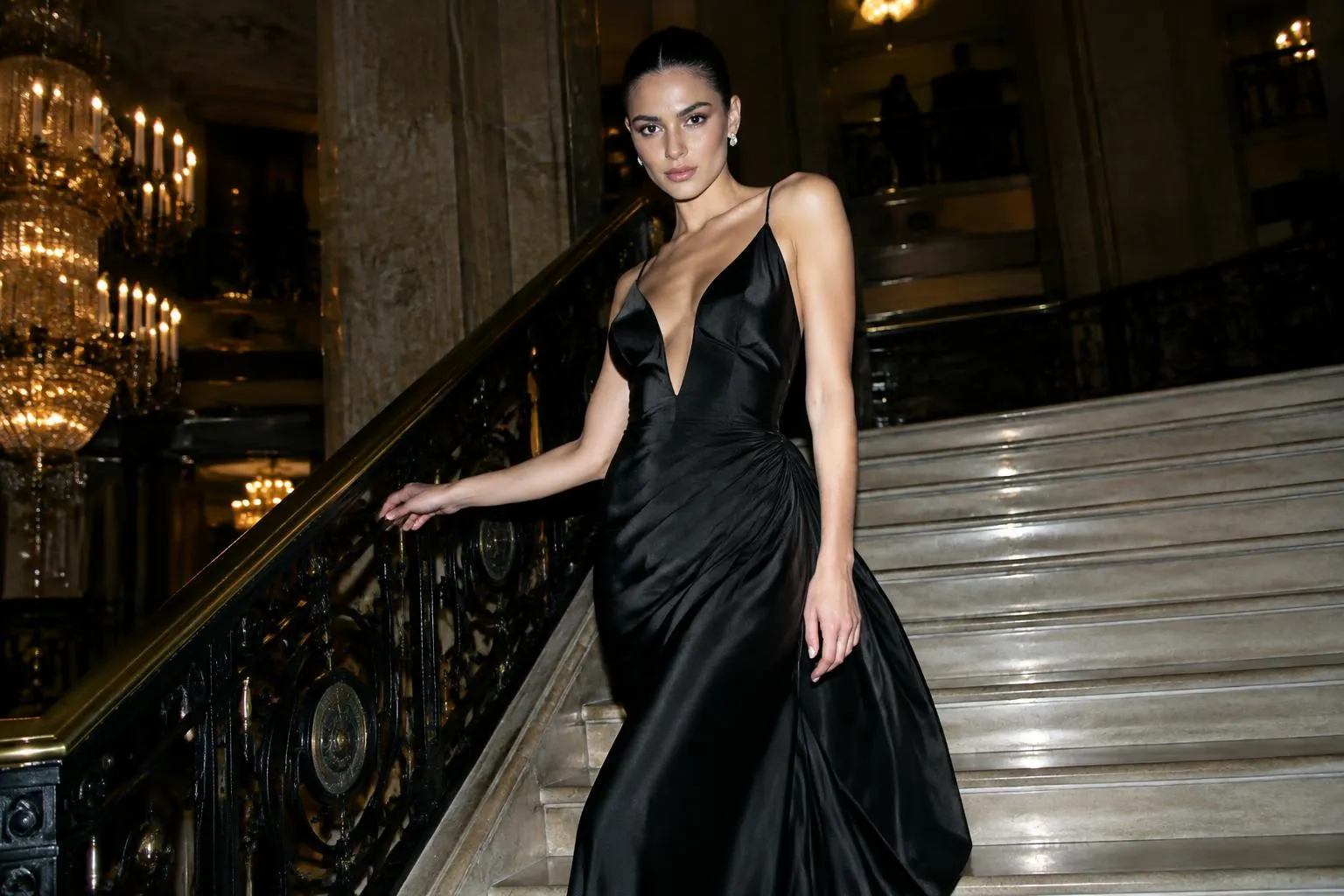
Few events in the British calendar are as closely associated with fashion as Ascot. Royal Ascot, held in June, is known for its formal dress expectations, its hats and its long tradition of daytime elegance.
These Ascot outfits are built around that tradition: tailored dresses, considered headwear, polished shoes and a sense of occasion. This guide explains how to approach the dress code, outlines the outfit formulas that work, and covers the practical details such as footwear, sun and the long day ahead. For more general racing advice, see our guide to race day outfits.
What to wear to Ascot
The first step is always the same: read the official dress code for your enclosure before you buy anything. Ascot publishes guidance for each area, and the rules cover things such as hats and headpieces, shoulder coverage, hem length and what counts as appropriate trousers or jumpsuits. Details can be updated, so rely on the racecourse's own current information rather than on memory or hearsay.
In broad terms, the Royal Enclosure and the more formal areas expect traditional formal daywear. Other enclosures are still smart but allow more flexibility. Whatever your ticket, the spirit of the day is elegant, modest and polished, not clubbing or beach-inspired.
Think of an Ascot outfit as a complete picture. The dress or suit, the hat, the shoes and the bag should be harmonious in colour and formality. It is usually better to choose one confident colour and let the accessories echo it than to mix several competing statements.
Practicality still matters. A day at Ascot can last many hours, involves a lot of walking on varied surfaces and takes place in June weather that can be hot, wet or changeable.
Key Ascot outfit formulas
The tailored midi dress
A structured midi dress with sleeves or wide straps is the signature Ascot choice. Look for a good fabric such as crepe, jacquard or a firm silk blend that holds its shape. Pick a colour you love: soft pastels, jewel tones and classic navy all look fitting. A skirt that reaches the knee or below is usually the safest option.
The tailored suit
A skirt or trouser suit in a good fabric is elegant and practical. Cream, powder blue, blush or navy are all appealing. Choose a jacket with structure and a blouse that adds a little softness. Check that the dress code for your enclosure permits trousers, which is widely accepted in many areas but worth confirming.
The coat dress
A coat dress combines the polish of a dress with the structure of tailoring, and it is a very flattering silhouette. It handles changeable weather well because you can wear it alone or over a slim dress.
The jacket and dress combination
A sleeveless dress with a matching or coordinating jacket gives you control over your coverage and temperature. If the dress code asks for covered shoulders, the jacket does the job elegantly, and you can remove it later if the rules allow.
The monochrome look
Head-to-toe in one colour, whether ivory, soft green, lilac or navy, is calm and sophisticated. Vary the textures, such as a satin dress with a woven hat, to keep it interesting.
The print dress
Florals, abstract prints and delicate geometrics are lovely in summer. Pick a print with a clear colour palette so you can match your hat, bag and shoes without hassle.
Hats, shoes and accessories
Hats and headpieces
Headwear is part of Ascot's identity. Whether a hat is required, and what size or style is permitted, depends on the enclosure, so confirm this with the official guidance. Beyond the rules, choose a hat that suits your face shape, sits securely and matches the formality of the outfit.
- Wide-brimmed hats: dramatic and sun-protective, but need to be anchored in the wind.
- Structured hats: sculptural and polished, with good shape retention.
- Headpieces and bandeaux: lighter and easier to wear all day, if the rules allow them.
- Colour: either echo your dress or choose a complementary shade, and avoid clashing tones.
Try your hat on with your outfit and hairstyle before the day, and practise how you will transport it. Hatboxes are bulky, but crushing a hat is worse.
Shoes
You will walk and stand a great deal, often on grass and gravel. Block heels, wedges and stable low heels are much better than stilettos. Choose closed or elegant open styles that match the formality of the day, and break them in beforehand. A pair of folding flats in your bag is a sound precaution for the journey home.
Bags and jewellery
A small structured bag or clutch is traditional, though a cross-body strap makes life easier. Keep jewellery refined: pearls, small drop earrings or a delicate bracelet. If your hat is a statement piece, choose understated earrings so that your look stays balanced.
Seasonal and practical considerations
Royal Ascot is held in June, which suggests warm weather, though British summers rarely follow a script. Plan for sun, wind and rain.
- Sun: apply sun protection before you dress and top up during the day. A hat helps, but exposed shoulders and arms need care.
- Heat: choose breathable fabrics, avoid heavy synthetics and carry water.
- Rain: a compact umbrella that suits your outfit is more useful than a bulky raincoat. Check whether umbrellas are allowed in the area you are visiting.
- Wind: secure your hat and favour skirts with some weight.
- Cool evenings: pack a wrap or lightweight coat to wear while leaving.
Travel is part of the experience. Many guests take the train, arrive early and queue, so comfort for the journey matters. Consider changing into your full look at your destination if you are travelling a long way. For packing ideas for a weekend away around the event, our holiday outfits guide is useful.
How to adapt the look
- For a first Ascot: keep to a classic, tailored dress and a hat in a neutral or soft colour. It is hard to go wrong with a simple, polished outfit.
- For a bolder personality: choose a vibrant colour or print, but keep the silhouette conservative.
- For a corporate hospitality day: go for a suit or tailored dress with a refined headpiece.
- For a hot day: pick lightweight fabrics, a ventilated hat and flat or wedge shoes.
- For a cooler day: add a tailored coat or cape and carry a pashmina.
- After the racing: if the day ends in a bar or at a party, our going out outfits offer ways to shift the look. And if you are attending a summer music event rather than a racecourse, see festival outfits.
Styling mistakes to avoid
- Not checking the dress code: rules vary by enclosure and can be updated.
- Choosing a hat that does not sit securely: wind and crowds quickly expose a poor fit.
- Wearing new shoes for the first time: break them in beforehand.
- Ignoring the weather forecast: pack for sun, wind and rain.
- Overdoing the accessories: let one element, usually the hat, lead.
- Revealing or very short clothes: these often conflict with the dress code.
- Forgetting sun protection: hours outdoors add up.
Frequently asked questions
What is the dress code for Royal Ascot?
It varies by enclosure and is published by the racecourse. In general, formal daywear is expected in the most traditional areas, with specific rules on hats, shoulders and hem lengths. Always check the current official guidance before you buy.
Do I need a hat for Ascot?
Headwear is a strong tradition, and in some enclosures it is required. Rules on style and size differ by area, so confirm with the racecourse. Even where optional, a hat completes the look.
Can I wear trousers or a jumpsuit to Ascot?
Many areas accept tailored trouser suits and smart jumpsuits, but the rules differ by enclosure and may change. Check the official dress code and choose a structured, formal fabric if you go this way.
What shoes should I wear to Ascot?
Choose block heels, wedges or elegant low heels that you can walk in on grass and gravel. Avoid very thin stilettos, break your shoes in beforehand and consider packing folding flats for the journey home.
In short
Ascot outfits reward preparation: read the dress code, choose a tailored silhouette in a colour you love, secure your hat and wear shoes that can handle a long day. For more ideas across the British calendar, visit our British Occasions section.