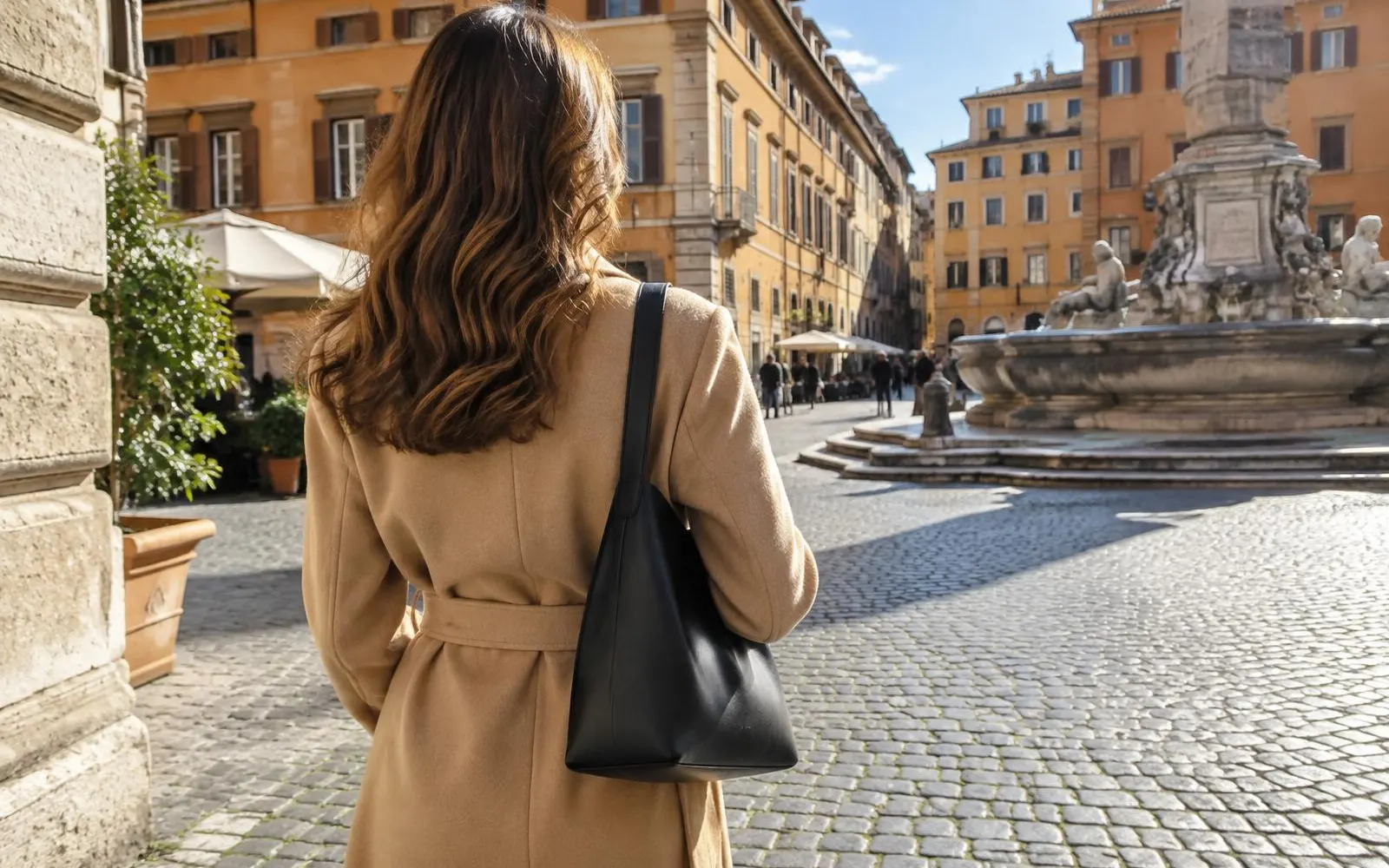
Solo female travel is less about bravery than about preparation. The women who make it look effortless have usually done the unglamorous work in advance: chosen the right destination, booked a sensible first night, shared their plans with someone at home and packed a bag they can carry alone. This guide walks you through each of those steps, from the first idea to the flight home.
You do not need to be a seasoned traveler to go alone. You need a plan that matches your comfort level, and the flexibility to change it. Below you will find a step-by-step approach, plus the small habits that make the biggest difference once you are on the road.
Why solo female travel is worth planning carefully
Traveling alone gives you control over your pace, your budget and your itinerary. It also means that no one else is handling the logistics. A missed connection, a lost card or a bad hotel choice is yours to solve, which is why a little structure goes a long way.
Think of planning as building a safety net rather than a rigid schedule. The goal is to remove avoidable stress so that you can enjoy the unplanned moments.
Step 1: Choose a destination that fits your experience
Your first solo trip does not have to be a big adventure. Many experienced travelers recommend starting with somewhere that has:
- Easy transport. A reliable train, metro or bus network means less reliance on taxis.
- A walkable, central area. You can explore on foot and return to your hotel without a long ride.
- A language you can manage. English is widely spoken in many destinations, but learning a few phrases is always useful.
- A strong tourism infrastructure. Clear signage, organized tours and plenty of accommodation options.
If you are building confidence, a long weekend close to home is a smart rehearsal. Our guide to weekend getaways from NYC is a good place to find short, manageable trips.
Research beyond the glossy photos
Read recent traveler accounts, especially from women who have visited alone. Look for details on getting around at night, on local customs around dress and on neighborhoods to favor. Check official government travel advisories before you commit, and read them again close to departure, since conditions can change.
Step 2: Book accommodation with care
Your hotel is your base, and it matters more when you are alone.
- Prioritize location over luxury. A central, well-lit neighborhood near public transport is usually better than a bargain further out.
- Read recent reviews. Look for comments from solo women on safety, staff helpfulness and noise.
- Check the entry arrangements. A front desk that is staffed late, secure room locks and a safe in the room are useful features.
- Book the first night in advance. Even if you plan to be spontaneous later, arriving to a confirmed reservation takes the pressure off.
- Consider small guesthouses and boutique hotels. They often offer personal attention and local tips.
Hostels with female-only dorms or private rooms can also be a good way to meet other travelers, if that appeals to you.
Step 3: Plan your arrival
Arrivals are when you are most tired and least familiar with your surroundings. Make them easy.
- Arrive in daylight when possible.
- Save your hotel address in your phone and keep a printed copy.
- Know how you will get from the airport or station to your hotel, using official transport options or arranged pickups.
- Have a small amount of local currency or a working card ready for the first day.
- Share your flight number and hotel details with someone you trust.
Step 4: Share your plans and stay reachable
Leave a copy of your itinerary with a friend or family member, and agree on a loose check-in routine. This is not about being monitored. It simply means someone knows where you should be if plans change.
A few tools help:
- A phone plan or eSIM that works abroad, so you always have maps and messaging.
- A portable battery pack.
- Copies of your passport, tickets and insurance stored securely online.
- Travel insurance that covers medical needs, delays and lost belongings. Read the policy details to be sure it fits your trip.
Step 5: Pack light, smart and secure
A bag you can carry, lift and wheel on your own is a safety feature as well as a convenience. Aim for a capsule of neutral pieces that mix and match, plus layers for changing weather.
For a full rundown of useful items, see our list of travel essentials for women. To make the most of your space, our guide on how to pack a suitcase covers rolling, layering and organizing. And if you need a complete checklist, the vacation packing list helps you avoid forgotten items.
Style with a purpose
Dress for the place and the day. In many destinations, covering shoulders and knees is expected at religious sites and in more conservative areas. Comfortable walking shoes, a crossbody bag with a zip and a light scarf that can cover your head or shoulders give you flexibility. Dressing like a local often draws less attention than looking like a visitor.
Step 6: Stay aware once you arrive
Common sense goes a long way, and the following habits are simple to adopt:
- Trust your instincts. If a place or person feels off, leave. You do not owe anyone politeness at the expense of your comfort.
- Keep valuables discreet. Carry only what you need for the day, and keep your phone secure in crowded places.
- Learn the layout. Note landmarks and your route back, so you are not constantly checking your phone on the street.
- Be thoughtful about alcohol. Keep your drink in sight and know your limits.
- Use official transportation. Arrange rides through reliable services or your hotel.
- Have a back-up plan. Know where the nearest embassy or consulate is, and keep emergency numbers handy.
Step 7: Eating, socializing and downtime
Eating alone is one of the most common worries, and one of the easiest to overcome. Bring a book, sit at the counter or choose a café at off-peak times. Lunch is often more relaxed and affordable than dinner, and many travelers enjoy a big lunch followed by a light evening.
If you want company, join a small-group walking tour, a cooking class or a day trip. These are structured, sociable and a good way to meet people without pressure. Equally, build in downtime. Solo travel is tiring because you are making every decision.
Different types of solo trips
- City break. Easy, flexible and good for first-timers.
- Beach or resort stay. Predictable and relaxing, with built-in activities.
- Cultural journey. Museums, historic towns and food, at your own pace.
- Active trip. Hiking, cycling or a retreat, often with a guide or group.
- Group tours for solo travelers. A middle ground between fully independent and fully organized.
Budgeting without surprises
Solo travelers often pay more for accommodation because costs are not shared. Offset this by choosing mid-range hotels in good locations, eating one main meal out per day and using public transport. Keep a small buffer for unplanned changes, such as a taxi after a late evening.
Frequently asked questions
Is solo female travel safe?
Safety varies by destination, and no trip is risk free. Good preparation, such as researching your destination, choosing accommodation carefully and staying aware, reduces risk significantly. Check official travel advisories before you go.
Where should I go for my first solo trip?
Choose somewhere with easy transport, a walkable center and plenty of tourism infrastructure. A short trip close to home is a good way to build confidence before going farther.
How do I deal with eating alone?
Pick relaxed places, sit at the counter or bring a book. Many travelers find lunch easier than dinner. Group classes and tours are also good ways to meet people.
What should I tell people at home?
Share your itinerary, accommodation details and flight information, and agree on a simple check-in routine. This gives you a safety net without limiting your freedom.
Final thoughts
Start with a destination that suits your experience, book your first night and your arrival carefully, and travel light. The rest is a matter of confidence, which grows with each day on the road. For more ideas on how to prepare, explore our travel planning section.