A good packing list for Europe is shorter than you think. Cobblestones, trains, small elevators and unpredictable weather all reward a light, flexible bag, and the travelers who enjoy the trip most are rarely the ones with the biggest suitcase. This guide gives you a practical list of what to bring, what to leave at home and how to adapt it for the season.
Whether you are planning one city or a multi-country rail journey, the same logic applies: choose a tight color palette, pack layers, prioritize comfortable shoes and leave space for what you will buy along the way.
Start with the logistics
Before you pack anything, think about how you will move. A trip that involves trains, buses and short flights is very different from a week in one hotel.
- Carry it yourself. Assume you will lift your bag up steps, onto luggage racks and along uneven streets.
- Check airline rules. Cabin and checked baggage limits differ, especially on budget European carriers. Verify the current limits with your airline before you pack.
- Count your stops. The more you move, the lighter you should go.
- Plan laundry. Hotels, laundromats and sinks mean you can pack for about a week even on a longer trip.
The core wardrobe
Build around neutral colors that all work together, such as navy, black, cream and olive, with one or two accent colors. This lets you mix and match and keeps you looking polished with fewer pieces.
Tops
- Three to four short- or long-sleeve tops in breathable fabrics
- One crisp white or striped shirt
- One lightweight sweater or cardigan
Bottoms
- Two pairs of pants or jeans in dark, wrinkle-resistant fabrics
- One skirt or pair of tailored shorts, depending on season
- One pair of comfortable leggings or lounge pants for travel days
Dresses
- One or two dresses that work for day and evening, ideally in fabric that does not crease
Outerwear
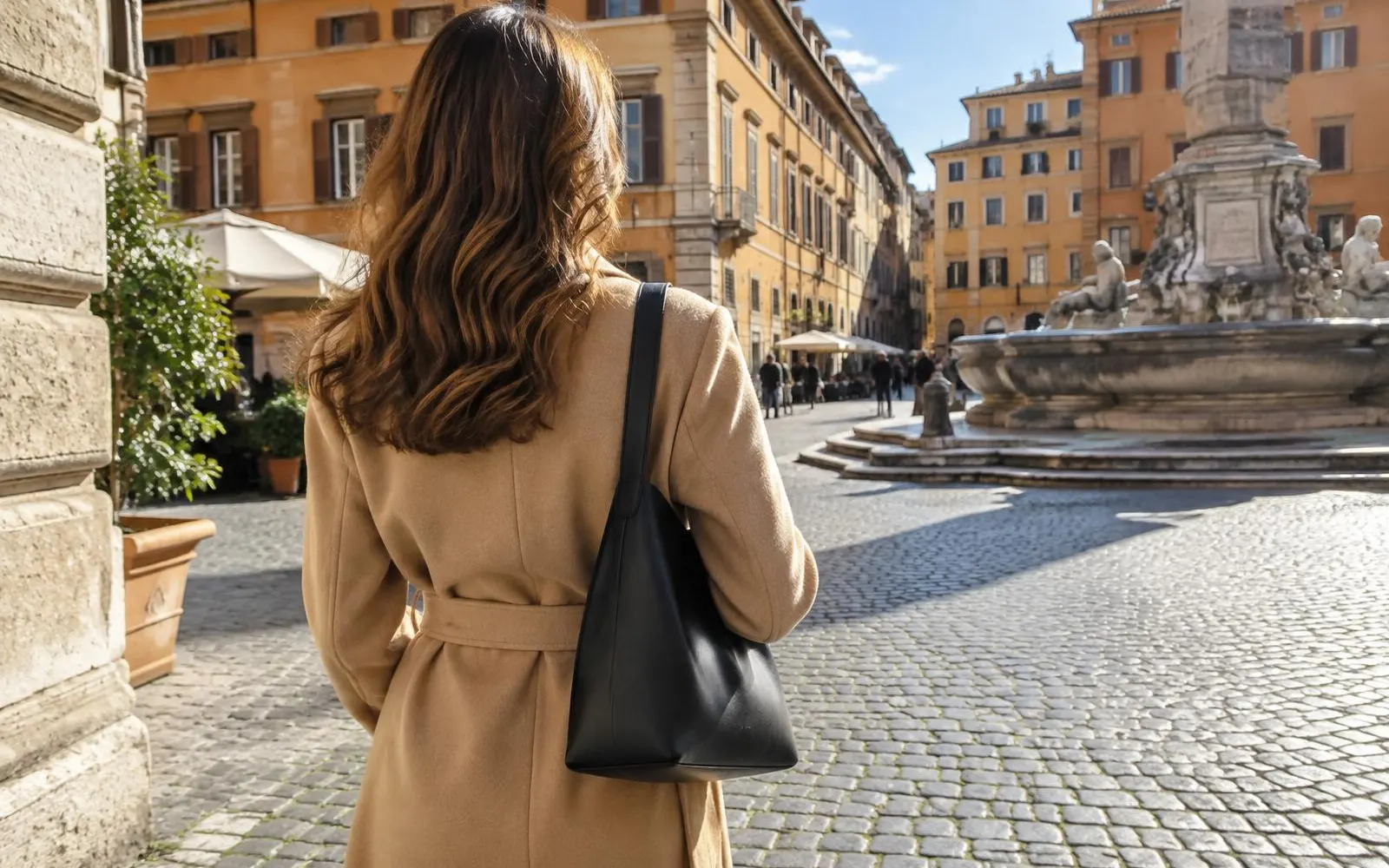
- One lightweight jacket or trench you can layer
- A packable rain layer or small umbrella
Accessories
- A large scarf, which can serve as a wrap, a head covering at churches and a plane blanket
- A belt
- A small amount of jewelry, in a pouch
- Sunglasses
Shoes: where to invest
Europe means miles of walking, often on cobblestones. Bring no more than three pairs.
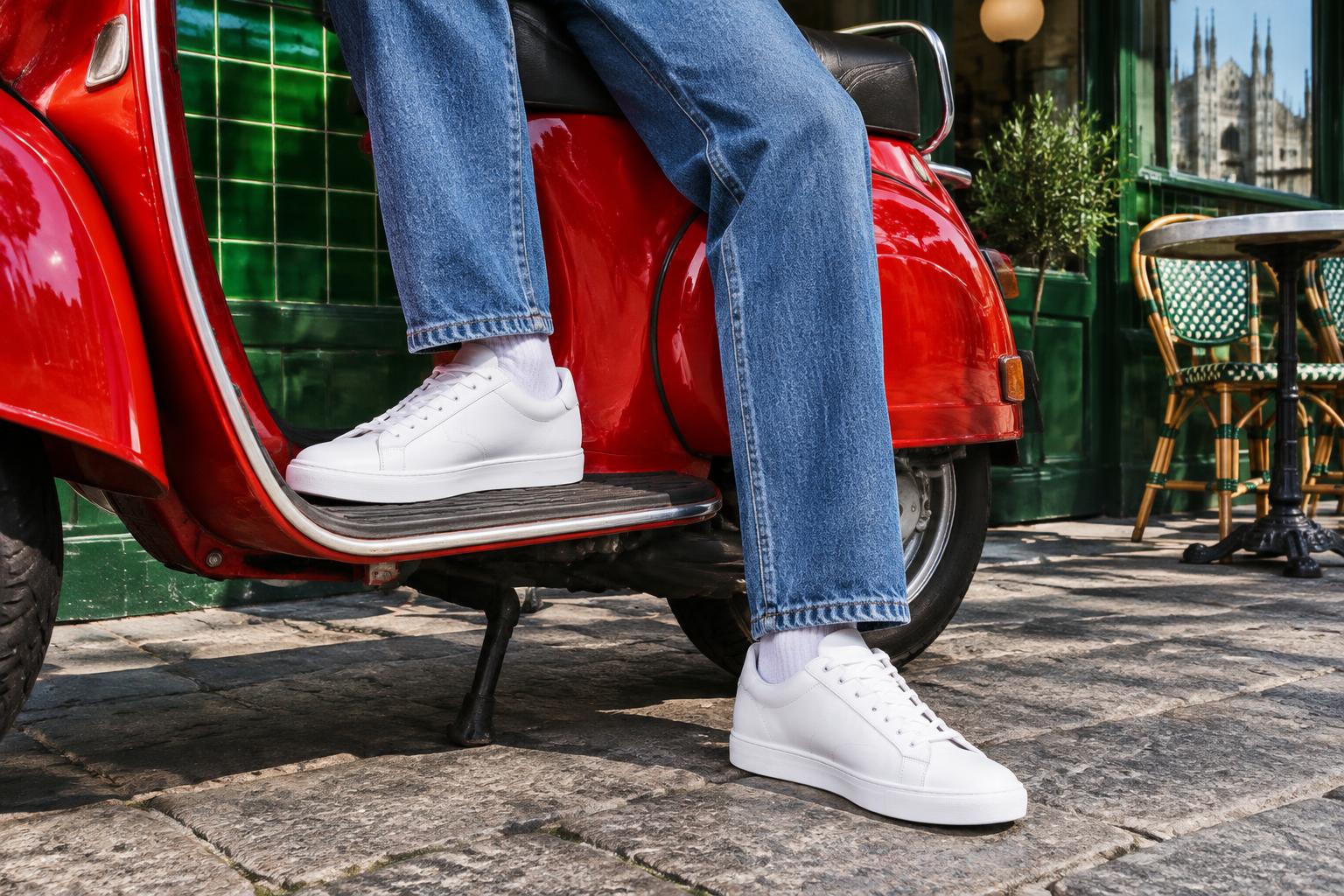
- Broken-in walking shoes. Supportive sneakers or comfortable flats. Do not try out new shoes on the trip.
- A dressier pair. Loafers, low block heels or flat sandals for dinners.
- A seasonal pair. Sandals in summer, ankle boots in cooler months.
Choose styles that go with everything, and avoid thin heels, which catch in cobblestones.
Dressing like you belong
European cities lean toward polished, understated looks. Few places are strict, but a neat appearance goes a long way. Avoid clothes with large logos or slogans, and skip athletic wear outside the gym. Cover shoulders and knees at churches and cathedrals, and carry your scarf for this.
Toiletries and health
- Travel-size basics, with refills available at local pharmacies
- Any prescription medication in original packaging, plus a copy of the prescription
- A basic first-aid kit with plasters, pain reliever and stomach remedies
- Sunscreen and lip balm
- A small packable tote or day bag
Check with your doctor about travel health needs, and look up official sources for any vaccination or entry requirements.
Tech and documents
- Passport, with a copy stored separately
- A power adapter. European plugs differ from American ones, and voltage is different, so check that your devices are dual-voltage.
- Phone, charger and a portable battery
- Travel insurance details
- A bank card with no foreign transaction fee, and a back-up card
- A small amount of local cash for markets and small cafés
Check official sources for current entry rules, including passport validity and any travel authorizations that may apply to your trip.
Getting around with your bag
European train stations, old town streets and apartment buildings often involve stairs. Many older buildings have narrow or no elevators, so a bag you can lift is genuinely useful. A soft-sided carry-on or a lightweight backpack-style bag with wheels handles cobblestones and stairs better than a rigid case. Keep your passport, phone and cards in a zipped crossbody or an inside pocket, and stay alert in crowded stations and tourist areas, where pickpocketing is a common concern in many big cities.
What to skip
- Hair dryers and heated tools. Most hotels provide dryers, and voltage differences can damage tools.
- Excess shoes. Three pairs is enough.
- Heavy jeans. They are bulky and slow to dry.
- Fancy jewelry. It adds risk and rarely adds value.
- Big suitcases. They are a burden on trains and walk-ups.
- Too many "just in case" items. If it is available locally, leave it.
Adjust for the season
Spring and autumn
Layers rule. Pack a light jacket, a scarf, a sweater and a rain layer. Mornings and evenings can be cool.
Summer
Breathable fabrics, linen blends, sun protection and sandals that can handle walking. Many southern destinations are very warm, while northern cities can still be cool in the evening.
Winter
Add a warm coat, gloves, a hat and thermal layers. Boots with good grip are essential.
A sample one-week list
| Category | Quantity |
|---|---|
| Tops | 4 |
| Bottoms | 2 pants, 1 skirt or shorts |
| Dresses | 1 to 2 |
| Layers | 1 sweater, 1 jacket, 1 rain layer |
| Shoes | 3 pairs |
| Accessories | 1 scarf, 1 belt, sunglasses |
| Sleepwear and underwear | 6 days' worth |
This is a starting point. If you want a broader checklist for any trip, our vacation packing list covers the full range, and travel essentials for women goes deeper into the smaller items that make trips easier.
Packing for different kinds of Europe trips
The city hopper
You will move often, so the lightest bag wins. Choose a single carry-on, a day bag and wrinkle-resistant fabrics. Pack a small laundry kit with a few sheets of detergent and a sink stopper, and wash basics every few days.
The one-city stay
You can pack slightly more, since you will unpack once. Add an extra dressy outfit for a nice dinner or a show, and a second pair of comfortable shoes to rotate.
The countryside and coast
Bring sturdier footwear for trails, sun protection and a layer for cool evenings. A packable tote is handy for markets and picnics.
The cold-weather trip
Wear your heaviest coat and boots on the plane. Pack thin thermal layers, which take little space and give a lot of warmth.
Packing method
Roll or fold clothes into packing cubes by category. Wear your bulkiest items on the plane. Keep valuables, medication and a spare outfit in your carry-on. Leave a little space for souvenirs. For a step-by-step guide on organizing your bag, see our tips on how to pack a suitcase.
If your trip includes a coastal stop, a swimsuit and sandals are worth the space. For a dedicated list of sun-and-sea items, our packing list for a beach vacation has you covered. And for outfit inspiration to build your suitcase around, browse our ideas for vacation outfits.
Frequently asked questions
How many outfits should I pack for two weeks in Europe?
Plan around a week of clothing and do laundry once. Choose pieces that mix and match, so a small set gives you many combinations. This keeps your bag light.
Do I need a power adapter for Europe?
Yes. European outlets differ from American ones, so you will need an adapter. Check your devices for voltage compatibility, since heated styling tools may not be safe without a converter.
What shoes are best for Europe?
Broken-in, supportive walking shoes are the priority. Add one dressier pair and one seasonal pair. Avoid thin heels on cobblestones.
Should I bring a carry-on or a checked bag?
A carry-on is easier for trains and city travel. Always check your airline's current size and weight limits, especially on short-haul European flights.
Final thoughts
Pack light, choose neutral layers and invest in good shoes. The less you carry, the more you enjoy the trip. For more advice on getting ready, explore the rest of our travel planning section.