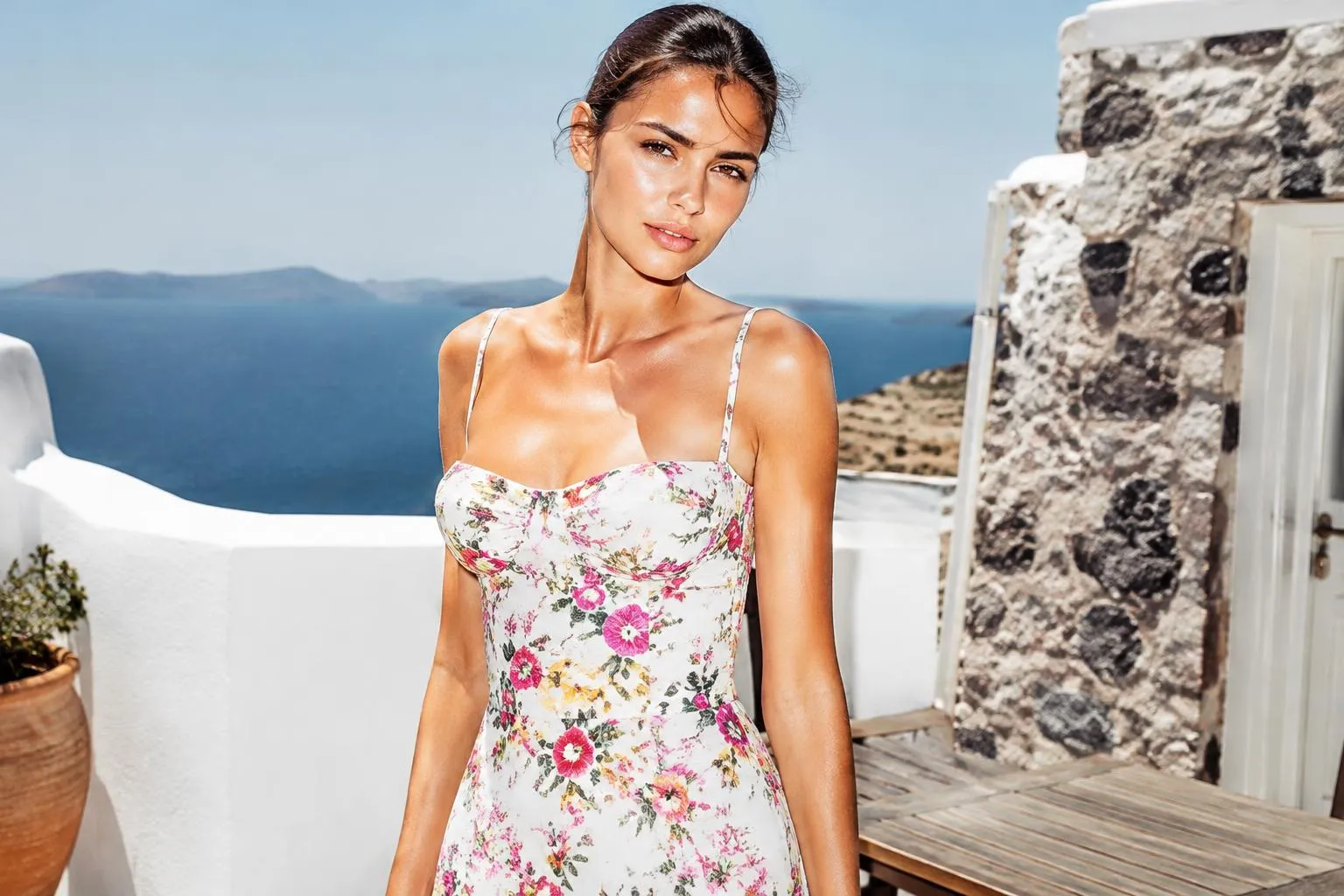
Italy is a country of strong regional identities. Tuscany, Sicily, the Dolomites and the Veneto differ in food, dialect, architecture and pace, so no single trip can cover everything. The most satisfying itineraries pick a few places and spend real time in each.
This Italy travel guide helps you choose where to go and prepares you for what to expect once you arrive. You will find an overview of the main regions and cities, advice on timing, how to travel between places by train and car, how to eat the way Italians do, and the customs that make daily life smoother. Opening hours, ticket rules and transport details change, so confirm them with official sources before you book.
If you are building a wider trip, our City Guides section offers comparisons with other destinations.
Choosing Where to Go
Most first-time visitors start with the classic trio of Rome, Florence and Venice, which is a sensible foundation. From there, you can add Milan, the lakes, the Tuscan countryside, Naples and the south, or Sicily, depending on interests.
Rome
A city of layered history, from ancient ruins to Baroque fountains and lively neighborhoods such as Trastevere and Monti. Give it at least three days, and book major sites in advance where timed entry exists.
Florence and Tuscany
Florence packs Renaissance art and architecture into a walkable center. Tuscany's hill towns, vineyards and cypress-lined roads are best explored by car or on a guided day trip, ideally from a base in the countryside.
Venice
A city of canals and bridges with no cars. Walk, take the water buses, and get lost in the quieter neighborhoods away from the main sights. Check the city's visitor rules, which can include entry arrangements for day visitors.
Milan and the Lakes
Milan is Italy's fashion and design capital, with an excellent food scene and a major cathedral. Lake Como and Lake Maggiore are a short trip away and suit travelers who want scenery and elegance.
Naples, Pompeii and the South
Naples is raw, energetic and delicious, with a famous pizza tradition and rich archaeology. The nearby ruins of Pompeii and Herculaneum offer a window into Roman life. Further south and east, Puglia is known for white towns, olive groves and coastline. The Amalfi Coast is also reached from here, and it deserves its own plan.
Sicily and Sardinia
Islands with distinct cultures, cuisines and landscapes. Sicily mixes Greek, Arab, Norman and Baroque influences, while Sardinia is known for beaches and rugged interiors. Both reward a slower itinerary and a rental car.
The Dolomites and the North
Dramatic mountains, hiking in summer and skiing in winter, with a blend of Italian and Alpine culture.
When to Go
- Spring (April to early June): Pleasant weather, blooming landscapes and fewer crowds than summer. Easter week is busy.
- Summer (late June to August): Hot and crowded in cities, with many Italians on vacation. Seaside and mountain destinations are in full swing. Around mid-August, some businesses in cities close for the holiday, so confirm before you go.
- Early fall (September to October): Comfortable temperatures, harvest season and warm seas. Often an excellent time to visit.
- Winter: Quieter and cooler, with festive markets in December and skiing in the Alps. Some coastal destinations close for the season.
For fashion, Milan hosts its main fashion weeks around February and September, so hotels there can be busier and pricier during those periods.
How to Get Around
Trains
Italy has an extensive rail network, and high-speed trains link major cities quickly. Book in advance for the fastest services, and check whether regional tickets need to be validated at a machine before boarding. Station signage and apps help you find platforms, which are announced shortly before departure.
Driving
A car is useful in Tuscany, Umbria, Puglia, Sicily and the Dolomites, and a burden in Rome, Florence, Venice and Milan. Many historic centers have limited traffic zones, known as ZTL, where unauthorized vehicles can be fined by camera. Ask your hotel about parking and avoid entering restricted areas.
Buses, ferries and flights
Buses connect smaller towns, and ferries link islands and lakeside villages. Budget airlines serve many regional destinations, but compare baggage rules and timing against the train.
Walking
Italian cities are best experienced on foot, so pack comfortable shoes for cobblestones and uneven surfaces.
Eating the Italian Way
Meals follow a rhythm. Knowing it makes everything easier.
- Breakfast (colazione) is usually light: a cappuccino and a pastry at the counter of a bar.
- Lunch (pranzo) runs roughly from midday to mid-afternoon, and is often the main meal in smaller towns.
- Dinner (cena) starts later than in the US, especially in the south, and many kitchens do not open before evening.
- Courses traditionally progress from antipasto to primo (pasta or rice), secondo (meat or fish) and dolce. You do not have to order them all.
- Coffee is a quick ritual. Cappuccino is generally a morning drink, and an espresso follows meals.
- Cover charge (coperto) is a small per-person fee in many restaurants and is normal. Tipping is modest, and service is often not added in the way it is in the US.
Eat regionally. Rome has cacio e pepe and carbonara, Naples has pizza, Bologna has tagliatelle with ragù, Florence has bistecca, Sicily has arancini and cannoli, and Piedmont has truffles and wine. Seeking out local specialties is more rewarding than hunting for the "best" version of a dish everywhere.
Avoid restaurants with photo menus and staff pulling in passersby near major monuments. Walk a few streets away, look for short menus and ask locals for recommendations.
Culture and Customs
- Dress with some care in churches, where covered shoulders and knees are typically required.
- Greet people with "buongiorno" or "buonasera" when entering shops and cafés.
- Standing at the bar for coffee is cheaper and quicker than sitting at a table in many places.
- Rest hours are real in smaller towns, where shops may close in the early afternoon and reopen later.
- Pace yourself. Italians value long meals and conversation, so build in slow time.
Shopping and Style
Italian fashion is known for craftsmanship, tailoring, leather and fine knitwear.
- Milan is the center of the fashion industry, with boutiques, department stores and outlets nearby.
- Florence has a leather tradition, with workshops and markets, though shop carefully and look for quality.
- Rome mixes luxury streets with independent boutiques.
- Local markets sell ceramics, linens, food and artisanal goods across the country.
Italians tend to dress neatly even for casual outings. Neutral tones, good shoes and well-cut basics will help you blend in. Pack layers, since churches and museums can be cool even in summer.
A Sample Ten-Day Route
Days 1 to 3: Rome. Ancient sites, Vatican museums and neighborhood walks.
Days 4 to 6: Florence and Tuscany. Renaissance art, a countryside day and a long lunch.
Days 7 to 8: Venice. Canals, quiet backstreets and island trips.
Days 9 to 10: Milan. Cathedral, shopping and a final dinner.
For a slower trip, cut the route in half and add a countryside stay. Italy rewards depth over breadth.
Practical Tips
- Reserve timed tickets for major sites, such as the Vatican, the Colosseum and Florence's top museums.
- Carry a little cash for small cafés and markets.
- Watch for pickpockets in crowded areas and on public transport.
- Check entry requirements on official government websites.
- Learn a few phrases, which are warmly appreciated.
When you want to compare Italy with other European and international cities, see our Paris travel guide and London travel guide. For a contrast in pace, our New York City travel guide and Tokyo travel guide offer other big-city inspiration.
Frequently Asked Questions
How many days do you need in Italy?
Ten days to two weeks lets you see three or four destinations without rushing. If you have a week, choose two or three places. Spending more time in fewer places usually makes for a better trip.
What is the best time of year to visit Italy?
Late spring and early fall offer pleasant weather and manageable crowds. Summer is hot and busy in cities, while winter is quieter with fewer visitors. The best choice depends on whether you prioritize the beach, sightseeing or skiing.
Do I need to rent a car in Italy?
Not for the big cities, where trains and walking work better. A car is helpful for the Tuscan countryside, Sicily, Puglia and the Dolomites. Be aware of ZTL restricted zones in historic centers.
Is tipping expected in Italy?
Tipping is modest compared with the US. Many restaurants charge a small cover fee, and service is often not added. Rounding up or leaving a few coins for good service is common, though not required.
In Short
Italy is best traveled slowly. Choose a few regions, use trains between cities and a car in the countryside, eat according to local rhythms and book key sights in advance. Then let the details, from the morning espresso to the evening passeggiata, shape the trip.