The home decor trends of 2026 share a quiet confidence. Rooms feel layered and lived-in, colors lean warm and earthy, and materials show their texture. Fewer matching sets, more personality: homes increasingly look collected over time, not ordered from a single catalog page.
This guide breaks down the directions shaping interiors this year, from color and materials to furniture shapes and lighting, with practical ways to try each one without redoing a whole room. These are broad movements seen across showrooms, design media and everyday homes, not predictions tied to any single brand. For more room-by-room inspiration, visit our Decor hub.
The big picture: what is defining interiors in 2026
Several ideas run through almost every trend this year.
- Warmth over starkness. Cool gray and all-white schemes give way to creamy neutrals, clay tones and rich browns.
- Texture as decoration. Bouclé, linen, wool, rough plaster, wood grain and stone add interest without clutter.
- Collected, not matched. Mixing eras, finishes and sources feels fresher than buying a full suite.
- Comfort first. Soft seating, layered lighting and tactile fabrics reflect how people actually use their homes.
- Longevity. Many people are favoring well-made, repairable and secondhand pieces over disposable decor.
Color: warm neutrals and deeper accents
Earthy and warm neutrals
Oatmeal, mushroom, sand, warm taupe and soft terracotta form the base of many palettes. They pair easily with wood and keep rooms calm. If your walls are cool gray and feel flat, a warmer off-white can change the mood without a full redesign.
Deep, moody accents
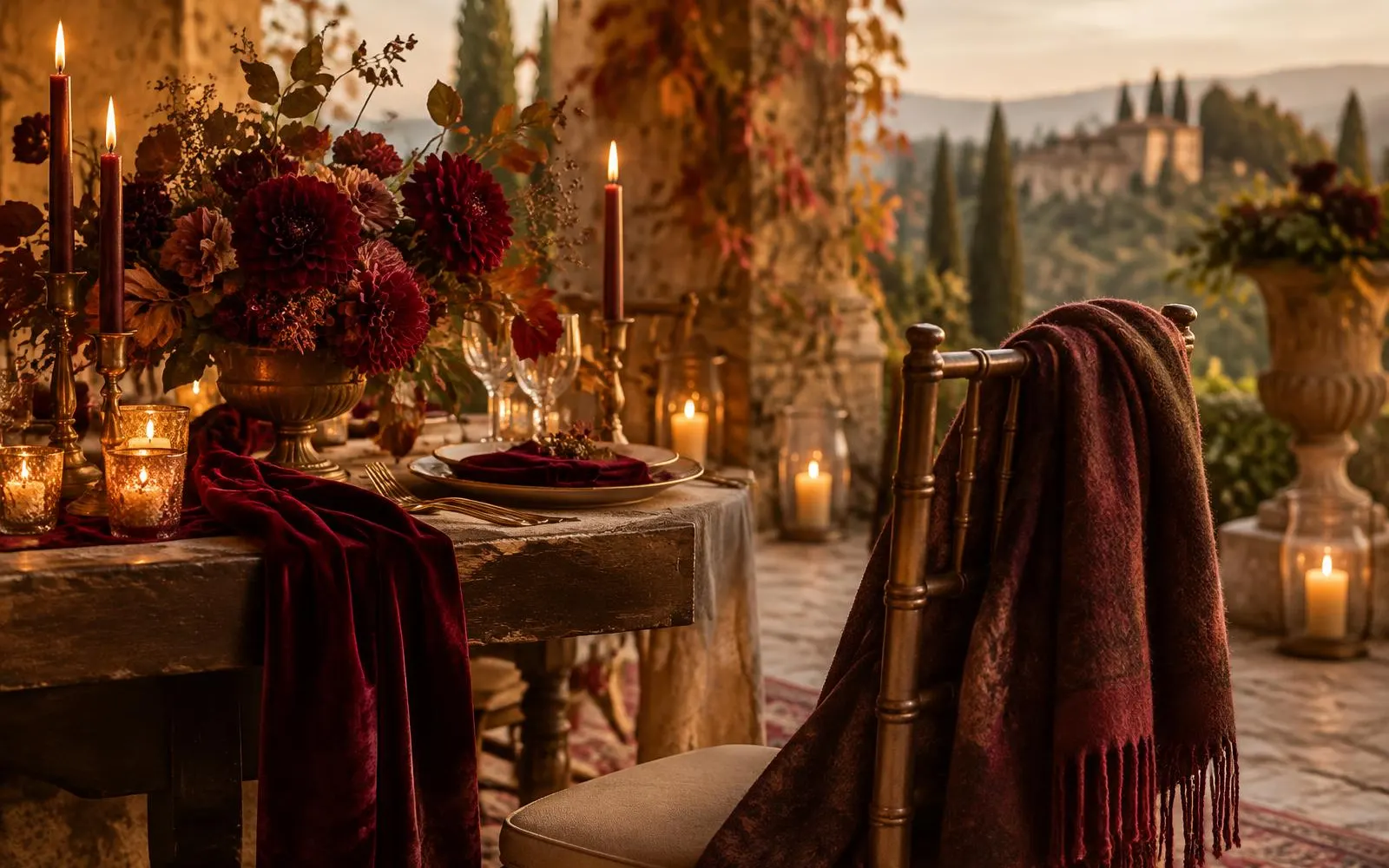
Alongside soft neutrals, richer shades such as forest green, burgundy, chocolate brown and inky blue appear as accents. Try them on a single wall, an upholstered chair, curtains or a painted door, so the effect is intentional rather than heavy.
Color drenching
Painting walls, trim and sometimes the ceiling in one color creates a cocooning effect. It works especially well in small rooms, studies and entryways. Choose a finish with a little sheen on trim to add subtle contrast.
Materials and textures
Natural materials
Wood, stone, rattan, wool, jute and linen continue to anchor interiors. Visible grain, imperfect edges and a handmade feel add character. Mix several types in one room to avoid a flat look.
Plaster and limewash finishes
Soft, mottled wall finishes bring depth and an Old World feeling. They can be applied with specialist products or approximated with textured paint. Test a sample on a large board and view it at different times of day.
Soft, sculptural upholstery
Curved sofas, rounded armchairs and plush textures such as bouclé or chenille keep rooms feeling inviting. Choose performance fabrics if you have pets or children.
Mixed metals and finishes
Brass, black, brushed nickel and aged bronze can coexist when repeated across the room. Aim for a pattern: two or three finishes used in more than one place.
Furniture and form
- Curves and softened edges. Round coffee tables, arched mirrors and rounded headboards soften rooms.
- Vintage and secondhand pieces. An older sideboard or chair adds history and often better construction.
- Statement lighting. Sculptural pendants and floor lamps work as furniture.
- Slim, functional storage. Built-in shelving and multi-purpose pieces suit smaller homes.
- Low, relaxed seating. Deep sofas and floor cushions make rooms feel casual.
Pattern and art
Pattern is returning in a controlled way. Stripes, checks, florals and subtle geometrics appear in textiles, wallpaper and rugs, usually in muted palettes. Mix scales: a larger pattern on curtains, a smaller one on cushions, and a plain sofa to rest the eye. Original art, framed prints and personal photographs give a room individuality. Hang pieces slightly lower than you think, near eye level, and group them with consistent spacing.
Lighting: layered and warm
Lighting is one of the simplest ways to refresh a room. Combine ambient light, task light and accent light, and choose warm bulbs for evenings. Table lamps, wall sconces and dimmers add flexibility. Paper, linen and glass shades diffuse light softly. A single overhead fixture rarely flatters a room.
Trends by room
Different rooms interpret these ideas in different ways, and our room guides go deeper.
Living room
Soft, curved seating, a mix of textures and a warm palette create a welcoming space. Layer rugs, add a vintage piece and let lighting do some of the work. For more ideas, see our guide to living room decor ideas.
Bedroom
Bedrooms are leaning into calm: tonal bedding, linen textures, lamps on both sides of the bed and a dark or textured accent wall. Our bedroom decor ideas explores layouts and styling in more detail.
Home office
Work-from-home spaces now look more like part of the house. Warm wood desks, good task lighting, closed storage and a few personal objects help. Our home office ideas covers practical setups.
Styling surfaces
Coffee tables and shelves reflect the same layered approach: a stack of books, a sculptural object and something living. See our advice on coffee table decor for styling formulas.
A simple formula for a 2026 palette
Palettes feel cohesive when they follow proportions. A reliable approach is to use a warm neutral for about two thirds of the room, a second, deeper tone for roughly a quarter, and a small dose of an accent for the rest. For example, a creamy wall color, a chocolate-brown or forest-green sofa and a terracotta cushion or vase. Then repeat each color at least twice in different places, so the eye reads it as a plan and not an accident. Wood tones count as a color too, so keep them in the same warm family where possible.
Mixing old and new
The collected look depends on contrast. Pair a vintage wooden table with contemporary chairs, or a modern sofa with an antique rug. Look for a common thread, such as color, shape or finish, to hold them together. Flea markets, estate sales and secondhand listings are good sources, and a coat of oil, wax or paint can renew a tired piece. Keep a few clear surfaces so the room can breathe; the best collected interiors look edited, not crowded.
Sustainability and long-term thinking
Many homeowners are thinking about what to keep, repair and reuse. Secondhand shopping, upcycling, refinishing wood and reupholstering older furniture are practical, budget-friendly and characterful. When buying new, look for solid construction, durable materials and clear care instructions. A well-made piece you keep for years is usually better for both your budget and the planet than a quickly replaced one.
How to try a trend without a full renovation
You do not need to redo a room to feel the shift. Start small.
- Change the textiles. New cushions, a throw and curtains in warmer colors transform a space quickly.
- Swap the lighting. Warm bulbs and a new lamp make a big difference.
- Paint one element. A door, a bookshelf back or an accent wall.
- Add one natural material. A wooden tray, a woven basket or a stone bowl.
- Bring in art. One large piece can change the mood.
- Edit. Clear the clutter from surfaces before adding anything new.
Choosing trends that suit you
Trends are tools, not rules. Before buying anything, think about how you use the room, what you already own and what feels like you. Test paint samples, order fabric swatches and live with them for a few days. If a trend only works with a total overhaul, it is probably not worth it. The strongest interiors blend current ideas with personal belongings and a consistent palette.
Trends to approach with caution
- Very stark, all-white rooms. They can feel cold and are hard to maintain.
- Heavily themed decor. A single strong theme dates quickly.
- Overly matched sets. Variety looks more current.
- Fast-turnover decor. Cheap pieces that wear quickly cost more over time.
- Too many accent colors. Stick to a palette of three to four.
Frequently asked questions
What are the biggest home decor trends in 2026?
Warm neutrals with deep accent colors, natural textures, curved furniture, layered lighting and a mix of vintage and new pieces stand out. Overall, homes are moving toward comfort and personality.
Is gray still in style for home decor?
Cool, flat gray has faded in popularity, with warm neutrals taking over. Gray can still work if it is softened with warm tones, natural textures and wood.
How can I update my home on a budget?
Change textiles, lighting and accessories first. Paint is also high impact for the cost. Secondhand and vintage pieces add character without a large spend.
How do I know if a trend will last?
Choose trends that fit how you live and that rely on classic materials, such as wood, wool and linen. Keep large, expensive items neutral and use small accents for bolder ideas.
Final word
The home decor trends of 2026 favor warmth, texture and character over perfection. Start with color and lighting, add natural materials and a few meaningful pieces, and edit as you go. A home built this way looks current now and keeps looking good when trends move on.