The best walking shoes for women are the ones that disappear on your feet. You stop thinking about them somewhere in the first ten minutes, and you are still not thinking about them at the end of a long day. Getting there takes less luck than people assume. It comes down to fit, cushioning, flexibility and weight, and to being honest about where you will actually walk.
This guide is a buyer's framework rather than a ranked list of models. Styles change every season and availability shifts, but the construction details that make comfortable walking shoes work stay the same. You will find the main shoe types, who each one suits, how to test a pair in the store or at home, and how to make them look good with what you already own.
What Makes a Great Walking Shoe
Walking is a rolling motion. Your heel lands, your weight travels along the foot, and you push off through the toes. A good walking shoe supports that sequence instead of fighting it. Here is what to check, in order of importance.
Fit comes first
Most discomfort traces back to size, not to a lack of technology. Your toes should have room to spread, with about a thumb's width of space between your longest toe and the end of the shoe. The heel should stay put without slipping, and the midfoot should feel held but never squeezed.
Try shoes on in the afternoon or evening, when feet tend to be slightly larger, and wear the socks you plan to walk in. If you have a wider forefoot, look for brands that offer width options instead of going up a full size, which only creates heel slip.
Cushioning and ground feel
Cushioning is a spectrum. Thick, soft midsoles feel plush on a short trip but can feel unstable and tiring over many miles. Firmer, moderately cushioned soles give you a steadier platform. Think about your typical day: pavement and hard floors reward a bit more cushion, while mixed terrain benefits from a little more stability.
Press your thumb into the midsole. It should compress and bounce back, not feel like a brick or a marshmallow.
Flexibility in the right place
Hold the shoe by the heel and toe and bend it. It should flex at the ball of the foot, where your foot naturally bends, and resist twisting through the middle. A shoe that folds in half at the arch offers little support, and one that will not bend at all makes every step feel stiff.
Weight and breathability
Lighter shoes reduce fatigue over a long day, particularly if you are on your feet from morning to night. Knit and mesh uppers breathe well in warm weather. Leather and coated materials hold their shape and handle light rain better, but they run warmer.
Outsole grip
Look at the tread. Shallow, flat patterns can be slick on wet pavement or tile. A rubber outsole with a defined pattern gives you traction in rain and on smooth surfaces. For city walking in cold or wet climates, grip matters as much as cushioning.
The Main Types of Walking Shoes
Different lifestyles call for different shoes. Here is how the main categories compare.
| Type | Best for | Watch out for |
|---|---|---|
| Athletic walking sneakers | Daily errands, fitness walks, long city days | Can look sporty with dressier outfits |
| Cushioned running-style trainers | Hard surfaces, anyone wanting maximum softness | Thick soles may feel unstable if very soft |
| Minimalist leather sneakers | Office-casual days, smart travel looks | Less shock absorption, longer break-in |
| Slip-on walking shoes | Airports, quick errands, easy on and off | Heel hold varies; check for slipping |
| Light trail or hybrid shoes | Park paths, gravel, uneven ground | Can feel heavy and stiff on city pavement |
| Supportive walking sandals | Warm climates, summer sightseeing | Need adjustable straps and a firm footbed |
Athletic walking sneakers
These are the default for good reason. They combine cushioning, a flexible forefoot and a breathable upper, and they are built for repetitive steady movement. If you want one pair that handles most of your week, start here. Choose a neutral colorway like white, gray, navy or black if you want them to work with jeans, leggings and casual dresses alike.
Cushioned trainers
Shoes designed for running often work well for walking, especially for people who spend long hours on concrete. They tend to have more midsole foam and a rocker-style shape that helps you roll forward. The trade-off is weight and, in very soft designs, a slightly wobbly feel. Try a few firmness levels.
Leather and minimalist sneakers
A clean leather sneaker is the most versatile option for people who walk to work or travel in smart-casual clothes. Leather molds to your foot over time and wipes clean easily. Because these shoes usually have thinner soles, look for a removable insole, which you can swap if you need extra cushioning.
Slip-ons
Slip-on walking shoes are convenient for security lines, short trips and anyone who dislikes tying laces. The best ones have elastic panels or a stretch collar and a snug heel counter. If your heel lifts when you walk, move on, since that friction leads to blisters.
Hybrid and trail-leaning shoes
If your walks take you onto park paths, gravel or hills, a lightly lugged outsole and a sturdier upper add confidence. Water-resistant finishes help in damp weather. For purely urban use, though, these can be more shoe than you need.
Walking sandals
In hot weather, a supportive sandal with an adjustable heel strap and a contoured footbed can handle a day of sightseeing. Avoid thin flat flip-flops for long distances, since they offer almost no support. If summer styles are what you are after, our guide to the best sandals for women covers dressier and everyday options in more depth.
Who Each Style Suits
Rather than naming winners, match the shoe to the way you live.
- The all-day commuter: a cushioned athletic sneaker or a leather minimalist pair you can switch into at your desk. Prioritize grip and weight.
- The frequent flyer: slip-on or lightly laced shoes in a breathable knit. Easy removal helps at the airport, and a neutral color works across several outfits.
- The weekend explorer: a hybrid walking shoe with a stable midsole and a grippy outsole for park trails and uneven paving.
- The on-your-feet professional: a supportive, cushioned shoe with a roomy toe box. Consider two pairs and alternate them, which also extends their lifespan.
- The summer traveller: a structured walking sandal as a second pair, plus one closed shoe for evenings and rain.
- The fashion-first walker: a clean low-profile sneaker that dresses up with pants, skirts and midi dresses.
Comfortable Walking Shoes for Travel
Travel shoes face a particular test: long days, changing surfaces, limited luggage space. The strategy is simple. Pack two pairs at most, in colors that coordinate with everything. One should be a broken-in sneaker that can handle cobblestones, stairs and hours of standing. The second can be a lighter slip-on or sandal for variety.
Never debut a new pair on a trip. Wear them around your neighborhood for a few days first, ideally on a couple of longer walks, so you find any rubbing before you are far from home. Breathable socks that wick moisture help too, and a spare pair in your day bag is useful if your feet get damp.
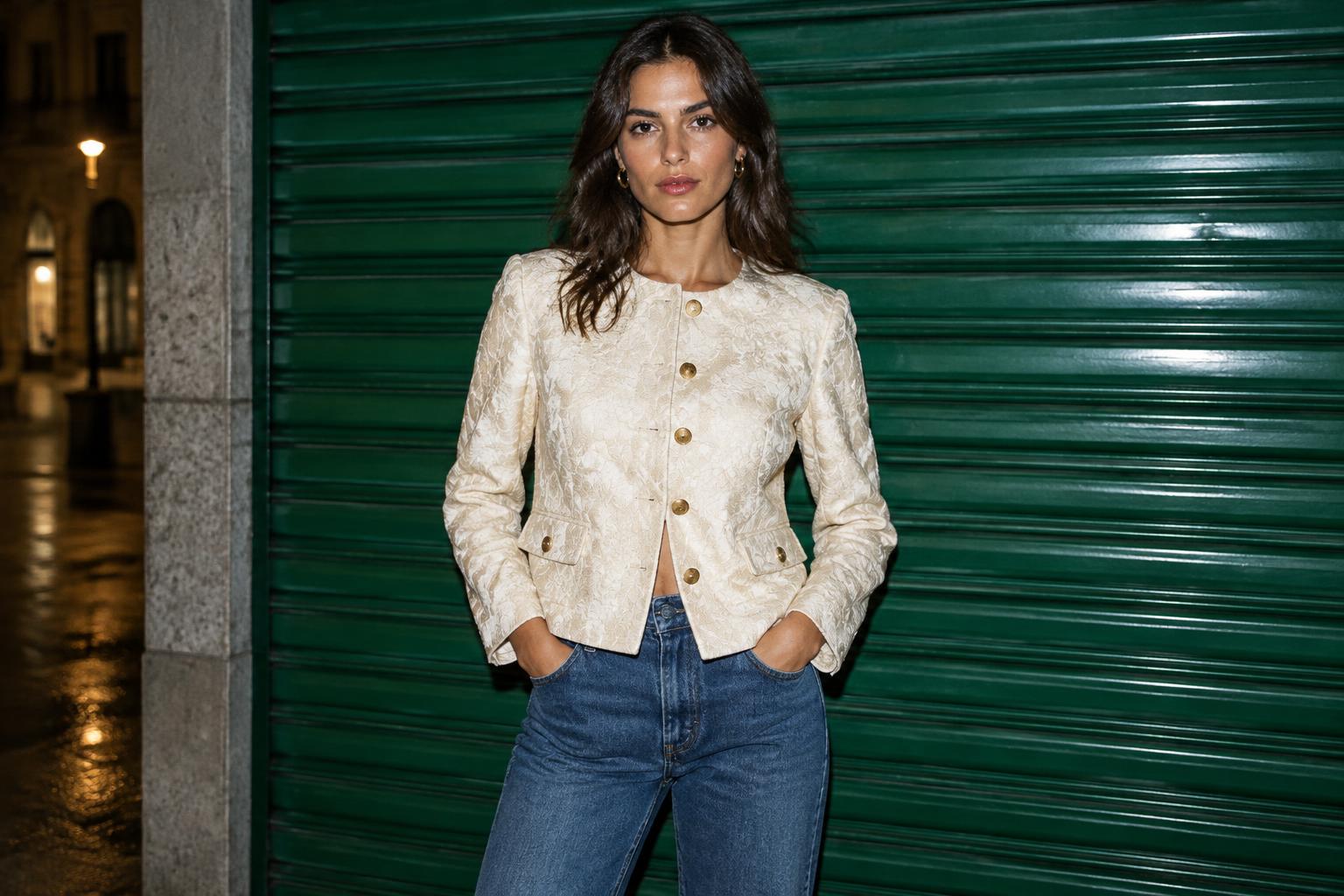
If you are building a travel wardrobe around them, a good pair of jeans for women in a dark wash works with almost any sneaker and photographs well in every city.
How to Test and Break In a New Pair
A few simple checks can save you a return.
- Walk on a hard surface. Carpet hides problems. Try the shoes on tile or pavement for several minutes.
- Go up and down stairs. Your heel should stay seated and your toes should not jam forward on descent.
- Check the insole. If it is removable, you can replace it with a more supportive one later, which is useful if you use orthotics.
- Look at the seams inside. Rough stitching near the toes or ankle can cause blisters.
- Wear them indoors first. Many retailers accept returns of unworn shoes, so protect the soles until you are sure.
Breaking in should feel like a gentle settling, not pain. If a shoe hurts in the first hour, it is rarely going to improve. Leather and some structured uppers do soften, but sharp pressure on a bone or a toe is a sign the shape is wrong for your foot.
Budget Tiers: What You Get at Each Level
Without chasing exact numbers, here is how to think about spending.
- Entry-level: serviceable cushioning and basic uppers. Good for occasional walking or as a backup pair. Expect them to compress and wear faster with heavy daily use.
- Mid-range: the sweet spot for most people. Better foam, more refined fit, more durable outsoles and often multiple width options.
- Investment: premium leathers, resoleable construction or advanced cushioning systems. Worth it if you walk every day or want a leather pair that lasts years.
A shoe at any tier can be the wrong one for your foot, so fit still outranks price. If you have persistent foot pain, a history of injury or a specific condition, a podiatrist or physical therapist can advise on features that suit your feet. That is a medical question, and no shoe guide can answer it.
Styling Walking Shoes So They Look Intentional
Comfortable does not have to mean casual. A few formulas make sneakers look sharp.
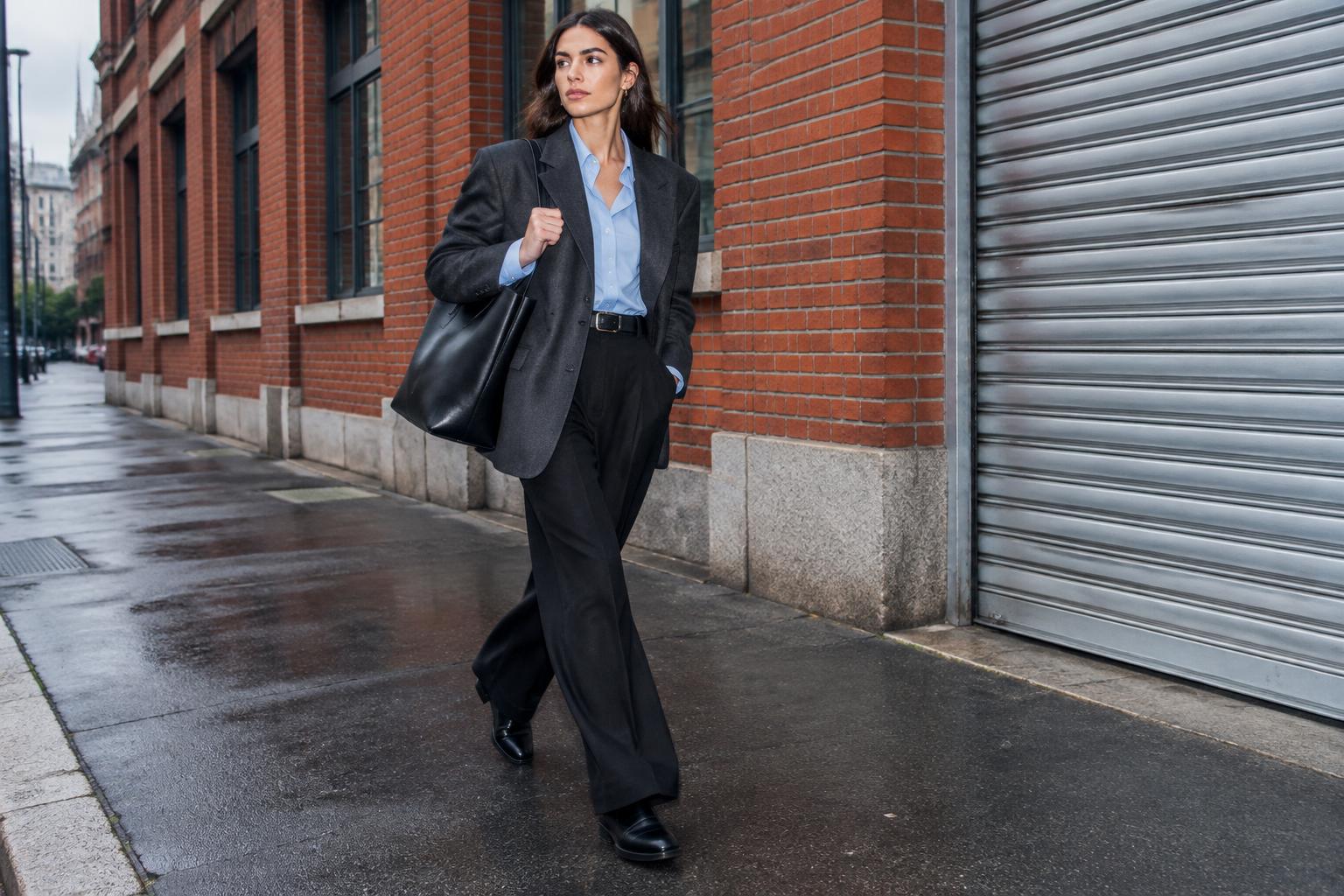
- Tailored pants plus a clean leather sneaker: add a crisp shirt or fine-knit sweater and a structured coat.
- Slip dress, cardigan and a low-profile white sneaker: the contrast of soft fabric and sporty shoe feels current.
- Straight or wide-leg jeans, a tee and a technical sneaker: keep the hem just off the ground so the shoe shows.
- Midi skirt with a chunky-soled walking shoe: a longer hem balances the sole's volume.
If your walking pair is a bit sporty, match the rest of your outfit to its color. A gray sneaker with a gray knit looks deliberate. For the days you want a more polished look without sacrificing ease, take a look at the best loafers for women or the best ballet flats, both of which suit shorter distances and office settings.
Caring for Your Shoes
Walking shoes wear out from the inside first, so do not judge them by how they look. When the midsole feels flat or you notice new aches after walks, it is probably time to replace them. Rotating two pairs gives foam time to recover between wears.
- Let damp shoes dry at room temperature, away from direct heat, which can warp glue and foam.
- Remove insoles to air them out.
- Clean knit uppers with a soft brush and mild soap, and wipe leather with a damp cloth followed by a conditioner now and then.
- Keep laces snug but not tight, and re-lace if you feel pressure on the top of the foot.
Frequently Asked Questions
What features matter most in the best walking shoes for women?
Fit, a flexible forefoot, moderate cushioning and a grippy outsole matter most. Make sure your toes have room, your heel stays seated and the shoe bends at the ball of the foot instead of the arch.
Are running shoes good for walking?
Often yes, especially cushioned models, because they absorb impact and help you roll forward. The drawback is that very soft or tall soles can feel unstable. Try several and choose the one that feels steady under your whole foot.
How often should I replace walking shoes?
There is no fixed timeline, because it depends on your weight, how often you wear them and the surfaces you walk on. Replace them when the cushioning feels flat, the tread is worn smooth or you begin to notice new fatigue or discomfort.
Can I wear walking shoes with dresses and skirts?
Yes. Choose a clean, low-profile sneaker in a neutral shade, and balance proportions: a midi length or a relaxed knit on top keeps the look intentional instead of gym-adjacent.
What are the best travel shoes?
A broken-in, neutral-colored sneaker for daily sightseeing, plus a lighter slip-on or supportive sandal for variety. Always wear new pairs for several days before departure to find any rubbing.
The Short Version
Choose fit over fashion, test on hard floors, and match the shoe to your daily terrain. Once you have a pair that works, keep it in rotation with a second one and you will get more life from both. For more ideas across styles, browse all of our shoes coverage.