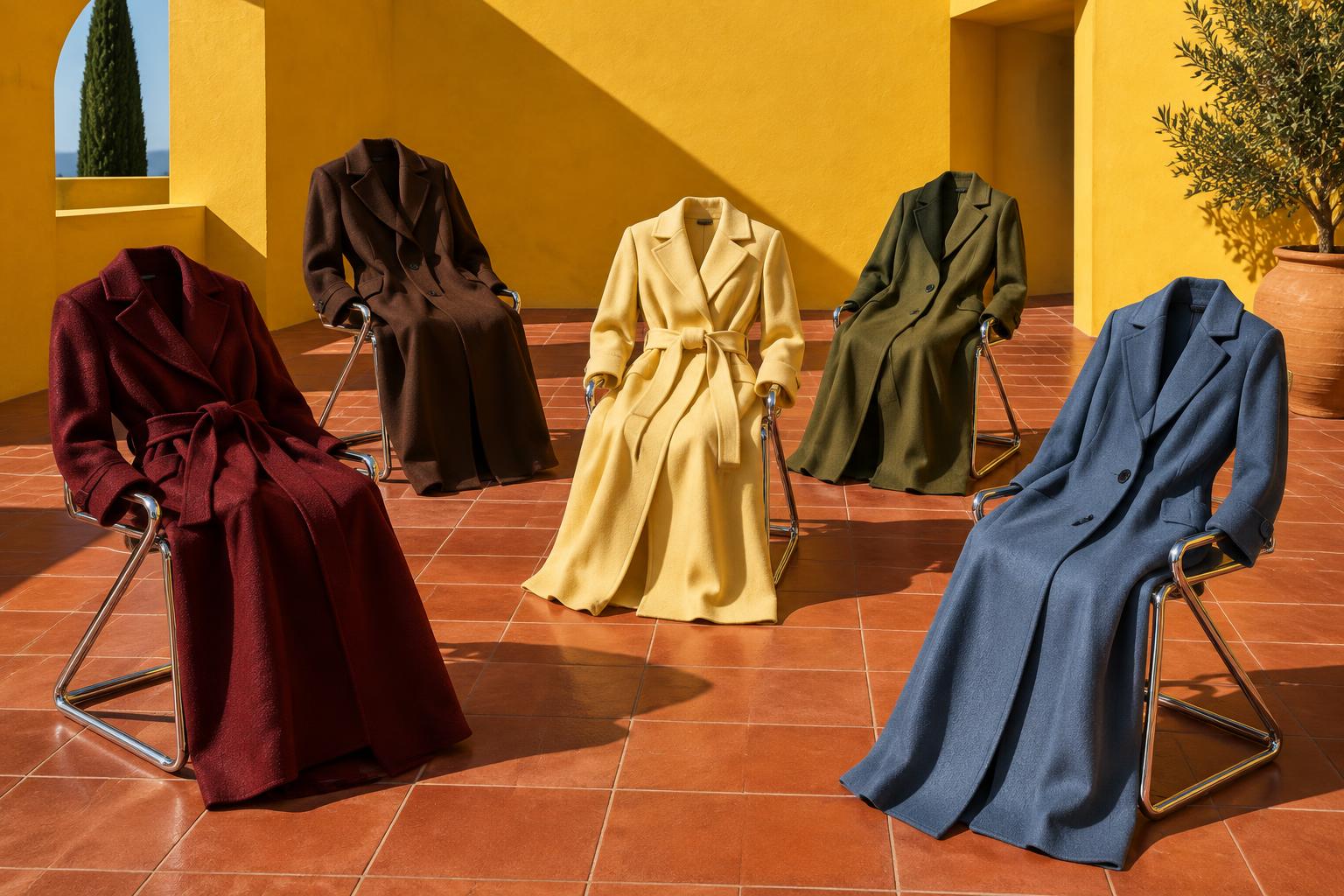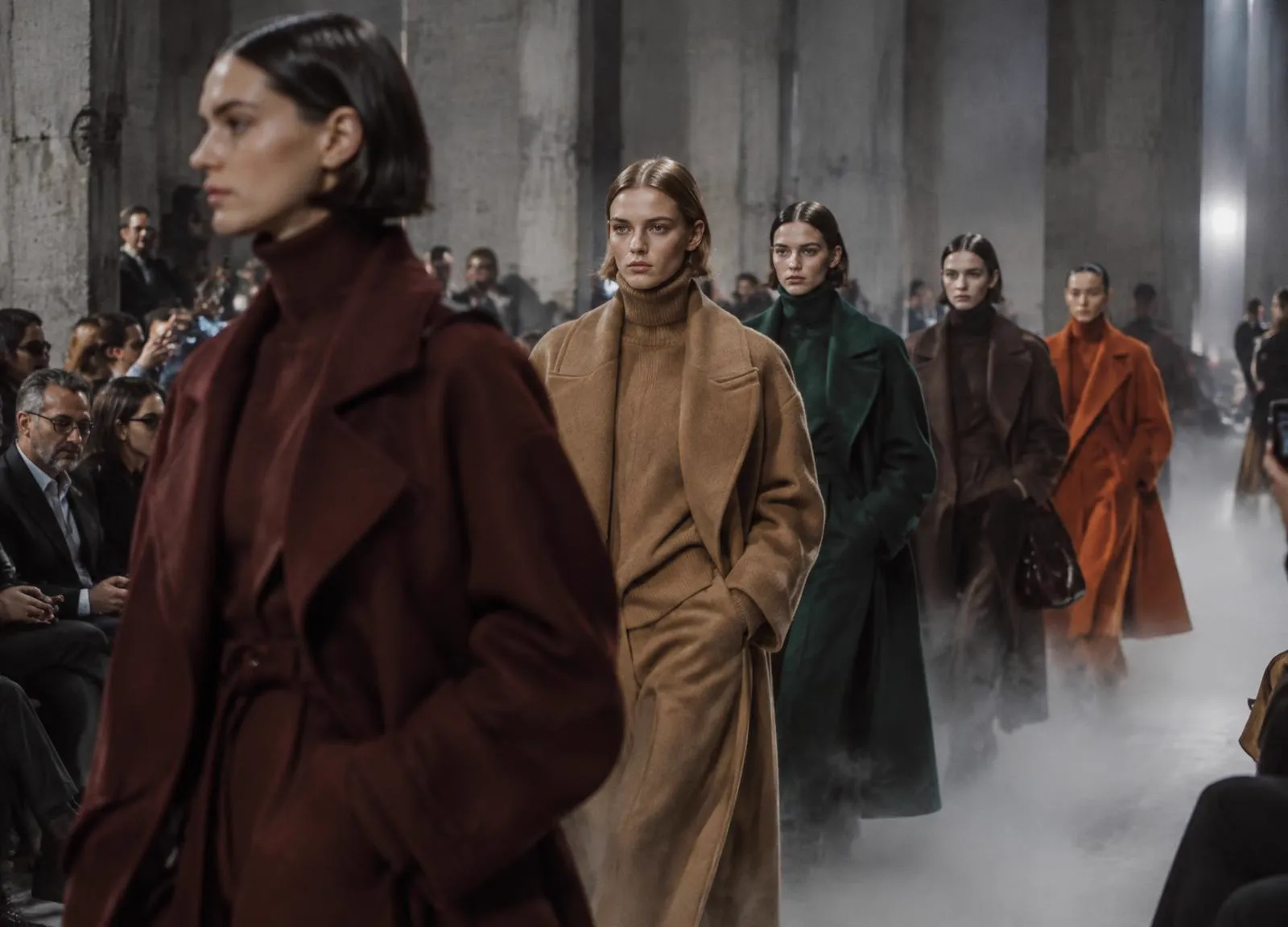
The best online clothing stores for women are not the ones with the biggest homepage banners. They are the ones that make it easy to buy the right size, understand the fabric before it arrives, and return what does not work without a fight. This guide sorts online fashion stores into types, explains who each type suits, and gives you a checklist for judging any site.
We do not rank individual retailers here. Assortments, sizing and policies change often, and a list of names goes stale within a season. What lasts is knowing which kind of store solves which problem, so you can decide where to shop clothes online for the piece you actually need.
How to judge an online clothing store
Before you add anything to a cart, run the store through five quick checks. A site that passes most of them is worth your time. A site that fails two or three is probably a gamble.
- Size information. Look for garment measurements (bust, waist, hip, length, inseam), not just "S, M, L." Model height and the size she wears are a useful bonus.
- Fabric detail. A product page should list fiber content in percentages and mention weight or texture. "Soft touch fabric" with no composition is a red flag.
- Photography. Several angles, a close-up of the fabric, and at least one shot that shows the item on a non-model body or in natural light tell you the brand is not hiding anything.
- Reviews with substance. The most helpful ones mention height, size bought, and whether the item ran small or large. Filter by those details when the site allows it.
- Return terms. Read the policy before you buy: the time window, who pays for return shipping, whether sale items are final, and whether you get a refund or only store credit.
The main types of online fashion stores
Not every retailer is built the same way, and the differences matter more than the logo. Here is how the landscape breaks down, and which shopper each type serves best.
Department stores and multi-brand retailers
These sites carry dozens or hundreds of labels in one place, usually across price tiers. They are the easiest way to compare options side by side and to build an outfit from several brands.
They suit shoppers who like browsing and want a wide net: workwear, special-occasion pieces, shoes and accessories in one order. The trade-off is that sizing varies from brand to brand, so read each label's fit notes rather than assuming your usual size.
Direct-to-consumer labels
A direct-to-consumer brand sells only its own designs through its own site. Because it controls the whole process, its sizing is usually consistent, and basics such as tees, knitwear, pants and denim are often well documented.
This is a good route if you want a repeatable wardrobe core. Once you know your size in one style, you can reorder with confidence. The limitation is range: you may find a great blazer and nothing else you want.
Fast-fashion and trend-led platforms
Large, fast-turnover sites add new styles constantly and keep prices low. They work well for testing a micro-trend, buying an outfit for a single event, or filling a gap in a budget.
Quality and longevity are the compromise. Check fiber content closely, read reviews for comments on seams and transparency, and be wary of anything that looks very different between the product photo and customer photos. If you are building a budget wardrobe, our guide to the best affordable clothing brands goes deeper on value at lower price points.
Marketplaces and independent boutiques
Marketplace sites host many small sellers, which is where you find vintage, handmade and one-off pieces. Independent boutiques curate a tighter point of view, often with a strong eye for a particular style.
These are rewarding for personality and hard-to-find items, but policies can differ by seller. Always check the individual shop's returns, shipping times, and how clearly it lists measurements.
Resale and secondhand platforms
Online resale has become a normal part of how many women shop. It is the best place to find investment pieces, such as a well-cut coat or leather bags and boots, for less than new, and it keeps good garments in circulation.
Condition grading is everything here. Look for clear photos of labels, hems and wear points, and for authentication or inspection details on higher-end items. If this is the part of fashion you care about most, read our roundup of the best sustainable clothing brands for more ways to shop with less waste.
Who each type of store is best for
Use this table as a shortcut when you are not sure where to start.
| If you want… | Start with | Watch out for |
|---|---|---|
| A broad range, brand comparison | Multi-brand retailers | Inconsistent sizing across labels |
| Reliable basics you can reorder | Direct-to-consumer labels | Narrow range |
| A cheap outfit for one occasion | Trend-led platforms | Fabric quality, see-through material |
| Something distinctive | Marketplaces, boutiques | Varying seller policies |
| Designer or quality pieces for less | Resale platforms | Condition and authenticity |
| Extended sizing | Retailers with dedicated size ranges | Limited styles at the top of the range |
Matching the store to what you are buying
The best place to buy depends as much on the garment as on your budget. A few rules of thumb help.
Basics (tees, knitwear, pants, denim). Fit and fabric matter more than novelty. Direct-to-consumer labels and multi-brand retailers with detailed measurements tend to be strongest. For denim in particular, the number of fits and washes on offer is the key factor, and we cover that separately in our denim buying guide.
Occasion and event wear. Here you want a generous return policy and enough lead time to exchange a size. Multi-brand retailers and rental or resale sites often have the widest choice.
Outerwear and tailoring. Structure is hard to judge online. Look for shoulder width, sleeve length and back length measurements, and buy from sellers that make returns easy, because these pieces often need a try-on.
Trend items. If you are experimenting with a shape or a color you may not wear for long, a lower-cost platform makes sense. Spend more only when you are confident the piece will last past the season.
Sizing: how to avoid the most common online mistake
Most returns come from fit, so it pays to treat sizing as a system rather than a guess.
- Measure yourself. Bust, waist, hips and, if you buy pants, inseam. Do it once, write it down, and keep it on your phone.
- Compare to garment measurements. If the store lists them, lay a similar garment you already own flat and measure it against the product page.
- Read the fit note. "Oversized," "relaxed," "true to size" and "cut small" all change what size you should order.
- Check the fabric stretch. Elastane or a knit construction gives you more margin than rigid woven cotton or linen.
- Use reviews as a calibration tool. Look for reviewers close to your height and shape.
If you are shopping extended sizes, check that the store's range is genuinely integrated and not an afterthought. Our guide to the best plus size clothing brands covers that topic in depth.
Shipping, returns and the fine print
A low price can disappear once you add return shipping or a restocking fee. Before you check out, confirm these points:
- Return window. Thirty days is common, but the clock may start at the order date rather than delivery.
- Return cost. Some retailers offer free returns, some deduct a fee, and some require you to pay for the label.
- Refund method. Original payment, store credit or exchange only can be very different outcomes.
- Final-sale items. Sale and discount categories are often excluded.
- Condition rules. Tags attached and unworn is the usual standard. Try items on at home over a clean floor, and keep the packaging.
Also pay attention to shipping times at the busiest points of the year, around the holidays and big sale weekends, when delays are more common.
Spotting a store you should not trust
Most reputable stores are easy to recognize, but a few warning signs are worth knowing.
- No physical address, phone number or clear contact details.
- Prices that look implausibly low for the claimed quality or brand.
- Photos that look copied from other brands or editorial shoots, with no customer images.
- Vague or missing return and privacy policies.
- Pressure tactics such as aggressive countdown timers or constant "only one left" messages.
When in doubt, pay with a method that offers buyer protection, and search the store name alongside the word "reviews" in independent places before you order.
Building a smart shopping routine
You will get the most from online shopping if you treat it like a process.
- Keep a short list. Write down what you need before browsing, so you shop for gaps rather than for the thrill of the scroll.
- Use wish lists and wait. Saving an item for a few days is a good test of whether you really want it.
- Order one size up and down only when necessary. Bracketing creates returns and waste. Use measurements to reduce it.
- Check the cost per wear. A well-made jacket worn a hundred times beats a trendy one worn twice.
- Review your wardrobe each season. Notice which stores gave you the pieces you reach for most, and shop there first next time.
For a wider view of the labels behind the stores, see our guide to the best clothing brands for women, and for more retailer-led advice browse the full Brands & Retailers section.
Frequently asked questions
What makes an online clothing store trustworthy?
Clear contact details, detailed product measurements, fiber content on every listing, and a plainly written returns policy are the main signals. Independent customer photos and reviews that mention fit also help. If any of these are missing, proceed with caution.
Where should I start if I do not know my size?
Take your own measurements and compare them with each store's size chart, then read the item's fit notes and reviews from people with a similar height. Stretch fabrics are more forgiving, so start with knits and jersey before tailored pieces. Treat a new store's sizing as unknown until your first order arrives.
Is it better to buy from a multi-brand retailer or directly from a brand?
Multi-brand retailers are better for comparing options and building a whole outfit in one order. Buying directly from a brand usually means more consistent sizing and fuller information about its own designs. Many shoppers use both, depending on the item.
How can I reduce returns when I shop online?
Use garment measurements rather than size labels alone, read fit notes, and check fabric stretch. Choose items with a clear review history, and order only the sizes you genuinely need. Keep a note of the size that works in each brand.
Are resale sites a good place to find quality clothing?
Yes, particularly for outerwear, tailoring, leather goods and designer pieces. Look for clear photos of labels and wear points, accurate condition descriptions and authentication details on higher-end items. Check the return policy, since some resale platforms are stricter than new-clothing retailers.
The short version
The best online clothing stores for women are the ones that match your priorities: range, fit consistency, price, or sustainability. Choose the store type that fits the garment, check measurements and return terms before you buy, and keep notes on what works. Over a few orders, you will build a short, reliable list of places to shop clothes online without second-guessing.