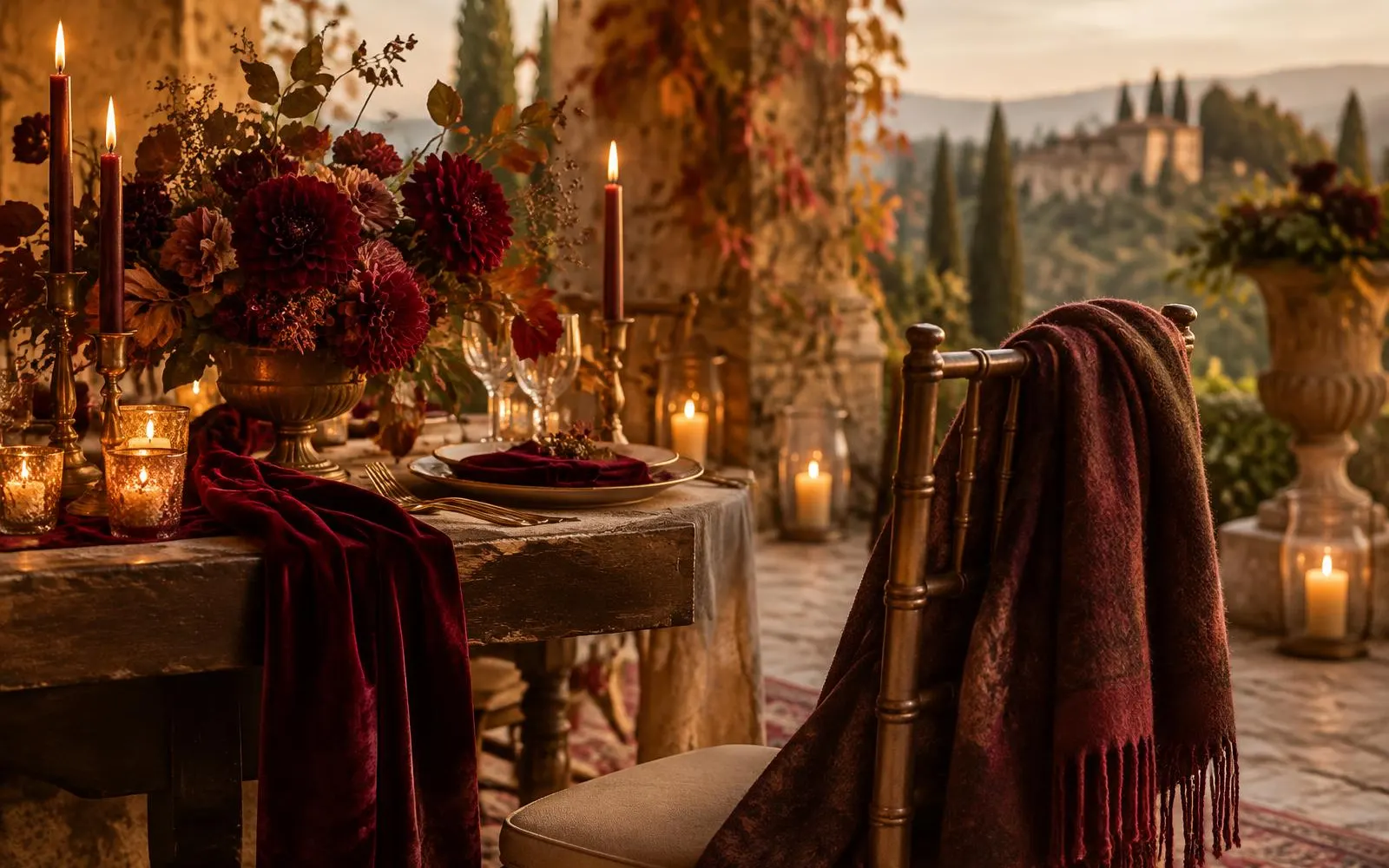
Arabic perfumes for women are known for warmth, depth and staying power. They draw on ingredients such as oud, amber, musk, rose, saffron and vanilla, and they come in formats that range from modern eau de parfum to concentrated oils. For many shoppers, the appeal is a scent that feels rich and personal.
This guide is a practical introduction to the category. It explains what people usually mean by the term, the main scent styles, how formats differ, and how to test and wear these fragrances well. It avoids naming specific products, which change, and it treats the tradition with care: "Arabic" covers many regions and tastes, so think of it as a family of styles, not a single type. For more fragrance reading, visit our Fragrance hub.
What defines the category
In shopping terms, "Arabic perfumes" or "Middle Eastern fragrances" usually refers to scents from perfume houses based in the Middle East or inspired by the region's fragrance culture. Perfumery has a long history there, and ingredients like oud, rose, amber and musk are strongly associated with it.
Several traits often come up:
- Rich, warm compositions. Many lean toward amber, woods, spices and sweet or resinous notes.
- Strong longevity. Heavier bases and higher concentrations can make these scents last.
- Generous projection. Some are designed to be noticed, though many modern options are more subtle.
- Varied formats. Alongside sprays, you may find perfume oils, often called attars, and incense used to scent clothing and homes.
Not every fragrance from the region fits these traits, and many Western houses make scents in a similar style. Treat the traits as a guide, not a rule.
How we chose: criteria for scents worth discovering
We do not recommend individual bottles or quote prices. These are the standards we use to evaluate any fragrance in this style.
- Balance. A good rich scent should have structure, not just heaviness.
- Quality of materials. Oud, rose and amber accords can be done well or poorly. Smoothness is a good sign.
- Longevity and projection. Test over a full day, as performance depends on your skin and the weather.
- Wearability. Choose something you can wear in your everyday life, not just on special nights.
- Seller reliability. Buy from reputable sources to avoid counterfeits.
- Transparency. Note lists, concentration and size should be clear.
Notes and styles to know
Oud
Oud comes from agarwood and has a deep, woody, sometimes smoky or animalic character. Modern fragrances often soften it with rose, vanilla or amber. If you have not tried oud before, start with blends where it plays a supporting role.
Amber and resins
Warm, balsamic and slightly sweet, amber accords create a cozy, enveloping feel. They are among the most wearable bases in this style.
Musk
Soft and skin-like, musk can be clean, sweet or powdery. White musk blends offer a gentle entry point.
Rose and florals
Rose is central to many compositions, from fresh and dewy to dark and jammy. Saffron, jasmine and orange blossom also appear frequently.
Vanilla and gourmand
Sweet, creamy blends featuring vanilla, dates, honey or nuts are popular for their comfort. Our guide to the best vanilla perfume explores this family in more detail.
Incense and spice
Notes such as frankincense, cardamom, cinnamon and saffron add warmth and complexity. They tend to suit cooler weather.
Formats: sprays, oils and incense
| Format | What it is | Good for |
|---|---|---|
| Eau de parfum | Alcohol-based spray, most common | Everyday and evening use |
| Perfume oil (attar) | Concentrated, usually alcohol-free oil applied to skin | Close, long-lasting wear and layering |
| Body mist or lighter spray | Gentler, lower concentration | Warm weather and a softer touch |
| Bakhoor and incense | Scented wood chips or incense burned to perfume air and clothing | Home and fabrics, not skin |
Perfume oils are applied in tiny amounts and sit closer to the skin. They can be a gentle way to test a rich scent. Incense should be used with care and good ventilation, following the seller's instructions.
Who each style suits
- If you love warm and cozy: amber, vanilla and soft musk blends.
- If you want something floral with depth: rose with oud, saffron or patchouli.
- If you prefer quiet scents: white musk, light woods and powdery florals.
- If you like bold and dramatic: oud-forward, smoky or spicy compositions.
- If you dislike sweet scents: look for dry woods, incense and leathery notes.
Longevity and projection considerations
Rich bases generally last longer than citrus and light florals. Skin type matters: dry skin may absorb fragrance quickly, so moisturizing before applying helps. Because many Arabic-style fragrances project strongly, one or two sprays are often enough. Apply to pulse points, and avoid rubbing. If you are worried about overpowering colleagues, try applying to the back of the neck or lightly on clothing that is not delicate. Our guide to EDT vs EDP explains how concentration affects wear.
Starting points for beginners
If rich fragrance is new to you, begin with the gentlest versions of each family and move toward bolder ones as your nose adapts.
- Start with white musk or soft amber. These are close to the skin and rarely overwhelming.
- Move to rose or vanilla blends with a hint of wood. They add depth without heaviness.
- Try oud only in a supporting role at first, paired with florals or sweetness.
- Explore incense and spice last, since these are the most distinctive and the most polarizing.
Take your time. A fragrance that seems strong on the first day can feel comforting by the third, and the reverse is also true. Wearing a sample for several days gives you a more honest verdict than a quick test at the counter.
Seasons and occasions
Warm, resinous scents are naturally at home in autumn and winter, when cold air softens projection and sweetness feels welcome. In summer, choose lighter musks, airy florals or a perfume oil applied sparingly, since heat amplifies everything. For daytime and the office, pick a close-to-skin blend; save the smoky, spicy or oud-heavy options for evenings and gatherings. Keeping two or three styles in rotation lets you match mood and weather without overthinking.
Price and value
Prices vary widely, so we describe tiers instead. Entry-level options include body mists, smaller bottles and lighter concentrations. Mid-range includes many eau de parfum sprays with good performance. The investment tier covers rare materials, extrait concentrations and collector bottles. Because many of these scents are strong, a small amount can go far, which can improve value per use. For ways to find similar styles at lower cost, see our guide to perfume dupes.
How to test and buy
- Sample first. Many sellers offer decants or discovery sets.
- Test on skin and wait. These scents develop over hours.
- Try in different weather. Heat can intensify sweet and resinous notes.
- Check the concentration and format. Oil, spray and mist behave differently.
- Buy from authorized sellers. Watch for suspicious pricing and packaging.
- Check return policy. Opened fragrance is often final sale.
Wearing and layering
Because many of these fragrances are rich, simple layering works well. A matching or neutral body lotion extends wear. A light oil under a spray can deepen a scent. However, avoid combining too many strong scents at once. Start with one and build slowly. Store bottles away from heat and sunlight, with the cap on tightly.
How this style compares with other fragrance categories
If you are deciding between directions, it helps to see where this one sits. Arabic-style scents tend to be warmer and more persistent than many mainstream fresh florals. By contrast, if you want an artisanal, offbeat approach, our guide to the best niche perfumes for women shows a different route. For a broader view, start with the best perfume for women guide.
Mistakes to avoid
- Overapplying. Rich fragrances need less than you think.
- Judging by the opening. Wait for the dry-down.
- Assuming all are heavy. Many modern options are light and wearable.
- Buying blind from unknown sellers. Counterfeits are common in popular categories.
- Generalizing. The category is diverse; try several styles.
- Ignoring sensitivities. Strong materials can irritate some skin. Patch test, and consult a doctor if you react.
Frequently asked questions
What are Arabic perfumes?
The term usually refers to fragrances from Middle Eastern perfume houses or inspired by regional traditions. They often feature oud, amber, musk and rose, and come as sprays, oils or incense.
Are Arabic perfumes long lasting?
Many are, thanks to rich bases and higher concentrations, but performance depends on the formula and your skin. Test a sample for a full day.
Are Arabic perfumes only for evenings?
No. Heavy, smoky styles suit evenings, but many options are light, musky or floral and wear easily in daytime. Choose by scent family and apply sparingly.
What is the difference between perfume oils and sprays?
Oils are concentrated, usually alcohol-free and applied in small amounts directly on skin. Sprays are alcohol-based and project more widely. Oils tend to sit closer to the body.
Final word
Arabic perfumes for women offer a world of warm, expressive scents, from soft musks to deep oud. Learn the main notes, choose the format that suits your life and sample before buying. Start small, apply lightly and let the dry-down tell you what you love.