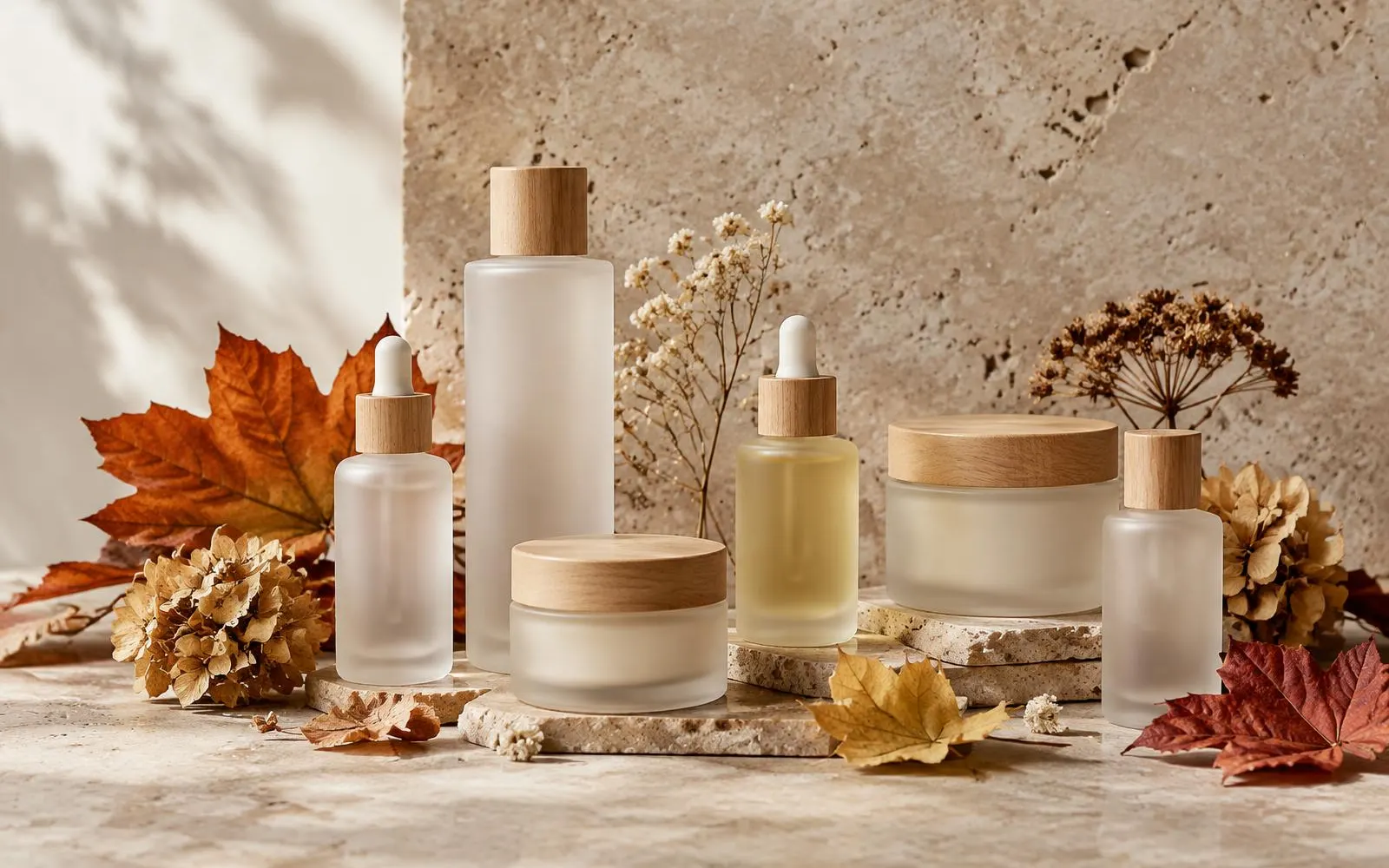
The best drugstore skincare does not need to cost much to work well. A gentle cleanser, a moisturizer that suits your skin, and daily sunscreen form the core of an effective routine, and all three are widely available at drugstore level. The skill lies in choosing the right formulas and not buying more than you need.
This guide explains how to shop the drugstore skincare aisle wisely. It covers the essentials, how to choose by skin type and concern, how to read labels and how to introduce active ingredients safely. For more shopping advice, visit our Beauty Brands & Retailers hub.
How we chose: the criteria for drugstore skincare
We do not rank individual products, because formulas change. Instead, we evaluate affordable skincare by these standards.
- Gentle, effective basics. The best cleansers and moisturizers do their job without irritation.
- Clear purpose. Labels should state what the product is for and how to use it.
- Skin-type suitability. Formulas should clearly target dry, oily, combination or sensitive skin.
- Reasonable ingredient lists. Useful ingredients, no unnecessary irritants for sensitive skin.
- Sensible packaging. Pumps and tubes keep products cleaner than open jars.
- Value per use. Larger sizes can be good value if you will finish them in time.
- Reliable supply. Easy to find means easy to stick with a routine.
The essentials: your core routine
Cleanser
A good cleanser removes dirt, oil and sunscreen without leaving skin tight. Gel and foaming cleansers suit oily skin, while creamy or lotion cleansers suit dry or sensitive skin. If you wear makeup or heavy sunscreen, consider cleansing twice at night.
Moisturizer
Moisturizers help skin retain water and feel comfortable. Lightweight gels and lotions suit oily or combination skin; richer creams suit dry skin. Look for ingredients such as glycerin and ceramides if you want barrier support.
Sunscreen
Daily sunscreen is the most important step for protecting skin. Choose a broad-spectrum formula that you enjoy wearing, since the best sunscreen is the one you use consistently. Apply generously and reapply as directed on the label.
Optional extras
Once you have the three basics, consider a targeted product for one concern at a time, such as an eye cream, a gentle exfoliant or a treatment serum.
Choosing by skin type
| Skin type | Look for | Be careful with |
|---|---|---|
| Dry | Creamy cleansers, rich moisturizers, humectants | Harsh foaming cleansers and frequent exfoliation |
| Oily | Gel cleansers, lightweight oil-free moisturizers | Heavy creams and over-cleansing |
| Combination | Balanced gel-cream formulas | Using one very rich product everywhere |
| Sensitive | Fragrance-free, simple formulas | Many new products at once |
| Normal | Gentle, balanced basics | Overcomplicating the routine |
Choosing by concern
Dryness and tightness
Choose a gentle cleanser and a richer moisturizer. Ingredients such as glycerin, hyaluronic acid and ceramides support hydration. Avoid very hot water.
Excess shine and congestion
Look for lightweight, non-greasy formulas. Some people use gentle exfoliating ingredients, but introduce them slowly to avoid irritation.
Uneven tone and dullness
A consistent sunscreen routine is the foundation. Some formulas include brightening or exfoliating ingredients, but they should be introduced gradually.
Fine lines
Consistent sunscreen and moisturizer are the groundwork. Some people add retinoid products, available in various strengths. Introduce them slowly and ask a dermatologist or pharmacist if you are unsure.
Blemishes
Gentle cleansing and avoiding picking help. Some drugstore products target blemish-prone skin. If acne is persistent, painful or scarring, see a dermatologist, as over-the-counter products may not be enough.
Understanding active ingredients
You do not need every active, but it helps to know the common ones.
- Hyaluronic acid and glycerin: Hydrating ingredients that suit most skin types.
- Ceramides: Support the skin barrier.
- Niacinamide: A versatile ingredient often used for tone and oil balance.
- Vitamin C: Used for brightening and antioxidant support; formulas vary in stability and tolerance.
- Alpha and beta hydroxy acids: Exfoliating ingredients; start slowly and use sunscreen.
- Retinoids: Used for texture and signs of aging; can cause dryness and sensitivity, so introduce gradually.
- Benzoyl peroxide and salicylic acid: Common in blemish treatments; can be drying.
Introduce one new active at a time and give your skin a few weeks to respond. Using several strong actives together can cause irritation. If you are pregnant, nursing or have a skin condition, ask a doctor or pharmacist before starting active ingredients.
How to read a drugstore label
- Check the product type and claims. What does it say the product is meant to do?
- Look at the ingredient list. Ingredients are listed in order of concentration, from highest to lowest.
- Note fragrance and essential oils if your skin is sensitive.
- Check the period-after-opening symbol, which shows how long the product stays good once opened.
- Be skeptical of dramatic claims. Skincare supports skin health, but it does not reverse everything overnight.
Building a routine by budget tier
We do not quote prices because they shift. Think of tiers.
- Entry-level: Cleanser, moisturizer and sunscreen. Everything else is optional.
- Mid-range: Add a targeted treatment or exfoliant for one specific concern.
- Premium drugstore: Higher-priced lines may add refined textures or more complex formulas. Choose selectively.
Often the most valuable change is consistency, not an expensive product. A simple routine used every day beats a complicated one used occasionally.
Where drugstore skincare is a smart buy, and where to look elsewhere
Drugstores are especially good for cleansers, moisturizers, sunscreens and basic treatments. For complex concerns, professional recommendations or specialized lines may be worth exploring. Our guide to the best skincare brands explains how to evaluate companies across all price levels.
Pairing skincare with makeup and hair
Skincare and makeup work together: a well-prepared base improves how cosmetics look and wear. If you want to apply the same value-focused approach to color cosmetics, see our guide to the best drugstore makeup and our overview of the best makeup brands. For your hair, our guide to the best hair care brands uses similar criteria.
Sunscreen: the one place not to cut corners on habit
Sunscreen is the product people most often skip and the one dermatologists most often emphasize. At the drugstore, you will usually see mineral and chemical formulas, along with lotion, gel, stick and spray formats. None is automatically better; the right one is the formula you will apply generously and reapply when needed.
- Dry skin: creamy lotions often feel most comfortable.
- Oily or blemish-prone skin: lightweight gels or fluids that do not feel greasy.
- Sensitive skin: fragrance-free formulas, and many people find mineral options gentler.
- Over makeup: sticks and mists can help, but they work best as a top-up, not as your only layer.
Check that the label says broad-spectrum, and follow the directions on the package.
A simple morning and evening routine
A basic structure keeps things clear.
| Time | Steps |
|---|---|
| Morning | Rinse or gentle cleanse, moisturizer, sunscreen |
| Evening | Cleanse (twice if wearing makeup or sunscreen), then moisturizer; add one targeted product on chosen nights |
Add new products slowly. If you notice stinging, redness or persistent dryness, scale back to the basics and give your skin time to settle.
When to spend a little more
Cleansers rinse off, so there is little reason to splurge on them. Products that stay on your skin, such as moisturizer, sunscreen and treatments, are where texture and formula refinement matter more. If a drugstore option feels sticky, pills under makeup or leaves a white cast you dislike, trading up within the aisle is reasonable. The goal is a routine pleasant enough that you do it every day.
Safe skincare habits
- Patch test new products on a small area for a few days.
- Introduce one product at a time.
- Use sunscreen every day, especially if you use exfoliating actives or retinoids.
- Wash hands before applying products.
- Do not overdo it. More steps do not guarantee better skin.
- Seek professional advice for persistent problems. A dermatologist can diagnose and treat conditions that products cannot.
Frequently asked questions
Is drugstore skincare as good as expensive skincare?
For essentials like cleansers, moisturizers and sunscreen, often yes. Pricier products may offer different textures, scents or specialized formulas, but effectiveness depends on ingredients and consistent use, not price alone.
What is the minimum skincare routine?
A gentle cleanser, a moisturizer and a daily sunscreen. That covers the essentials. Add other products only to address a specific concern.
How long does it take to see results?
It varies by product and concern. Hydrating products can make skin feel better quickly, while targeted treatments often take several weeks of consistent use. Stop if you notice irritation and see a professional if it persists.
Can I use several active ingredients together?
It is best to introduce one at a time and give your skin time to adjust. Combining strong actives can cause irritation. If you are unsure, ask a dermatologist or pharmacist.
Final word
The best drugstore skincare is simple, gentle and used every day. Start with cleanser, moisturizer and sunscreen, add one targeted product at a time, and read labels with a healthy dose of skepticism. A short routine you actually follow will do more for your skin than a long one you abandon.