Dressing in a single color is one of the oldest tricks for looking polished in a hurry. It makes you look taller, it makes inexpensive pieces look more considered, and it takes the guesswork out of getting dressed. Done badly, though, it can look flat, like a uniform you forgot to think about.
This guide explains how to build monochrome outfits that look rich and intentional rather than one-note. You will learn the difference between monochrome, monochromatic and tonal outfits, the core formulas, how texture and shade do the heavy lifting, and how to adapt the look for the office, evenings and every season.
Whether you want to master the all black outfit or try head-to-toe cream, camel or cobalt, the principles are the same.
Monochrome, monochromatic and tonal: what's the difference?
The terms are often used interchangeably, and in everyday fashion talk that is fine. But knowing the nuance helps you choose your approach.
- Monochrome: strictly, one color from head to toe, often in the same or very close shade. All black, all white or all red.
- Monochromatic outfits: one color family, worn in different shades and tints. Navy, cobalt and powder blue together, for example.
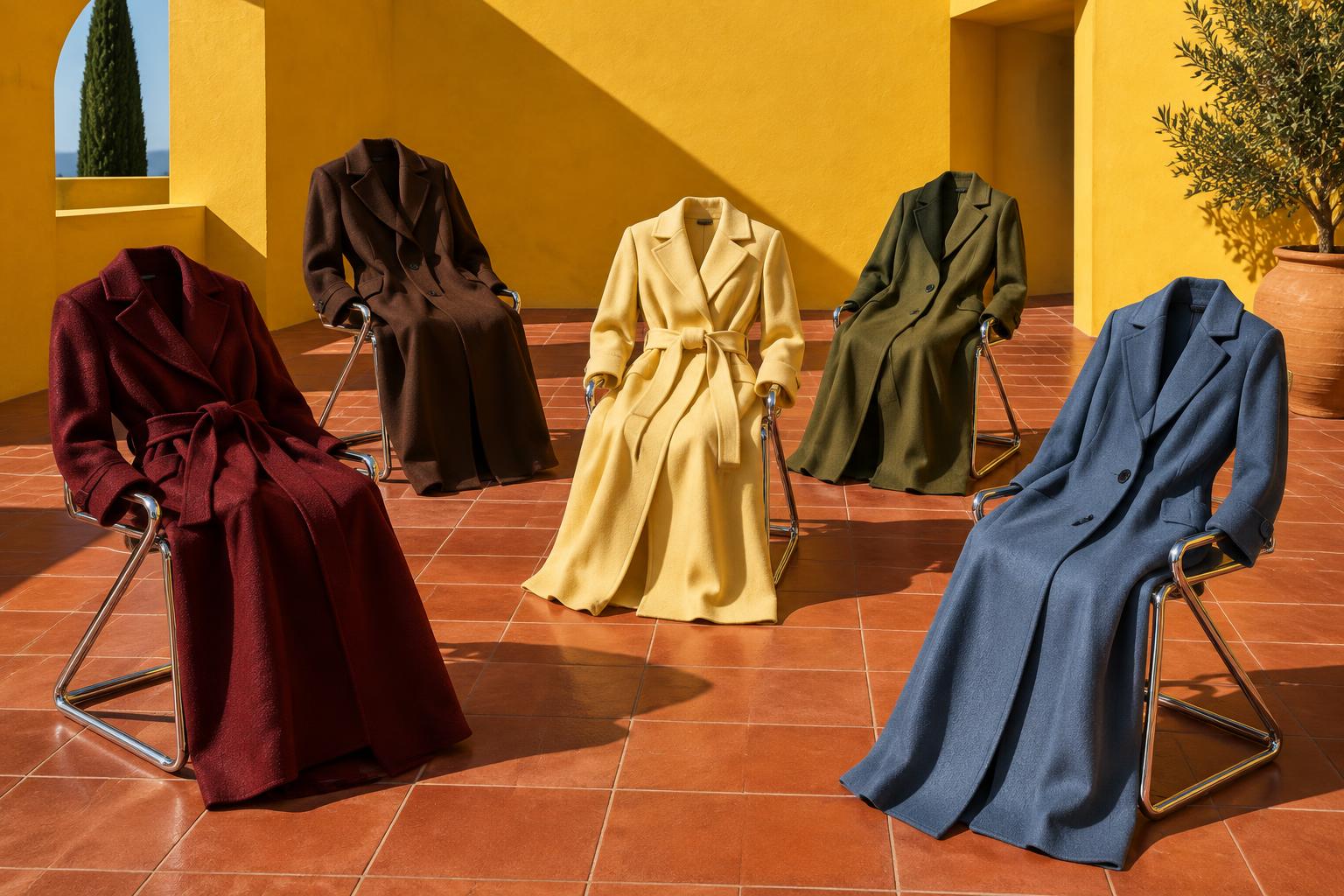
- Tonal outfits: closely related neighboring colors with similar depth. Camel, caramel and chocolate, or sage, olive and moss.
All three create a long, unbroken line. The difference is how much contrast you allow.
Core monochrome outfit formulas
1. The all black outfit
The easiest entry point, and a city classic. Black jeans or pants, a black knit or tee, a black coat or jacket, black boots. The secret is mixing finishes: matte wool, glossy leather, soft cotton and a hint of silk.
2. Winter whites
Cream knit, ivory wide-leg pants, an off-white wool coat. Mixing slightly different whites (snow, ecru, oatmeal) looks richer than one exact shade. Add tan or gold accessories for warmth.
3. Camel and brown tonal
Camel coat, caramel sweater, chocolate pants, cognac boots. Tonal browns are one of the most elegant ways into the look and suit most skin tones.
4. Gray on gray
Heather-gray knit, charcoal pants, a light gray coat. Gray looks modern and soft, and it is easy to build from basics you probably already own.
5. Bold single color
A red, cobalt, emerald or pink suit or knit set is a confident statement. Keep accessories neutral or in the same color, and keep the cut simple so the color does the talking.
6. Monochrome denim
Denim shirt and jeans in matching or near-matching washes is a casual monochrome look. Add a belt to break the line at the waist.
Practical combinations
| Palette | Key pieces | Finish with | Best for |
|---|---|---|---|
| All black | Turtleneck, pants, wool coat | Leather boots, silver jewelry | Office, evenings |
| Cream and ivory | Chunky knit, wide-leg pants | Tan bag, gold hoops | Winter weekends |
| Camel and brown | Coat, knit, pants | Cognac loafers | Work, travel |
| Gray | Hoodie, joggers, long coat | White sneakers | Casual city days |
| Cobalt or red | Tailored suit or knit set | Neutral heels | Events, presentations |
Styling details: how to avoid looking flat
Mix textures
This is the single most important rule. A monochrome outfit in one flat fabric looks like a uniform. The same color in contrasting textures looks expensive. Combine:
- Knit with leather.
- Silk or satin with wool.
- Denim with suede.
- Ribbed cotton with smooth poplin.
- Shearling or bouclé with crisp tailoring.
Vary shades slightly
Except for deliberate exact-match suits, small shifts in shade add depth. Pair a charcoal coat with a light gray knit, or chocolate pants with a camel sweater.
Play with proportion
When color does not create interest, shape can. Try a fitted knit with wide pants, an oversized coat over a slim dress, or a cropped jacket with a long skirt.
Use one accent sparingly
You do not have to stay strictly monochrome. A single accent, such as a tan bag with all black or a red lip with all white, keeps the look fresh. Metallic jewelry also counts as a quiet accent.
Shoes and accessories
- Shoes: matching the shoe color to the pants extends the line; a contrasting shoe makes a statement. Both work, but decide on purpose.
- Bags: in the same color for a seamless look, or a neutral leather tone for subtle contrast.
- Belts: a matching belt keeps the line long; a contrasting one draws attention to the waist.
- Jewelry: gold warms neutrals; silver sharpens black, gray and cool colors.
What to wear and what to avoid
Wear:
- Different fabrics and finishes in one color.
- Well-fitting pieces, since one color shows the shape clearly.
- Colors that flatter your skin tone near your face.
Avoid:
- Mismatched blacks or navies that look accidentally different, such as a faded black tee with crisp black pants. Either match closely or contrast clearly.
- One flat fabric from head to toe.
- Very sheer whites without the right underwear.
- Too many competing accents, which break the point of the look.
Monochrome dressing pairs well with other aesthetics. It is a cornerstone of old money outfits, where quiet camel and navy tonal looks dominate, and it can sharpen preppy outfits when you swap stripes for one confident color.
Seasonal and occasion variations
Fall
Brown, camel, burgundy and olive tonal outfits feel right as the leaves turn. Layer knits, suede and wool for texture.
Winter
All black and winter white are classic. Add texture with shearling, bouclé, chunky knits and leather boots.
Spring
Try soft pastels in a monochromatic way: lilac, butter yellow or pale blue in different tints. Light denim on denim also works well.
Summer
All white and all cream outfits in linen and cotton feel cool and crisp. A bold single color, such as a red linen set, makes a strong vacation statement.
Variations by setting
- Office: navy, gray, camel or black tailoring with a matching knit. Monochrome looks authoritative without being loud.
- Weekend: gray sweatsuit with a long gray coat, or tonal beige knit and jeans in a similar shade.
- Evening: all black with one shiny element, such as a satin skirt or leather pants.
- Events: a bold single-color suit or dress, styled with neutral or matching accessories. Check the dress code.
- Travel: a tonal black or navy outfit hides creases and stains well and looks put together on arrival.
Trend-inspired variations
Monochrome is an evergreen approach, but it adapts easily to other aesthetics. A head-to-toe metallic or pastel look nods to y2k outfits, while a minimal all black or all beige uniform with slip skirts and slim knits recalls the clean lines of 90s outfits. Pick the spirit that fits your style and keep the color discipline.
Building a monochrome wardrobe
If you want monochrome to be your everyday default, focus on depth in one or two colors rather than breadth.
- Pick a base color that suits your skin and lifestyle: black, navy, camel, gray or cream are the easiest.
- Collect textures in that color: a knit, a silky top, a tailored trouser, denim, a coat and leather accessories.
- Add a second tonal family later, so you can rotate.
- Keep accessories consistent, one metal tone and one or two leather colors.
Frequently asked questions
What is the difference between monochrome and tonal outfits?
Monochrome usually means one color from head to toe, often in very close shades. Tonal outfits use neighboring colors with similar depth, such as camel, caramel and chocolate. Both create a long, cohesive line.
How do I keep an all black outfit from looking boring?
Mix textures and finishes: leather, wool, silk, denim and knit. Play with proportion, and add one accent such as metallic jewelry or a tan bag. A well-fitting coat makes a big difference.
Do monochrome outfits make you look taller?
An unbroken column of one color does create a longer line, which tends to read as taller and leaner. Matching the shoes to the pants emphasizes the effect.
Which colors work best for monochromatic outfits?
Neutrals like black, navy, gray, camel and cream are the easiest. For a bolder look, try cobalt, red, emerald or pink. Choose shades that flatter your skin near your face.
Can I wear different shades of the same color together?
Yes. Varying shades within one color family adds depth and is the basis of monochromatic dressing. Just make sure the difference looks intentional, not accidental.
The takeaway
Monochrome outfits are less about color and more about texture, shade and shape. Commit to one palette, vary the fabrics and finishes, and let a single accent do the talking when you want one. For more style directions to explore, visit our Aesthetics section.