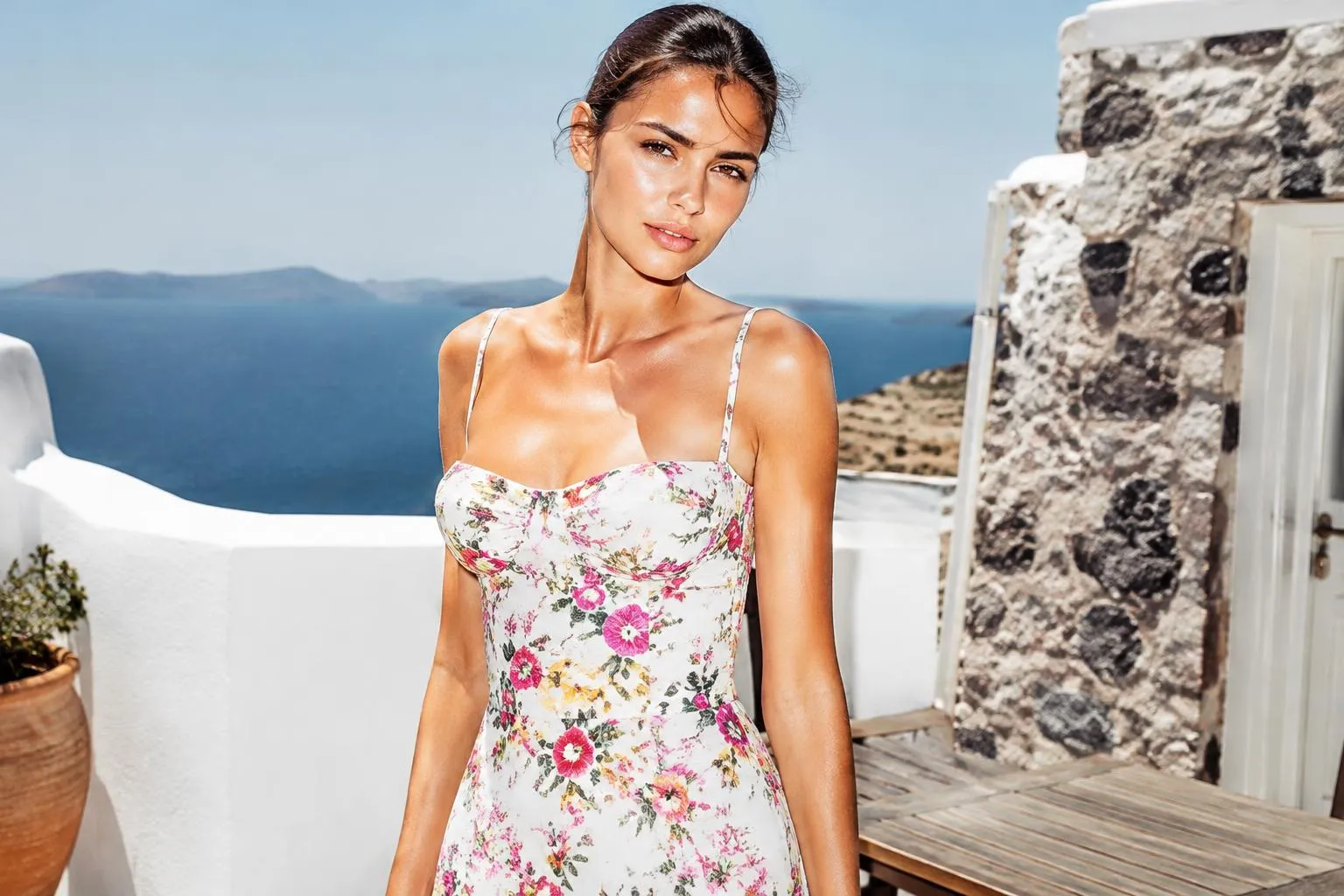
The butterfly haircut is a long, heavily layered cut built to give hair lift, movement and a soft frame around the face. Think of a blowout that holds its shape after the blow-dry is over. It is one of the easiest ways to refresh long hair without losing length.
This guide explains what makes a butterfly cut different from ordinary layers, who it flatters, how to ask for it, and how to style and maintain it at home. You will also find variations for different hair textures, so you can decide whether the butterfly cut fits your hair as it is.
What is a butterfly haircut?
A butterfly haircut combines two sets of layers. Long layers run through the back and lower lengths to keep the overall silhouette full. Shorter, face-framing layers start around the cheekbones or chin and sweep away from the face. Together they create a shape that, from behind and from the front, resembles open wings.
The cut is usually done on shoulder-length to long hair. The point is volume with movement, not a blunt, one-length finish. Where a lot of long hair can look flat and heavy at the ends, the butterfly cut redistributes weight so the hair bounces.
How it differs from other layered cuts
- Versus long layers: standard long layers are often subtle and uniform. Butterfly layers are more dramatic, with a clear contrast between the short front pieces and the longer back.
- Versus the shag: a shag haircut is choppier and works through the crown and sides, often with a rougher, rock-inflected finish. The butterfly cut is smoother and more blowout-driven.
- Versus the lob and bob: a lob haircut or a bob haircut is defined by a single length line, while a butterfly cut keeps the length and adds the layers.
Who the butterfly haircut suits
The cut is flexible, but it works best when you understand your own hair.
Hair types
| Hair type | How the butterfly cut behaves |
|---|---|
| Straight, medium to thick | Shows the layers clearly; holds a bouncy blowout well |
| Straight, fine | Adds the illusion of volume, but keep layers subtle so ends do not look thin |
| Wavy | Layers enhance the natural wave and add shape |
| Curly | Works best when cut curl by curl, so the layers stack instead of puffing |
| Coily | Needs a stylist who understands shrinkage; ask for a plan that builds shape gradually |
Face shapes
Face-framing layers can be adjusted for nearly any face shape, which is a large part of the cut's appeal.
- Round: begin the short layers below the chin to lengthen the face.
- Square: soft layers around the jaw reduce angles.
- Heart: start the short layers around the chin to add width where it is needed.
- Long: cheekbone-length layers add fullness at the sides.
- Oval: most options work; choose by preference.
How to ask for a butterfly cut at the salon
Terminology varies, so a clear picture and a few concrete requests help. Bring reference photos, ideally of hair with a similar texture to yours, and describe the result you want: voluminous, bouncy, face-framing.
Useful points to cover:
- Overall length: say how much length you are willing to lose. Most butterfly cuts can be done with a trim of the ends only.
- Where the short layers start: cheekbone, chin or collarbone. Higher is more dramatic.
- Bangs or no bangs: the butterfly cut often includes curtain bangs or a long, swept fringe. Curtain-style bangs blend smoothly into the face-framing layers, but a longer swept fringe works too.
- Texture: ask your stylist to thin lightly or remove weight if your hair is very thick.
- Maintenance: ask how it will look at four, eight and twelve weeks.
Butterfly layers: the technique behind the shape
You do not need to cut your own hair, but understanding the method helps you judge a good result. Stylists typically work in sections. The hair is often gathered into a high ponytail or divided into upper and lower sections, then cut with an angled line to create layers that graduate from short at the front to long at the back. The top section is then blended with the lower one, so the two sets of layers merge into a continuous shape.
A well-executed cut looks balanced when your hair is down and uncurled. If the layers look choppy or disconnected when you air-dry, ask the stylist to blend them further.
Ways to wear the butterfly haircut
The classic blowout
This is the style the cut was designed for. Dry your hair with a round brush, lifting at the roots and rolling the ends away from the face. A light mist of flexible-hold hairspray keeps the shape.
Soft waves
Loose waves emphasize the layers. Use a medium barrel curling iron, curling the face-framing pieces away from the face and the rest in alternating directions. Brush through gently for a relaxed finish.
Sleek and straight
On straight hair, a flat iron or smoothing blowout shows off the shape. Keep a little curve at the ends of the front layers so they do not hang flat.
Natural texture
Wavy, curly and coily hair can wear the cut air-dried. Use a curl cream or leave-in conditioner, scrunch, and diffuse on low heat if you want more volume.
Half-up styles
Pulling the top section back keeps the face-framing layers loose while the length stays tidy. Add a clip or a small claw for an easy, polished look.
For more everyday options with length, browse these hairstyles for long hair.
Styling at home: a step-by-step routine
Butterfly layers look best with a bit of direction. Here is a simple routine for a salon-style blowout:
- Start with clean, towel-dried hair. Apply a heat protectant and a lightweight volumizing mousse or cream.
- Rough dry until your hair is almost dry, using a nozzle to keep frizz down.
- Section your hair into upper and lower halves, clipping the top out of the way.
- Use a round brush to roll the lower section under or away from the face, then repeat on top.
- Set the face-framing layers last. Roll them away from the face and hold the brush in place for a few seconds as you dry.
- Cool the shape. A blast of cool air sets the style.
- Finish with a flexible hairspray or shine serum for smoothness.
If you are short on time, use Velcro rollers while your hair cools or a blow-dry brush for speed.
Maintenance and care
A butterfly cut holds its shape for a while, but the layers need occasional attention.
- Trims: a trim every eight to twelve weeks is a general guide, shorter if you want the face-framing pieces to stay crisp.
- Heat damage: layered ends are visible, so use heat protectant and keep tools at moderate temperatures.
- Conditioning: a weekly mask keeps ends smooth, especially on bleached or textured hair.
- Color: soft highlights or a lived-in color emphasize the layers. Heavy single-tone color can flatten them.
Who might want a different cut
The butterfly cut asks for some length to make sense. If your hair is chin length or shorter, the layers have little room to show. Very fine, very thin hair may look sparse if the layers are too short or too numerous; in that case a subtler layered cut is more flattering. If you prefer a no-styling routine, consider whether you will enjoy the blowouts the cut thrives on.
Frequently asked questions
What is a butterfly haircut?
It is a long, layered cut that pairs shorter face-framing layers with longer layers at the back. The overall effect is a voluminous, bouncy shape with soft movement around the face. It is usually done on shoulder-length to long hair.
Does the butterfly cut work on thin hair?
It can, but with caution. Ask for fewer, softer layers so the ends do not look sparse, and keep the shortest layers at or below the chin. A stylist can balance volume without removing too much density.
How often should I trim butterfly layers?
Every eight to twelve weeks is a common guideline. If your face-framing layers grow out of shape quickly, you can book a quick fringe or face-frame trim in between full appointments.
Is the butterfly cut the same as the shag?
No. Both are layered, but a shag is choppier and more textured, with shorter layers around the crown. The butterfly cut keeps more length and a smoother, blowout-friendly finish.
Final thoughts
The butterfly haircut keeps your length and gives it shape. Choose where the shortest layers start, tell your stylist how much styling you are willing to do, and pick a finish that suits your texture. For more cuts, colors and techniques, browse the full Hair section.