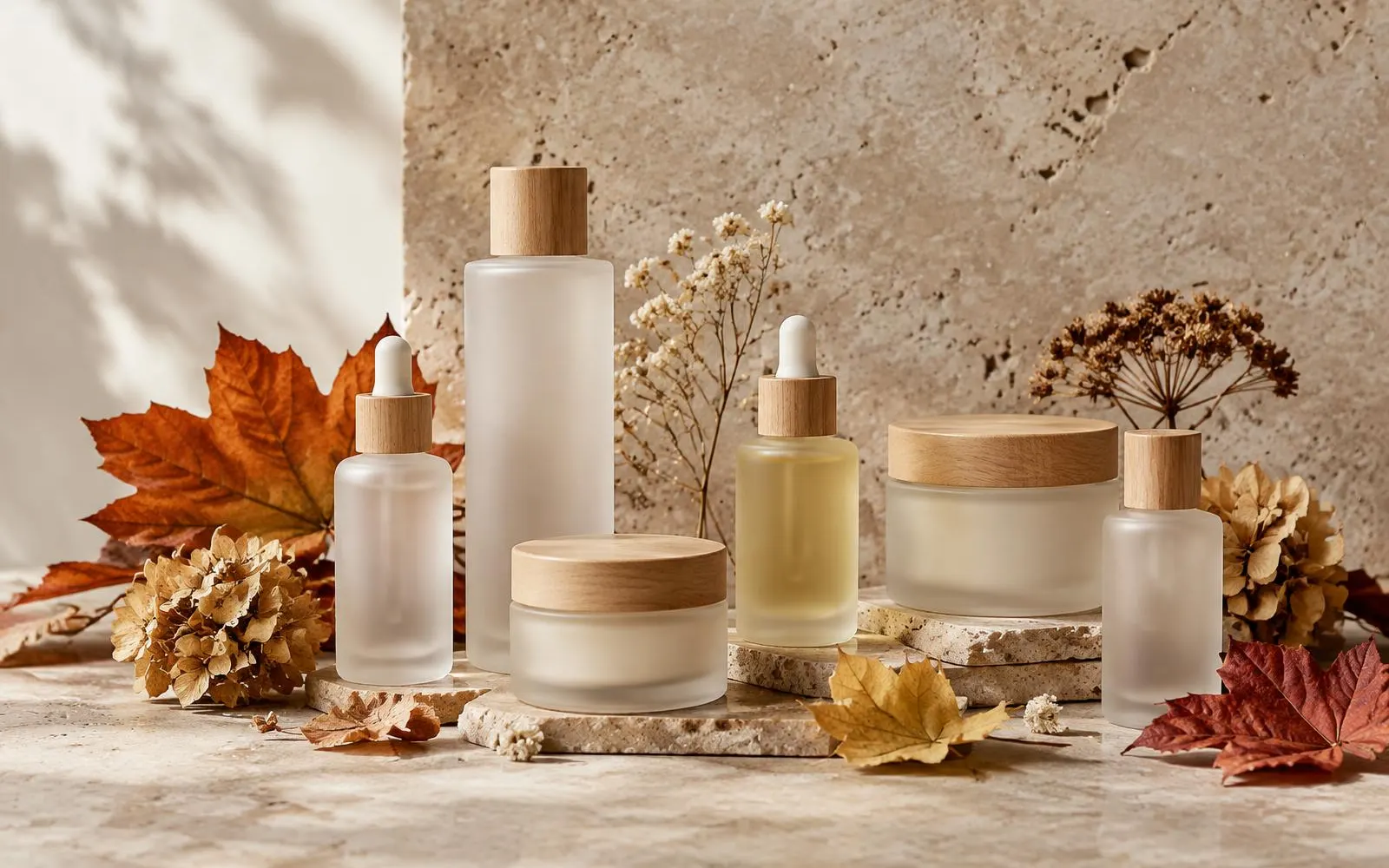
Knowing how to layer perfume is the easiest way to get a fragrance nobody else is wearing. Two or three scents, applied in the right order and in the right amounts, can read as one new composition that is entirely yours.
This guide covers the principles that make perfume layering work, a step-by-step method, combinations built from scent families, and the mistakes that turn a layered scent into a muddle. You do not need a big collection. Two bottles and a little patience are enough to start.
What perfume layering actually is
Fragrance layering means wearing more than one scent at the same time so they blend into a single impression. The layers can be perfumes, or they can be a perfume paired with a scented body wash, lotion, oil or hair mist.
Perfumers already work this way. A fragrance is built in layers of its own: bright top notes that fade in minutes, a heart that carries the character, and a base that lingers for hours. Perfume layering simply stacks one composition on another and lets you choose the pairing.
There are two reasons to do it. The first is personalization: a blend gives you a result no one else can buy. The second is practical. A fragrance that feels thin or fades quickly can be given depth and staying power by a richer partner underneath.
The principles that make a blend work
Before you spray anything, keep four ideas in mind. They explain almost every successful and failed combination.
Share a note, or contrast on purpose
The safest pairings have something in common: two scents with a citrus note, two with a woody base, two with a floral heart. The shared element acts as a bridge. The other route is deliberate contrast, such as a sweet gourmand under a sharp green scent. Contrast can be striking, but it needs a lighter hand.
Put the heavier scent underneath
Rich, warm bases such as vanilla, amber, musk, sandalwood and resins are the foundation. Light, fresh and airy scents go on top. Base notes are slower to evaporate and anchor the blend. Fresh top notes laid over them stay lively.
Let one scent lead
A good blend has a dominant partner and a supporting one. If both are loud, they compete. Choose which scent you want people to notice first, and apply the other more sparingly.
Mind the intensity
Two concentrated, projecting perfumes together can be overwhelming. Pair a strong scent with a quieter one, or use fewer sprays of each. If you are unsure how concentration affects strength, the difference between eau de toilette and eau de parfum is worth understanding, since parfum concentrations generally project and last longer.
How to layer perfume step by step
Here is a reliable method. Follow it the first few times, then adapt it to your taste.
- Start with a clean, lightly moisturized base. Fragrance clings to hydrated skin. An unscented lotion gives the first layer something to hold on to.
- Apply the base layer first. This is your heavier, longer-lasting scent, or a scented body product with a warm note.
- Use one or two sprays only. You can always add more. You cannot take it back.
- Wait a minute or two. Let the first layer settle so you can smell what it does on your skin.
- Add the lighter scent on top. Place it on a different spot, or the same one if you want a tighter blend.
- Wait and judge it properly. Give the combination at least fifteen to twenty minutes before deciding, because the top notes change quickly.
For placement and technique, such as pulse points and how far to hold the bottle, see our guide on how to apply perfume. The principles there apply to every layer.
Same spot or different spots
Layering on the same spot blends the scents more completely. Layering on different spots, for example one on the wrists and the other at the neck or on clothing, gives a softer, shifting effect where the scents meet as you move. Try both with the same pair; they can smell like two different fragrances.
Test on skin, not paper
Blotter strips are fine for a first impression of a single scent, but a blend is shaped by body heat and skin chemistry. Always test layers on skin. One wrist for the base layer and the other for the pair is a simple way to compare.
Layering options beyond two perfumes
You do not need two bottles of perfume. Several easier routes give a layered result with less risk.
- Scented body products plus perfume. A body wash, lotion or oil in a matching or complementary scent builds a quiet foundation, and the perfume sits on top with more staying power.
- Unscented base plus one perfume. An unscented moisturizer or oil makes any single fragrance last longer. It is not true layering, but it is the first step.
- Hair mist plus perfume. Hair holds scent well. A light hair mist with a perfume on the skin gives a soft trail without doubling the strength.
- Solid or oil perfume under a spray. Roll-on oils and solid perfumes tend to sit close to the skin, which makes them natural bases.
If you are new to this, start with a body product and one perfume. The risk of clashing is low and you learn how your skin carries scent.
Scent combinations to try
These pairings are built from fragrance families, not specific bottles, so you can recreate them with whatever you already own.
| Base layer | Top layer | The result |
|---|---|---|
| Vanilla or amber | Citrus | Warm and bright, a sweet-sharp balance |
| Soft musk | Floral (rose, jasmine, peony) | Clean, skin-like and romantic |
| Woody (cedar, sandalwood) | Fresh green or aquatic | Crisp and outdoorsy with a quiet depth |
| Gourmand (caramel, coffee, almond) | Fruity | Playful and dessert-like |
| Smoky or leathery | Light floral | Moody with a soft edge |
| Vanilla | Woody | Cozy and grounded, good for cold weather |
Vanilla as a layering anchor
Vanilla is the most forgiving base in fragrance, which is why it appears in so many blends. It softens sharp notes and adds warmth without changing the character of what sits on top. If you want to explore vanilla-led options, our guide to the best vanilla perfume explains what to look for in a good one.
Floral and woody, the classic bridge
A floral heart over a woody base is a combination that rarely goes wrong. The wood supplies structure and the flower supplies softness. It also adapts well to different occasions: one spray of the floral for the office, two for the evening.
Layering by season and occasion
Weather and setting change how a blend behaves, so adjust the balance instead of the pair.
- Summer. Heat amplifies everything. Use fewer sprays, favor citrus, green and light floral partners, and keep any warm base to a whisper.
- Winter. Cold air mutes fragrance, so richer bases such as vanilla, amber and woods can lead. This is the best season for heavy-on-the-bottom blends.
- Work. Keep it close to the skin: one dominant scent, one supporting, few sprays. Your coworkers should notice you smell good, not smell you coming.
- Evenings and events. Add a third layer or an extra spray of the base, and apply the top scent to clothing or hair for more presence.
Common mistakes and how to avoid them
Using too many sprays
Layering magnifies. If you normally wear four sprays of one perfume, two of each is plenty. Over-application is the main reason a blend feels harsh.
Mixing too many scents
Two is a blend. Three can work. Four or more nearly always turns muddy. Keep it simple until you understand how your two favorites interact.
Combining scents with opposing personalities
A heavy, smoky oud and a delicate aquatic often fight each other instead of blending. If you want to try an unlikely pair, apply the lighter one very lightly and test it on skin first.
Judging in the first minute
Top notes fade quickly and the early smell is not the real result. Wait for the heart and base to develop before you decide.
Rubbing your wrists together
Rubbing breaks down delicate top notes and can blur the layers. Spray and let the skin dry on its own.
Layering a scent you only half like
Layering will not rescue a fragrance you dislike. It can amplify the parts you do not enjoy. Start with scents you already love individually.
Keeping your blends consistent
A blend you love is worth recreating. A few habits make that easy.
- Note which scent went on first, how many sprays of each, and where.
- Store bottles away from heat and direct light, which degrade fragrance over time.
- Keep the combination in your rotation for a few wears before you decide. Skin chemistry shifts with diet, hormones and weather, so the same blend can smell slightly different from day to day.
If you want to experiment without buying full-size bottles, small travel sprays and sample vials give you room to try pairings cheaply. And if a particular scent is out of reach, perfume dupes can fill the same role as a base or topper in a blend, as long as you test how they behave on your skin.
Where to start if you are new to layering
If you are still working out which scents you like, begin with one favorite perfume and one simple, warm body product. When that feels natural, add a second perfume with a note in common. Build gradually. If you are shopping for a first bottle to anchor a blend, the best perfume for women roundup explains the main fragrance styles and how to choose between them.
Frequently asked questions
Can you layer any two perfumes?
Technically yes, but not every pair works. Look for a shared note or a clear base-and-top relationship, and avoid two heavy, projecting scents at once. Test on skin before wearing a blend all day.
Which perfume goes on first when layering?
Apply the heavier, longer-lasting scent first and the lighter one on top. Base notes such as vanilla, amber and woods anchor the blend, while fresher scents sit over them.
Does layering perfume make it last longer?
Often, yes. A rich base layer or a matching scented lotion gives the top scent something to cling to. Moisturized skin also holds fragrance better than dry skin, so hydration helps even without a second perfume.
How many perfumes can you layer at once?
Two is the sweet spot, and three is the practical limit. Beyond that, the individual notes tend to cancel each other out and the result becomes hard to read.
Can I layer perfume with body lotion?
Yes, and it is one of the easiest ways to start. Choose an unscented lotion, or one that shares a note with your perfume, and apply it before the fragrance.
The short version
Perfume layering rewards restraint. Choose one scent to lead, put the richer one underneath, use fewer sprays than you think you need, and give the blend time to develop. Once you find a combination you love, you have something close to a custom fragrance. For more guides to scent, browse the Fragrance section.