The best bags for women are the ones that carry what you actually need, sit comfortably on your shoulder and survive daily use without looking tired after a season. Fashion matters, but so do the weight of the empty bag, the strength of the straps and whether you can find your keys without emptying everything onto a table.
This is a buyer's guide rather than a list of named products. It explains the main bag shapes, which materials and fastenings last, how to choose by lifestyle and budget tier, and how to care for a bag so it keeps its shape. If you are weighing up investment pieces, our guide to the best designer bags goes further into that end of the market.
Quick picks: bags by need
| If you need... | Look for |
|---|---|
| One everyday bag for work | A structured tote or top-handle in grained leather, with an internal zip pocket |
| A bag for a laptop | A tote or backpack with a padded sleeve and reinforced straps |
| Hands-free daily errands | A crossbody with an adjustable strap and a secure closure |
| A smaller bag for evenings | A clutch or mini bag with a chain or detachable strap |
| Travel and city breaks | A zipped crossbody or lightweight shoulder bag in tough, wipeable fabric |
| A weekend or gym bag | A roomy holdall with a shoe compartment and a sturdy base |
| A first investment piece | A classic shape in a neutral colour with simple hardware |
What we looked for
Use these criteria to judge any bag, whether it is on the high street, online or in a resale shop.
- Size and capacity. Think about what you carry daily: phone, wallet, keys, a water bottle, make-up, perhaps a book or a laptop. Buy for the real list, not the ideal one.
- Weight. Heavy hardware and thick leather add weight before you put anything inside. Lift the bag empty before you buy.
- Strap and handle quality. Look at how straps attach, whether the stitching is reinforced and whether the strap is wide enough to be comfortable.
- Closure. Zips, magnetic snaps, turn-locks and flaps each balance security and speed differently. A zip is the safest in crowds.
- Interior organisation. A zipped pocket, a slip pocket for your phone and a key clip save endless rummaging.
- Material and finish. Look for even colour, clean edges and a lining that feels durable.
- Hardware. Zips should glide, and buckles, rings and clasps should feel solid rather than hollow or rough.
- Versatility. A bag that works with several outfits and seasons earns its place.
Understanding the main bag shapes
Tote
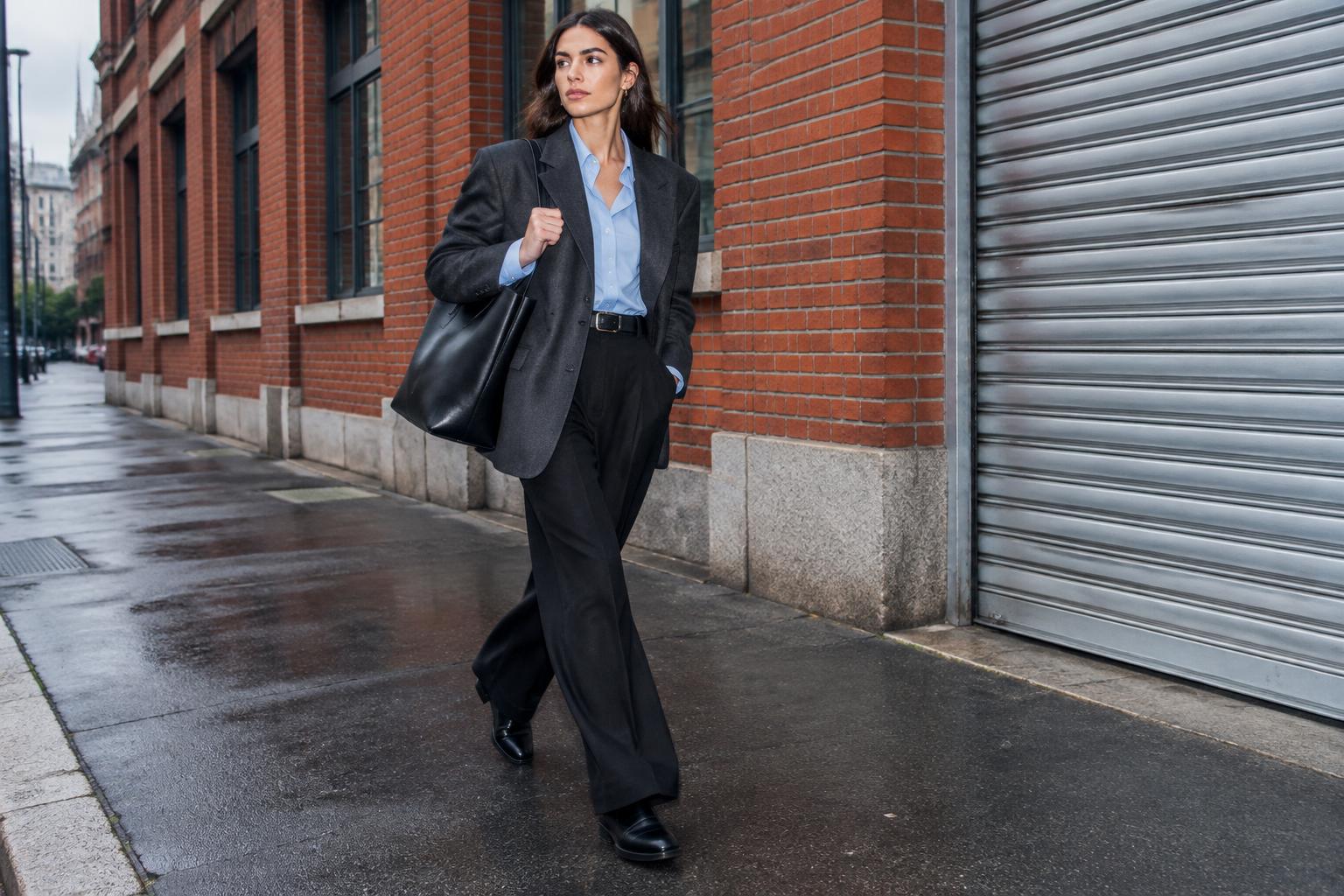
Open, roomy and practical. Totes suit work, shopping and travel. Choose a structured shape with an internal zip pocket, or add a pouch to keep small items in order. A tote without a closure is not ideal for crowded transport.
Shoulder bag
Sits under the arm or on the shoulder. Slouchy versions are relaxed and comfortable; structured ones look polished. Check that the strap does not slide off your shoulder.
Crossbody
The most practical shape for hands-free days. Adjustable straps let you wear the bag at the hip or higher. Make sure the strap is comfortable and the bag does not swing awkwardly.
Top-handle and satchel
Structured and smart. They suit tailoring and work outfits. Many come with a detachable strap, so you can carry them in the hand or across the body.
Bucket bag
Drawstring bags offer generous space in a soft shape. They can feel less secure than zipped bags, so look for a magnetic or zipped inner pocket.
Belt bag
Small, practical and good for travel, festivals and active days. Wear it across the chest or at the waist, depending on comfort.
Backpack
Not just for students. A smooth, minimal backpack in leather or nylon can look smart and spreads weight evenly. A good option if you carry a laptop or commute by bike.
Clutch and mini bag
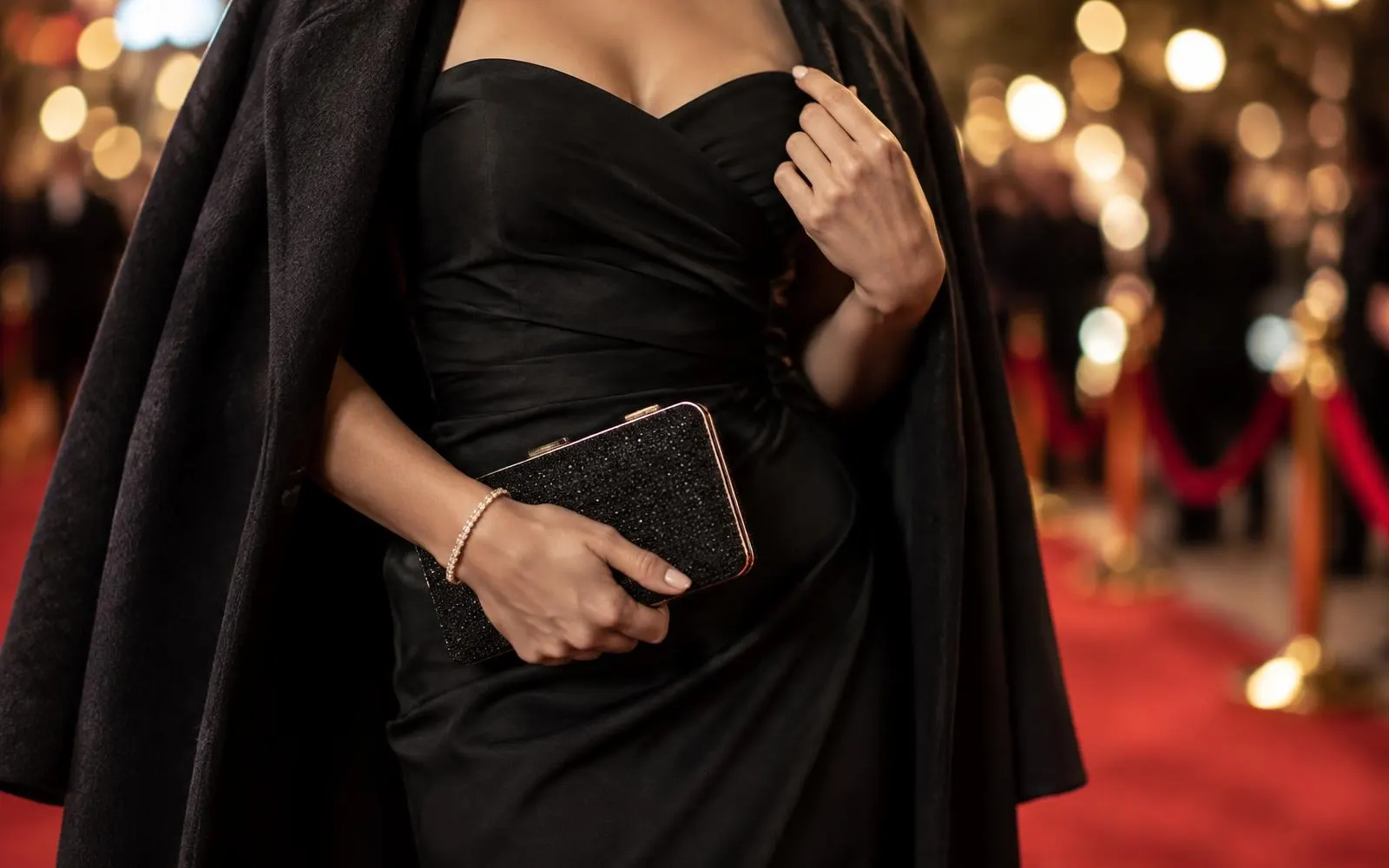
For evenings, when you only need the essentials. Check that your phone fits, and choose a version with a chain if you want to go hands-free.
Holdall and weekender
For travel and the gym. Look for a strap that can be worn on the shoulder, a base that stands up and an internal compartment for shoes or damp clothes.
Best bags by lifestyle
For work and commuting
Choose a structured shape in a neutral colour that fits a laptop or tablet, a water bottle and a notebook. A bag with feet on the base stays cleaner on train floors, and a zipped top is sensible on crowded services.
Best for: office days and hybrid working. Consider: weigh up leather against high-quality synthetic; the lighter option may be easier on your shoulder.
For everyday life and errands
A mid-sized shoulder bag or crossbody with a secure closure and an interior pocket covers most days. Wipeable lining is useful if you carry food or children's snacks.
Best for: school runs, shopping and weekend plans. Consider: several small pockets can be more useful than one deep compartment.
For travel
Look for zipped compartments, an anti-slip strap and an easy-to-reach pocket for tickets and passport. A crossbody keeps your hands free, and a lightweight bag means more room in your suitcase. Always check airline cabin-bag rules before you fly.
Best for: city breaks and airports. Consider: a small padlock or zip clip adds security.
For evenings and occasions
A small bag in satin, metallic or smooth leather, with a delicate chain, works with dresses and tailoring. If you need only a phone, card and lipstick, a mini bag is enough.
Best for: weddings, dinners and parties. Consider: try putting your phone and essentials in before you buy.
For wet British weather
Wipe-clean leather, coated canvas and technical nylon withstand rain better than suede or untreated fabric. A zipped top keeps contents dry, and a rain cover or umbrella protects delicate styles.
Best for: winter commutes and city walking. Consider: dark colours hide splashes better than pale ones.
For comfort and light carrying
If you have back or shoulder discomfort, choose a lightweight bag with a wide strap, and distribute weight across the body with a crossbody or backpack. Carry only what you need. For persistent pain, speak to a doctor or physiotherapist.
Choosing materials
Leather
Durable and repairable, and it develops character with age. Grained or pebbled leather resists scratches better than smooth. Full-grain is the highest quality; many bags use corrected-grain or split leather, which is more affordable but can wear differently.
Vegan and synthetic leather
Can look convincing and wipe clean easily, but quality varies. Polyurethane-coated fabrics may crack or peel over time, so check the edges and flex points.
Canvas and cotton
Lightweight and informal. Waxed or coated canvas handles rain better than plain cotton.
Nylon and technical fabric
Lightweight, tough and often water-resistant. A good choice for travel, commuting and backpacks.
Suede and satin
Beautiful, but delicate. Keep for dry days or occasions, and protect with a suitable spray.
Straw and raffia
Perfect for summer, though fragile in rain and when overfilled.
How to choose by budget tier
We do not quote prices. Here is how to think about each level.
- Entry-level. High-street and online brands offer plenty of style. Inspect seams, zips and strap attachments carefully, and expect a shorter life if you use the bag heavily.
- Mid-range. Better materials, more thoughtful interiors and stronger hardware typically appear here. Often the best value for a daily bag.
- Investment. Quality leather, craftsmanship and classic design. These can last many years and often hold value. Weigh cost per wear and choose a shape you will use often.
- Second-hand. Resale can offer excellent quality for less. Check corners, handles, linings and smell, and buy from sellers with clear returns and authenticity checks.
Styling your bag
A bag finishes an outfit, so it should suit what you wear most. A structured top-handle bag lifts jeans and a shirt; our guide to the best jeans for women helps with the other half of that outfit. A slouchy shoulder bag softens tailoring. A bright or textured bag can give a neutral wardrobe a focal point, while a classic black or tan bag goes with almost everything.
Keep the scale in proportion. A very small bag can look lost with a long coat, and a very large one can overwhelm a petite frame. A signature fragrance in your bag, such as the ones in our best perfume for women guide, is a small finishing touch that travels well in a mini bottle.
Care and storage
- Empty it regularly. Heavy loads stretch straps and distort shape.
- Stuff it with tissue or a shaper when it is not in use.
- Store it in a dust bag, away from heat and direct sunlight.
- Clean according to material. Leather needs a soft cloth and conditioner; nylon can be wiped; suede needs a brush.
- Protect from rain with a suitable spray, tested on a hidden area first.
- Repair early. A cobbler or repair service can restitch handles and replace zips.
For ideas on keeping bags tidy at home, see our handbag storage ideas.
Common mistakes
- Choosing by looks alone. Pick up the empty bag and check the weight.
- Buying too small. If you must remove things to close it, it is the wrong size.
- Ignoring the closure. An open top is risky in busy places.
- Overfilling. It damages the shape and stitching.
- Neglecting the strap. An uncomfortable strap will ruin the bag.
- Buying a trend piece as a first bag. Start with a classic shape.
Frequently asked questions
What are the best bags for women?
The best bags for women suit your daily needs: the right size and weight, a secure closure, a comfortable strap and quality materials. A structured tote or a crossbody works well for most people, while specialised bags suit travel, evenings or work.
What bag should I buy as my first investment piece?
Choose a classic shape in a neutral colour, such as black, tan or navy, with simple hardware. It should be comfortable to carry and fit your essentials. Inspect the leather, stitching and lining closely.
What size bag do I need for daily use?
Think about what you carry every day. A medium bag fits a phone, wallet, keys, make-up and a small water bottle, while a laptop requires a larger tote or backpack. Try your items in the bag before buying if you can.
How do I stop a leather bag from losing its shape?
Stuff it with tissue or a bag shaper, store it upright in a dust bag and avoid overfilling. Keep it away from heat and damp, and condition the leather occasionally.
In short
Choose a bag for the way you live: size, weight, closure and strap come first, then material and style. Invest in a classic shape, look after it and repair it when needed. For more guides, explore our Handbags section.