Dinner is one of the trickiest dress codes because it covers so much ground. A relaxed supper with friends, a family celebration, a work meal and a smart restaurant booking all count, yet they call for quite different clothes.
These dinner outfits are built around a simple idea: dress for the room, sit comfortably for two hours, and keep a layer to hand. Below you will find outfit formulas, advice on shoes and bags, and notes on the British weather and dress codes that catch people out.
What to wear to dinner
Begin by reading the restaurant. A good clue is the menu style and the setting. A bustling bistro or a neighbourhood Italian invites relaxed smart-casual clothes. A hotel dining room, a tasting-menu restaurant or a members' club leans more formal, and some will have a stated dress code.
If you are unsure, look at the venue's website and photographs. Pay attention to the lighting, the table settings and the clothes the guests wear. Soft lighting and white tablecloths usually suggest a dress or tailoring. Exposed brick and shared plates suggest you can relax a little.
Then think about the practical side. You will be seated for a long time, often close to other tables, so choose fabrics that do not crease badly or cling. A waistband that is comfortable before the starter will be uncomfortable after dessert, so pick a cut with some give.
A final tip: dinner is usually a layering exercise. Restaurants can be warm inside and cold on the way there, so a jacket, wrap or good coat does a lot of work.
Key dinner outfit formulas
The midi dress and blazer
A midi dress in a fluid fabric such as crepe, satin or jersey is easy to dress up or down. Add a sharp blazer for a business dinner or a cropped jacket for a social one. Shoes can be heeled sandals, pointed flats or a sleek boot depending on the season.
The wide-leg trouser and silk-feel blouse
This is the most reliable restaurant outfit for many people. High-waisted wide-leg trousers in black, navy or camel look elegant, move comfortably and are forgiving after a large meal. Tuck in a blouse with a soft bow, a relaxed collar or a fluid drape, then finish with a heel or a polished loafer.
The matching set
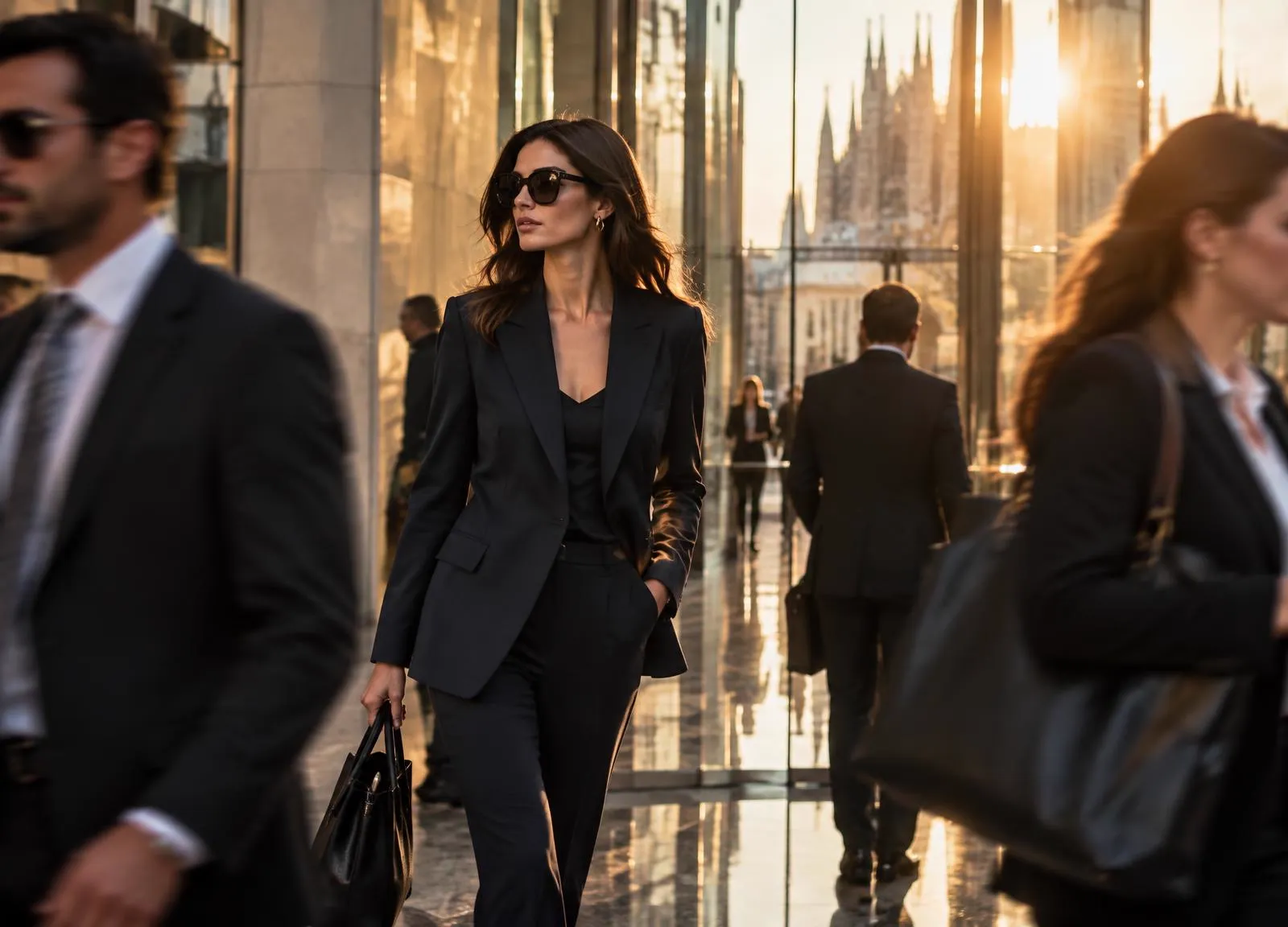
A co-ord in tailored fabric, whether a blazer and trouser suit or a knit top with a matching skirt, looks organised with almost no effort. It works particularly well for work dinners or family occasions where you want to appear smart without being stiff.
The knit midi and boots
In cooler months, a fine-knit midi dress with knee-high or ankle boots is warm, flattering and low maintenance. Add a belt for shape and a statement earring. It is also kind to anyone who dislikes bare legs in a draughty restaurant.
The relaxed smart-casual option
For a pub supper or a casual restaurant, try dark straight-leg jeans, a good shirt or fine knit, a blazer and ankle boots. It is the right level for most mid-week dinners and easy to adjust with jewellery.
The occasion dress
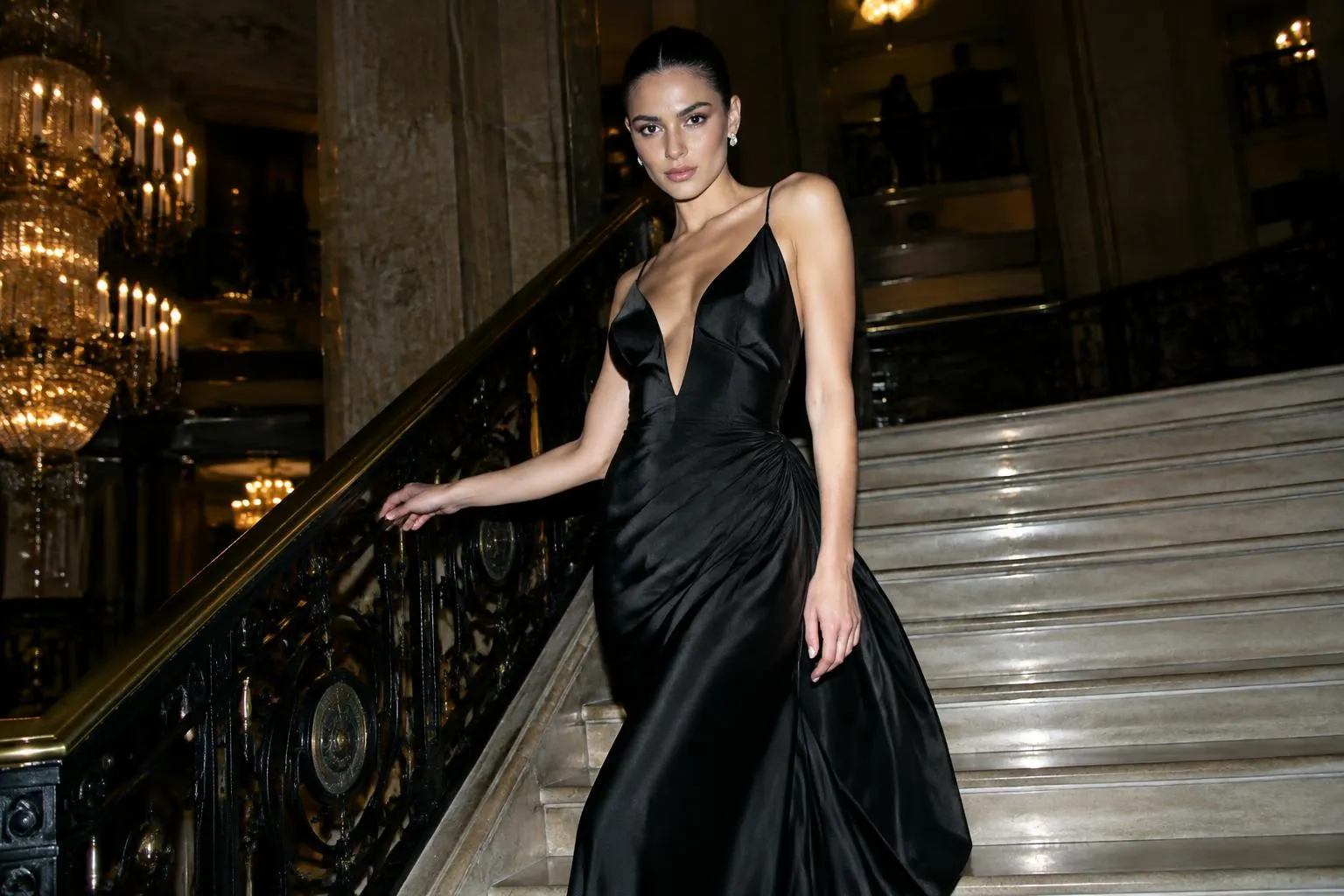
For an anniversary, birthday or smart restaurant, choose a dress with some presence: a rich colour, an elegant neckline or an interesting sleeve. Keep accessories simple so the dress remains the focus.
Shoes and accessories
For dinner you will mostly be sitting, but you still have to get to the table and home again. Choose shoes you can walk in for at least twenty minutes without discomfort.
- Block heels: a stable, elegant choice for smart dinners.
- Pointed-toe flats and loafers: polished and practical for trousers and midi dresses.
- Ankle boots: smart in cooler months, especially in leather or suede with a clean line.
- Heeled sandals: good for summer evenings when the venue is dry and the journey is short.
- Clean trainers: acceptable only at the most relaxed venues and with a smart outfit.
Bags should be compact. A restaurant table has little room, and a large bag on the floor or a chair feels awkward. A small shoulder bag, a structured top-handle bag or a clutch is neat and practical. If you are carrying a coat and umbrella as well, a crossbody strap keeps your hands free.
Keep jewellery balanced. A pair of good earrings with a simple necklace is usually enough. Dangling bracelets can clink against plates and glasses, so choose something that sits close to the wrist. Scent should be subtle, especially in a small dining room.
Dress codes and seasonal considerations
British restaurants vary widely, and a stated dress code usually means one of a few things.
- Smart casual: no sportswear or beachwear; a neat shirt, dress, tailored trousers or smart jeans are fine.
- Smart: a dress, suit or tailored separates; jeans are less likely to be welcome.
- Formal or black tie: a long dress or formal evening wear, usually specified in the invitation.
- No stated code: follow the venue's tone and go slightly smarter than you think necessary.
If you are unsure, it is easier to remove a jacket or accessory than to add one you left at home.
Autumn and winter
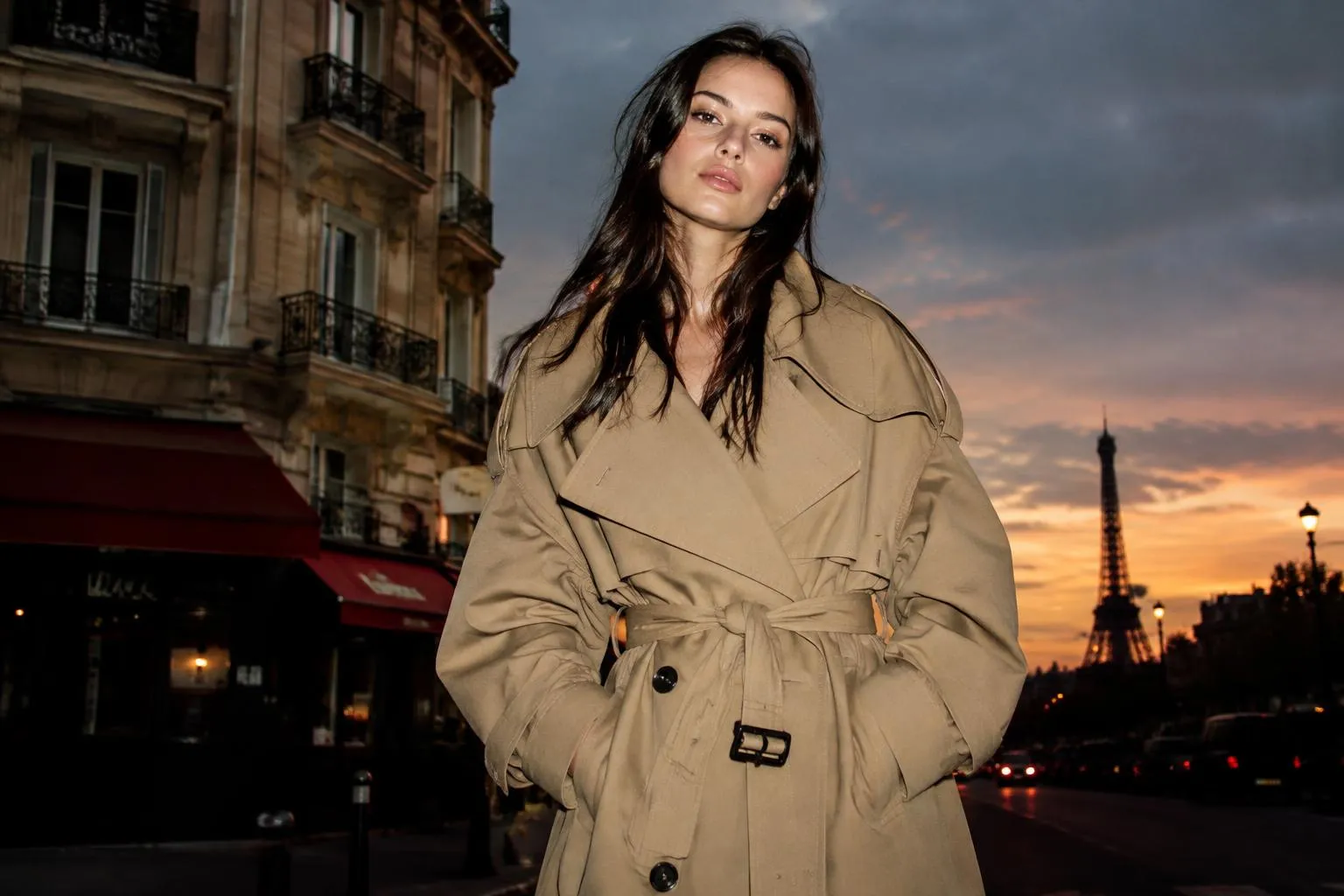
Dark, rich colours and heavier fabrics come into their own. Think velvet, wool crepe, brushed knits and leather accents. A long coat protects your outfit from rain on the way, and a warm scarf can be left at the cloakroom. Opaque tights or lined trousers are useful, as is a boot with a grippy sole for wet pavements.
Spring and summer
Lighter fabrics such as cotton, linen blends and fluid viscose keep you comfortable. Pastels, white and fresh prints suit a daytime-into-evening reservation. Evenings can turn chilly, so a thin cardigan or a structured jacket is a useful companion. For outdoor tables, think about whether you will need sunglasses or a layer once the sun drops.
Practical variations
A work dinner
Keep the look polished and not too revealing. A tailored dress with a blazer, or trousers with a refined top, suits most business settings. Choose closed shoes and moderate heels, and avoid anything that needs adjusting.
A family meal
Comfort and ease take priority. A midi skirt with a soft knit, or a relaxed dress with a cardigan, is neat without being fussy. Fabrics that resist creasing are helpful.
A group dinner with friends
This is a good moment for a bit of personality: a bright print, an interesting colour or a statement accessory. Choose something you can move in, since these evenings often continue at another venue.
If the meal is a romantic one, you may find more detailed ideas in our guide to date night outfits. If the plan is a late lunch instead, see brunch outfits. When dinner is followed by a bar or club, our going out outfits cover the next stage of the evening. For summer plans involving food stalls and music, festival outfits are a better reference.
Styling mistakes to avoid
- Overdressing for the room: a ball gown in a casual bistro draws attention for the wrong reasons.
- Underdressing for a smart restaurant: very casual clothes can feel out of place and may be refused at some venues.
- Tight waistbands: choose a forgiving fit for a meal that lasts several hours.
- Delicate or messy fabrics: pale silk and long loose sleeves are easily stained by sauce or candle wax.
- Impractical shoes: if you cannot walk to the venue, they are the wrong shoes.
- Forgetting the coat: a smart outfit with no outer layer will not look polished once you are soaked.
- Heavy perfume or loud jewellery: these can distract in a quiet dining room.
Frequently asked questions
What should I wear to a smart dinner at a restaurant?
Choose a midi dress, a tailored co-ord or wide-leg trousers with a fluid blouse, finished with heels or polished flats. Keep the palette simple and add one considered accessory. A coat or blazer completes the look.
Can I wear jeans to dinner?
Often yes, especially at casual and smart-casual restaurants. Choose dark, clean denim without rips and style them with a blazer, a good top and polished shoes. If the restaurant has a stated smart code, check before booking.
What colours are best for dinner outfits?
Black, navy, deep green, burgundy and cream are reliably elegant. In summer, soft pastels, white and fresh florals suit lighter evenings. Choose colours that flatter you and avoid very pale shades if you are worried about spills.
How do I stay warm without ruining my outfit?
Layer thoughtfully. A long coat, fine-knit cardigan or structured blazer adds warmth without bulk. Opaque tights, lined trousers and boots with a good sole help on cold evenings.
In short
Good dinner outfits balance the venue, the company and comfort. Choose a formula you trust, add a layer for the weather and keep your shoes manageable. For more ideas on relaxed social dressing, explore our Date & Social section.