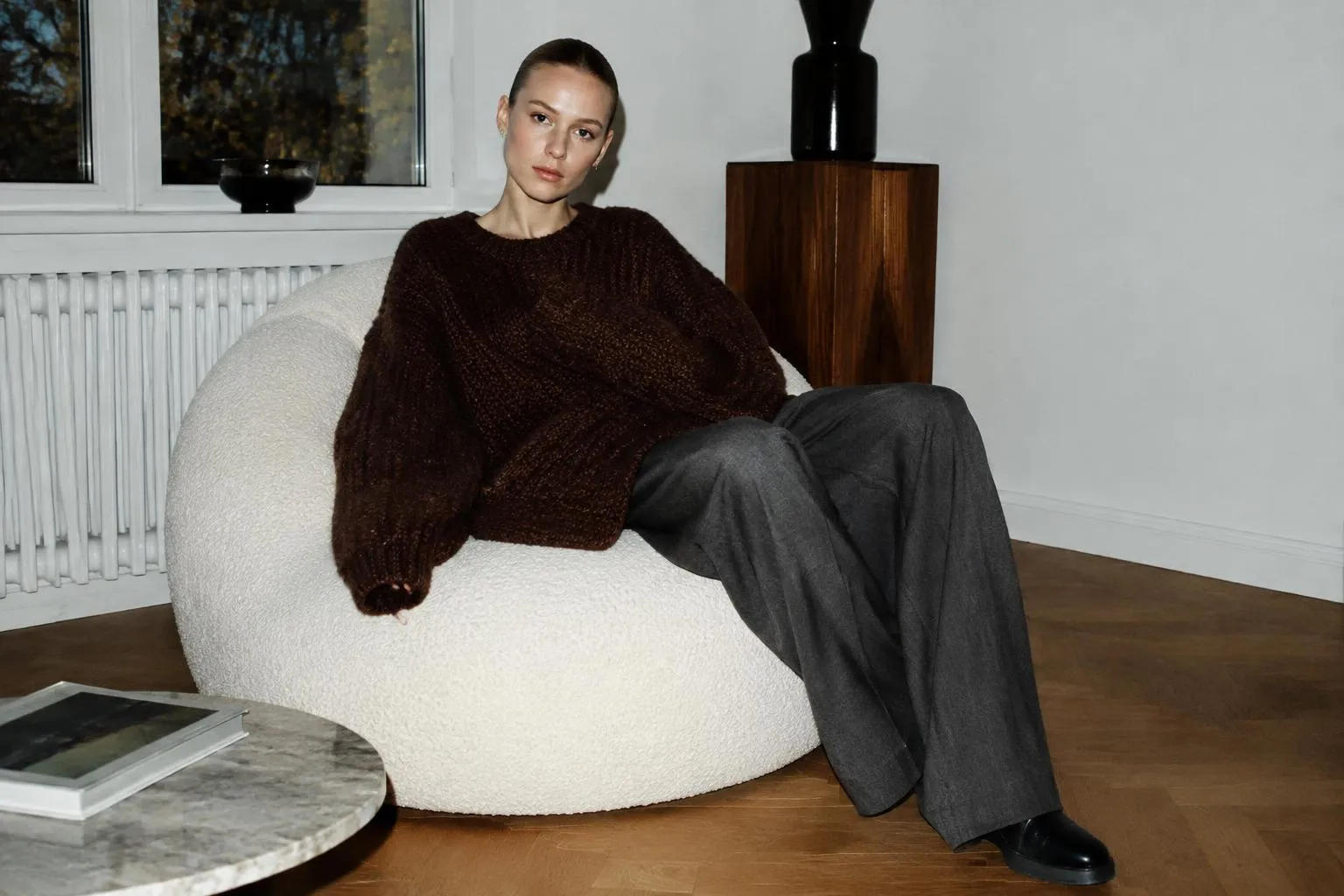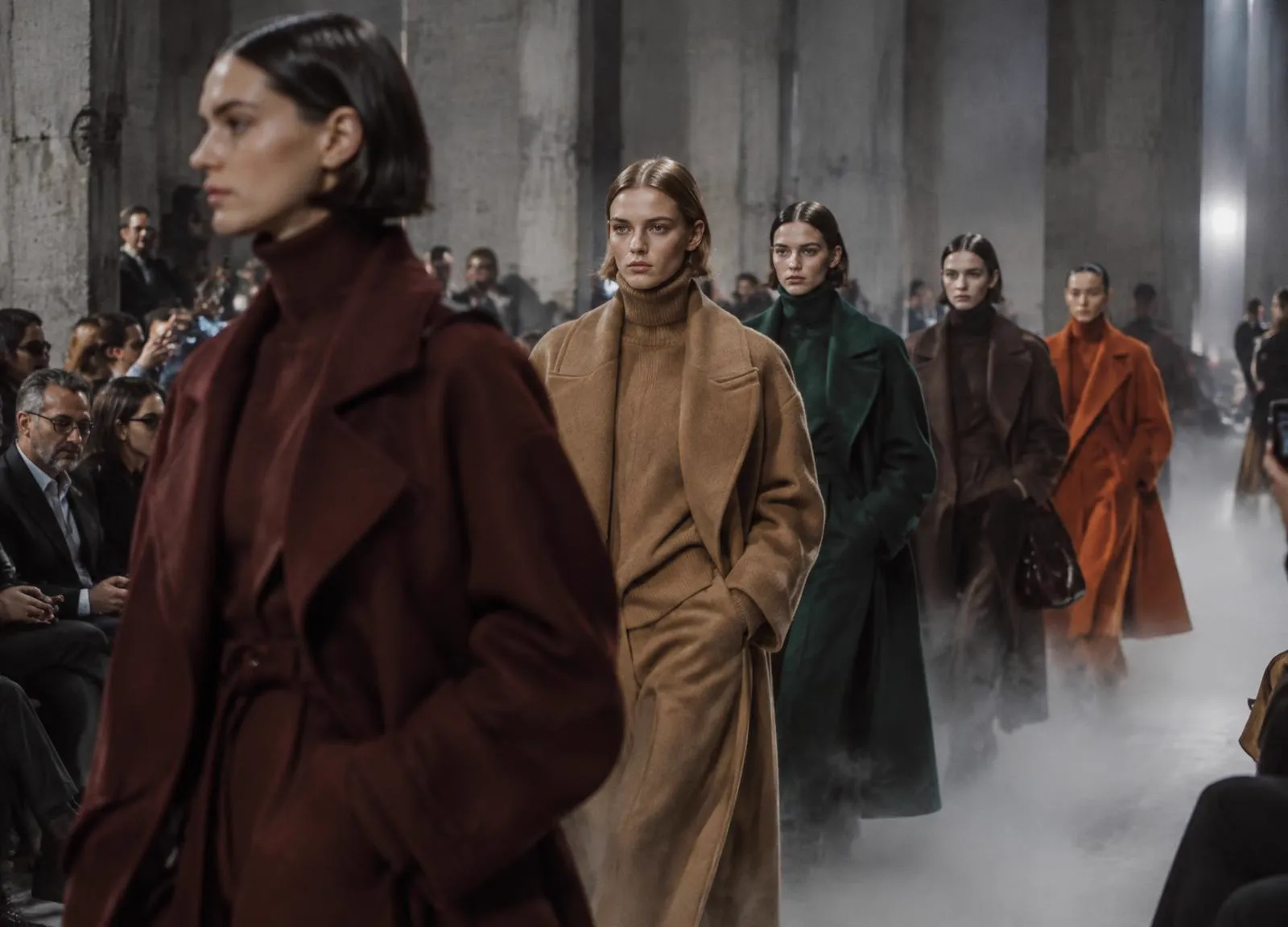
The hair colour trends of 2026 lean towards richness and realism. Think dimensional brunettes, warm coppers, soft blondes with depth and subtle brightening rather than flat, single-tone colour. The aim is hair that looks like a better version of itself and grows out well.
This guide is written as a practical reference for the year so far and for the months ahead. It explains the shades and techniques behind the look, how to match a colour to your skin tone and starting point, and what to ask for at the salon. If you are also thinking about shape and cut, see our guide to hair trends 2026.
The direction: dimension, depth and low-maintenance colour
Across salons and social feeds, the colour conversation has settled around a handful of principles that outlast any single season:
- Dimension over flatness. Multi-tonal colour reflects light and looks more natural than a single solid shade.
- Healthy-looking finish. Gloss, glaze and good condition matter as much as the shade itself.
- Softer regrowth. Techniques that blend into your natural colour mean fewer emergency appointments.
- Personalisation. The best colour is chosen around your skin tone, eye colour and natural base, not copied wholesale.
Because these ideas are about technique rather than a single fashionable shade, they carry forward into next year with very little adjustment.
Shades to know
Rich brunettes
Brunette is having a long moment. Chocolate, espresso and soft mocha tones with a glossy finish suit a wide range of skin tones, and they look expensive without much effort. For more interest, ask for slightly lighter pieces around the face or a barely-there gloss in a warmer or cooler direction. Cool, ashy brunettes look striking but can fade quickly, so a warmer brown is often easier to maintain.
Warm coppers and auburns
Copper has moved from bold to wearable. Soft, natural-looking coppers and auburns sit close to natural red and brown bases, and look beautiful on fair, olive and deeper skin tones when the saturation is right. A fully vivid copper needs frequent upkeep because red pigments fade quickly, so a softer version is more realistic if you want low maintenance.
Soft, dimensional blondes
Blonde is shifting towards a more nuanced, less stark look. Honey, champagne, buttery and sandy tones with visible depth at the root feel modern and easier to grow out than a uniform platinum. If you love a bright blonde, a shadowed root helps the colour look deliberate for longer.
Deep reds and cherry tones
Burgundy, mahogany and dark cherry shades bring warmth to brunettes and work well in autumn and winter. Because they sit on a dark base, they are less demanding than bright reds, although they still need colour-safe care.
Natural-looking greys and silvers
More people are choosing to embrace or blend their grey hair. A good colourist can add soft highlights, lowlights or a gloss to make the transition gradual. For those who prefer silver by choice, consistent toning and conditioning keep it clear rather than yellow.
Techniques behind the colour
Knowing the vocabulary helps you ask clearly for what you want.
| Technique | What it is | Best for |
|---|---|---|
| Balayage | Hand-painted highlights that blend from root to ends | Soft, natural dimension and easy grow-out |
| Babylights | Very fine, delicate highlights | Subtle brightening, especially on fine hair |
| Lowlights | Darker strands added within lighter hair | Adding depth to blonde or faded colour |
| Root smudge or shadow root | Blended darker root | Softer regrowth, a lived-in look |
| Gloss or glaze | Semi-permanent, sheer colour treatment | Shine, tone correction and refreshing colour |
| Money piece | Brighter section framing the face | A little lift without a full colour change |
These can be combined. For example, a brunette base with fine face-framing highlights and a gloss creates movement, softness and shine.
How to choose a shade
Consider your skin tone and undertone
Look at the veins on your wrist and how your skin reacts to gold and silver jewellery. Warm undertones often suit golden, honey and copper shades, while cool undertones tend to look best in ash, beige and cooler browns. If you are unsure, neutral tones are the easiest to wear. A colourist can make the final call in person, in natural light.
Start from your natural base
Going several shades lighter takes time and multiple sessions, and it can affect the condition of the hair. A shade within two or three levels of your natural colour is easier to achieve, looks more natural and is less damaging. Be realistic about the number of appointments a major change needs.
Be honest about maintenance
Ask yourself how often you are happy to visit the salon. Dimensional techniques such as balayage and shadow roots can go for months between appointments, while bright reds, all-over blonde and fashion shades need much more frequent attention.
Practical UK context
Hard water is common in large parts of the UK, and mineral build-up can dull colour and make blondes look brassy. A clarifying shampoo used occasionally and a shower filter can help. Daylight in British winters is often flat, so choose a shade you like in both bright and overcast light. Ask your colourist to check the result near a window, not only under salon lights.
If you colour at home, follow the instructions carefully and always do a patch test beforehand. For major changes, or if your hair is already lightened or damaged, seeing a professional is usually the safer route.
Keeping colour looking good
- Use colour-safe shampoo and conditioner. They are formulated to be gentler and reduce fading.
- Wash with lukewarm water. Hot water can strip colour more quickly.
- Protect from heat. Apply a protectant before using hot tools. Our guide to the best hair dryer and the best hair straighteners covers features that help limit damage.
- Add a weekly mask. Coloured and lightened hair benefits from extra moisture and strengthening treatments.
- Refresh with a gloss. A salon or at-home gloss revives shine and tone between full appointments.
- Limit sun exposure. UV can fade colour and dry hair. Wear a hat or use a UV-protective spray.
If dry, coloured hair has started to frizz, our guide to frizzy hair explains what helps.
Common mistakes to avoid
- Choosing a colour from a photo without considering your base. Lighting and editing affect how shades look.
- Skipping the consultation. Describe your hair history honestly, including any box dye, henna or previous bleaching.
- Going too light too fast. This risks breakage. Staged lightening is kinder to the hair.
- Ignoring maintenance. A colour that fades badly will not look good however well it was applied.
- Overusing purple shampoo. It can leave blonde hair dull or lilac if used too often.
- Ignoring scalp irritation. If you experience discomfort, itching or a reaction to colour, stop using the product and speak to a pharmacist or doctor.
Frequently asked questions
What are the main hair colour trends for 2026?
Rich, glossy brunettes, soft coppers, dimensional blondes and deep red tones lead the way. The common thread is depth and a natural-looking finish rather than flat, single-tone colour. Techniques such as balayage and shadow roots make the grow-out gentler.
Which hair colour suits my skin tone?
Warm undertones often suit honey, golden and copper shades, while cool undertones tend to suit ash, beige and cool browns. Staying within a few shades of your natural colour is the easiest way to look natural. A colourist can confirm the best match in daylight.
How often do I need to colour my hair?
It depends on the technique. Balayage and shadow roots can last for months, while all-over blonde and bright reds usually need regular touch-ups. A gloss between appointments helps keep colour fresh.
How can I stop my hair colour fading?
Use colour-safe products, wash in lukewarm water, protect from heat and sun, and condition regularly. A shower filter can also help in hard-water areas. A gloss treatment every so often restores shine and tone.
To sum up
Hair colour trends in 2026 favour depth, shine and easy grow-out, and the ideas carry comfortably into the year ahead. Choose a shade near your natural base, pick a technique that suits your lifestyle and look after it well. For more advice, explore our Hair section.